

Future of Electric Ship Technology: Key Trends, Growth Drivers and Opportunities
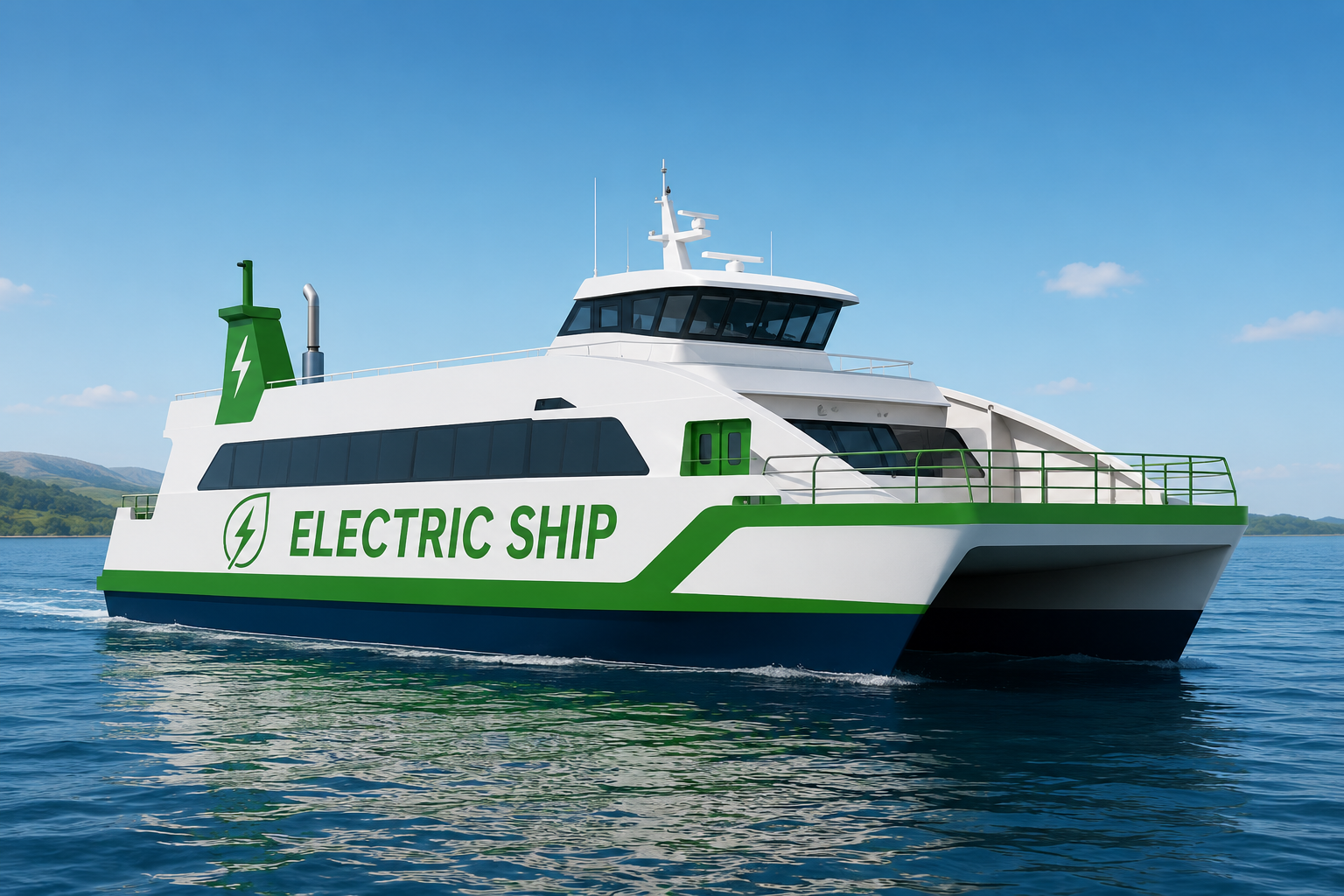
Introduction to electric ship technology
The maritime industry is undergoing a major transformation as governments, shipbuilders, and fleet operators seek cleaner and more efficient alternatives to conventional marine propulsion systems. Electric ship technology combines advanced batteries, electric motors, power electronics, and digital energy management systems to reduce fuel consumption, lower emissions, and improve operational efficiency. Unlike traditional diesel-powered vessels, electric ships rely on electrical energy stored in batteries or generated through hybrid systems that integrate renewable energy sources, fuel cells, or conventional engines. Electric propulsion is becoming increasingly important as international regulations tighten restrictions on greenhouse gas emissions and air pollutants from shipping activities. Ferry operators, naval forces, offshore support companies, and commercial shipping organizations are investing in electric and hybrid-electric vessels to meet sustainability targets while maintaining reliable maritime operations. As battery costs continue to decline and charging infrastructure expands, electric ship technology is expected to become a central pillar of the future maritime ecosystem.
History of electric ship technology
The concept of electric propulsion in ships dates back more than a century. Early experimental vessels used electric motors powered by onboard generators to improve maneuverability and reduce mechanical complexity. During the twentieth century, naval vessels adopted electric propulsion for submarines and specialized military platforms because electric systems provided quieter operation and better control. In recent decades, advances in lithium-ion batteries, power electronics, and digital control systems have accelerated the commercialization of electric ships. Scandinavian countries pioneered battery-electric ferries for short-distance routes, demonstrating that electric propulsion could significantly reduce fuel costs and emissions. These successful deployments encouraged ports, shipyards, and governments around the world to support broader adoption across passenger, cargo, and offshore vessel segments.
Benefits of electric ship technology
Electric ship technology offers several advantages compared with conventional marine propulsion systems:
- Reduced emissions: Battery-electric and hybrid vessels significantly lower carbon dioxide, sulfur oxide, and nitrogen oxide emissions.
- Lower operating costs: Electric propulsion systems generally require less maintenance and reduce fuel expenses over the vessel’s lifetime.
- Improved energy efficiency: Electric motors convert a higher percentage of energy into useful propulsion compared with conventional engines.
- Quieter operation: Reduced vibration and noise improve passenger comfort and support naval and research applications.
- Enhanced maneuverability: Electric propulsion enables precise control of thrust and power distribution.
Current market size and growth trends of electric ship industry
The global electric ship industry is experiencing rapid expansion as maritime operators accelerate investments in low-emission propulsion technologies. AAccording to industry reports, the global Electric Ship Market size was valued at USD 4.85 billion in 2025 and is projected to reach USD 18.39 billion by 2032, growing at a CAGR of 21.0% during the forecast period. This strong growth reflects increasing demand for sustainable transportation, advances in battery technology, and supportive government policies aimed at reducing emissions from marine operations.
Several factors are contributing to the rapid expansion of the electric ship market:
- Rising adoption of battery-electric ferries and coastal vessels
- Growing investments in hybrid-electric naval and defense platforms
- Expansion of shore charging infrastructure at commercial ports
- Declining battery costs and improvements in energy density
- Increasing pressure to comply with international maritime emission regulations
Key drivers and factors influencing the future of electric ships
- Environmental regulations: The International Maritime Organization and regional authorities are implementing stricter emission standards, encouraging shipowners to adopt cleaner propulsion systems.
- Battery technology improvements: Higher energy density, faster charging capabilities, and improved safety are making electric vessels more practical for a wider range of applications.
- Government incentives: Many countries provide subsidies, grants, and tax incentives for low-emission maritime projects and charging infrastructure.
- Corporate sustainability goals: Shipping companies are under increasing pressure from investors and customers to reduce their environmental footprint.
- Digitalization and automation: Smart energy management systems optimize battery usage and improve operational efficiency.
Emerging trends in electric ship technology
The future of electric shipping is being shaped by several important technological trends. Shipbuilders are increasingly integrating large-scale lithium-ion battery packs with advanced thermal management systems to improve safety and performance. Hybrid-electric architectures that combine batteries with fuel cells or conventional generators are becoming common for longer routes. Artificial intelligence and predictive analytics are being used to optimize energy consumption, monitor battery health, and schedule maintenance activities. In addition, ports are investing in high-capacity shore charging systems that allow vessels to recharge quickly during short turnaround periods.
- Hybrid-electric propulsion systems for extended range operations
- AI-driven energy optimization and predictive maintenance
- High-power shore charging infrastructure at major ports
- Integration of hydrogen fuel cells with battery systems
- Use of digital twins to improve vessel performance and reliability
Opportunities and challenges in the electric ship market
The electric ship market presents substantial opportunities for shipbuilders, battery manufacturers, infrastructure providers, and maritime operators. Growing demand for low-emission transportation is creating new business opportunities in passenger ferries, inland waterways, offshore support vessels, and naval modernization programs. Companies that develop efficient battery systems, charging solutions, and integrated power management technologies are well positioned to benefit from this transition.
- Major opportunities include:
- Expansion of electric ferry networks in coastal regions
- Modernization of naval fleets with hybrid-electric propulsion
- Development of smart ports and charging infrastructure
- Growth of offshore renewable energy support vessels
Despite these opportunities, the industry also faces several challenges. High upfront capital costs remain a significant barrier for many operators. Battery weight and energy storage limitations can restrict range for larger vessels. Charging infrastructure is still developing in many regions, and safety standards for large maritime battery systems continue to evolve. Addressing these challenges will require collaboration among shipbuilders, technology providers, regulators, and port authorities.
- Key challenges include:
- High initial investment requirements
- Battery weight and range limitations
- Limited charging infrastructure in some regions
- Evolving safety and certification standards
Innovations and advancements in electric ship technology
- Next-generation battery systems: Manufacturers are developing batteries with higher energy density, longer life cycles, and improved thermal stability.
- Solid-state battery research: Emerging solid-state technologies offer the potential for greater safety and increased energy storage capacity.
- Integrated power management: Advanced software platforms balance propulsion, hotel loads, and auxiliary systems to maximize efficiency.
- Fast-charging technologies: High-power charging systems reduce turnaround times for ferries and short-route vessels.
- Renewable energy integration: Some vessels are incorporating solar panels, wind-assist technologies, and fuel cells to supplement battery power.
Future applications and industries that will benefit from electric ships
Electric ship technology has the potential to transform multiple sectors of the maritime economy. Passenger ferries operating on short and medium routes are among the earliest beneficiaries because they can recharge frequently and operate in environmentally sensitive areas. Inland waterway transport systems can also benefit from reduced emissions and lower operating costs. Offshore wind and renewable energy projects increasingly require support vessels with low environmental impact, creating additional demand for electric propulsion.
Naval organizations are exploring hybrid-electric systems to improve stealth, reduce fuel consumption, and increase operational flexibility. Research vessels, harbor tugs, and autonomous maritime platforms are also adopting electric propulsion because of its efficiency and precise controllability. As battery technology improves, larger commercial cargo vessels may gradually incorporate electric or hybrid-electric propulsion for specific routes and operations.
- Passenger ferries and coastal transportation
- Inland waterway cargo and logistics services
- Offshore renewable energy support vessels
- Naval and defense platforms
- Research ships and autonomous maritime systems
Conclusion: The promising future of electric ship technology
Electric ship technology is emerging as one of the most important innovations in the global maritime industry. Driven by environmental regulations, technological advances, and growing demand for sustainable transportation, electric and hybrid-electric vessels are becoming increasingly viable across commercial, passenger, offshore, and defense applications. The market’s projected growth from USD 4.85 billion in 2025 to USD 18.39 billion by 2032 highlights the scale of this transition and the significant opportunities available to industry participants. Continued investment in batteries, charging infrastructure, digital energy management, and renewable energy integration will further accelerate adoption. Although challenges related to cost, range, and infrastructure remain, ongoing innovation and collaboration across the maritime ecosystem are expected to overcome these barriers. As a result, electric ship technology is poised to play a central role in creating a cleaner, more efficient, and more sustainable future for global shipping.
Download Sample Research Report For Electric Ship Market @ https://www.marketsandmarkets.com/Market-Reports/electric-ships-market-167955093.html
80% of the Forbes Global 2000 B2B companies rely on MarketsandMarkets to identify growth opportunities in emerging technologies and use cases that will have a positive revenue impact.
- Food Packaging Market Size Set for Strong Growth Through 2030 Amid Rising Demand for Convenience Foods
- Mulch Films Market: Driving Sustainable Agriculture Through Innovation
- Agricultural Adjuvants Market Analysis, Trends, and Growth Outlook (2026–2031)
- Crop Protection Chemical Market Size, Share & Growth Forecast (2025–2030)
- Japan Enterprise Asset Management Market Growth: AI and Smart Infrastructure Drive Demand


