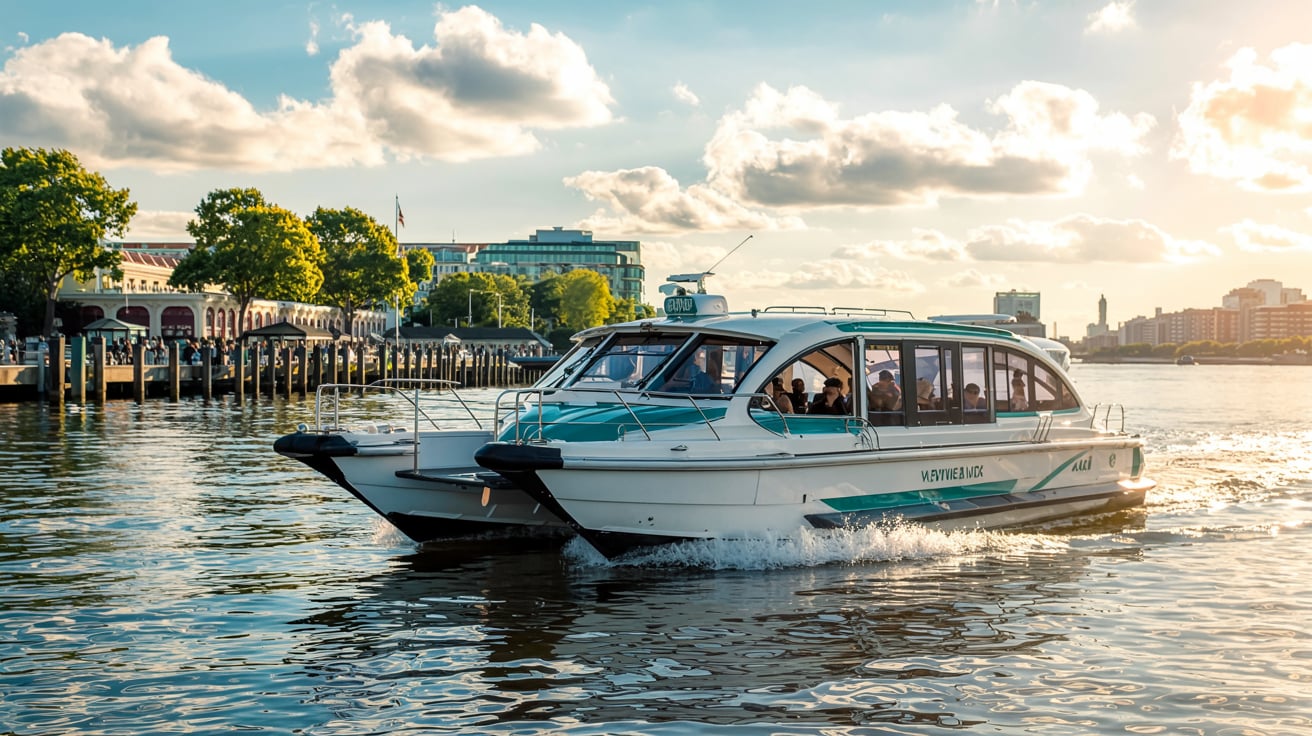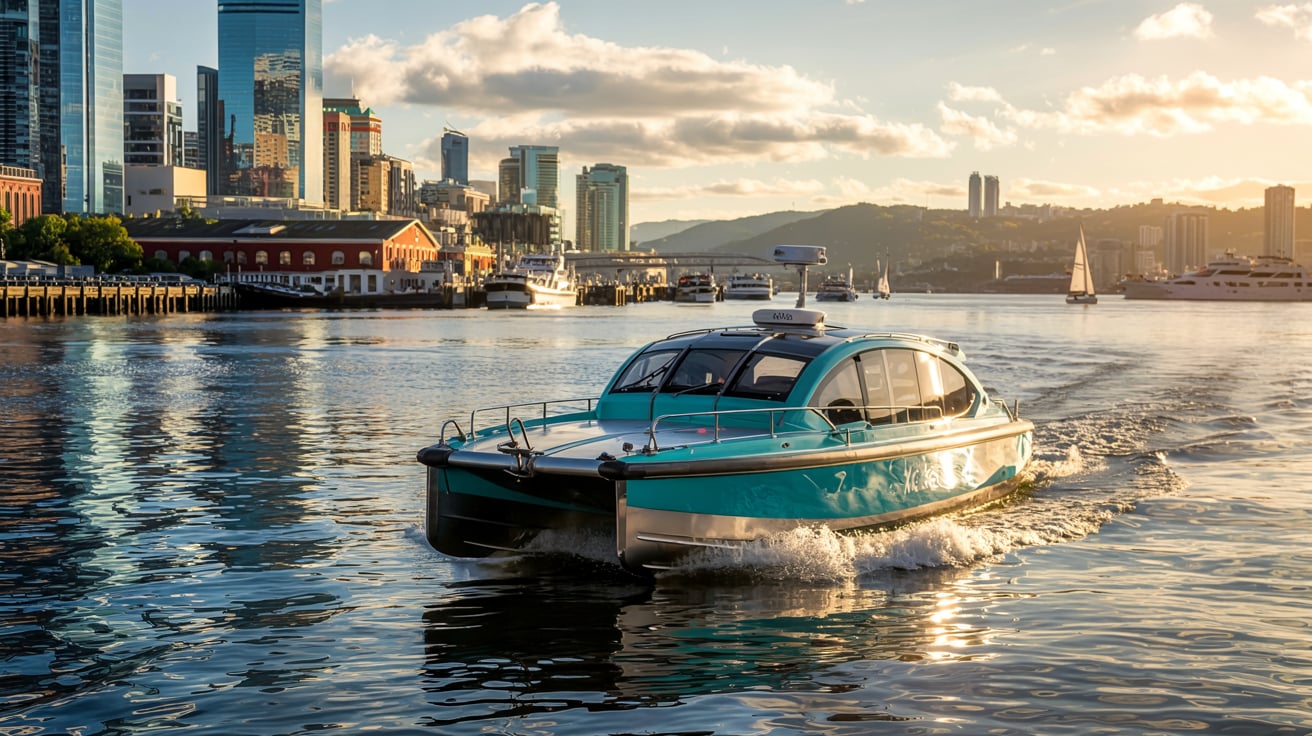
Rise of the Water Taxi Industry in North America
The Water Taxi Market in North America has emerged as a vital component of modern mobility infrastructure as cities seek to reduce congestion on roads, expand multimodal transport networks, and enhance waterfront accessibility. This industry supports both residents and tourists by connecting coastal regions, lakeside communities, riverfront districts, and island destinations through convenient on water transportation. As urban populations grow and environmental pressures increase, water taxis have gained renewed attention as sustainable alternatives to traditional road based travel, helping regions move toward cleaner, low impact transport ecosystems.
The rise of the Water Taxi Industry in North America is driven by changing mobility preferences, growing emphasis on eco friendly transportation, and the revitalization of waterfront urban areas. Major cities along both coasts and inland waterways are investing in marine transportation networks to improve accessibility, support tourism, and strengthen resilience against road congestion. The industry is transforming from niche tourist service providers into strategically integrated components of metropolitan transit systems that offer flexibility, speed, and scenic connectivity.
This dynamic shift reflects evolving priorities in transportation planning, environmental policy, and coastal development. As populations increasingly seek efficient and enjoyable commuting options, the Water Taxi Industry in North America is positioned to play an essential role in the future of sustainable mobility.
Evolving Landscape of the Water Taxi Industry in North America
Growing Emphasis on Maritime Mobility
The Water Taxi Industry in North America is shaped by the region’s abundant waterways and dense urban corridors. These natural and built environments create ideal conditions for water based transportation services that relieve pressure from busy road networks. As metropolitan areas adopt long term mobility plans, water taxis are gaining recognition as valuable contributors to reducing congestion and expanding transit options. This shift reflects a broader recognition that urban water bodies can be utilized as efficient transport corridors.
Urbanization and Waterfront Redevelopment
Cities across North America are undergoing significant waterfront redevelopment, transforming former industrial zones into mixed use communities that prioritize public access, recreation, and mobility. The Water Taxi Industry in North America is benefiting from this development wave, as renewed interest in waterfront activities creates demand for water based commuting and leisure travel. Water taxis provide efficient links between redeveloped waterfronts and central business districts, making them indispensable for both residents and visitors.
Tourism and Recreational Mobility
Tourism remains an influential driver in the Water Taxi Industry in North America. Coastal and lakeside destinations rely heavily on water taxis to transport travelers between attractions, islands, national parks, and cultural sites. Water taxis enhance the visitor experience by offering scenic travel experiences while reducing pressure on road infrastructure. The steady expansion of domestic and international tourism continues to boost long term demand for water taxi services.
To Know About the Assumptions Considered for the Study Download the PDF Brochure
Sustainability Shaping the Water Taxi Industry in North America
Shift Toward Environmentally Friendly Operations
Environmental sustainability plays a central role in shaping the Water Taxi Industry in North America. Many operators are exploring cleaner propulsion technologies that reduce emissions and noise pollution, including electric and hybrid vessels. The adoption of renewable energy based charging infrastructure is also gaining momentum as cities integrate environmentally friendly water transport into broader climate action strategies. This shift reflects increasing expectations for clean mobility solutions from both governments and passengers.
Support for Low Impact Transportation
The Water Taxi Industry in North America is aligned with national and regional goals for reducing carbon footprints and expanding low impact transportation alternatives. Water taxis offer lower emissions per passenger than many traditional transport modes, particularly during peak usage periods. As environmental policies strengthen across the region, water taxis are positioned to receive continued support through incentives, infrastructure investments, and public private partnerships.
Market Drivers in the Water Taxi Industry in North America
Demand for Multimodal Connectivity
North American cities are expanding multimodal networks that integrate water taxis with trains, buses, bicycles, and pedestrian paths. The Water Taxi Industry in North America benefits from this modernization trend, as interconnected systems encourage higher ridership and smoother transportation experiences. Water taxis provide valuable first mile and last mile solutions that complement terrestrial transit options.
Rising Coastal Populations
Populations in coastal and riverfront regions are expanding, increasing demand for efficient and resilient transportation options. Water taxis offer reliable alternatives for communities where road expansion is limited or environmentally challenging. The growing number of waterfront residents contributes to the rising relevance of the Water Taxi Industry in North America.
Growth in Commuter Travel
Commuter focused water taxi services are becoming increasingly common in cities seeking to diversify transport capacity during peak travel periods. Flexible scheduling, scenic routes, and reduced travel stress contribute to the attractiveness of water taxi commuting. This segment represents one of the most promising areas of expansion for the Water Taxi Industry in North America.
Challenges Facing the Water Taxi Industry in North America
Infrastructure Development Requirements
The Water Taxi Industry in North America depends on docks, terminals, maintenance facilities, and charging stations where applicable. Developing these facilities requires coordination between local governments, private operators, and maritime agencies. The pace of infrastructure expansion influences the scalability and reliability of water taxi routes. Overcoming logistical limitations remains a key challenge for long term industry growth.
Weather and Environmental Conditions
Weather variability impacts water taxi operations, especially in regions affected by seasonal storms or extreme temperatures. Operators must adapt to fluctuating environmental conditions to maintain safe and consistent services. Although the Water Taxi Industry in North America is resilient, climatic factors require advanced planning, fleet adaptability, and modern vessel designs.
Regulatory Complexity
Regulations governing maritime transportation vary across jurisdictions. Operators must comply with safety standards, environmental guidelines, vessel requirements, and licensing procedures. Coordinating across these regulatory frameworks can be challenging, particularly for operators expanding across multiple regions. Despite these complexities, regulatory clarity is gradually improving as more cities integrate water taxis into official transit plans.
Segments within the Water Taxi Industry in North America
Passenger Transport Services
Passenger based water taxi services represent the core segment within the Water Taxi Industry in North America. These services cater to commuters, tourists, and residents traveling across rivers, bays, harbors, and coastal zones. Passenger water taxis prioritize comfort, reliability, and scenic appeal, making them popular transport alternatives in urban and recreational environments.
Tourism and Leisure Services
Tourism oriented water taxis connect key attractions and waterfront destinations. This segment thrives in regions with vibrant tourism activity and well developed maritime infrastructure. The Water Taxi Industry in North America continues to see sustained demand in this segment due to its strong alignment with travel and recreation trends.
Charter and Private Transport
Private charter services support corporate travel, event transportation, and personalized journeys. This segment appeals to customers seeking tailored routes and exclusive experiences. As waterfront redevelopment expands, demand for private water taxi charters is rising steadily across luxury tourism and executive mobility sectors.
Regional Insights for the Water Taxi Industry in North America
United States
The United States hosts some of the most well established water taxi networks in the region. Coastal cities, island communities, and waterfront destinations rely heavily on water taxis to enhance mobility, reduce road congestion, and promote tourism. Continuous investment in public transit integration and sustainability initiatives strengthens the Water Taxi Industry in North America within the United States.
Canada
Canada’s water taxi services thrive in coastal and lakefront cities that feature extensive tourism, remote communities, and growing waterfront development projects. Canadian operators are increasingly focusing on cleaner transportation technologies, aligning with the national emphasis on environmental responsibility. Canada remains a growing contributor to the Water Taxi Industry in North America.
Key Players in the Water Taxi Industry in North America
Key Players in the Water Bus Market Include
Water Taxis USA
Water Taxis USA operates across several major waterfront cities and is recognized for providing dependable water based commuting and tourism services. The company is known for strong customer service, varied route networks, and continued investment in modern vessels. Its role in shaping coastal mobility contributes significantly to the Water Taxi Industry in North America.
NY Waterway
NY Waterway serves one of the busiest waterways in North America and plays a major role in connecting communities along the Hudson River. Its operations support daily commuters, visitors, and intercity travelers. NY Waterway is widely recognized for improving transportation efficiency and helping reduce road congestion, reinforcing its position as a major player in the Water Taxi Industry in North America.
Victoria Harbour Ferry
Victoria Harbour Ferry is a prominent operator in Canada offering scenic travel experiences and reliable transport across harbor destinations. Its emphasis on tourism services and community connectivity makes it an important contributor to the Water Taxi Industry in North America. The company is noted for its innovative service programs and customer centered operations.
Chicago Water Taxi
Chicago Water Taxi enhances connectivity along the Chicago River by supporting commuter mobility and tourism experiences. Its integration into the city’s broader transportation network has made it a model for urban water mobility. The operator’s sustained focus on safety, convenience, and modern fleet operations strengthens the Water Taxi Industry in North America.
Future Outlook of the Water Taxi Industry in North America
The Water Taxi Industry in North America is poised for sustained growth as cities prioritize sustainable mobility and waterfront revitalization. Future advancements in vessel electrification, renewable energy infrastructure, digital ticketing systems, and autonomous watercraft will shape the next phase of industry development. An increasing number of regions are exploring long term water based transit strategies that integrate water taxis as permanent components of public mobility networks.
Enhanced collaboration between public agencies and private operators will further strengthen planning, resilience, and innovation across the industry. As climate change intensifies and infrastructure strains grow, water based mobility solutions will become crucial contributors to regional transportation ecosystems. The Water Taxi Industry in North America is entering a future defined by technological evolution, environmental stewardship, and expanding multimodal integration.
Related Report:
Water Bus Market by Propulsion (Fully Electric, Fuel-Powered, Hybrid Electric), Capacity (<25 Pax, 26–50 Pax, 51-75 Pax), Operation (Intercity, Intra City), and Region Global Forecast to 2030
80% of the Forbes Global 2000 B2B companies rely on MarketsandMarkets to identify growth opportunities in emerging technologies and use cases that will have a positive revenue impact.
- Food Packaging Market Size Set for Strong Growth Through 2030 Amid Rising Demand for Convenience Foods
- Crop Protection Chemical Market Size, Share & Growth Forecast (2025–2030)
- Mulch Films Market: Driving Sustainable Agriculture Through Innovation
- Agricultural Adjuvants Market Analysis, Trends, and Growth Outlook (2026–2031)
- Japan Enterprise Asset Management Market Growth: AI and Smart Infrastructure Drive Demand