
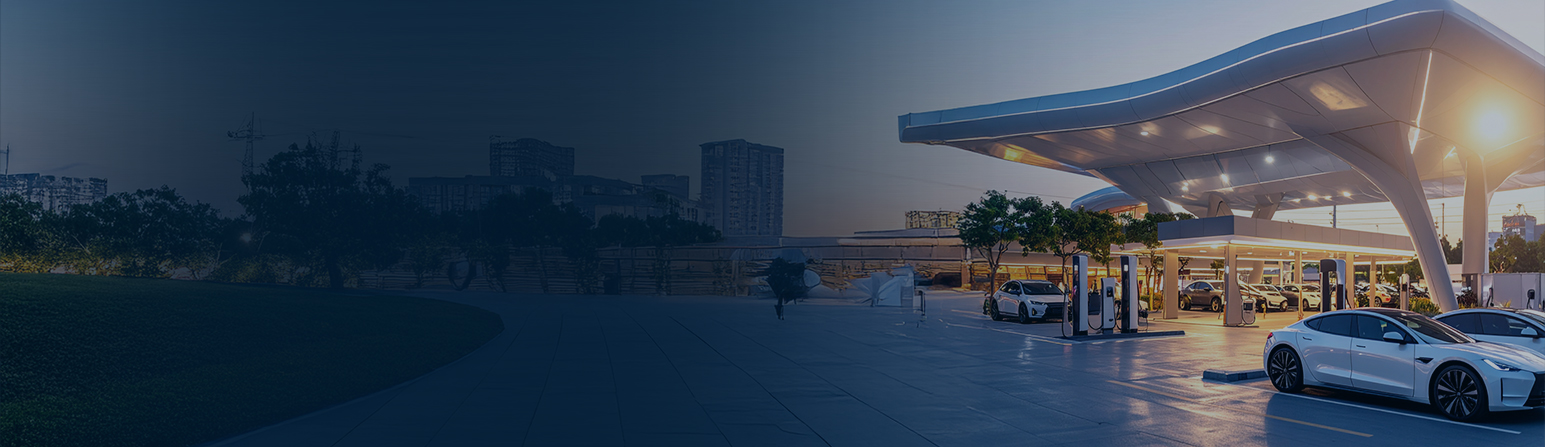
The Future of the Forecourt: Reinventing the Fuel Station for an Electric Era
As electric vehicles go mainstream, the traditional fuel station—or forecourt—is undergoing one of the most significant transformations in its 100-year history. No longer just a pit stop for petrol or diesel, tomorrow’s forecourts are being reimagined as multi-purpose mobility hubs, combining fast-charging, convenience retail, and digital experiences.
MarketsandMarkets projects strong growth in EV charging infrastructure, with the global EV charging station market expected to reach USD 76.9 billion by 2027. This has direct implications for the evolution of forecourts, especially in urban and highway locations where range anxiety and charging convenience can make or break the EV ownership experience.
So, what’s changing—and why does it matter?
- From Pumps to Plugs: Fuel dispensers are making room for high-speed DC chargers. Oil giants like Shell, BP, and TotalEnergies are investing billions in retrofitting their networks with EV charging points, targeting both individual users and fleet operators.
- More Than Just Charging: Unlike a quick five-minute refuel, EV charging typically takes 15–30 minutes. That dwell time opens up opportunities for forecourts to offer premium coffee, co-working spaces, or retail pop-ups. Some are even integrating parcel lockers and grocery pick-up counters.
- Energy Management and Onsite Generation: Many forecourts are now looking at solar panels, battery storage, and smart energy management systems to handle load balancing and reduce grid dependency—especially during peak hours.
- Digital Layers: Apps now guide drivers to the nearest charger, estimate waiting times, and even offer loyalty points for choosing specific charging networks. The user experience is increasingly shaped by software and real-time data.
- Fleet-Focused Services: With the rise of electric delivery vans and last-mile fleets, some forecourts are doubling as charging depots, offering subscription models, maintenance services, and route optimization tools.
The shift isn’t just about installing chargers—it’s about rethinking the forecourt’s role in a world where fuel is digital, customer expectations are higher, and energy flows both ways. The most successful players will be those who treat the forecourt not as a relic of the combustion era, but as a platform for future mobility.
80% of the Forbes Global 2000 B2B companies rely on MarketsandMarkets to identify growth opportunities in emerging technologies and use cases that will have a positive revenue impact.
- Food Packaging Market Size Set for Strong Growth Through 2030 Amid Rising Demand for Convenience Foods
- Mulch Films Market: Driving Sustainable Agriculture Through Innovation
- Agricultural Adjuvants Market Analysis, Trends, and Growth Outlook (2026–2031)
- Crop Protection Chemical Market Size, Share & Growth Forecast (2025–2030)
- Japan Enterprise Asset Management Market Growth: AI and Smart Infrastructure Drive Demand

