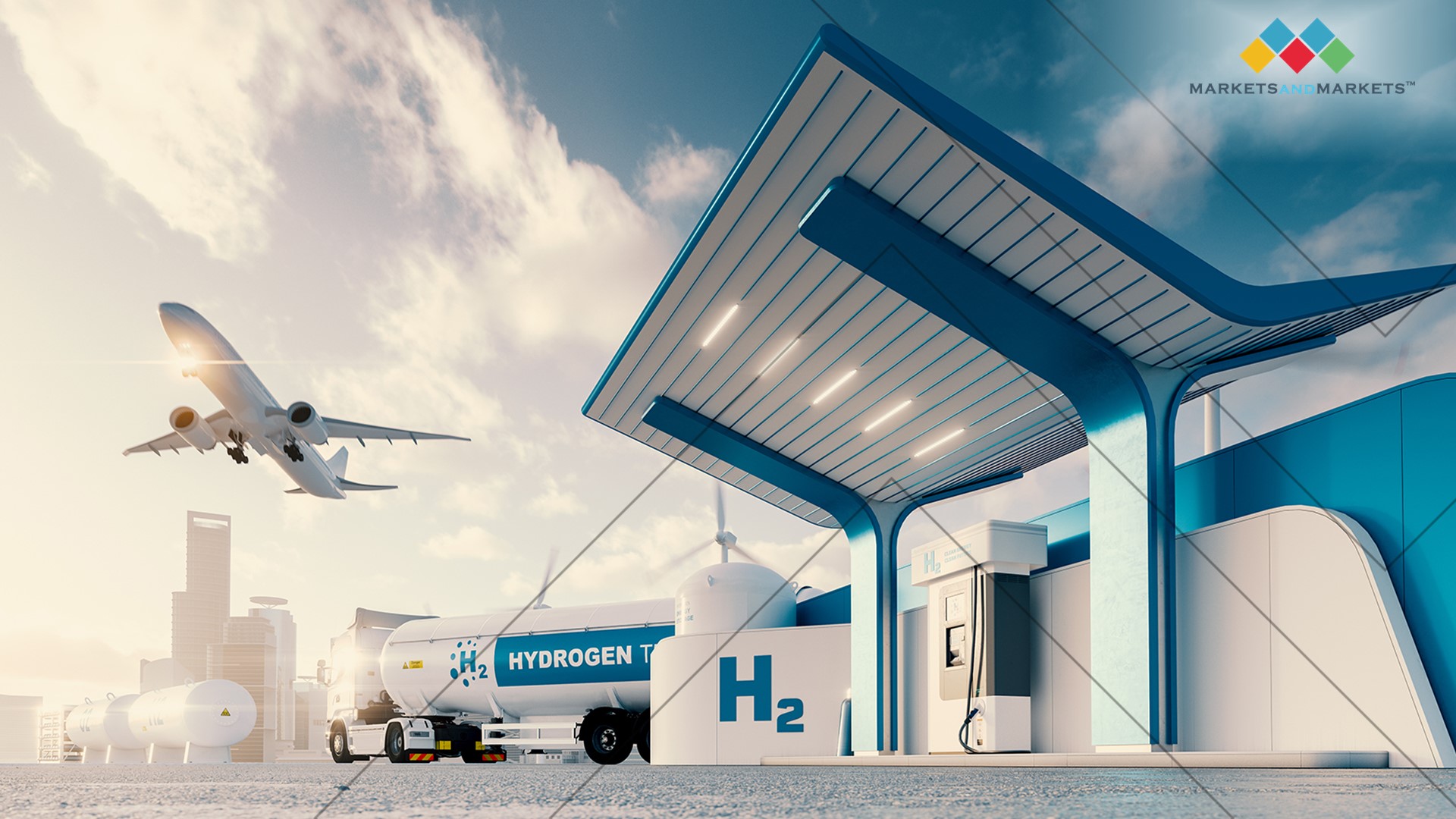
Hydrogen Fueling Station Market: Powering the Clean Mobility Revolution
The global hydrogen fueling station market is poised for dynamic expansion as zero-emission mobility and climate goals accelerate investment in supporting infrastructure. Drawing exclusively from MarketsandMarkets data, this executive article explores the latest growth drivers, competitive landscape, strategic recommendations, and GTM priorities for B2B decision-makers in the hydrogen fueling station sector.
Executive Summary
- The hydrogen fueling station market is projected to grow from $1.01 billion in 2025 to $2.76 billion by 2035, at a robust CAGR of 10.6%, fueled by decarbonization initiatives and the deployment of fuel cell electric vehicles (FCEVs).
- Asia Pacific will remain the top regional market driven by large-scale FCEV adoption and progressive government policy frameworks.
- Government incentives, public–private partnerships, and cost-sharing models are propelling rapid infrastructure expansion and innovation across the value chain.
- High-pressure fueling stations and on-site production using renewables are becoming dominant technology segments, enhancing energy efficiency and safety.
- Major players include Linde PLC, Air Liquide, Air Products & Chemicals, Chart Industries, and HYDROGEN REFUELING SOLUTIONS SA, with tiered strengths across regions and technologies.
| Metric | 2025 Estimate | 2035 Forecast | CAGR (2025–2035) | Segmentation |
|---|---|---|---|---|
| Market Size | $1.01 billion | $2.76 billion | 10.6% |
Region:
|
| Technology |
|
|
N/A | N/A |
| Applications |
|
|
N/A | N/A |
Go to Market Insights
- Strategic alliances and contracts with OEMs, energy utilities, and government agencies are essential for scaling infrastructure and securing market share.
- Focus efforts in Asia Pacific (especially Japan and South Korea) for rapid deployment and policy alignment.
- Invest in on-site hydrogen production leveraging renewables and modular system design; seek government incentives for decentralized energy solutions.
- Prioritize safety, regulatory compliance, and high-pressure system reliability to build user and stakeholder trust in new installations.
- Participate in public–private partnerships and co-investment schemes to mitigate capital requirements and accelerate network growth.
Key Growth Drivers
- Zero-Emission Vehicle Demand: Increasing interest in FCEVs due to strict emission regulations and environmental concerns sharply boosts station deployment, as these vehicles promise significant reductions in urban air pollution and support climate goals.
- Government Incentives & Policy Support: Global governments provide tax breaks, grants, subsidies, and major investments for station infrastructure, which diffuse hydrogen technology and accelerate adoption.
- Technological Innovation: Advances in compression, dispensing, and storage systems—along with high-pressure refueling—improve fueling speed, operational safety, reliability, and cost-effectiveness.
- Private & Public Investment: Both public and private capital is mobilizing to build new stations; contracts, agreements, and partnerships offer lucrative growth opportunities for market participants.
- On-Site Production & Renewable Integration: Incentives for local, on-site hydrogen production using solar or wind enable scalable, sustainable, and safer solutions, reducing transportation risk and supporting decentralized energy strategies.
- Energy Security Strategies: Global regions, especially Asia Pacific, are integrating hydrogen infrastructure into wider energy security and diversification frameworks.
Fixed hydrogen stations and high-pressure refueling systems are projected to capture the largest market share due to reliability and the ability to serve commercial and passenger fleets; on-site production using renewables is increasingly incentivized for safety and efficiency.
Download PDF Brochure: https://www.marketsandmarkets.com/pdfdownloadNew.asp?id=205206436
Regional Spotlight:
Asia Pacific stands as the regional spotlight in the hydrogen fueling station market, leading both in station deployment and fuel cell electric vehicle (FCEV) adoption. This region benefits from robust government support, progressive policy frameworks, and aggressive decarbonization initiatives. Countries such as Japan and South Korea serve as hubs for technical innovation, with leading automotive manufacturers—like Toyota, Hyundai, and Honda—actively driving market growth through strategic investments and R&D.
- The region commands the largest market share for hydrogen fueling stations through 2035, propelled by large-scale FCEV rollouts and public–private partnerships.
- Comprehensive national strategies and hundreds of government-supported hydrogen plants underpin infrastructure growth, addressing both urban pollution and energy security.
- Regional emphasis on high-pressure fueling and on-site hydrogen production maximizes efficiency and aligns with safety regulations, further reinforcing Asia Pacific's dominance.
Leading Players and Competitive Landscape
- Air Liquide (France)
- Linde PLC (Ireland)
- Air Products and Chemicals, Inc. (US)
- Nel (Norway)
- MAXIMATOR Hydrogen GmbH (Germany)
- HYDROGEN REFUELING SOLUTIONS SA (France)
Key Takeaways
- The market opportunity is significant, driven by policy support, robust demand for FCEVs, and sustainability-focused investment.
- Risks include high upfront costs, complexity of regulatory standards, and uncertainty in FCEV fleet deployment.
- Next moves for B2B stakeholders: form joint ventures, leverage incentives, embrace scalable technology platforms, and ensure alignment with global safety standards for hydrogen infrastructure.
80% of the Forbes Global 2000 B2B companies rely on MarketsandMarkets to identify growth opportunities in emerging technologies and use cases that will have a positive revenue impact.
- Food Packaging Market Size Set for Strong Growth Through 2030 Amid Rising Demand for Convenience Foods
- Mulch Films Market: Driving Sustainable Agriculture Through Innovation
- Agricultural Adjuvants Market Analysis, Trends, and Growth Outlook (2026–2031)
- Crop Protection Chemical Market Size, Share & Growth Forecast (2025–2030)
- Japan Enterprise Asset Management Market Growth: AI and Smart Infrastructure Drive Demand