
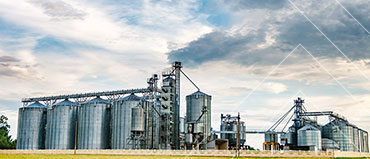
Global Agriculture Storage Systems Market Poised for Strong Growth by 2030
The agriculture storage systems market is on a strong growth path. According to a recent research report by MarketsandMarkets, the market is valued at USD 5.09 billion in 2025 and is projected to reach USD 6.53 billion by 2030, growing at a CAGR of 5.1%. This expansion reflects the global need for efficient grain storage, food security, and advanced post-harvest management solutions.
Why Storage Systems Matter More Than Ever
The National Academy for Agricultural Sciences, India highlights how effective storage facilities are crucial in reducing Food Loss and Waste (FLW). With rising global food demand, the need for:
- Efficient on-farm operations through technology,
- Expansion of cold chain systems,
- Use of modern metal silos, and
- Enhanced transport and logistics,
is greater than ever. These measures ensure harvested crops retain their nutritional and economic value from farm to market.
As the global population rises, the agriculture storage systems market size will continue expanding. Agricultural silos—particularly flat bottom and steel silos—are set to play a pivotal role in reducing food loss, improving supply chains, and strengthening food security worldwide.
Flat Bottom Silos Lead the Way
Among silo types, flat bottom silos dominate the global market. Their popularity comes from their cost-effectiveness and ability to preserve grain quality over long periods. With storage capacity ranging from 250 T to 20,000 T, they serve as a convenient solution for both short- and long-term storage of grains, oilseeds, and free-flowing materials. Compared to conical silos, flat bottom silos offer a lower storage cost—making them a preferred choice worldwide.
Get Custom Data to Solve Your Business Challenges
Steel Silos: The Strongest Player
When it comes to construction materials, metal/steel silos hold a significant market share. Steel’s durability, resistance to environmental stress, and ease of modular assembly make it ideal for agricultural storage. Galvanized steel silos are particularly valued for their protection against moisture, wind, and temperature fluctuations—critical for regions with high seasonal yields. Countries like the US, Canada, Ukraine, and Brazil rely heavily on steel silos for storing large volumes of corn, soybeans, wheat, and other grains.
Asia Pacific: Fastest-Growing Region
The Asia Pacific region is emerging as the fastest-growing market for agricultural silos and storage systems. Rapid population growth, urbanization, and rising grain production are fueling demand. In 2023 alone, the region produced 1.2 billion metric tons of grain, with rice and maize leading the way. However, post-harvest losses of 20–30% in countries like India underscore the urgent need for modern storage solutions. Steel silos, especially flat bottom types for long-term storage and hopper silos for exports, are becoming vital for ensuring food security across the region.
Key Players Driving Innovation
The agriculture storage systems industry features several major players innovating in silo technology, including:
- SUKUP MANUFACTURING CO. (US)
- AGI (Canada)
- MySilo (Turkey)
- Prado Silos (Spain)
- SYMAGA (Spain)
- TSC SILOS (Netherlands)
- Bentall Rowlands (UK)
- SRON SILO ENGINEERING CO. (China)
- M.I.P Group (Belgium)
These agriculture storage systems companies are pushing advancements in design, materials, and integrated storage systems, ensuring greater efficiency and scalability for farmers and industries alike.
Frequently Asked Questions (FAQs)
- What factors are driving growth in the agriculture storage systems market?
- Which silo type holds the largest share in the global market?
- Why are steel silos widely preferred in grain storage?
- What role does Asia Pacific play in the agriculture storage systems industry?
- How does the agriculture storage systems market size impact global food security?
- Which are the leading agriculture storage systems companies worldwide?
- What technological innovations are shaping the future of grain storage systems?
- How do flat bottom silos differ from hopper silos in terms of application?
- What challenges does the agriculture storage systems industry face in emerging markets?
- How are post-harvest losses influencing demand for modern silos?
80% of the Forbes Global 2000 B2B companies rely on MarketsandMarkets to identify growth opportunities in emerging technologies and use cases that will have a positive revenue impact.
- Food Packaging Market Size Set for Strong Growth Through 2030 Amid Rising Demand for Convenience Foods
- Crop Protection Chemical Market Size, Share & Growth Forecast (2025–2030)
- Mulch Films Market: Driving Sustainable Agriculture Through Innovation
- Agricultural Adjuvants Market Analysis, Trends, and Growth Outlook (2026–2031)
- Japan Enterprise Asset Management Market Growth: AI and Smart Infrastructure Drive Demand

