
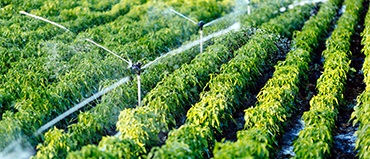
Asia Pacific Microirrigation Systems Market Size, Share, and Growth Outlook 2030
The Asia Pacific microirrigation systems market is experiencing significant growth as the agricultural sector increasingly adopts efficient irrigation technologies to address water scarcity, climate variability, and rising food demand. The market is projected to grow from USD 6.76 billion in 2025 to USD 11.43 billion by 2030, registering a compound annual growth rate (CAGR) of 11.1% during the forecast period.
Across the Asia Pacific, microirrigation is no longer viewed as an optional agricultural upgrade. Instead, it has become an essential component of modern farming systems. With rainfall patterns becoming increasingly unpredictable and groundwater extraction facing stricter regulations, farmers are under pressure to maximize water efficiency while maintaining stable crop yields. As a result, irrigation planning has evolved into a long-term strategic decision that directly impacts farm productivity, sustainability, and profitability.
This shift toward efficient water management is driving the widespread adoption of microirrigation technologies, such as drip irrigation systems and microsprinklers, particularly in regions with limited water resources and where agricultural productivity must be sustained.
What Is Microirrigation and Why Is It Important?
Microirrigation refers to irrigation techniques that deliver water directly to plant roots in small, controlled quantities. Unlike traditional flood irrigation methods, which often waste large volumes of water through evaporation and runoff, microirrigation systems provide precise water application, improving efficiency and reducing resource consumption.
Common microirrigation systems include:
- Drip irrigation systems
- Microsprinkler irrigation systems
- Microjets and bubblers
These technologies allow farmers to control water distribution more accurately, ensuring that crops receive the required amount of moisture without over-irrigation.
In the Asia Pacific region, microirrigation is becoming critical for several reasons:
- Water scarcity in major agricultural regions
- Climate change and irregular rainfall patterns
- Increasing energy costs associated with irrigation
- Growing demand for high-value crops
- Government policies encouraging water-efficient agriculture
As these pressures intensify, farmers are increasingly adopting microirrigation solutions to ensure sustainable agricultural production.
Download PDF Brochure: https://www.marketsandmarkets.com/pdfdownloadNew.asp?id=40679376
Climate Change and Water Scarcity Driving Adoption
Agriculture in Asia Pacific is heavily dependent on irrigation due to the variability of monsoon rainfall and the uneven distribution of water resources across the region. Many agricultural areas are experiencing declining groundwater levels, increased drought frequency, and higher competition for water from industrial and urban sectors.
In response, farmers are turning to microirrigation systems that allow them to manage water resources more efficiently. These systems help reduce water wastage while improving crop health and productivity.
By delivering water directly to the root zone, microirrigation provides several key benefits:
- Higher water-use efficiency
- Improved nutrient uptake through fertigation
- Reduced soil erosion and nutrient runoff
- Lower energy consumption for pumping water
- Better crop yields and quality
For many growers in Asia Pacific, especially those producing fruits, vegetables, and plantation crops, microirrigation has become a crucial tool for maintaining productivity under increasingly uncertain climate conditions.
Microsprinklers Emerging as the Fastest-Growing Segment
Among the various microirrigation technologies available, microsprinklers are expected to be the fastest-growing segment in the Asia Pacific microirrigation systems market between 2025 and 2030.
Microsprinkler systems distribute water over a wider area compared to traditional drip irrigation systems. This makes them particularly suitable for crops that require broader soil moisture coverage.
Key advantages of microsprinkler systems include:
- Uniform water distribution across the root zone
- Better suitability for orchards and plantations
- Adaptability across different soil types and terrains
- Ability to create beneficial microclimates for crops
These systems are widely used in orchards, vineyards, plantations, nurseries, and horticulture operations, where maintaining consistent soil moisture is essential for plant growth.
Microsprinklers are also valuable for crop cooling and frost protection, especially in regions experiencing extreme temperatures.
Recent technological advancements have further enhanced microsprinkler performance. Innovations such as pressure-compensated emitters, clog-resistant nozzles, and low-flow designs have improved system durability and water efficiency.
As farmers increasingly cultivate high-value perennial crops and horticultural produce, demand for microsprinkler systems is expected to continue rising across Asia Pacific.
Request Sample Pages: https://www.marketsandmarkets.com/requestsampleNew.asp?id=40679376
China Leading the Asia Pacific Microirrigation Market
China holds the largest share of the Asia Pacific microirrigation systems market, primarily due to the country's strong dependence on irrigation for agricultural production.
Agriculture accounts for a significant portion of China’s total water consumption. However, water resources in the country are unevenly distributed, with northern and western regions experiencing severe water shortages.
Several factors are driving the adoption of microirrigation technologies in China:
- Declining groundwater levels
- Increasing drought frequency
- Rising water-use regulations
- Expanding production of water-intensive crops
Major agricultural regions such as Xinjiang, Inner Mongolia, Hebei, Shandong, Henan, and Gansu are increasingly implementing microirrigation systems to improve water efficiency.
These regions produce large volumes of cotton, fruits, vegetables, grapes, and greenhouse crops, all of which benefit significantly from precise irrigation systems.
Microirrigation technologies enable farmers to deliver water directly to crop roots, ensuring stable yields while reducing water and energy consumption.
Competitive Landscape: Key Companies in the Market
The Asia Pacific microirrigation systems market is highly competitive, with several global companies and regional manufacturers operating in the industry.
Leading Asia Pacific Microirrigation Systems Companies:
- Netafim
- The Toro Company
- Rivulis
- Rain Bird Corporation
- Mahindra EPC
These companies offer a wide range of microirrigation products, including drip irrigation systems, microsprinklers, filtration systems, and irrigation automation technologies.
In addition to major industry players, several small and medium-sized enterprises (SMEs) are also active in the market. These companies often focus on regional distribution networks and customized irrigation solutions.
Notable SMEs operating in the Asia Pacific microirrigation market include:
- Drip Irrigation Technology Solutions (DRTS)
- Kothari Agritech Private Limited
- Harvel Agua India Private Limited
- Hubei Plefentrain Irrigation Equipment Ltd (China)
- Ripple Aquaplast Ltd
- Metro Irrigation
These companies contribute to market expansion by offering cost-effective irrigation systems tailored to local farming conditions.
Make an Inquiry: https://www.marketsandmarkets.com/Enquiry_Before_BuyingNew.asp?id=40679376
Future Outlook for the Asia Pacific Microirrigation Systems Market
The outlook for the Asia Pacific microirrigation systems market remains highly positive. Rising concerns about water scarcity, increasing demand for food production, and the need for climate-resilient agriculture will continue driving adoption of efficient irrigation technologies.
Over the coming years, several trends are expected to shape the market:
- Expansion of precision agriculture technologies
- Increasing adoption of smart irrigation systems
- Growth in high-value crop cultivation
- Government programs promoting water conservation
- Greater integration of digital monitoring and automation
As agriculture in Asia Pacific becomes more technology-driven, microirrigation systems will play an increasingly critical role in ensuring sustainable and efficient food production.
With strong demand from farmers, supportive government policies, and continuous technological innovation, the Asia Pacific microirrigation systems market is set to remain one of the fastest-growing segments in the global agricultural technology industry.
80% of the Forbes Global 2000 B2B companies rely on MarketsandMarkets to identify growth opportunities in emerging technologies and use cases that will have a positive revenue impact.
- Food Packaging Market Size Set for Strong Growth Through 2030 Amid Rising Demand for Convenience Foods
- Mulch Films Market: Driving Sustainable Agriculture Through Innovation
- Agricultural Adjuvants Market Analysis, Trends, and Growth Outlook (2026–2031)
- Crop Protection Chemical Market Size, Share & Growth Forecast (2025–2030)
- Japan Enterprise Asset Management Market Growth: AI and Smart Infrastructure Drive Demand

Emerging Trends and Growth Opportunities in the Asia Pacific Microirrigation Systems Market
For In-depth Analysis on Asia Pacific Microirrigation Systems Market
