
Controlled-Release Fertilizers Market Size, Share & Growth Analysis (2025–2030)
The global controlled-release fertilizers market is witnessing strong momentum as agriculture shifts toward sustainable and precision-based farming practices. According to industry projections, the market is expected to grow from USD 2.54 billion in 2025 to USD 3.41 billion by 2030, registering a CAGR of 6.1% during the forecast period.
The increasing demand for higher agricultural productivity, rising concerns about nutrient losses from conventional fertilizers, and the adoption of environmentally sustainable farming methods are among the primary factors driving market expansion. Controlled-release fertilizers (CRFs) are increasingly becoming an essential component of modern crop nutrition strategies due to their ability to deliver nutrients gradually over time, improving nutrient uptake efficiency while reducing environmental impact.
What Are Controlled-Release Fertilizers?
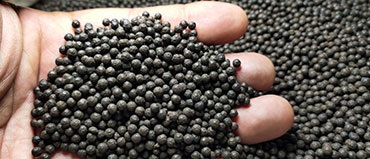
Controlled-release fertilizers are advanced nutrient formulations designed to release nutrients slowly and steadily over a specific period. Unlike traditional fertilizers that release nutrients immediately after application, CRFs synchronize nutrient availability with crop growth stages, ensuring efficient nutrient utilization and minimizing wastage.
These fertilizers are commonly coated with polymer, sulfur, or biodegradable materials that regulate nutrient release based on soil moisture, temperature, and microbial activity. CRFs are widely used across cereals, fruits, vegetables, turf, ornamentals, and plantation crops.
Their growing popularity stems from several agronomic and economic benefits, including:
- Improved nutrient use efficiency
- Reduced fertilizer application frequency
- Enhanced crop yield and quality
- Lower nutrient leaching and volatilization
- Reduced environmental pollution
- Better soil health management
As global agriculture faces increasing pressure to produce more food sustainably, CRFs are emerging as a key solution for precision nutrient management.
Download PDF Brochure: https://www.marketsandmarkets.com/pdfdownloadNew.asp?id=136099624
Key Factors Driving the Controlled-Release Fertilizers Market
Rising Demand for Higher Crop Yields
Global food demand continues to increase due to rapid population growth and shrinking arable land availability. Farmers are under constant pressure to maximize productivity while minimizing input costs. Controlled-release fertilizers help optimize nutrient delivery, enabling crops to absorb nutrients more effectively over longer periods.
By providing a steady nutrient supply, CRFs support uniform crop growth, improve root development, and enhance overall productivity, making them highly attractive for large-scale farming operations.
Growing Focus on Sustainable Agriculture
Environmental concerns related to excessive fertilizer usage are significantly influencing agricultural practices worldwide. Conventional fertilizers often contribute to:
- Soil degradation
- Groundwater contamination
- Nutrient runoff
- Greenhouse gas emissions
Controlled-release fertilizers help mitigate these issues by minimizing nutrient losses and improving nutrient retention in soil. Governments and regulatory authorities across various regions are increasingly encouraging the adoption of sustainable nutrient management practices, further accelerating CRF demand.
Technological Advancements in Fertilizer Formulations
Continuous innovations in fertilizer coating technologies are enhancing the effectiveness of controlled-release fertilizers. Manufacturers are developing:
- Polymer-coated fertilizers
- Sulfur-coated fertilizers
- Biodegradable coatings
- Multi-nutrient formulations
These advanced technologies improve nutrient release precision and expand the applicability of CRFs across different climatic conditions and crop types.
Adoption of Precision Agriculture
Precision agriculture technologies are transforming nutrient management practices globally. Farmers are increasingly using data-driven tools such as GPS mapping, sensors, and variable-rate application systems to optimize fertilizer use.
Controlled-release fertilizers complement precision farming by ensuring consistent nutrient availability and reducing nutrient wastage, thereby improving operational efficiency and profitability.
Long-Term Cost Benefits
Although CRFs generally involve higher upfront costs compared to conventional fertilizers, they offer substantial long-term savings by:
- Reducing labor costs
- Lowering application frequency
- Improving crop performance
- Minimizing nutrient losses
These economic advantages are encouraging broader adoption among commercial growers and high-value crop producers.
Request Sample Pages: https://www.marketsandmarkets.com/requestsampleNew.asp?id=136099624
Nitrogen Stabilizers Hold a Significant Market Share
By type, nitrogen stabilizers account for a significant share of the global controlled-release fertilizers market due to their critical role in improving nitrogen efficiency and minimizing environmental losses.
Nitrogen stabilizers include:
- Urease inhibitors
- Nitrification inhibitors
These additives slow down nitrogen conversion processes in the soil, allowing plants to absorb nutrients more gradually and effectively.
Benefits of Nitrogen Stabilizers
Nitrogen-stabilized fertilizers provide several advantages, including:
- Reduced nitrogen volatilization
- Lower nutrient leaching
- Improved soil fertility
- Enhanced crop productivity
- Reduced environmental pollution
These benefits are especially important for high-value crops and large-scale agricultural operations where nutrient efficiency directly impacts profitability.
Sustainability and Regulatory Support
Governments and environmental agencies are increasingly implementing regulations aimed at reducing nitrogen runoff and greenhouse gas emissions. This has accelerated the adoption of nitrogen stabilizers within controlled-release fertilizer formulations.
Leading market participants are actively integrating nitrogen stabilization technologies into their product portfolios to meet sustainability goals while maintaining high agricultural productivity.
Major companies involved in this segment include:
- ICL
- Nutrien Ltd.
- SQM
- Yara International
As awareness regarding nutrient efficiency grows among farmers, nitrogen-stabilized CRFs are expected to maintain strong market demand throughout the forecast period.
Make an Inquiry: https://www.marketsandmarkets.com/Enquiry_Before_BuyingNew.asp?id=136099624
Time-Release Systems Dominate the Functional Segment
Why Time-Release Systems Lead the Market
By function, time-release systems hold the largest share in the controlled-release fertilizers market due to their ability to deliver nutrients consistently over extended periods.
These systems primarily include:
- Polymer-coated fertilizers
- Matrix-based nutrient delivery systems
Time-release fertilizers are specifically engineered to synchronize nutrient release with crop nutrient uptake patterns, minimizing losses caused by:
- Leaching
- Runoff
- Volatilization
Advantages of Time-Release Fertilizers
Farmers increasingly prefer time-release CRFs because they offer:
- Improved nutrient efficiency
- Reduced application frequency
- Higher crop yields
- Better crop quality
- Enhanced convenience
- Lower operational costs
Their versatility makes them suitable for a wide range of agricultural applications, including cereals, fruits, vegetables, horticulture, and plantation crops.
Innovation Driving Market Leadership
Continuous innovation in biodegradable coatings and multi-nutrient formulations is further strengthening the dominance of time-release systems. Manufacturers are focusing on environmentally friendly technologies that improve fertilizer efficiency while reducing ecological impact.
As sustainable agriculture becomes a global priority, time-release systems are expected to remain a cornerstone of modern nutrient management strategies.
North America Leads the Controlled-Release Fertilizers Market
North America currently holds the largest share of the controlled-release fertilizers market due to its advanced agricultural ecosystem and widespread adoption of precision farming technologies.
The region benefits from:
- Extensive farmland
- Mechanized farming systems
- Strong R&D capabilities
- High awareness of sustainable agriculture
- Advanced crop management practices
Farmers across the United States and Canada increasingly prioritize nutrient efficiency and environmental sustainability, driving demand for controlled-release fertilizers.
Precision Agriculture Accelerating Adoption
The integration of precision agriculture technologies has significantly strengthened the CRF market in North America. Data-driven nutrient management systems enable farmers to optimize fertilizer application, reduce wastage, and maximize crop performance.
Large-scale farming operations particularly benefit from CRFs due to:
- Reduced labor requirements
- Lower operational costs
- Consistent crop growth
- Improved nutrient management
- Presence of Major Industry Players
The region also benefits from the strong presence of leading fertilizer manufacturers with well-established distribution networks and ongoing investment in product innovation.
Key companies operating in the North American CRF market include:
- The Mosaic Company
- ScottsMiracle-Gro
- Koch Industries
- Helena Agri-Enterprises
Strategic initiatives such as facility expansions, partnerships, and new product launches continue to reinforce North America's dominant position in the global market.
Get 10% Free Customization on this Report: https://www.marketsandmarkets.com/requestCustomizationNew.asp?id=136099624
Competitive Landscape of the Controlled-Release Fertilizers Market
The controlled-release fertilizers market is highly competitive, with leading players focusing on:
- Product innovation
- Sustainable fertilizer technologies
- Geographic expansion
- Strategic collaborations
- Precision agriculture integration
Major companies profiled in the market include:
- Yara International
- Nutrien Ltd.
- The Mosaic Company
- ICL
- Nufarm
- Kingenta Ecological Engineering Group
- ScottsMiracle-Gro
- Koch Industries
- Helena Agri-Enterprises
- SQM
- Haifa Group
- JCAM AGRI Co., Ltd.
- COMPO EXPERT
- The Andersons, Inc.
- Van Iperen International
These companies are investing heavily in advanced coating technologies, biodegradable materials, and precision nutrient management solutions to strengthen their market presence and meet evolving agricultural demands.
Future Outlook of the Controlled-Release Fertilizers Market
The future of the controlled-release fertilizers market looks highly promising as global agriculture increasingly prioritizes sustainability, efficiency, and productivity.
Several trends are expected to shape future market growth, including:
- Rising adoption of precision agriculture
- Increasing demand for environmentally friendly fertilizers
- Expansion of high-value crop cultivation
- Development of biodegradable CRFs
- Greater regulatory focus on nutrient efficiency
- Technological advancements in nutrient delivery systems
As farmers seek solutions that balance productivity with environmental stewardship, controlled-release fertilizers are expected to play a central role in the evolution of modern agriculture.
80% of the Forbes Global 2000 B2B companies rely on MarketsandMarkets to identify growth opportunities in emerging technologies and use cases that will have a positive revenue impact.
- Food Packaging Market Size Set for Strong Growth Through 2030 Amid Rising Demand for Convenience Foods
- Mulch Films Market: Driving Sustainable Agriculture Through Innovation
- Agricultural Adjuvants Market Analysis, Trends, and Growth Outlook (2026–2031)
- Crop Protection Chemical Market Size, Share & Growth Forecast (2025–2030)
- Japan Enterprise Asset Management Market Growth: AI and Smart Infrastructure Drive Demand

Emerging Trends and Growth Opportunities in the Controlled-Release Fertilizers Market
For In-depth Analysis on Controlled-Release Fertilizers Market
