



Controlled-release Fertilizers Market
Report Code
AGI 2748
Published in
Jul, 2026, By MarketsandMarkets™
Controlled-release Fertilizers Market by Type (Slow Release, Coated and Encapsulated, Nitrogen Stabilizers), Function (Temperature-Dependent, Water-Dependent, Time-Release), Product Tier, Mode of Application, End Use, and Region - Global Forecast to 2031

USD 3.61 BN
MARKET SIZE, 2031

CAGR 6.1%
(2026-2031)

350
REPORT PAGES

280
MARKET TABLES
OVERVIEW
Source: Secondary Research, Interviews with Experts, MarketsandMarkets Analysis
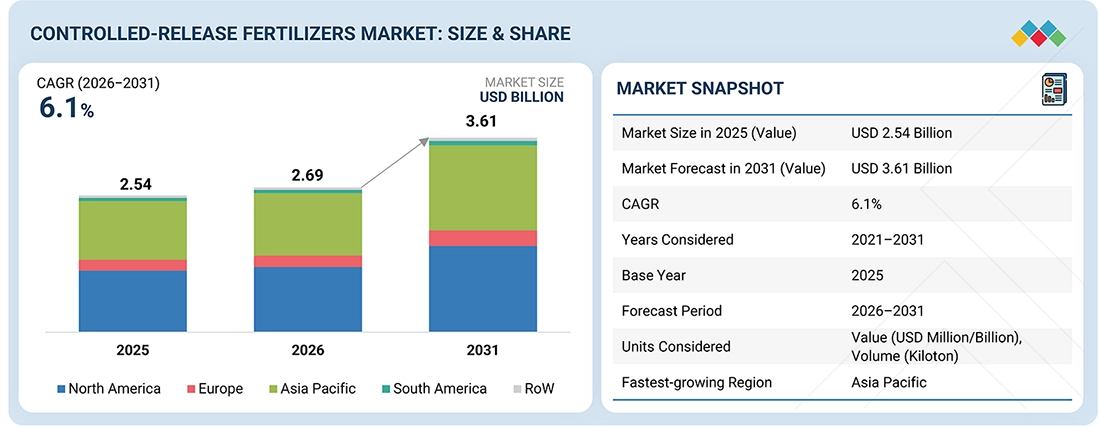
The market for controlled-release fertilizers is estimated to be USD 2.69 billion in 2026 and is projected to register a CAGR of 6.1%, reaching USD 3.61 billion by 2031. The use of controlled-release fertilizer products has increased globally, specifically in the Asia Pacific region.
Market Size and Forecast:
- Market Size Value in 2025: USD 2.54 Billion
- Market Size Value in 2026: USD 2.69 Billion
- Revenue Forecast in 2031: USD 3.61 Billion
- Growth Rate: CAGR of 6.1% from 2026 to 2031
- Data available from 2026 to 2031
- Base year: 2025
- Forecast period: 2026–2031
- Asia Pacific is projected to register the highest CAGR of 6.4% during the forecast period.
- Time-released systems are projected to hold the largest share of 40.1% in 2026
Key Market Trends and Insights
- By Type: Coated and encapsulated fertilizers, slow-release fertilizers, and nitrogen stabilizers are witnessing growing adoption as farmers increasingly focus on improving nutrient use efficiency, reducing nutrient losses, and enhancing crop productivity.
-
Growth Drivers: The market is driven by increasing demand for sustainable agriculture, improved fertilizer-use efficiency, reduced nutrient leaching and volatilization, and the growing adoption of precision farming practices that optimize crop nutrition while minimizing environmental impact.
- Growing Trends: Rising investments in advanced fertilizer coating technologies, increasing use of controlled-release fertilizers in high-value crops, labor savings through single-application fertilizers, and supportive government initiatives promoting environmentally responsible farming are accelerating market growth.
- Growth Opportunities: Expanding adoption of precision agriculture, increasing focus on sustainable crop production, innovations in polymer coating technologies, and growing demand for enhanced-efficiency fertilizers across developing agricultural economies are expected to create significant growth opportunities for the controlled-release fertilizers market.
KEY TAKEAWAYS
-
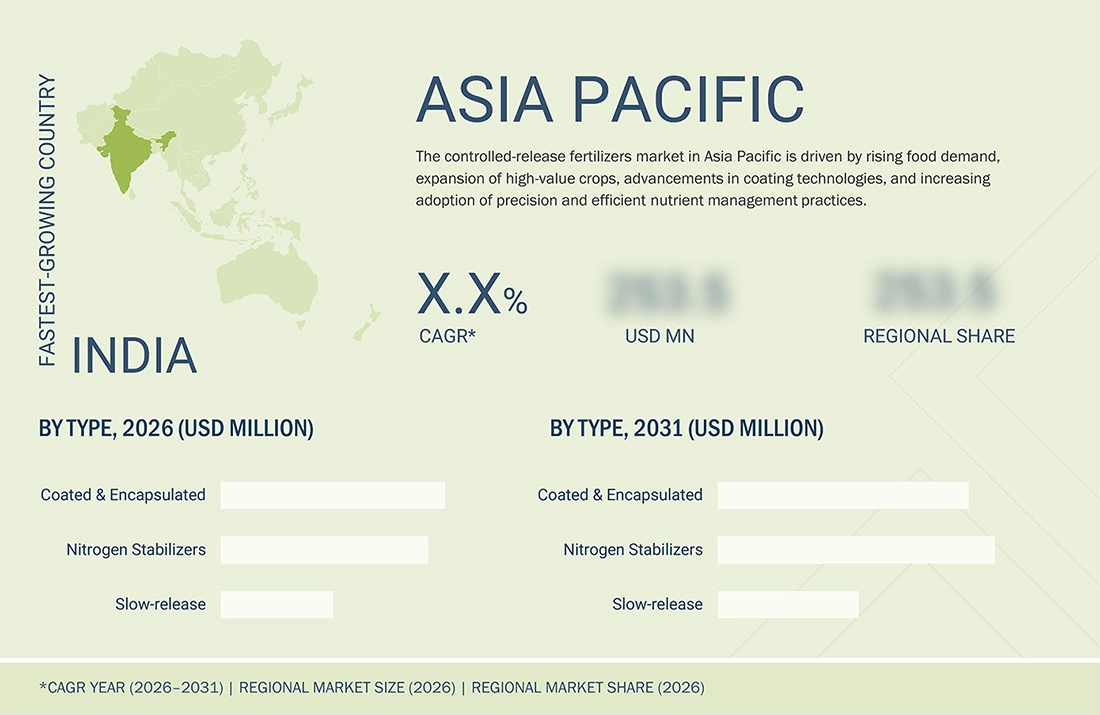
BY REGIONAsia Pacific is projected to register the highest CAGR of 6.4% during the forecast period, driven by rising food demand, government support for sustainable fertilizers, expansion of high-value crops, advancements in coating technologies, and increasing adoption of precision nutrient management practices.
-
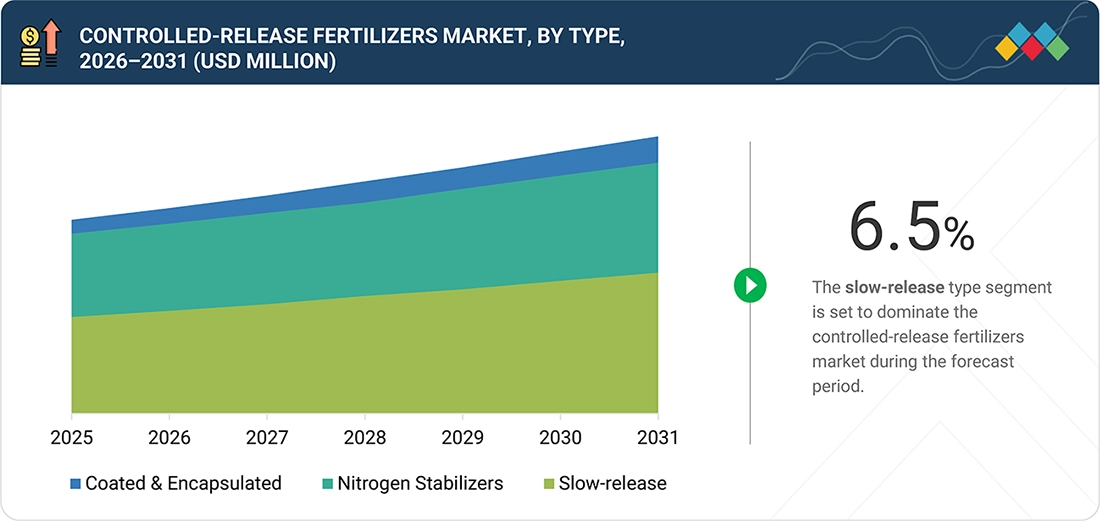
BY TYPECoated & encapsulated fertilizers are estimated to account for the largest market share of 41.3% in 2026, supported by their ability to improve nutrient use efficiency while reducing nutrient losses through leaching and volatilization.
-
BY FUNCTIONTime-released systems are projected to hold the largest share of 40.1% in 2026, owing to their ability to provide a consistent nutrient supply, improve crop productivity, and reduce fertilizer application frequency.
-
BY PRODUCT TIERBy product tier, advanced polymer/resin-coated fertilizers are expected to capture the largest share of 48.3% in 2026, driven by superior nutrient release control, higher efficiency, and broad adoption across multiple crop types.
-
BY MODE OF APPLICATIONSoil application is set to dominate with a 69.1% share in 2026, owing to its effective nutrient delivery, ease of application, and compatibility with precision farming practices.
-
BY END USEIn terms of end use, the non-agriculture segment is expected to hold the largest share of 61.6% in 2026, supported by extensive demand from turf management, landscaping, golf courses, nurseries, and ornamental horticulture.
-
COMPETITIVE LANDSCAPE - KEY PLAYERSThe market is moderately consolidated, with leading players including Yara International, Nutrien Ltd., ICL Group, Haifa Group, Kingenta Ecological Engineering, Koch Agronomic Services, SQM, and The Scotts Miracle-Gro Company. Competition is centered on coating technology innovation, portfolio expansion, strategic partnerships, acquisitions, and new product launches to strengthen market presence and address the growing demand for sustainable nutrient management solutions.
-
COMPETITIVE LANDSCAPE - STARTUPS/SMESAllied Nutrients, Pursell Agri Tech LLC, ANBR, Parakh Agri Solutions, and Risso Chemicals have emerged as startups and SMEs in the market.
The global controlled-release fertilizers market is driven by the growing need to improve nutrient use efficiency, reduce fertilizer losses, and minimize environmental impact. Rising adoption of precision farming and sustainable agriculture practices, along with labor savings from single-application fertilizers, further supports market growth. Additionally, increasing demand for high-value crops, government initiatives promoting eco-friendly fertilizers, and advancements in coating technologies are boosting the adoption of controlled-release fertilizers worldwide.
TRENDS & DISRUPTIONS IMPACTING CUSTOMERS' CUSTOMERS
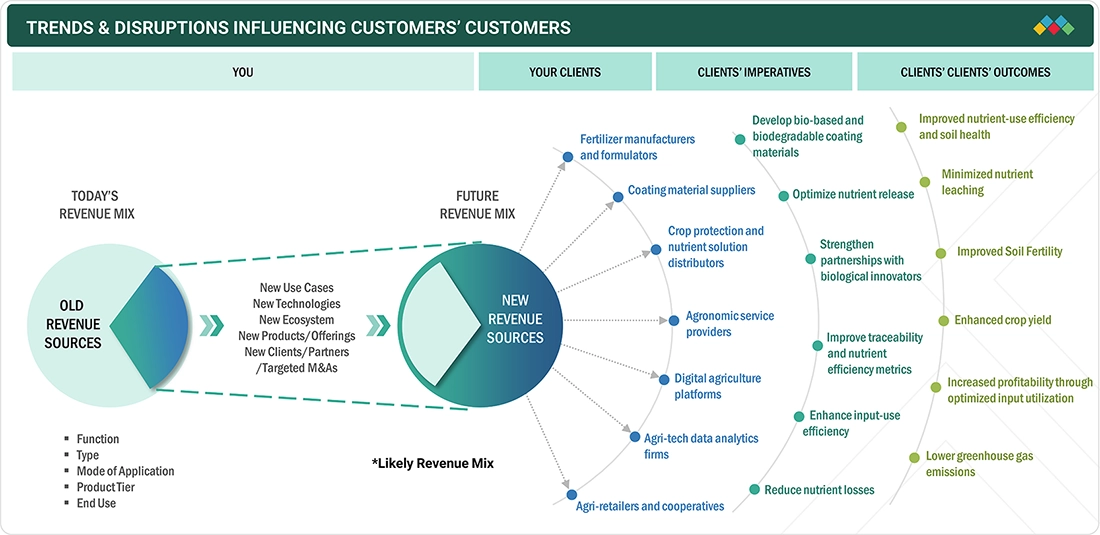
The controlled-release fertilizers market is expected to evolve beyond its current revenue base as companies expand into advanced coating technologies, precision nutrient management, and sustainable fertilizer solutions. Future growth will be driven by collaboration with fertilizer manufacturers, coating material suppliers, crop nutrition providers, agronomic service companies, digital agriculture platforms, agri-tech analytics firms, and retail distribution networks. Key strategic priorities include developing bio-based and biodegradable coatings, optimizing nutrient release, strengthening partnerships with biological solution providers, improving nutrient-use efficiency through data-driven insights, and minimizing nutrient losses. These advancements are expected to deliver higher nutrient-use efficiency, improved soil fertility and crop yields, lower greenhouse gas emissions, and increased profitability through optimized fertilizer utilization.
Source: Secondary Research, Interviews with Experts, MarketsandMarkets Analysis
MARKET DYNAMICS

Drivers
Impact
Level
Level
-
Rise in sustainable agriculture

-
Expansion of high-value crops requiring precise nutrient delivery


RESTRAINTS
Impact
Level
Level
-
High production costs compared to conventional fertilizers

-
Complex manufacturing process for coating and encapsulation materials


OPPORTUNITIES
Impact
Level
Level
-
Development of biodegradable and bio-based coating materials

-
Expansion into horticulture and specialty crop markets


CHALLENGES
Impact
Level
Level
-
Inconsistency and variable performance

-
Low farmer awareness in developing regions

Source: Secondary Research, Interviews with Experts, MarketsandMarkets Analysis
Driver: Rise in sustainable agriculture
The growing emphasis on sustainable agriculture has emerged as a key driver in the controlled-release fertilizers (CRF) market. Farmers and agribusinesses are increasingly adopting CRFs to enhance nutrient use efficiency, minimize leaching and volatilization losses, and reduce the environmental footprint of conventional fertilizers. These fertilizers release nutrients gradually in synchronization with crop uptake, supporting soil health and improving yields with fewer applications. As global policies and sustainability frameworks encourage eco-friendly farming inputs, CRFs are gaining prominence as part of integrated nutrient management practices. Moreover, rising concerns over groundwater contamination, greenhouse gas emissions, and resource efficiency have prompted governments and agricultural agencies to promote controlled-release formulations. This shift toward sustainable and precision-based fertilization, coupled with advancements in coating technologies using biodegradable polymers, is driving broader adoption of CRFs across field crops, horticulture, and turf applications, reinforcing their role in achieving long-term agricultural sustainability.
Restraint: High production costs compared to conventional fertilizers
One of the key restraints limiting the growth of the controlled-release fertilizers (CRFs) market is their relatively high production cost compared to conventional fertilizers. The manufacturing of CRFs involves advanced technologies such as polymer coating, sulfur coating, or polymer-sulfur combination processes, which require specialized raw materials, sophisticated machinery, and rigorous quality control measures. These factors significantly increase the overall production expenses, making CRFs more expensive for end-users, particularly small-scale farmers in developing regions. Additionally, the research and development costs associated with improving nutrient-release efficiency and coating durability further contribute to the higher pricing. While CRFs offer benefits such as reduced nutrient losses, labor savings, and environmental protection, their upfront cost remains a critical barrier to widespread adoption in price-sensitive markets. As a result, cost considerations often drive farmers and distributors to opt for conventional fertilizers, limiting the market penetration of controlled-release products despite their long-term agronomic advantages.
Opportunity: Development of biodegradable and bio-based coating materials
The development of biodegradable and bio-based coating materials presents a significant growth opportunity in the controlled-release fertilizers market. Traditional polymer-coated fertilizers, while effective, can contribute to environmental pollution due to their non-degradable nature. In response, manufacturers are increasingly investing in research to create coatings derived from renewable resources such as starch, cellulose, chitosan, and other natural polymers. These bio-based coatings not only ensure controlled nutrient release but also reduce the environmental footprint, aligning with the global push for sustainable agriculture. Regulatory support and growing awareness among farmers regarding soil health and eco-friendly practices further enhance adoption potential. Companies focusing on biodegradable coatings can differentiate their products, access premium segments like high-value horticulture and turf management, and capitalize on rising demand in regions with strict environmental regulations. This trend is expected to drive innovation, partnerships, and strategic investments, positioning bio-based controlled-release fertilizers as a key future growth segment.
Challenge: Inconsistency and variable performance
One of the key challenges facing the controlled-release fertilizers (CRFs) market is the inconsistency and variable performance of these products under diverse field conditions. The nutrient release rate of CRFs can be highly influenced by environmental factors such as soil temperature, moisture levels, pH, and microbial activity, leading to unpredictable crop responses in different regions. While polymer- or sulfur-coated fertilizers are designed to provide a steady nutrient supply, deviations in weather patterns or soil characteristics can result in under- or over-fertilization, reducing crop yield and farmer confidence. Moreover, variations in coating quality, thickness, and manufacturing standards among different suppliers can exacerbate performance inconsistency, particularly in emerging markets. This unpredictability challenges agronomists and farmers seeking precise nutrient management, potentially limiting adoption in large-scale agriculture. Addressing these issues requires continued investment in R&D to develop coatings and formulations that deliver more uniform and environment-adaptive nutrient release across diverse agricultural settings.
CONTROLLED-RELEASE FERTILIZERS MARKET: COMMERCIAL USE CASES ACROSS INDUSTRIES
| COMPANY | USE CASE DESCRIPTION | BENEFITS |
|---|---|---|
 |
Single-application controlled release fertilizer applied at planting for seed | Improved nutrient-use efficiency and lower N losses |
 |
Polymer-coated urea (ESN) sold and promoted through Nutrien’s distribution network for corn, cereals, oilseed and specialty crops | Maintains or improves yields while reducing total N applications or losses |
 |
Integrates controlled-release fertilizers into its crop programs to optimize nutrient timing and boost crop efficiency | Supports regenerative/sustainable agriculture goals |
 |
Offers enhanced-efficiency fertilizers and partners on nutrient and soil health solutions for sustainable crop growth | Improve nutrient-use efficiency |
 |
Polymer-coated CRFs provide months of steady nutrition in a single application for horticulture, nurseries, and plantations | Reduces transplant/seedling mortality and improves uniform establishment in nurseries/plantations |
Logos and trademarks shown above are the property of their respective owners. Their use here is for informational and illustrative purposes only.
MARKET ECOSYSTEM
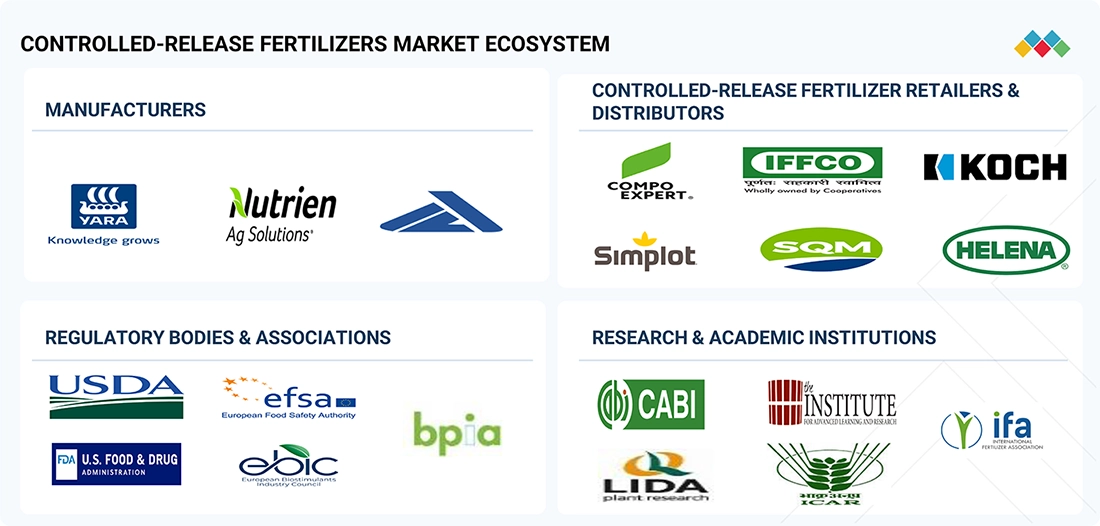
Some of the prominent companies in this market include well-established and financially sound manufacturers of controlled-release fertilizers. These companies have been operational in the market for more than a decade and have diversified portfolios, latest technologies, and excellent global sales and marketing networks. Some of the prominent companies in this market include Yara (Norway), Nutrien Ltd. (Canada), Mosaic (US), ICL (Israel), Nufarm (Australia), Kingenta (China), ScottsMiracle-Gro (US), and Koch Industries (US).
Logos and trademarks shown above are the property of their respective owners. Their use here is for informational and illustrative purposes only.
MARKET SEGMENTS
Source: Secondary Research, Interviews with Experts, MarketsandMarkets Analysis
Controlled-Release Fertilizers Market, By Type
The coated and encapsulated segment holds the largest share in the global controlled-release fertilizers market, driven by its superior nutrient management capabilities and wide applicability across high-value crops and non-agricultural uses. These fertilizers, which include polymer-coated, sulfur-coated, and polymer-sulfur-coated formulations, offer a controlled nutrient release that aligns with crop growth cycles, improving efficiency and reducing environmental losses such as leaching and volatilization. Their ability to provide single-application solutions makes them particularly attractive for labor-intensive applications like turf management, landscaping, and greenhouse cultivation. Advances in coating technologies have enhanced their performance, offering extended nutrient release periods and better adaptability to varying soil and climatic conditions. Additionally, government initiatives promoting sustainable agriculture and eco-friendly fertilizers have further accelerated adoption. Strong presence of global players, combined with ongoing R&D and partnerships for local distribution, reinforces the dominance of coated and encapsulated fertilizers in both agriculture and non-agriculture segments worldwide.
Controlled-Release Fertilizers Market, By Function
The time-released systems segment holds the largest share in the controlled-release fertilizers market due to its ability to deliver nutrients gradually over an extended period, improving crop nutrient uptake and minimizing losses from leaching and volatilization. These systems, which include polymer-coated, sulfur-coated, and polymer-sulfur-coated formulations, are widely adopted across high-value crops, turf, landscaping, and ornamental horticulture, where consistent nutrient supply is critical. Their effectiveness in reducing the frequency of fertilizer applications also lowers labor costs and enhances operational efficiency, making them highly attractive to both commercial growers and non-agricultural end users. Additionally, increasing awareness of environmental sustainability and government regulations promoting eco-friendly fertilizers have further driven the adoption of time-released systems. Leading market players invest heavily in research and development to optimize release profiles, improve coating technologies, and expand their product portfolios, reinforcing the dominance of time-released systems in the global controlled-release fertilizers market.
Controlled-Release Fertilizers Market, By Mode of Application
Fertigation holds the largest share in the controlled-release fertilizers market due to its efficiency, precision, and ability to optimize nutrient delivery. This method allows uniform distribution of nutrients directly to the plant root zone, reducing losses from leaching, volatilization, and runoff, which is particularly important for high-value crops and intensive horticulture. The growing adoption of precision irrigation systems, drip irrigation, and automated water management technologies further reinforces the preference for fertigation. Farmers benefit from reduced labor requirements, improved crop yields, and enhanced nutrient use efficiency, aligning with sustainability goals and regulatory pressures to minimize environmental impact. Additionally, fertigation facilitates integration with controlled-release formulations, allowing a consistent and prolonged nutrient supply tailored to crop growth stages. As a result, this mode of application dominates the market, supported by increasing investments in modern irrigation infrastructure and the rising demand for resource-efficient and high-performance crop nutrition solutions worldwide.
Controlled-Release Fertilizers Market, By Product Tier
Advanced polymer- and resin-coated fertilizers dominate the controlled-release fertilizers market due to their superior nutrient-release control, efficiency, and adaptability across crop types. These formulations provide a steady, predictable supply of nutrients over extended periods, reducing losses from leaching and volatilization, which enhances crop yield and quality while supporting sustainable farming practices. Their versatility allows use in high-value horticultural crops, plantation crops, and non-agricultural applications such as turf, landscaping, and ornamental plants, further boosting demand. Technological advancements in polymer coatings, including biodegradable and temperature-responsive variants, have strengthened their market position by improving environmental safety and performance under diverse climatic conditions. Additionally, leading fertilizer manufacturers continuously invest in R&D and product innovation to enhance coating durability and nutrient-release profiles. The combination of higher efficiency, regulatory support for eco-friendly fertilizers, and broad applicability has enabled advanced polymer- and resin-coated fertilizers to capture the largest market share in the global controlled-release fertilizers segment.
Controlled-Release Fertilizers Market, By End Use
The non-agriculture end-use segment holds the largest share in the global controlled-release fertilizers market, primarily driven by applications in turf management, landscaping, golf courses, gardens, and ornamental horticulture. These sectors increasingly rely on controlled-release fertilizers due to their ability to provide consistent nutrient supply over extended periods, reduce leaching and volatilization losses, and minimize labor-intensive multiple applications. Urbanization and infrastructure development have further fueled demand, as green spaces and recreational areas require efficient fertilization solutions that maintain aesthetic quality while being environmentally sustainable. Additionally, the adoption of smart landscaping practices, government regulations on nutrient runoff, and growing awareness of sustainable horticulture practices have reinforced the preference for controlled-release formulations over conventional fertilizers. Major manufacturers are also targeting this segment with specialized products optimized for turf and ornamental plants, strengthening the non-agriculture segment’s dominance and driving overall market growth in both developed and emerging regions.
REGION
Asia Pacific to be fastest-growing region in global controlled-release fertilizers market during forecast period
Asia Pacific is projected to be the fastest-growing region in the controlled-release fertilizers market, driven by the rising adoption of modern agricultural practices and the increasing focus on sustainable farming. Rapid population growth and the corresponding demand for higher crop yields are encouraging farmers to use efficient nutrient management solutions that minimize fertilizer losses and environmental impact. Governments across the region are supporting eco-friendly agricultural inputs through subsidies, policy initiatives, and awareness programs, further boosting market penetration. The growth of high-value crops such as fruits, vegetables, and ornamental plants, alongside expanding non-agricultural applications in landscaping, golf courses, and turf management, is contributing to robust demand. Additionally, ongoing investments by global and regional manufacturers in local production facilities, distribution networks, and research collaborations are improving accessibility and affordability of controlled-release fertilizers. Technological advancements in coating materials and nutrient-release profiles are also enabling tailored solutions for diverse climatic and soil conditions, reinforcing market growth in the region.
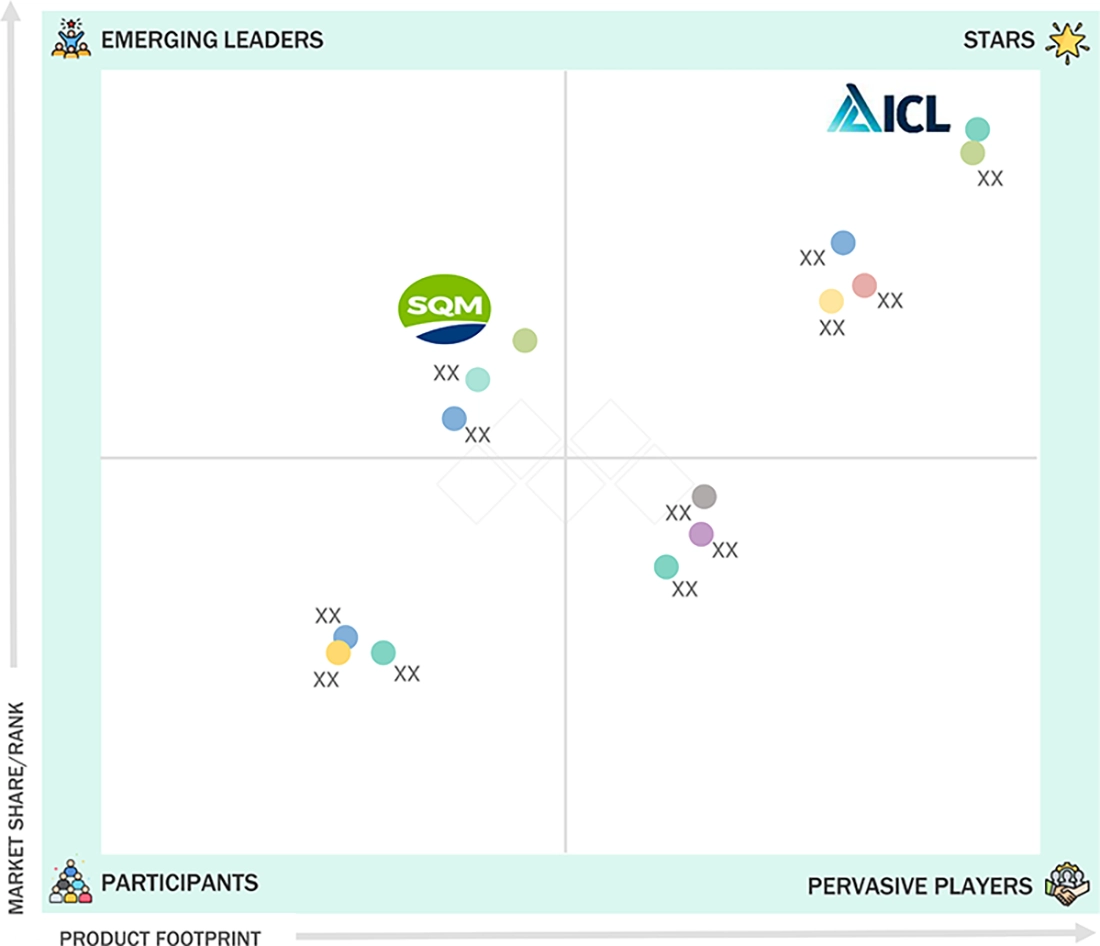
CONTROLLED-RELEASE FERTILIZERS MARKET: COMPANY EVALUATION MATRIX
In the controlled-release fertilizers market matrix, ICL (Star) leads the market with its comprehensive portfolio of advanced nutrient solutions, including polymer-coated, sulfur-coated, and polymer-sulfur-coated fertilizers that help growers optimize nutrient use efficiency, crop yield, and environmental sustainability. SQM (Emerging Leader), meanwhile, is emerging as a strong player by expanding its range of controlled-release products, focusing on innovative coating technologies, precision nutrient delivery, and eco-friendly formulations, positioning itself as a key innovator in modern crop nutrition management.
Source: Secondary Research, Interviews with Experts, MarketsandMarkets Analysis
KEY MARKET PLAYERS
- Yara (Norway)
- Nutrien Ltd. (Canada)
- Mosaic (US)
- ICL (Israel)
- Nufarm (Australia)
- Kingenta (China)
- ScottsMiracle-Gro (US)
- Koch Industries (US)
- Helena Chemicals (US)
- SQM (Chile)
- Haifa Negev Technologies Ltd. (Israel)
- JCAM AGRI Co., Ltd. (Japan)
- COMPO EXPERT (Germany)
- The Andersons Inc. (US)
- Van Iperen International (Netherlands)
MARKET SCOPE
| REPORT METRIC | DETAILS |
|---|---|
| Market Size in 2024 (Value) | USD 2.40 Billion |
| Market Forecast in 2030 (value) | USD 3.41 Billion |
| Growth Rate | CAGR of 6.1% |
| Years Considered | 2021–2031 |
| Base Year | 2024 |
| Forecast Period | 2026–2031 |
| Units Considered | Value (USD Million/Billion), Volume (Kiloton) |
| Report Coverage | Revenue forecast, company ranking, competitive landscape, growth factors, and trends |
| Segments Covered |
|
| Regions Covered | North America, Asia Pacific, Europe, South America, Rest of the World (RoW) |
WHAT IS IN IT FOR YOU: CONTROLLED-RELEASE FERTILIZERS MARKET REPORT CONTENT GUIDE
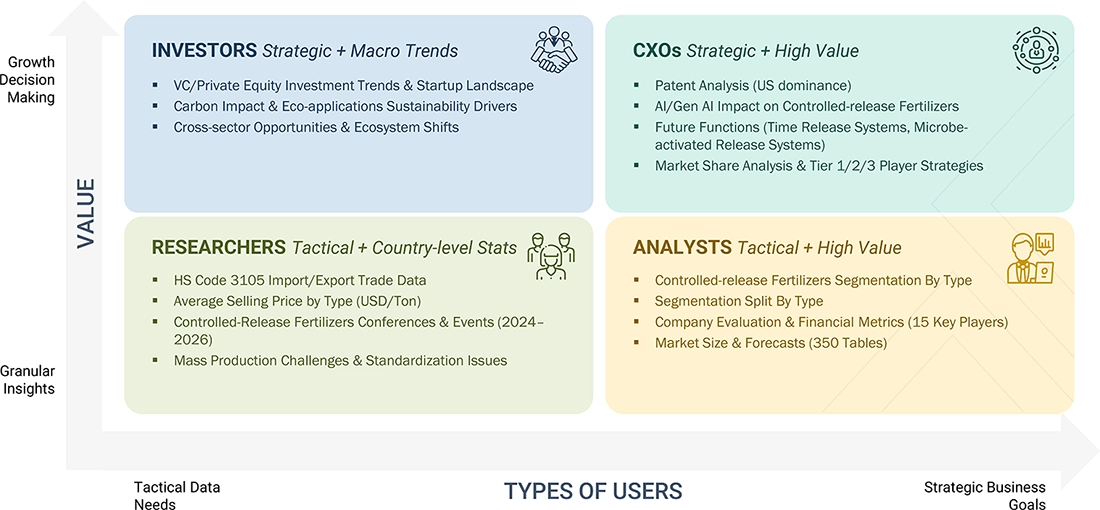
DELIVERED CUSTOMIZATIONS
We have successfully delivered the following deep-dive customizations:
| CLIENT REQUEST | CUSTOMIZATION DELIVERED | VALUE ADDS |
|---|---|---|
| Europe-based Fertilizer Manufacturers | Detailed company profiles of controlled-release fertilizers competitors (financials, product portfolio) |
|
| Asia-Pacific Controlled-release Fertilizers Innovators | Comprehensive analysis of emerging controlled-release fertilizers technologies |
|
| Global Controlled-release Fertilizers Distributor |
|
|
RECENT DEVELOPMENTS
- April 2025 : Malaysia’s Wastech Group and US-based Pursell Agri-Tech have partnered to launch a facility in Malaysia for producing controlled-release fertilizers, aiming to enhance nutrient delivery for crops in Southeast Asia.
- November 2023 : Nutrien partnered with agtech startup CoteX to develop a sustainable controlled-release nitrogen fertilizer for large-scale crops.
- September 2023 : Sollio Agriculture, the agri-business arm of Sollio Cooperative Group, opened CRF Agritech, a new controlled-release fertilizer manufacturing facility in St. Thomas, Ontario, Canada.
- January 2023 : ICL introduced eqo.x, a novel controlled-release fertilizer featuring a groundbreaking biodegradable release technology.
Table of Contents
 Exclusive indicates content/data unique to MarketsandMarkets and not available with any competitors.
TITLE
PAGE NO
1
INTRODUCTION
48
2
EXECUTIVE SUMMARY
53
3
PREMIUM INSIGHTS
59
4
MARKET OVERVIEW
Sustainable agriculture and precision farming drive market growth amid high production costs and technical challenges.
64
4.1
INTRODUCTION
4.2
MARKET DYNAMICS
4.2.1
INTRODUCTION
4.2.2
DRIVERS
4.2.2.1
RISE IN SUSTAINABLE AGRICULTURE
4.2.2.2
EXPANSION OF HIGH-VALUE CROPS REQUIRING PRECISE NUTRIENT DELIVERY
4.2.2.3
GOVERNMENT SUPPORT AND REGULATORY ENCOURAGEMENT
4.2.2.4
RISING DEMAND FROM HIGH-VALUE CROPS
4.2.3
RESTRAINTS
4.2.3.1
HIGH PRODUCTION COSTS COMPARED TO CONVENTIONAL FERTILIZERS
4.2.3.2
COMPLEX MANUFACTURING PROCESS FOR COATING AND ENCAPSULATION MATERIALS
4.2.3.3
SLOW NUTRIENT RELEASE UNDER UNFAVORABLE CONDITIONS
4.2.3.4
LIMITED AWARENESS AND TECHNICAL KNOWLEDGE
4.2.4
OPPORTUNITIES
4.2.4.1
DEVELOPMENT OF BIODEGRADABLE AND BIO-BASED COATING MATERIALS
4.2.4.2
EXPANSION INTO HORTICULTURE AND SPECIALTY CROP MARKETS
4.2.4.3
INTEGRATION WITH PRECISION FARMING AND SMART FERTILIZATION SYSTEMS
4.2.4.4
ADVANCEMENTS IN COATING AND ENCAPSULATION TECHNOLOGIES
4.2.5
CHALLENGES
4.2.5.1
INCONSISTENCY AND VARIABLE PERFORMANCE
4.2.5.2
LOW FARMER AWARENESS IN DEVELOPING REGIONS
4.2.5.3
COMPETITION OF ALTERNATIVE FERTILIZER TECHNOLOGIES
4.2.5.4
MARKET PENETRATION IN LOW-INCOME REGIONS
4.3
UNMET NEEDS AND WHITE SPACES
4.3.1
UNMET NEEDS IN THE CONTROLLED RELEASE FERTILIZERS MARKET
4.3.2
WHITE SPACE OPPORTUNITIES
4.4
INTERCONNECTED MARKETS AND CROSS-SECTOR OPPORTUNITIES
4.4.1
INTERCONNECTED MARKETS
4.4.2
CROSS-SECTOR OPPORTUNITIES
4.5
EMERGING BUSINESS MODELS AND ECOSYSTEM SHIFTS
4.5.1
EMERGING BUSINESS MODELS
4.5.2
ECOSYSTEM SHIFTS
4.6
STRATEGIC MOVES BY TIER-1/2/3 PLAYERS
5
INDUSTRY TRENDS
Navigate industry shifts with strategic insights from competitive forces and evolving pricing trends.
79
5.1
PORTER’S FIVE FORCES ANALYSIS
5.1.1
THREAT OF NEW ENTRANTS
5.1.2
THREAT OF SUBSTITUTES
5.1.3
BARGAINING POWER OF SUPPLIERS
5.1.4
BARGAINING POWER OF BUYERS
5.1.5
INTENSITY OF COMPETITIVE RIVALRY
5.2
VALUE CHAIN ANALYSIS
5.2.1
RESEARCH AND PRODUCT DEVELOPMENT
5.2.2
MANUFACTURERS
5.2.3
FORMULATION AND MANUFACTURING
5.2.4
DISTRIBUTION
5.2.5
MARKETING AND SALES
5.2.6
END USERS
5.3
ECOSYSTEM ANALYSIS
5.3.1
DEMAND SIDE
5.3.2
SUPPLY SIDE
5.4
PRICING ANALYSIS
5.4.1
AVERAGE SELLING PRICE BY KEY PLAYERS
5.4.2
AVERAGE SELLING PRICE TREND, BY REGION
5.4.3
AVERAGE SELLING PRICE TREND, BY TYPE
5.5
TRADE ANALYSIS
5.5.1
EXPORT SCENARIO OF HS CODE 3105
5.5.2
IMPORT SCENARIO OF HS CODE 3105
5.6
KEY CONFERENCES AND EVENTS
5.7
TRENDS/DISRUPTIONS IMPACTING CUSTOMER BUSINESS
5.8
INVESTMENT AND FUNDING SCENARIO
5.9
CASE STUDY ANALYSIS
5.9.1
PURSELL AGRI-TECH AND WASTECH PARTNER TO BOOST CONTROLLED RELEASE FERTILIZER PRODUCTION IN SOUTHEAST ASIA
5.9.2
NOUSBO CO., LTD. LAUNCHED “HI-COTE” CONTROLLED-RELEASE FERTILIZER FOR TAILORED NUTRIENT DELIVERY
5.9.3
SOLLIO AGRICULTURE OPENED CONTROLLED RELEASE FERTILIZER PLANT TO STRENGTHEN SUSTAINABLE FARMING IN ONTARIO
5.10
IMPACT OF 2025 US TARIFF – CONTROLLED RELEASE FERTILIZERS MARKET
5.10.1
INTRODUCTION
5.10.2
KEY TARIFF RATES
5.10.3
PRICE IMPACT ANALYSIS
5.10.4
IMPACT ON COUNTRY/REGION
5.10.4.1
US
5.10.4.2
EUROPE
5.10.4.3
ASIA PACIFIC
5.10.5
IMPACT ON END-USE INDUSTRIES
STRATEGIC DISRUPTION THROUGH TECHNOLOGY, PATENTS, DIGITAL,
6.1
KEY EMERGING TECHNOLOGIES
6.1.1
NANOTECHNOLOGY-BASED CONTROLLED RELEASE FERTILIZERS
6.1.2
BIODEGRADABLE & BIO-BASED POLYMER COATINGS
6.1.3
SMART (STIMULI-RESPONSIVE) CONTROLLED RELEASE FERTILIZERS
6.2
COMPLEMENTARY TECHNOLOGIES
6.2.1
PRECISION AGRICULTURE TECHNOLOGIES
6.2.2
SMART IRRIGATION AND FERTIGATION SYSTEMS
6.2.3
SOIL AND PLANT SENSING TECHNOLOGIES
6.3
ADJACENT TECHNOLOGIES
6.3.1
WATER-SOLUBLE FERTILIZERS (WSF)
6.3.2
BIOSTIMULANTS & BIOLOGICAL FERTILIZERS
6.3.3
ENHANCED EFFICIENCY FERTILIZERS (EEF)
6.4
TECHNOLOGY/PRODUCT ROADMAP
6.4.1
SHORT-TERM (2026–2028) | FOUNDATION & EARLY COMMERCIALIZATION
6.4.2
MID-TERM (2029–2031) | EXPANSION & STANDARDIZATION
6.4.3
LONG-TERM (2032–2035+) | MASS COMMERCIALIZATION & DISRUPTION
6.5
PATENT ANALYSIS
6.6
FUTURE APPLICATIONS
6.6.1
CONTROLLED-RELEASE FERTILIZERS: SUSTAINABLE AGRICULTURE TRANSFORMATION
6.6.2
AI-INTEGRATED CRFS: DATA-DRIVEN NUTRIENT MANAGEMENT
6.6.3
BIODEGRADABLE COATING SYSTEMS: CIRCULAR AGRICULTURE ADVANCEMENT
6.6.4
SENSOR-ENABLED CRFS: SMART RELEASE SYSTEMS
6.6.5
HYBRID CRF-BIOLOGICAL SYSTEMS: ENHANCED CROP PERFORMANCE
6.7
IMPACT OF AI/GEN AI ON CONTROLLED RELEASE FERTILIZER MARKET
6.7.1
TOP USE CASES AND MARKET POTENTIAL
6.7.2
BEST PRACTICES IN CONTROLLED RELEASE FERTILIZER PROCESSING
6.7.3
CASE STUDIES OF AI IMPLEMENTATION IN CONTROLLED RELEASE FERTILIZERS MARKET
6.7.4
INTERCONNECTED ADJACENT ECOSYSTEM AND IMPACT ON MARKET PLAYERS
6.7.5
CLIENTS’ READINESS TO ADOPT GENERATIVE AI IN CONTROLLED RELEASE FERTILIZERS MARKET
6.8
SUCCESS STORIES AND REAL-WORLD APPLICATIONS
6.8.1
ICL GROUP – ADVANCED POLYMER COATING TECHNOLOGY
6.8.2
KINGENTA ECOLOGICAL ENGINEERING GROUP – BIO-BASED AND NANO-ENCAPSULATED CRFS
6.8.3
YARA INTERNATIONAL ASA – DIGITAL-INTEGRATED NUTRIENT MANAGEMENT
7
SUSTAINABILITY AND REGULATORY LANDSCAPE
Navigate complex global regulations to enhance sustainability and compliance in controlled release fertilizers.
118
7.1
REGIONAL REGULATIONS AND COMPLIANCE
7.1.1
NORTH AMERICA: REGULATORY LANDSCAPE
7.1.1.1
US
7.1.1.2
CANADA
7.1.2
EUROPE: REGULATORY LANDSCAPE
7.1.3
ASIA PACIFIC: REGULATORY LANDSCAPE
7.1.3.1
AUSTRALIA
7.1.3.2
CHINA
7.1.3.3
INDIA
7.1.4
SOUTH AMERICA
7.1.4.1
BRAZIL
7.1.5
ROW
7.1.5.1
SOUTH AFRICA
7.1.6
INDUSTRY STANDARDS
7.2
SUSTAINABILITY INITIATIVES
7.2.1
ENVIRONMENTAL IMPACT AND ECO-APPLICATIONS OF CONTROLLED RELEASE FERTILIZERS
7.2.1.1
NUTRIENT LOSS AND EMISSION REDUCTION
7.2.1.2
ECO-APPLICATIONS
7.3
SUSTAINABILITY IMPACT AND REGULATORY POLICY INITIATIVES
7.4
CERTIFICATIONS, LABELING, ECO-STANDARDS
8
CUSTOMER LANDSCAPE & BUYER BEHAVIOR
Unlock market profitability by aligning with key stakeholders and addressing unmet industry needs.
130
8.1
DECISION-MAKING PROCESS
8.2
BUYER STAKEHOLDERS AND BUYING EVALUATION CRITERIA
8.2.1
KEY STAKEHOLDERS IN BUYING PROCESS
8.2.2
BUYING CRITERIA
8.3
ADOPTION BARRIERS & INTERNAL CHALLENGES
8.4
UNMET NEEDS FROM VARIOUS END-USE INDUSTRIES
8.5
MARKET PROFITABILITY
8.5.1
REVENUE POTENTIAL
8.5.2
COST DYNAMICS
8.5.3
MARGIN OPPORTUNITIES BY APPLICATION
9
CONTROLLED RELEASE FERTILIZERS MARKET, BY TYPE
Market Size & Growth Rate Forecast Analysis to 2031 in USD Million and Kilotons | 34 Data Tables
136
9.1
INTRODUCTION
9.1.1
SLOW-RELEASE FERTILIZERS
9.1.1.1
RISING DEMAND FOR HIGH-EFFICIENCY AND SUSTAINABLE FERTILIZERS
9.1.1.2
UREA FORMALDEHYDE
9.1.1.3
UREA ISOBUTYRALDEHYDE
9.1.1.4
UREA ACETALDEHYDE
9.1.1.5
OTHER SLOW-RELEASE FERTILIZERS
9.1.2
COATED & ENCAPSULATED FERTILIZERSS
9.1.2.1
DRIVEN BY THE NEED FOR OPTIMIZED NUTRIENT EFFICIENCY AND SUSTAINABLE FARMING APPROACHES
9.1.2.2
SULFUR-COATED
9.1.2.3
POLYMER-COATED
9.1.2.4
SULFUR POLYMER-COATED
9.1.2.5
OTHER COATED & ENCAPSULATED FERTILIZERS
9.1.2.5.1
BIO-BASED/ORGANIC COATED FERTILIZERS
9.1.2.5.2
NANO-ENABLED/ADVANCED MATERIAL COATED FERTILIZERS
9.1.2.5.3
HYBRID & SMART CONTROLLED-RELEASE FERTILIZERS
9.1.3
NITROGEN STABILIZERS
9.1.3.1
GROWING DEMAND FOR SUSTAINABLE FERTILIZERS TO REDUCE NITROGEN LOSS AND ENVIRONMENTAL IMPACT
9.1.3.2
NITRIFICATION INHIBITORS
9.1.3.3
UREASE INHIBITORS
10
CONTROLLED-RELEASE FERTILIZERS MARKET, BY MODE OF APPLICATION
Market Size & Growth Rate Forecast Analysis to 2031 in USD Million | 10 Data Tables
156
10.1
INTRODUCTION
10.2
FERTIGATION
10.2.1
NEED FOR HOMOGENEOUS APPLICATION OF FERTILIZERS ACROSS CROP ROOTS TO DRIVE MARKET
10.3
FOLIAR
10.3.1
FOCUS ON INCREASING NUTRIENT SUPPLY DURING EARLY GROWTH STAGES OF CROPS TO DRIVE USE OF FOLIAR MODE OF APPLICATION
10.4
SOIL
10.4.1
GROWING EMPHASIS ON INCREASING CROP YIELD TO BOOST DEMAND FOR SEED ROW APPLICATION OF CONTROLLED-RELEASE FERTILIZERS
10.5
OTHER MODES OF APPLICATION
11
CONTROLLED RELEASE FERTILIZERS MARKET, BY FUNCTION
Market Size & Growth Rate Forecast Analysis to 2031 in USD Million | 14 Data Tables
165
11.1
INTRODUCTION
11.2
TEMPERATURE-DEPENDENT RELEASE SYSTEMS
11.2.1
ALIGN NUTRIENT RELEASE WITH CROP GROWTH UNDER VARYING CLIMATES
11.3
WATER-DEPENDENT RELEASE SYSTEMS
11.3.1
ENHANCE NUTRIENT EFFICIENCY IN MOISTURE-VARIABLE AND ARID SOILS
11.4
MICROBE-ACTIVATED RELEASE SYSTEMS
11.4.1
PROMOTE ECO-FRIENDLY NUTRIENT DELIVERY THROUGH MICROBIAL ACTIVATION
11.5
TIME-RELEASED SYSTEMS
11.5.1
REDUCE APPLICATION FREQUENCY WITH STEADY, LONG-TERM NUTRIENT SUPPLY
11.6
PH-DEPENDENT RELEASE SYSTEMS
11.6.1
OPTIMIZE NUTRIENT RELEASE BASED ON SOIL ACIDITY OR ALKALINITY
11.7
OTHER FUNCTIONS
12
CONTROLLED RELEASE FERTILIZERS MARKET, BY PRODUCT TIER
Market Size & Growth Rate Forecast Analysis to 2031 in USD Million | 8 Data Tables
176
12.1
INTRODUCTION
12.2
BASIC COATED FERTILIZERS
12.2.1
RISING EMPHASIS ON NITROGEN USE EFFICIENCY AND ENVIRONMENTAL COMPLIANCE TO BOOST MARKET GROWTH
12.3
ADVANCED POLYMER/RESIN-COATED FERTILIZERS
12.3.1
GROWING FOCUS ON PRECISION AND SUSTAINABLE FARMING TO ACCELERATE MARKET GROWTH 18012.4 PREMIUM SMART/HYBRID CONTROLLED-RELEASE FERTILIZERS
12.4.1
INCREASING ADOPTION OF SMART FARMING AND SUSTAINABLE NUTRIENT MANAGEMENT PRACTICES TO PROPEL MARKET GROWTH
13
CONTROLLED RELEASE FERTILIZERS MARKET, BY CROP TYPE
Market Size & Growth Rate Forecast Analysis to 2031 in USD Million | 22 Data Tables
183
13.1
INTRODUCTION
13.2
AGRICULTURAL CROPS
13.2.1
RISING GLOBAL CONSUMPTION OF CEREALS & GRAINS TO BOOST GROWTH
13.2.1.1
CEREALS & GRAINS
13.2.1.2
OILSEED & PULSES
13.2.1.3
VEGETABLES
13.2.1.4
FRUITS
13.2.1.5
PLANTATION CROPS
13.3
NON-AGRICULTURE CROPS
13.3.1
GROWING USE OF TURF AND ORNAMENTALS IN SPORTS ARENAS TO DRIVE DEMAND
13.3.2
TURF & ORNAMENTALS
13.3.3
NURSERIES & GREENHOUSES
13.3.4
OTHER NON-AGRICULTURAL CROPS
14
CONTROLLED-RELEASE FERTILIZERS MARKET, BY FORMULATION
Market Size & Growth Rate Forecast Analysis to 2031 in USD Million | 10 Data Tables
197
14.1
INTRODUCTION
14.2
DRY
14.2.1
NEED TO REDUCE APPLICATION FREQUENCY AND NUTRIENT LOSSES
14.2.2
GRANULAR
14.2.3
PRILLED
14.2.4
POWDER
14.3
LIQUID
14.3.1
DEMAND FOR EFFICIENT NUTRIENT DELIVERY AND COMPATIBILITY WITH MODERN IRRIGATION SYSTEMS
14.3.2
SOLUTIONS
14.3.3
SUSPENSIONS/EMULSIONS
14.3.4
CONCENTRATES
15
CONTROLLED-RELEASE FERTILIZERS MARKET, BY REGION
Comprehensive coverage of 9 Regions with country-level deep-dive of 15 Countries | 534 Data Tables.
207
15.1
INTRODUCTION
15.2
NORTH AMERICA
15.2.1
US
15.2.1.1
DEMAND FOR ENVIRONMENTALLY FRIENDLY AGRICULTURAL INPUTS TO DRIVE DEMAND FOR CRFS
15.2.2
CANADA
15.2.2.1
NEED FOR SUPERIOR-QUALITY CROPS TO BOOST MARKET
15.2.3
MEXICO
15.2.3.1
INCREASE IN EXPORT OF PROCESSED FOOD PRODUCTS TO DRIVE DEMAND FOR CRFS
15.3
EUROPE
15.3.1
UK
15.3.1.1
CONSUMER AWARENESS REGARDING SIGNIFICANCE OF CRFS AND THEIR DIVERSE APPLICATIONS TO DRIVE MARKET
15.3.2
FRANCE
15.3.2.1
DEMAND FOR BETTER-QUALITY CROPS TO ENCOURAGE MARKET EXPANSION
15.3.3
GERMANY
15.3.3.1
RISING AWARENESS REGARDING SUSTAINABLE AGRICULTURAL PRACTICES TO BOOST MARKET
15.3.4
SPAIN
15.3.4.1
NEED FOR IMPROVEMENTS IN AGRICULTURAL SECTOR TO ENCOURAGE MARKET GROWTH
15.3.5
ITALY
15.3.5.1
GROWING AWARENESS REGARDING SCIENTIFIC UPKEEP OF NURSERIES TO FUEL DEMAND FOR CRFS
15.3.6
REST OF EUROPE
15.4
ASIA PACIFIC
15.4.1
CHINA
15.4.1.1
INVESTMENTS IN NEW TECHNOLOGIES FOR BETTER AGRICULTURAL INPUTS TO BOOST GROWTH
15.4.2
JAPAN
15.4.2.1
ADVANCED AGRICULTURAL PRACTICES TO PROPEL ADOPTION OF CRFS
15.4.3
INDIA
15.4.3.1
LARGE-SCALE PRODUCTION OF WHEAT, RICE, AND GRAINS TO DRIVE MARKET
15.4.4
SOUTH KOREA
15.4.4.1
GOVERNMENT INITIATIVES AND INCREASED DEMAND FOR HIGH-YIELDING CROPS TO DRIVE ADOPTION OF CONTROLLED-RELEASE FERTILIZERS.
15.4.5
AUSTRALIA & NEW ZEALAND
15.4.5.1
INCREASING DEMAND FOR NITROGEN-BASED FERTILIZERS TO BOOST MARKET
15.4.6
REST OF ASIA PACIFIC
15.5
SOUTH AMERICA
15.5.1
BRAZIL
15.5.1.1
EASE OF APPLICATION OF CONTROLLED-RELEASE FERTILIZERS TO BOOST MARKET EXPANSION
15.5.2
ARGENTINA
15.5.2.1
RAPID ADVANCEMENTS IN FARMING TECHNIQUES TO DRIVE POPULARITY OF CRFS
15.5.3
REST OF SOUTH AMERICA
15.6
REST OF THE WORLD (ROW)
15.6.1
AFRICA
15.6.1.1
WATER SCARCITY, RISING FERTILIZER COSTS, AND NEED FOR SUSTAINABLE AGRICULTURAL SOLUTIONS TO DRIVE GROWTH OF CONTROLLED-RELEASE FERTILIZERS
15.6.2
MIDDLE EAST
15.6.2.1
INCREASING CONSUMPTION OF FRUITS AND VEGETABLES TO DRIVE DEMAND FOR CRFS
16
COMPETITIVE LANDSCAPE
Discover which key players dominate market share and revenue through strategic innovation and regional influence.
391
16.1
OVERVIEW
16.2
KEY PLAYERS’ STRATEGIES/RIGHT TO WIN
16.3
REVENUE ANALYSIS, 2021–2025
16.4
MARKET SHARE ANALYSIS, 2025
16.4.1
YARA INTERNATIONAL ASA (NORWAY)
16.4.2
NUTRIEN LTD. (CANADA)
16.4.3
THE MOSAIC COMPANY (UNITED STATES)
16.4.4
ICL GROUP LTD. (ISRAEL)
16.4.5
KINGENTA ECOLOGICAL ENGINEERING GROUP CO., LTD. (CHINA)
16.5
COMPANY EVALUATION MATRIX: KEY PLAYERS, 2025
16.5.1
STARS
16.5.2
EMERGING LEADERS
16.5.3
PERVASIVE PLAYERS
16.5.4
PARTICIPANTS
16.5.5
COMPANY FOOTPRINT: KEY PLAYERS, 2025
16.5.5.1
COMPANY FOOTPRINT
16.5.5.2
REGIONAL FOOTPRINT
16.5.5.3
TYPE FOOTPRINT
16.5.5.4
MODE OF APPLICATION FOOTPRINT
16.5.5.5
CROP TYPE FOOTPRINT
16.6
COMPANY EVALUATION MATRIX: STARTUPS/SMES, 2025
16.6.1
PROGRESSIVE COMPANIES
16.6.2
RESPONSIVE COMPANIES
16.6.3
DYNAMIC COMPANIES
16.6.4
STARTING BLOCKS
16.6.5
COMPETITIVE BENCHMARKING: STARTUPS/SMES, 2025
16.6.5.1
DETAILED LIST OF KEY STARTUPS/SMES
16.6.5.2
COMPETITIVE BENCHMARKING OF KEY STARTUPS/SMES
16.7
COMPANY VALUATION AND FINANCIAL METRICS
16.8
PRODUCT COMPARISON
16.9
COMPETITIVE SCENARIO AND TRENDS
16.9.1
PRODUCT LAUNCHES
16.9.2
DEALS
17
COMPANY PROFILES
In-depth Company Profiles of Leading Market Players with detailed Business Overview, Product and Service Portfolio, Recent Developments, and Unique Analyst Perspective (MnM View)
409
17.1
KEY PLAYERS
17.1.1
YARA
17.1.1.1
BUSINESS OVERVIEW
17.1.1.2
PRODUCTS OFFERED
17.1.1.3
RECENT DEVELOPMENTS
17.1.1.3.1
PRODUCT LAUNCHES
17.1.1.3.2
DEALS
17.1.1.3.3
EXPANSIONS
17.1.1.4
MNM VIEW
17.1.1.4.1
RIGHT TO WIN
17.1.1.4.2
STRATEGIC CHOICES
17.1.1.4.3
WEAKNESSES AND COMPETITIVE THREATS
17.1.2
NUTRIEN
17.1.3
MOSAIC
17.1.4
ICL
17.1.5
THE ANDERSONS, INC.
17.1.6
NUFARM
17.1.7
KINGENTA
17.1.8
THE SCOTTS COMPANY LLC
17.1.9
KOCH IP HOLDINGS, LLC.
17.1.10
COMPO EXPERT GMBH
17.1.11
HAIFA NEGEV TECHNOLOGIES LTD.
17.1.12
EUROCHEM GROUP
17.1.13
SIMPLOT
17.1.14
JCAM AGRI CO., LTD.
17.1.15
HELENA AGRI-ENTERPRISES, LLC.
17.2
OTHER PLAYERS
17.2.1
SK SPECIALTIES SDN BHD.
17.2.2
DELTACHEM INTERNATIONAL B.V.
17.2.3
AGROLIQUID
17.2.4
KNOX FERTILIZER COMPANY INC.
17.2.5
ALLIED NUTRIENTS
17.2.6
PURSELL AGRI-TECH, LLC
17.2.7
AGLUKON SPEZIALDÜNGER GMBH
17.2.8
ANBR
17.2.9
PARAKH AGRI SOLUTIONS
17.2.10
RISSO CHEMICAL
18
RESEARCH METHODOLOGY
478
18.1
RESEARCH DATA
18.1.1
SECONDARY DATA
18.1.1.1
LIST OF MAJOR SECONDARY SOURCES
18.1.1.2
KEY DATA FROM SECONDARY SOURCES
18.1.2
PRIMARY DATA
18.1.2.1
KEY DATA FROM PRIMARY SOURCES
18.1.2.2
BREAKDOWN OF PRIMARY INTERVIEWS
18.1.2.3
KEY INDUSTRY INSIGHTS
18.2
MARKET SIZE ESTIMATION
18.2.1
BOTTOM-UP APPROACH
18.2.2
TOP-DOWN APPROACH
18.2.2.1
APPROACH TO ESTIMATE MARKET SIZE USING TOP-DOWN ANALYSIS
18.3
DATA TRIANGULATION
18.4
RESEARCH ASSUMPTIONS
18.5
RESEARCH LIMITATIONS AND RISK ASSESSMENT
19
ADJACENT AND RELATED MARKETS
488
19.1
INTRODUCTION
19.2
LIMITATIONS
19.3
WATER-SOLUBLE FERTILIZERS MARKET
19.3.1
MARKET DEFINITION
19.3.2
MARKET OVERVIEW
19.4
BIOFERTILIZERS MARKET
19.4.1
MARKET DEFINITION
19.4.2
MARKET OVERVIEW
20
APPENDIX
492
20.1
DISCUSSION GUIDE
20.2
KNOWLEDGESTORE: MARKETSANDMARKETS’ SUBSCRIPTION PORTAL
20.3
CUSTOMIZATION OPTIONS
20.4
RELATED REPORTS
20.5
AUTHOR DETAILS
LIST OF TABLES
TABLE 1
INCLUSIONS AND EXCLUSIONS
TABLE 2
KEY MOVES AND STRATEGIC FOCUS
TABLE 3
CONTROLLED RELEASE FERTILIZERS MARKET: PORTER’S FIVE FORCES ANALYSIS
TABLE 4
CONTROLLED RELEASE FERTILIZERS ECOSYSTEM
TABLE 5
AVERAGE SELLING PRICE OF CONTROLLED-RELEASE FERTILIZER TYPES, BY KEY PLAYER, 2024 (USD/KG)
TABLE 6
AVERAGE SELLING PRICE TREND OF CONTROLLED RELEASE FERTILIZERS, BY REGION, 2023–2025 (USD/KG)
TABLE 7
AVERAGE SELLING PRICE TREND OF CONTROLLED RELEASE FERTILIZERS, BY TYPE, 2023–2025 (USD/KG)
TABLE 8
EXPORT VALUE OF HS CODE 3105, BY KEY COUNTRY, 2021–2025 (USD MILLION)
TABLE 9
IMPORT VALUE OF HS CODE 3105, BY KEY COUNTRY, 2021–2025 (USD MILLION)
TABLE 10
CONTROLLED RELEASE FERTILIZERS MARKET: LIST OF KEY CONFERENCES AND EVENTS, 2026-2027
TABLE 11
US ADJUSTED RECIPROCAL TARIFF RATES
TABLE 12
KEY PATENTS PERTAINING TO CONTROLLED RELEASE FERTILIZERS, 2016–2025
TABLE 13
TOP USE CASES AND MARKET POTENTIAL
TABLE 14
BEST PRACTICES: COMPANIES IMPLEMENTING USE CASES
TABLE 15
CONTROLLED RELEASE FERTILIZERS MARKET: CASE STUDIES RELATED TO GEN AI IMPLEMENTATION
TABLE 16
INTERCONNECTED ADJACENT ECOSYSTEM AND IMPACT ON MARKET PLAYERS
TABLE 17
NORTH AMERICA: LIST OF REGULATORY BODIES, GOVERNMENT AGENCIES, AND OTHER ORGANIZATIONS
TABLE 18
EUROPE: LIST OF REGULATORY BODIES, GOVERNMENT AGENCIES, AND OTHER ORGANIZATIONS
TABLE 19
ASIA PACIFIC: LIST OF REGULATORY BODIES, GOVERNMENT AGENCIES, AND OTHER ORGANIZATIONS
TABLE 20
SOUTH AMERICA: LIST OF REGULATORY BODIES, GOVERNMENT AGENCIES, AND OTHER ORGANIZATIONS
TABLE 21
ROW: LIST OF REGULATORY BODIES, GOVERNMENT AGENCIES, AND OTHER ORGANIZATIONS
TABLE 22
GLOBAL INDUSTRY STANDARDS IN CONTROLLED RELEASE FERTILIZERS MARKET
TABLE 23
CERTIFICATIONS, LABELING, ECO-STANDARDS IN CONTROLLED RELEASE FERTILIZERS MARKET
TABLE 24
INFLUENCE OF STAKEHOLDERS ON BUYING PROCESS, FOR TOP THREE MODES OF APPLICATION
TABLE 25
KEY BUYING CRITERIA FOR TOP THREE CONTROLLED RELEASE FERTILIZER TYPES
TABLE 26
UNMET NEEDS CONTROLLED RELEASE FERTILIZERS MARKET, BY END-USE INDUSTRY
TABLE 27
CONTROLLED RELEASE FERTILIZERS MARKET, BY TYPE, 2021–2025 (USD MILLION)
TABLE 28
CONTROLLED RELEASE FERTILIZERS MARKET, BY TYPE, 2026–2031 (USD MILLION)
TABLE 29
SLOW-RELEASE FERTILIZERS MARKET, BY REGION, 2021–2025 (USD MILLION)
TABLE 30
SLOW-RELEASE FERTILIZERS MARKET, BY REGION, 2026–2031 (USD MILLION)
TABLE 31
SLOW-RELEASE FERTILIZERS MARKET, BY REGION, 2021–2025 (KT)
TABLE 32
SLOW-RELEASE FERTILIZERS MARKET, BY REGION, 2026–2031 (KT)
TABLE 33
UREA-FORMALDEHYDE FERTILIZERS MARKET, BY REGION, 2021–2025 (USD MILLION)
TABLE 34
UREA-FORMALDEHYDE FERTILIZERS MARKET, BY REGION, 2026–2031 (USD MILLION)
TABLE 35
UREA-ISOBUTYRALDEHYDE FERTILIZERS MARKET, BY REGION, 2021–2025 (USD MILLION)
TABLE 36
UREA-ISOBUTYRALDEHYDE FERTILIZERS MARKET, BY REGION, 2026–2031 (USD MILLION)
TABLE 37
UREA-ACETALDEHYDE FERTILIZERS MARKET, BY REGION, 2021–2025 (USD MILLION)
TABLE 38
UREA-ACETALDEHYDE FERTILIZERS MARKET, BY REGION, 2026–2031 (USD MILLION)
TABLE 39
OTHER SLOW-RELEASE FERTILIZERS MARKET, BY REGION, 2021–2025 (USD MILLION)
TABLE 40
OTHER SLOW-RELEASE FERTILIZERS MARKET, BY REGION, 2026–2031 (USD MILLION)
TABLE 41
COATED & ENCAPSULATED FERTILIZERS MARKET, BY REGION, 2021–2025 (USD MILLION)
TABLE 42
COATED & ENCAPSULATED FERTILIZERS MARKET, BY REGION, 2026–2031 (USD MILLION)
TABLE 43
COATED & ENCAPSULATED FERTILIZERS MARKET, BY REGION, 2021–2025 (KT)
TABLE 44
COATED & ENCAPSULATED FERTILIZERS MARKET, BY REGION, 2026–2031 (KT)
TABLE 45
SULFUR-COATED FERTILIZERS MARKET, BY REGION, 2021–2025 (USD MILLION)
TABLE 46
SULFUR-COATED FERTILIZERS MARKET, BY REGION, 2026–2031 (USD MILLION)
TABLE 47
POLYMER-COATED FERTILIZERS MARKET, BY REGION, 2021–2025 (USD MILLION)
TABLE 48
POLYMER-COATED FERTILIZERS MARKET, BY REGION, 2026–2031 (USD MILLION)
TABLE 49
SULFUR-POLYMER COATED FERTILIZERS MARKET, BY REGION, 2021–2025 (USD MILLION)
TABLE 50
SULFUR-POLYMER COATED FERTILIZERS MARKET, BY REGION, 2026–2031 (USD MILLION)
TABLE 51
OTHER COATED & ENCAPSULATED FERTILIZERS MARKET, BY REGION, 2021–2025 (USD MILLION)
TABLE 52
OTHER COATED & ENCAPSULATED FERTILIZERS MARKET, BY REGION, 2026–2031 (USD MILLION)
TABLE 53
NITROGEN STABILIZERS MARKET, BY REGION, 2021–2025 (USD MILLION)
TABLE 54
NITROGEN STABILIZERS MARKET, BY REGION, 2026–2031 (USD MILLION)
TABLE 55
NITROGEN STABILIZERS MARKET, BY REGION, 2021–2025 (KT)
TABLE 56
NITROGEN STABILIZERS MARKET, BY REGION, 2026–2031 (KT)
TABLE 57
NITRIFICATION INHIBITORS MARKET, BY REGION, 2021–2025 (USD MILLION)
TABLE 58
NITRIFICATION INHIBITORS MARKET, BY REGION, 2026–2031 (USD MILLION)
TABLE 59
UREASE INHIBITORS MARKET, BY REGION, 2021–2025 (USD MILLION)
TABLE 60
UREASE INHIBITORS MARKET, BY REGION, 2026–2031 (USD MILLION)
TABLE 61
CONTROLLED-RELEASE FERTILIZERS MARKET, BY MODE OF APPLICATION, 2021–2025 (USD MILLION)
TABLE 62
CONTROLLED-RELEASE FERTILIZERS MARKET, BY MODE OF APPLICATION, 2026–2031 (USD MILLION)
TABLE 63
FERTIGATION-BASED CONTROLLED-RELEASE FERTILIZERS MARKET, BY REGION, 2021–2025 (USD MILLION)
TABLE 64
FERTIGATION-BASED CONTROLLED-RELEASE FERTILIZERS MARKET, BY REGION, 2026–2031 (USD MILLION)
TABLE 65
FOLIAR CONTROLLED-RELEASE FERTILIZERS MARKET, BY REGION, 2021–2025 (USD MILLION)
TABLE 66
FOLIAR CONTROLLED-RELEASE FERTILIZERS MARKET, BY REGION, 2026–2031 (USD MILLION)
TABLE 67
SOIL-APPLIED CONTROLLED-RELEASED-RELEASE FERTILIZERS MARKET, BY REGION, 2021–2025 (USD MILLION)
TABLE 68
SOIL-APPLIED CONTROLLED-RELEASED-RELEASE FERTILIZERS MARKET, BY REGION, 2026–2031 (USD MILLION)
TABLE 69
OTHER MODES OF APPLICATION: CONTROLLED-RELEASE FERTILIZERS MARKET, BY REGION, 2021–2025 (USD MILLION)
TABLE 70
OTHER MODES OF APPLICATION: CONTROLLED-RELEASE FERTILIZERS MARKET, BY REGION, 2026–2031 (USD MILLION)
TABLE 71
CONTROLLED RELEASE FERTILIZERS MARKET, BY FUNCTION, 2021–2025 (USD MILLION)
TABLE 72
CONTROLLED RELEASE FERTILIZERS MARKET, BY FUNCTION, 2026–2031 (USD MILLION)
TABLE 73
TEMPERATURE-DEPENDENT RELEASE SYSTEMS MARKET, BY REGION, 2021–2025 (USD MILLION)
TABLE 74
TEMPERATURE-DEPENDENT RELEASE SYSTEMS MARKET, BY REGION, 2026–2031 (USD MILLION)
TABLE 75
WATER-DEPENDENT RELEASE SYSTEMS MARKET, BY REGION, 2021–2025 (USD MILLION)
TABLE 76
WATER-DEPENDENT RELEASE SYSTEMS MARKET, BY REGION, 2026–2031 (USD MILLION)
TABLE 77
MICROBE-ACTIVATED RELEASE SYSTEMS MARKET, BY REGION, 2021–2025 (USD MILLION)
TABLE 78
MICROBE-ACTIVATED RELEASE SYSTEMS MARKET, BY REGION, 2026–2031 (USD MILLION)
TABLE 79
TIME-RELEASE SYSTEMS MARKET, BY REGION, 2021–2025 (USD MILLION)
TABLE 80
TIME-RELEASE SYSTEMS MARKET, BY REGION, 2026–2031 (USD MILLION)
TABLE 81
PH-DEPENDENT RELEASE SYSTEMS MARKET, BY REGION, 2021–2025 (USD MILLION)
TABLE 82
PH-DEPENDENT RELEASE SYSTEMS MARKET, BY REGION, 2026–2031 (USD MILLION)
TABLE 83
OTHER CONTROLLED RELEASE FERTILIZERS FUNCTIONAL SYSTEMS MARKET, BY REGION, 2021–2025 (USD MILLION)
TABLE 84
OTHER CONTROLLED RELEASE FERTILIZERS FUNCTIONAL SYSTEMS MARKET, BY REGION, 2026–2031 (USD MILLION)
TABLE 85
CONTROLLED RELEASE FERTILIZERS MARKET, BY PRODUCT TIER, 2021–2025 (USD MILLION)
TABLE 86
CONTROLLED RELEASE FERTILIZERS MARKET, BY PRODUCT TIER, 2026–2031 (USD MILLION)
TABLE 87
BASIC COATED FERTILIZERS MARKET, BY REGION, 2021–2025 (USD MILLION)
TABLE 88
BASIC COATED FERTILIZERS MARKET, BY REGION, 2026–2031 (USD MILLION)
TABLE 89
ADVANCED POLYMER/RESIN-COATED FERTILIZERS MARKET, BY REGION, 2021–2025 (USD MILLION)
TABLE 90
ADVANCED POLYMER/RESIN-COATED FERTILIZERS MARKET, BY REGION, 2026–2031 (USD MILLION)
TABLE 91
PREMIUM SMART/HYBRID CONTROLLED-RELEASE FERTILIZERS MARKET, BY REGION, 2021–2025 (USD MILLION)
TABLE 92
PREMIUM SMART/HYBRID CONTROLLED-RELEASE FERTILIZERS MARKET, BY REGION, 2026–2031 (USD MILLION)
TABLE 93
CONTROLLED RELEASE FERTILIZERS MARKET, BY CROP TYPE, 2021–2025 (USD MILLION)
TABLE 94
CONTROLLED RELEASE FERTILIZERS MARKET, BY CROP TYPE, 2026–2031 (USD MILLION)
TABLE 95
CONTROLLED-RELEASE FERTILIZERS MARKET FOR AGRICULTURE CROPS, BY REGION, 2021–2025 (USD MILLION)
TABLE 96
CONTROLLED-RELEASE FERTILIZERS MARKET FOR AGRICULTURE CROPS, BY REGION, 2026–2031 (USD MILLION)
TABLE 97
CONTROLLED RELEASE FERTILIZERS MARKET FOR CEREALS & GRAINS, BY REGION, 2021–2025 (USD MILLION)
TABLE 98
CONTROLLED RELEASE FERTILIZERS MARKET FOR CEREALS & GRAINS, BY REGION, 2026–2031 (USD MILLION)
TABLE 99
CONTROLLED RELEASE FERTILIZERS MARKET FOR OILSEEDS AND PULSES, BY REGION, 2021–2025 (USD MILLION)
TABLE 100
CONTROLLED RELEASE FERTILIZERS MARKET FOR OILSEEDS AND PULSES, BY REGION, 2026–2031 (USD MILLION)
TABLE 101
CONTROLLED RELEASE FERTILIZERS MARKET FOR VEGETABLES, BY REGION, 2021–2025 (USD MILLION)
TABLE 102
CONTROLLED RELEASE FERTILIZERS MARKET FOR VEGETABLES, BY REGION, 2026–2031 (USD MILLION)
TABLE 103
CONTROLLED RELEASE FERTILIZERS MARKET FOR FRUITS, BY REGION, 2021–2025 (USD MILLION)
TABLE 104
CONTROLLED RELEASE FERTILIZERS MARKET FOR FRUITS, BY REGION, 2026–2031 (USD MILLION)
TABLE 105
CONTROLLED RELEASE FERTILIZERS MARKET FOR PLANTATION CROPS, BY REGION, 2021–2025 (USD MILLION)
TABLE 106
CONTROLLED RELEASE FERTILIZERS MARKET FOR PLANTATION CROPS, BY REGION, 2026–2031 (USD MILLION)
TABLE 107
CONTROLLED RELEASE FERTILIZERS MARKET FOR NON-AGRICULTURAL CROPS, BY REGION, 2021–2025 (USD MILLION)
TABLE 108
CONTROLLED RELEASE FERTILIZERS MARKET FOR NON-AGRICULTURAL CROPS, BY REGION, 2026–2031 (USD MILLION)
TABLE 109
CONTROLLED RELEASE FERTILIZERS MARKET FOR TURF AND ORNAMENTALS, BY REGION, 2021–2025 (USD MILLION)
TABLE 110
CONTROLLED RELEASE FERTILIZERS MARKET FOR TURF AND ORNAMENTALS, BY REGION, 2026–2031 (USD MILLION)
TABLE 111
CONTROLLED RELEASE FERTILIZERS MARKET FOR NURSERIES AND GREENHOUSES, BY REGION, 2021–2025 (USD MILLION)
TABLE 112
CONTROLLED RELEASE FERTILIZERS MARKET FOR NURSERIES AND GREENHOUSES, BY REGION, 2026–2031 (USD MILLION)
TABLE 113
CONTROLLED RELEASE FERTILIZERS MARKET FOR OTHER NON-AGRICULTURAL CROPS, BY REGION, 2021–2025 (USD MILLION)
TABLE 114
CONTROLLED RELEASE FERTILIZERS MARKET FOR OTHER NON-AGRICULTURAL CROPS, BY REGION, 2026–2031 (USD MILLION)
TABLE 115
CONTROLLED RELEASE FERTILIZERS MARKET, BY FORMULATION, 2021–2025 (USD MILLION)
TABLE 116
CONTROLLED RELEASE FERTILIZERS MARKET, BY FORMULATION, 2026–2031 (USD MILLION)
TABLE 117
DRY CONTROLLED RELEASE FERTILIZERS MARKET, BY REGION, 2021–2025 (USD MILLION)
TABLE 118
DRY CONTROLLED RELEASE FERTILIZERS MARKET, BY REGION, 2026–2031 (USD MILLION)
TABLE 119
DRY CONTROLLED RELEASE FERTILIZERS MARKET, BY TYPE, 2021–2025 (USD MILLION)
TABLE 120
DRY CONTROLLED RELEASE FERTILIZERS MARKET, BY TYPE, 2026–2031 (USD MILLION)
TABLE 121
LIQUID CONTROLLED RELEASE FERTILIZERS MARKET, BY REGION, 2021–2025 (USD MILLION)
TABLE 122
LIQUID CONTROLLED RELEASE FERTILIZERS MARKET, BY REGION, 2026–2031 (USD MILLION)
TABLE 123
LIQUID CONTROLLED RELEASE FERTILIZERS MARKET, BY TYPE, 2021–2025 (USD MILLION)
TABLE 124
LIQUID CONTROLLED RELEASE FERTILIZERS MARKET, BY TYPE, 2026–2031(USD MILLION)
TABLE 125
CONTROLLED-RELEASE FERTILIZERS MARKET, BY REGION, 2021–2025 (USD MILLION)
TABLE 126
CONTROLLED-RELEASE FERTILIZERS MARKET, BY REGION, 2026–2031 (USD MILLION)
TABLE 127
CONTROLLED-RELEASE FERTILIZERS MARKET, BY REGION, 2021–2025 (KT)
TABLE 128
CONTROLLED-RELEASE FERTILIZERS MARKET, BY REGION, 2026–2031 (KT)
TABLE 129
CONTROLLED-RELEASE FERTILIZERS MARKET, BY TYPE, 2021–2025 (USD MILLION)
TABLE 130
CONTROLLED-RELEASE FERTILIZERS MARKET, BY TYPE, 2026–2031 (USD MILLION)
TABLE 131
CONTROLLED-RELEASE FERTILIZERS MARKET, BY TYPE, 2021–2025 (KT)
TABLE 132
CONTROLLED-RELEASE FERTILIZERS MARKET, BY TYPE, 2026–2031 (KT)
TABLE 133
SLOW-RELEASE FERTILIZERS MARKET, BY TYPE, 2021–2025 (USD MILLION)
TABLE 134
SLOW-RELEASE FERTILIZERS MARKET, BY TYPE, 2026–2031 (USD MILLION)
TABLE 135
COATED & ENCAPSULATED FERTILIZERS MARKET, BY TYPE, 2021–2025 (USD MILLION)
TABLE 136
COATED & ENCAPSULATED FERTILIZERS MARKET, BY TYPE, 2026–2031 (USD MILLION)
TABLE 137
NITROGEN STABILIZERS MARKET, BY TYPE, 2021–2025 (USD MILLION)
TABLE 138
NITROGEN STABILIZERS MARKET, BY TYPE, 2026–2031 (USD MILLION)
TABLE 139
CONTROLLED-RELEASE FERTILIZERS MARKET, BY MODE OF APPLICATION, 2021–2025 (USD MILLION)
TABLE 140
CONTROLLED-RELEASE FERTILIZERS MARKET, BY MODE OF APPLICATION, 2026–2031 (USD MILLION)
TABLE 141
CONTROLLED-RELEASE FERTILIZERS MARKET, BY FUNCTION, 2021–2025 (USD MILLION)
TABLE 142
CONTROLLED-RELEASE FERTILIZERS MARKET, BY FUNCTION, 2026–2031 (USD MILLION)
TABLE 143
CONTROLLED-RELEASE FERTILIZERS MARKET, BY PRODUCT TIER, 2021–2025 (USD MILLION)
TABLE 144
CONTROLLED-RELEASE FERTILIZERS MARKET, BY PRODUCT TIER, 2026–2031 (USD MILLION)
TABLE 145
CONTROLLED-RELEASE FERTILIZERS MARKET, BY FORMULATION, 2021–2025 (USD MILLION)
TABLE 146
CONTROLLED-RELEASE FERTILIZERS MARKET, BY FORMULATION, 2026–2031 (USD MILLION)
TABLE 147
CONTROLLED-RELEASE FERTILIZERS MARKET, BY CROP TYPE, 2021–2025 (USD MILLION)
TABLE 148
CONTROLLED-RELEASE FERTILIZERS MARKET, BY CROP TYPE, 2026–2031 (USD MILLION)
TABLE 149
CONTROLLED-RELEASE FERTILIZERS MARKET FOR AGRICULTURAL CROPS, BY CROP TYPE, 2021–2025 (USD MILLION)
TABLE 150
CONTROLLED-RELEASE FERTILIZERS MARKET FOR AGRICULTURAL CROPS, BY CROP TYPE, 2026–2031 (USD MILLION)
TABLE 151
CONTROLLED-RELEASE FERTILIZERS MARKET FOR NON-AGRICULTURAL CROPS, BY CROP TYPE, 2021–2025 (USD MILLION)
TABLE 152
CONTROLLED-RELEASE FERTILIZERS MARKET FOR NON-AGRICULTURAL CROPS, BY CROP TYPE, 2026–2031 (USD MILLION)
TABLE 153
CONTROLLED-RELEASE FERTILIZERS MARKET FOR CEREALS & GRAINS, BY CROP TYPE, 2021–2025 (USD MILLION)
TABLE 154
CONTROLLED-RELEASE FERTILIZERS MARKET FOR CEREALS & GRAINS, BY CROP TYPE, 2026–2031 (USD MILLION)
TABLE 155
CONTROLLED-RELEASE FERTILIZERS MARKET FOR OILSEEDS & PULSES, BY CROP TYPE, 2021–2025 (USD MILLION)
TABLE 156
CONTROLLED-RELEASE FERTILIZERS MARKET FOR OILSEEDS & PULSES, BY CROP TYPE, 2026–2031 (USD MILLION)
TABLE 157
CONTROLLED-RELEASE FERTILIZERS MARKET FOR VEGETABLES, BY CROP TYPE, 2021–2025 (USD MILLION)
TABLE 158
CONTROLLED-RELEASE FERTILIZERS MARKET FOR VEGETABLES, BY CROP TYPE, 2026–2031 (USD MILLION)
TABLE 159
CONTROLLED-RELEASE FERTILIZERS MARKET FOR FRUITS, BY TYPE, 2021–2025 (USD MILLION)
TABLE 160
CONTROLLED-RELEASE FERTILIZERS MARKET FOR FRUITS, BY TYPE, 2026–2031 (USD MILLION)
TABLE 161
NORTH AMERICA: CONTROLLED-RELEASE FERTILIZERS MARKET, BY COUNTRY, 2021–2025 (USD MILLION)
TABLE 162
NORTH AMERICA: CONTROLLED-RELEASE FERTILIZERS MARKET, BY COUNTRY, 2026–2031 (USD MILLION)
TABLE 163
NORTH AMERICA: CONTROLLED-RELEASE FERTILIZERS MARKET, BY COUNTRY, 2021–2025 (KT)
TABLE 164
NORTH AMERICA: CONTROLLED-RELEASE FERTILIZERS MARKET, BY COUNTRY, 2026–2031 (KT)
TABLE 165
NORTH AMERICA: CONTROLLED-RELEASE FERTILIZERS MARKET, BY TYPE, 2021–2025 (USD MILLION)
TABLE 166
NORTH AMERICA: CONTROLLED-RELEASE FERTILIZERS MARKET, BY TYPE, 2026–2031 (USD MILLION)
TABLE 167
NORTH AMERICA: CONTROLLED-RELEASE FERTILIZERS MARKET, BY TYPE, 2021–2025 (KT)
TABLE 168
NORTH AMERICA: CONTROLLED-RELEASE FERTILIZERS MARKET, BY TYPE, 2026–2031 (KT)
TABLE 169
NORTH AMERICA: SLOW-RELEASE FERTILIZERS MARKET, BY TYPE, 2021–2025 (USD MILLION)
TABLE 170
NORTH AMERICA: SLOW-RELEASE FERTILIZERS MARKET, BY TYPE, 2026–2031 (USD MILLION)
TABLE 171
NORTH AMERICA: COATED & ENCAPSULATED FERTILIZERS MARKET, BY TYPE, 2021–2025 (USD MILLION)
TABLE 172
NORTH AMERICA: COATED & ENCAPSULATED FERTILIZERS MARKET, BY TYPE, 2026–2031 (USD MILLION)
TABLE 173
NORTH AMERICA: NITROGEN STABILIZERS MARKET, BY TYPE, 2021–2025 (USD MILLION)
TABLE 174
NORTH AMERICA: NITROGEN STABILIZERS MARKET, BY TYPE, 2026–2031 (USD MILLION)
TABLE 175
NORTH AMERICA: CONTROLLED-RELEASE FERTILIZERS MARKET, BY MODE OF APPLICATION, 2021–2025 (USD MILLION)
TABLE 176
NORTH AMERICA: CONTROLLED-RELEASE FERTILIZERS MARKET, BY MODE OF APPLICATION, 2026–2031 (USD MILLION)
TABLE 177
NORTH AMERICA: CONTROLLED-RELEASE FERTILIZERS MARKET, BY FUNCTION, 2021–2025 (USD MILLION)
TABLE 178
NORTH AMERICA: CONTROLLED-RELEASE FERTILIZERS MARKET, BY FUNCTION, 2026–2031 (USD MILLION)
TABLE 179
NORTH AMERICA: CONTROLLED-RELEASE FERTILIZERS MARKET, BY PRODUCT TIER, 2021–2025 (USD MILLION)
TABLE 180
NORTH AMERICA: CONTROLLED-RELEASE FERTILIZERS MARKET, BY PRODUCT TIER, 2026–2031 (USD MILLION)
TABLE 181
NORTH AMERICA: CONTROLLED-RELEASE FERTILIZERS MARKET, BY FORMULATION, 2021–2025 (USD MILLION)
TABLE 182
NORTH AMERICA: CONTROLLED-RELEASE FERTILIZERS MARKET, BY FORMULATION, 2026–2031 (USD MILLION)
TABLE 183
NORTH AMERICA: CONTROLLED-RELEASE FERTILIZERS MARKET, BY CROP TYPE, 2021–2025 (USD MILLION)
TABLE 184
NORTH AMERICA: CONTROLLED-RELEASE FERTILIZERS MARKET, BY CROP TYPE, 2026–2031 (USD MILLION)
TABLE 185
NORTH AMERICA: CONTROLLED-RELEASE FERTILIZERS MARKET FOR AGRICULTURAL CROPS, BY CROP TYPE, 2021–2025 (USD MILLION)
TABLE 186
NORTH AMERICA: CONTROLLED-RELEASE FERTILIZERS MARKET FOR AGRICULTURAL CROPS, BY CROP TYPE, 2026–2031 (USD MILLION)
TABLE 187
NORTH AMERICA: CONTROLLED-RELEASE FERTILIZERS MARKET FOR NON-AGRICULTURAL CROPS, BY CROP TYPE, 2021–2025 (USD MILLION)
TABLE 188
NORTH AMERICA: CONTROLLED-RELEASE FERTILIZERS MARKET FOR NON-AGRICULTURAL CROPS, BY CROP TYPE, 2026–2031 (USD MILLION)
TABLE 189
NORTH AMERICA: CONTROLLED-RELEASE FERTILIZERS MARKET FOR CEREALS & GRAINS, BY CROP TYPE, 2021–2025 (USD MILLION)
TABLE 190
NORTH AMERICA: CONTROLLED-RELEASE FERTILIZERS MARKET FOR CEREALS & GRAINS, BY CROP TYPE, 2026–2031 (USD MILLION)
TABLE 191
NORTH AMERICA: CONTROLLED-RELEASE FERTILIZERS MARKET FOR OILSEEDS & PULSES, BY CROP TYPE, 2021–2025 (USD MILLION)
TABLE 192
NORTH AMERICA: CONTROLLED-RELEASE FERTILIZERS MARKET FOR OILSEEDS & PULSES, BY CROP TYPE, 2026–2031 (USD MILLION)
TABLE 193
NORTH AMERICA: CONTROLLED-RELEASE FERTILIZERS MARKET FOR VEGETABLES, BY CROP TYPE, 2021–2025 (USD MILLION)
TABLE 194
NORTH AMERICA: CONTROLLED-RELEASE FERTILIZERS MARKET FOR VEGETABLES, BY CROP TYPE, 2026–2031 (USD MILLION)
TABLE 195
NORTH AMERICA: CONTROLLED-RELEASE FERTILIZERS MARKET FOR FRUITS, BY CROP TYPE, 2021–2025 (USD MILLION)
TABLE 196
NORTH AMERICA: CONTROLLED-RELEASE FERTILIZERS MARKET FOR FRUITS, BY CROP TYPE, 2026–2031 (USD MILLION)
TABLE 197
US: CONTROLLED-RELEASE FERTILIZERS MARKET, BY TYPE, 2021–2025 (USD MILLION)
TABLE 198
US: CONTROLLED-RELEASE FERTILIZERS MARKET, BY TYPE, 2026–2031 (USD MILLION)
TABLE 199
US: CONTROLLED-RELEASE FERTILIZERS MARKET, BY CROP TYPE, 2021–2025 (USD MILLION)
TABLE 200
US: CONTROLLED-RELEASE FERTILIZERS MARKET, BY CROP TYPE, 2026–2031 (USD MILLION)
TABLE 201
US: CONTROLLED-RELEASE FERTILIZERS MARKET FOR AGRICULTURAL CROPS, BY CROP TYPE, 2021–2025 (USD MILLION)
TABLE 202
US: CONTROLLED-RELEASE FERTILIZERS MARKET FOR AGRICULTURAL CROPS, BY CROP TYPE, 2026–2031 (USD MILLION)
TABLE 203
US: CONTROLLED-RELEASE FERTILIZERS MARKET FOR NON-AGRICULTURAL CROPS, BY CROP TYPE, 2021–2025 (USD MILLION)
TABLE 204
US: CONTROLLED-RELEASE FERTILIZERS MARKET FOR NON-AGRICULTURAL CROPS, BY CROP TYPE, 2026–2031 (USD MILLION)
TABLE 205
US: CONTROLLED-RELEASE FERTILIZERS MARKET FOR CEREALS & GRAINS, BY CROP TYPE, 2021–2025 (USD MILLION)
TABLE 206
US: CONTROLLED-RELEASE FERTILIZERS MARKET FOR CEREALS & GRAINS, BY CROP TYPE, 2026–2031 (USD MILLION)
TABLE 207
US: CONTROLLED-RELEASE FERTILIZERS MARKET FOR OILSEEDS & PULSES, BY CROP TYPE, 2021–2025 (USD MILLION)
TABLE 208
US: CONTROLLED-RELEASE FERTILIZERS MARKET FOR OILSEEDS & PULSES, BY CROP TYPE, 2026–2031 (USD MILLION)
TABLE 209
US: CONTROLLED-RELEASE FERTILIZERS MARKET FOR VEGETABLES, BY CROP TYPE, 2021–2025 (USD MILLION)
TABLE 210
US: CONTROLLED-RELEASE FERTILIZERS MARKET FOR VEGETABLES, BY CROP TYPE, 2026–2031 (USD MILLION)
TABLE 211
US: CONTROLLED-RELEASE FERTILIZERS MARKET FOR FRUITS, BY CROP TYPE, 2021–2025 (USD MILLION)
TABLE 212
US: CONTROLLED-RELEASE FERTILIZERS MARKET FOR FRUITS, BY CROP TYPE, 2026–2031 (USD MILLION)
TABLE 213
CANADA: CONTROLLED-RELEASE FERTILIZERS MARKET, BY TYPE, 2021–2025 (USD MILLION)
TABLE 214
CANADA: CONTROLLED-RELEASE FERTILIZERS MARKET, BY TYPE, 2026–2031 (USD MILLION)
TABLE 215
CANADA: CONTROLLED-RELEASE FERTILIZERS MARKET, BY CROP TYPE, 2021–2025 (USD MILLION)
TABLE 216
CANADA: CONTROLLED-RELEASE FERTILIZERS MARKET, BY CROP TYPE, 2026–2031 (USD MILLION)
TABLE 217
CANADA: CONTROLLED-RELEASE FERTILIZERS MARKET FOR AGRICULTURAL CROPS, BY CROP TYPE, 2021–2025 (USD MILLION)
TABLE 218
CANADA: CONTROLLED-RELEASE FERTILIZERS MARKET FOR AGRICULTURAL CROPS, BY CROP TYPE, 2026–2031 (USD MILLION)
TABLE 219
CANADA: CONTROLLED-RELEASE FERTILIZERS MARKET FOR NON-AGRICULTURAL CROPS, BY CROP TYPE, 2021–2025 (USD MILLION)
TABLE 220
CANADA: CONTROLLED-RELEASE FERTILIZERS MARKET FOR NON-AGRICULTURAL CROPS, BY CROP TYPE, 2026–2031 (USD MILLION)
TABLE 221
CANADA: CONTROLLED-RELEASE FERTILIZERS MARKET FOR CEREALS & GRAINS, BY CROP TYPE, 2021–2025 (USD MILLION)
TABLE 222
CANADA: CONTROLLED-RELEASE FERTILIZERS MARKET FOR CEREALS & GRAINS, BY CROP TYPE, 2026–2031 (USD MILLION)
TABLE 223
CANADA: CONTROLLED-RELEASE FERTILIZERS MARKET FOR OILSEEDS & PULSES, BY CROP TYPE, 2021–2025 (USD MILLION)
TABLE 224
CANADA: CONTROLLED-RELEASE FERTILIZERS MARKET FOR OILSEEDS & PULSES, BY CROP TYPE, 2026–2031 (USD MILLION)
TABLE 225
CANADA: CONTROLLED-RELEASE FERTILIZERS MARKET FOR VEGETABLES, BY CROP TYPE, 2021–2025 (USD MILLION)
TABLE 226
CANADA: CONTROLLED-RELEASE FERTILIZERS MARKET FOR VEGETABLES, BY CROP TYPE, 2026–2031 (USD MILLION)
TABLE 227
CANADA: CONTROLLED-RELEASE FERTILIZERS MARKET FOR FRUITS, BY CROP TYPE, 2021–2025 (USD MILLION)
TABLE 228
CANADA: CONTROLLED-RELEASE FERTILIZERS MARKET FOR FRUITS, BY CROP TYPE, 2026–2031 (USD MILLION)
TABLE 229
MEXICO: CONTROLLED-RELEASE FERTILIZERS MARKET, BY TYPE, 2021–2025 (USD MILLION)
TABLE 230
MEXICO: CONTROLLED-RELEASE FERTILIZERS MARKET, BY TYPE, 2026–2031 (USD MILLION)
TABLE 231
MEXICO: CONTROLLED-RELEASE FERTILIZERS MARKET, BY CROP TYPE, 2021–2025 (USD MILLION)
TABLE 232
MEXICO: CONTROLLED-RELEASE FERTILIZERS MARKET, BY CROP TYPE, 2026–2031 (USD MILLION)
TABLE 233
MEXICO: CONTROLLED-RELEASE FERTILIZERS MARKET FOR AGRICULTURAL CROPS, BY CROP TYPE, 2021–2025 (USD MILLION)
TABLE 234
MEXICO: CONTROLLED-RELEASE FERTILIZERS MARKET FOR AGRICULTURAL CROPS, BY CROP TYPE, 2026–2031 (USD MILLION)
TABLE 235
MEXICO: CONTROLLED-RELEASE FERTILIZERS MARKET FOR NON-AGRICULTURAL CROPS, BY CROP TYPE, 2021–2025 (USD MILLION)
TABLE 236
MEXICO: CONTROLLED-RELEASE FERTILIZERS MARKET FOR NON-AGRICULTURAL CROPS, BY CROP TYPE, 2026–2031 (USD MILLION)
TABLE 237
MEXICO: CONTROLLED-RELEASE FERTILIZERS MARKET FOR CEREALS & GRAINS, BY CROP TYPE, 2021–2025 (USD MILLION)
TABLE 238
MEXICO: CONTROLLED-RELEASE FERTILIZERS MARKET FOR CEREALS & GRAINS, BY CROP TYPE, 2026–2031 (USD MILLION)
TABLE 239
MEXICO: CONTROLLED-RELEASE FERTILIZERS MARKET FOR OILSEEDS & PULSES, BY CROP TYPE, 2021–2025 (USD MILLION)
TABLE 240
MEXICO: CONTROLLED-RELEASE FERTILIZERS MARKET FOR OILSEEDS & PULSES, BY CROP TYPE, 2026–2031 (USD MILLION)
TABLE 241
MEXICO: CONTROLLED-RELEASE FERTILIZERS MARKET FOR VEGETABLES, BY CROP TYPE, 2021–2025 (USD MILLION)
TABLE 242
MEXICO: CONTROLLED-RELEASE FERTILIZERS MARKET FOR VEGETABLES, BY CROP TYPE, 2026–2031 (USD MILLION)
TABLE 243
MEXICO: CONTROLLED-RELEASE FERTILIZERS MARKET FOR FRUITS, BY CROP TYPE, 2021–2025 (USD MILLION)
TABLE 244
MEXICO: CONTROLLED-RELEASE FERTILIZERS MARKET FOR FRUITS, BY CROP TYPE, 2026–2031 (USD MILLION)
TABLE 245
EUROPE: CONTROLLED-RELEASE FERTILIZERS MARKET, BY COUNTRY, 2021–2025 (USD MILLION)
TABLE 246
EUROPE: CONTROLLED-RELEASE FERTILIZERS MARKET, BY COUNTRY, 2026–2031 (USD MILLION)
TABLE 247
EUROPE: CONTROLLED-RELEASE FERTILIZERS MARKET, BY COUNTRY, 2021–2025 (KT)
TABLE 248
EUROPE: CONTROLLED-RELEASE FERTILIZERS MARKET, BY COUNTRY, 2026–2031 (KT)
TABLE 249
EUROPE: CONTROLLED-RELEASE FERTILIZERS MARKET, BY TYPE, 2021–2025 (USD MILLION)
TABLE 250
EUROPE: CONTROLLED-RELEASE FERTILIZERS MARKET, BY TYPE, 2026–2031 (USD MILLION)
TABLE 251
EUROPE: CONTROLLED-RELEASE FERTILIZERS MARKET, BY TYPE, 2021–2025 (KT)
TABLE 252
EUROPE: CONTROLLED-RELEASE FERTILIZERS MARKET, BY TYPE, 2026–2031 (KT)
TABLE 253
EUROPE: SLOW-RELEASE FERTILIZERS MARKET, BY TYPE, 2021–2025 (USD MILLION)
TABLE 254
EUROPE: SLOW-RELEASE FERTILIZERS MARKET, BY TYPE, 2026–2031 (USD MILLION)
TABLE 255
EUROPE: COATED & ENCAPSULATED FERTILIZERS MARKET, BY TYPE, 2021–2025 (USD MILLION)
TABLE 256
EUROPE: COATED & ENCAPSULATED FERTILIZERS MARKET, BY TYPE, 2026–2031 (USD MILLION)
TABLE 257
EUROPE: NITROGEN STABILIZERS MARKET, BY TYPE, 2021–2025 (USD MILLION)
TABLE 258
EUROPE: NITROGEN STABILIZERS MARKET, BY TYPE, 2026–2031 (USD MILLION)
TABLE 259
EUROPE: CONTROLLED-RELEASE FERTILIZERS MARKET, BY MODE OF APPLICATION, 2021–2025 (USD MILLION)
TABLE 260
EUROPE: CONTROLLED-RELEASE FERTILIZERS MARKET, BY MODE OF APPLICATION, 2026–2031 (USD MILLION)
TABLE 261
EUROPE: CONTROLLED-RELEASE FERTILIZERS MARKET, BY FUNCTION, 2021–2025 (USD MILLION)
TABLE 262
EUROPE: CONTROLLED-RELEASE FERTILIZERS MARKET, BY FUNCTION, 2026–2031 (USD MILLION)
TABLE 263
EUROPE: CONTROLLED-RELEASE FERTILIZERS MARKET, BY PRODUCT TIER, 2021–2025 (USD MILLION)
TABLE 264
EUROPE: CONTROLLED-RELEASE FERTILIZERS MARKET, BY PRODUCT TIER, 2026–2031 (USD MILLION)
TABLE 265
EUROPE: CONTROLLED-RELEASE FERTILIZERS MARKET, BY FORMULATION, 2021–2025 (USD MILLION)
TABLE 266
EUROPE: CONTROLLED-RELEASE FERTILIZERS MARKET, BY FORMULATION, 2026–2031 (USD MILLION)
TABLE 267
EUROPE: CONTROLLED-RELEASE FERTILIZERS MARKET, BY CROP TYPE, 2021–2025 (USD MILLION)
TABLE 268
EUROPE: CONTROLLED-RELEASE FERTILIZERS MARKET, BY CROP TYPE, 2026–2031 (USD MILLION)
TABLE 269
EUROPE: CONTROLLED-RELEASE FERTILIZERS MARKET FOR NON-AGRICULTURAL CROPS, BY CROP TYPE, 2021–2025 (USD MILLION)
TABLE 270
EUROPE: CONTROLLED-RELEASE FERTILIZERS MARKET FOR NON-AGRICULTURAL CROPS, BY CROP TYPE, 2026–2031 (USD MILLION)
TABLE 271
EUROPE: CONTROLLED-RELEASE FERTILIZERS MARKET FOR AGRICULTURAL CROPS, BY CROP TYPE, 2021–2025 (USD MILLION)
TABLE 272
EUROPE: CONTROLLED-RELEASE FERTILIZERS MARKET FOR AGRICULTURAL CROPS, BY CROP TYPE, 2026–2031 (USD MILLION)
TABLE 273
EUROPE: CONTROLLED-RELEASE FERTILIZERS MARKET FOR CEREALS & GRAINS, BY CROP TYPE, 2021–2025 (USD MILLION)
TABLE 274
EUROPE: CONTROLLED-RELEASE FERTILIZERS MARKET FOR CEREALS & GRAINS, BY CROP TYPE, 2026–2031 (USD MILLION)
TABLE 275
EUROPE: CONTROLLED-RELEASE FERTILIZERS MARKET FOR OILSEEDS & PULSES, BY CROP TYPE, 2021–2025 (USD MILLION)
TABLE 276
EUROPE: CONTROLLED-RELEASE FERTILIZERS MARKET FOR OILSEEDS & PULSES, BY CROP TYPE, 2026–2031 (USD MILLION)
TABLE 277
EUROPE: CONTROLLED-RELEASE FERTILIZERS MARKET FOR VEGETABLES, BY CROP TYPE, 2021–2025 (USD MILLION)
TABLE 278
EUROPE: CONTROLLED-RELEASE FERTILIZERS MARKET FOR VEGETABLES, BY CROP TYPE, 2026–2031 (USD MILLION)
TABLE 279
EUROPE: CONTROLLED-RELEASE FERTILIZERS MARKET FOR FRUITS, BY CROP TYPE, 2021–2025 (USD MILLION)
TABLE 280
EUROPE: CONTROLLED-RELEASE FERTILIZERS MARKET FOR FRUITS, BY CROP TYPE, 2026–2031 (USD MILLION)
TABLE 281
UK: CONTROLLED-RELEASE FERTILIZERS MARKET, BY TYPE, 2021–2025 (USD MILLION)
TABLE 282
UK: CONTROLLED-RELEASE FERTILIZERS MARKET, BY TYPE, 2026–2031 (USD MILLION)
TABLE 283
UK: CONTROLLED-RELEASE FERTILIZERS MARKET, BY CROP TYPE, 2021–2025 (USD MILLION)
TABLE 284
UK: CONTROLLED-RELEASE FERTILIZERS MARKET, BY CROP TYPE, 2026–2031 (USD MILLION)
TABLE 285
UK: CONTROLLED-RELEASE FERTILIZERS MARKET FOR NON-AGRICULTURAL CROPS, BY CROP TYPE, 2021–2025 (USD MILLION)
TABLE 286
UK: CONTROLLED-RELEASE FERTILIZERS MARKET FOR NON-AGRICULTURAL CROPS, BY CROP TYPE, 2026–2031 (USD MILLION)
TABLE 287
UK: CONTROLLED-RELEASE FERTILIZERS MARKET FOR AGRICULTURAL CROPS, BY CROP TYPE, 2021–2025 (USD MILLION)
TABLE 288
UK: CONTROLLED-RELEASE FERTILIZERS MARKET FOR AGRICULTURAL CROPS, BY CROP TYPE, 2026–2031 (USD MILLION)
TABLE 289
UK: CONTROLLED-RELEASE FERTILIZERS MARKET FOR CEREALS & GRAINS, BY CROP TYPE, 2021–2025 (USD MILLION)
TABLE 290
UK: CONTROLLED-RELEASE FERTILIZERS MARKET FOR CEREALS & GRAINS, BY CROP TYPE, 2026–2031 (USD MILLION)
TABLE 291
UK: CONTROLLED-RELEASE FERTILIZERS MARKET FOR OILSEEDS & PULSES, BY CROP TYPE, 2021–2025 (USD MILLION)
TABLE 292
UK: CONTROLLED-RELEASE FERTILIZERS MARKET FOR OILSEEDS & PULSES, BY CROP TYPE, 2026–2031 (USD MILLION)
TABLE 293
UK: CONTROLLED-RELEASE FERTILIZERS MARKET FOR VEGETABLES, BY CROP TYPE, 2021–2025 (USD MILLION)
TABLE 294
UK: CONTROLLED-RELEASE FERTILIZERS MARKET FOR VEGETABLES, BY CROP TYPE, 2026–2031 (USD MILLION)
TABLE 295
UK: CONTROLLED-RELEASE FERTILIZERS MARKET FOR FRUITS, BY CROP TYPE, 2021–2025 (USD MILLION)
TABLE 296
UK: CONTROLLED-RELEASE FERTILIZERS MARKET FOR FRUITS, BY CROP TYPE, 2026–2031 (USD MILLION)
TABLE 297
FRANCE: CONTROLLED-RELEASE FERTILIZERS MARKET, BY TYPE, 2021–2025 (USD MILLION)
TABLE 298
FRANCE: CONTROLLED-RELEASE FERTILIZERS MARKET, BY TYPE, 2026–2031 (USD MILLION)
TABLE 299
FRANCE: CONTROLLED-RELEASE FERTILIZERS MARKET, BY CROP TYPE, 2021–2025 (USD MILLION)
TABLE 300
FRANCE: CONTROLLED-RELEASE FERTILIZERS MARKET, BY CROP TYPE, 2026–2031 (USD MILLION)
TABLE 301
FRANCE: CONTROLLED-RELEASE FERTILIZERS MARKET FOR NON-AGRICULTURAL CROPS, BY CROP TYPE, 2021–2025 (USD MILLION)
TABLE 302
FRANCE: CONTROLLED-RELEASE FERTILIZERS MARKET FOR NON-AGRICULTURAL CROPS, BY CROP TYPE, 2026–2031 (USD MILLION)
TABLE 303
FRANCE: CONTROLLED-RELEASE FERTILIZERS MARKET FOR AGRICULTURAL CROPS, BY CROP TYPE, 2021–2025 (USD MILLION)
TABLE 304
FRANCE: CONTROLLED-RELEASE FERTILIZERS MARKET FOR AGRICULTURAL CROPS, BY CROP TYPE, 2026–2031 (USD MILLION)
TABLE 305
FRANCE: CONTROLLED-RELEASE FERTILIZERS MARKET FOR CEREALS & GRAINS, BY CROP TYPE, 2021–2025 (USD MILLION)
TABLE 306
FRANCE: CONTROLLED-RELEASE FERTILIZERS MARKET FOR CEREALS & GRAINS, BY CROP TYPE, 2026–2031 (USD MILLION)
TABLE 307
FRANCE: CONTROLLED-RELEASE FERTILIZERS MARKET FOR OILSEEDS & PULSES, BY CROP TYPE, 2021–2025 (USD MILLION)
TABLE 308
FRANCE: CONTROLLED-RELEASE FERTILIZERS MARKET FOR OILSEEDS & PULSES, BY CROP TYPE, 2026–2031 (USD MILLION)
TABLE 309
FRANCE: CONTROLLED-RELEASE FERTILIZERS MARKET FOR VEGETABLES, BY CROP TYPE, 2021–2025 (USD MILLION)
TABLE 310
FRANCE: CONTROLLED-RELEASE FERTILIZERS MARKET FOR VEGETABLES, BY CROP TYPE, 2026–2031 (USD MILLION)
TABLE 311
FRANCE: CONTROLLED-RELEASE FERTILIZERS MARKET FOR FRUITS, BY CROP TYPE, 2021–2025 (USD MILLION)
TABLE 312
FRANCE: CONTROLLED-RELEASE FERTILIZERS MARKET FOR FRUITS, BY CROP TYPE, 2026–2031 (USD MILLION)
TABLE 313
GERMANY: CONTROLLED-RELEASE FERTILIZERS MARKET, BY TYPE, 2021–2025 (USD MILLION)
TABLE 314
GERMANY: CONTROLLED-RELEASE FERTILIZERS MARKET, BY TYPE, 2026–2031 (USD MILLION)
TABLE 315
GERMANY: CONTROLLED-RELEASE FERTILIZERS MARKET, BY CROP TYPE, 2021–2025 (USD MILLION)
TABLE 316
GERMANY: CONTROLLED-RELEASE FERTILIZERS MARKET, BY CROP TYPE, 2026–2031 (USD MILLION)
TABLE 317
GERMANY: CONTROLLED-RELEASE FERTILIZERS MARKET FOR NON-AGRICULTURAL CROPS, BY CROP TYPE, 2021–2025 (USD MILLION)
TABLE 318
GERMANY: CONTROLLED-RELEASE FERTILIZERS MARKET FOR NON-AGRICULTURAL CROPS, BY CROP TYPE, 2026–2031 (USD MILLION)
TABLE 319
GERMANY: CONTROLLED-RELEASE FERTILIZERS MARKET FOR AGRICULTURAL CROPS, BY CROP TYPE, 2021–2025 (USD MILLION)
TABLE 320
GERMANY: CONTROLLED-RELEASE FERTILIZERS MARKET FOR AGRICULTURAL CROPS, BY CROP TYPE, 2026–2031 (USD MILLION)
TABLE 321
GERMANY: CONTROLLED-RELEASE FERTILIZERS MARKET FOR CEREALS & GRAINS, BY CROP TYPE, 2021–2025 (USD MILLION)
TABLE 322
GERMANY: CONTROLLED-RELEASE FERTILIZERS MARKET FOR CEREALS & GRAINS, BY CROP TYPE, 2026–2031 (USD MILLION)
TABLE 323
GERMANY: CONTROLLED-RELEASE FERTILIZERS MARKET FOR OILSEEDS & PULSES, BY CROP TYPE, 2021–2025 (USD MILLION)
TABLE 324
GERMANY: CONTROLLED-RELEASE FERTILIZERS MARKET FOR OILSEEDS & PULSES, BY CROP TYPE, 2026–2031 (USD MILLION)
TABLE 325
GERMANY: CONTROLLED-RELEASE FERTILIZERS MARKET FOR VEGETABLES, BY CROP TYPE, 2021–2025 (USD MILLION)
TABLE 326
GERMANY: CONTROLLED-RELEASE FERTILIZERS MARKET FOR VEGETABLES, BY CROP TYPE, 2026–2031 (USD MILLION)
TABLE 327
GERMANY: CONTROLLED-RELEASE FERTILIZERS MARKET FOR FRUITS, BY CROP TYPE, 2021–2025 (USD MILLION)
TABLE 328
GERMANY: CONTROLLED-RELEASE FERTILIZERS MARKET FOR FRUITS, BY CROP TYPE, 2026–2031 (USD MILLION)
TABLE 329
SPAIN: CONTROLLED-RELEASE FERTILIZERS MARKET, BY TYPE, 2021–2025 (USD MILLION)
TABLE 330
SPAIN: CONTROLLED-RELEASE FERTILIZERS MARKET, BY TYPE, 2026–2031 (USD MILLION)
TABLE 331
SPAIN: CONTROLLED-RELEASE FERTILIZERS MARKET, BY CROP TYPE, 2021–2025 (USD MILLION)
TABLE 332
SPAIN: CONTROLLED-RELEASE FERTILIZERS MARKET, BY CROP TYPE, 2026–2031 (USD MILLION)
TABLE 333
SPAIN: CONTROLLED-RELEASE FERTILIZERS MARKET FOR NON-AGRICULTURAL CROPS, BY CROP TYPE, 2021–2025 (USD MILLION)
TABLE 334
SPAIN: CONTROLLED-RELEASE FERTILIZERS MARKET FOR NON-AGRICULTURAL CROPS, BY CROP TYPE, 2026–2031 (USD MILLION)
TABLE 335
SPAIN: CONTROLLED-RELEASE FERTILIZERS MARKET FOR AGRICULTURAL CROPS, BY CROP TYPE, 2021–2025 (USD MILLION)
TABLE 336
SPAIN: CONTROLLED-RELEASE FERTILIZERS MARKET FOR AGRICULTURAL CROPS, BY CROP TYPE, 2026–2031 (USD MILLION)
TABLE 337
SPAIN: CONTROLLED-RELEASE FERTILIZERS MARKET FOR CEREALS & GRAINS, BY CROP TYPE, 2021–2025 (USD MILLION)
TABLE 338
SPAIN: CONTROLLED-RELEASE FERTILIZERS MARKET FOR CEREALS & GRAINS, BY CROP TYPE, 2026–2031 (USD MILLION)
TABLE 339
SPAIN: CONTROLLED-RELEASE FERTILIZERS MARKET FOR OILSEEDS & PULSES, BY CROP TYPE, 2021–2025 (USD MILLION)
TABLE 340
SPAIN: CONTROLLED-RELEASE FERTILIZERS MARKET FOR OILSEEDS & PULSES, BY CROP TYPE, 2026–2031 (USD MILLION)
TABLE 341
SPAIN: CONTROLLED-RELEASE FERTILIZERS MARKET FOR VEGETABLES, BY CROP TYPE, 2021–2025 (USD MILLION)
TABLE 342
SPAIN: CONTROLLED-RELEASE FERTILIZERS MARKET FOR VEGETABLES, BY CROP TYPE, 2026–2031 (USD MILLION)
TABLE 343
SPAIN: CONTROLLED-RELEASE FERTILIZERS MARKET FOR FRUITS, BY CROP TYPE, 2021–2025 (USD MILLION)
TABLE 344
SPAIN: CONTROLLED-RELEASE FERTILIZERS MARKET FOR FRUITS, BY CROP TYPE, 2026–2031 (USD MILLION)
TABLE 345
ITALY: CONTROLLED-RELEASE FERTILIZERS MARKET, BY TYPE, 2021–2025 (USD MILLION)
TABLE 346
ITALY: CONTROLLED-RELEASE FERTILIZERS MARKET, BY TYPE, 2026–2031 (USD MILLION)
TABLE 347
ITALY: CONTROLLED-RELEASE FERTILIZERS MARKET, BY CROP TYPE, 2021–2025 (USD MILLION)
TABLE 348
ITALY: CONTROLLED-RELEASE FERTILIZERS MARKET, BY CROP TYPE, 2026–2031 (USD MILLION)
TABLE 349
ITALY: CONTROLLED-RELEASE FERTILIZERS MARKET FOR NON-AGRICULTURAL CROPS, BY CROP TYPE, 2021–2025 (USD MILLION)
TABLE 350
ITALY: CONTROLLED-RELEASE FERTILIZERS MARKET FOR NON-AGRICULTURAL CROPS, BY CROP TYPE, 2026–2031 (USD MILLION)
TABLE 351
ITALY: CONTROLLED-RELEASE FERTILIZERS MARKET FOR AGRICULTURAL CROPS, BY CROP TYPE, 2021–2025 (USD MILLION)
TABLE 352
ITALY: CONTROLLED-RELEASE FERTILIZERS MARKET FOR AGRICULTURAL CROPS, BY CROP TYPE, 2026–2031 (USD MILLION)
TABLE 353
ITALY: CONTROLLED-RELEASE FERTILIZERS MARKET FOR CEREALS & GRAINS, BY CROP TYPE, 2021–2025 (USD MILLION)
TABLE 354
ITALY: CONTROLLED-RELEASE FERTILIZERS MARKET FOR CEREALS & GRAINS, BY CROP TYPE, 2026–2031 (USD MILLION)
TABLE 355
ITALY: CONTROLLED-RELEASE FERTILIZERS MARKET FOR OILSEEDS & PULSES, BY CROP TYPE, 2021–2025 (USD MILLION)
TABLE 356
ITALY: CONTROLLED-RELEASE FERTILIZERS MARKET FOR OILSEEDS & PULSES, BY CROP TYPE, 2026–2031 (USD MILLION)
TABLE 357
ITALY: CONTROLLED-RELEASE FERTILIZERS MARKET FOR VEGETABLES, BY CROP TYPE, 2021–2025 (USD MILLION)
TABLE 358
ITALY: CONTROLLED-RELEASE FERTILIZERS MARKET FOR VEGETABLES, BY CROP TYPE, 2026–2031 (USD MILLION)
TABLE 359
ITALY: CONTROLLED-RELEASE FERTILIZERS MARKET FOR FRUITS, BY CROP TYPE, 2021–2025 (USD MILLION)
TABLE 360
ITALY: CONTROLLED-RELEASE FERTILIZERS MARKET FOR FRUITS, BY CROP TYPE, 2026–2031 (USD MILLION)
TABLE 361
REST OF EUROPE: CONTROLLED-RELEASE FERTILIZERS MARKET, BY TYPE, 2021–2025 (USD MILLION)
TABLE 362
REST OF EUROPE: CONTROLLED-RELEASE FERTILIZERS MARKET, BY TYPE, 2026–2031 (USD MILLION)
TABLE 363
REST OF EUROPE: CONTROLLED-RELEASE FERTILIZERS MARKET, BY CROP TYPE, 2021–2025 (USD MILLION)
TABLE 364
REST OF EUROPE: CONTROLLED-RELEASE FERTILIZERS MARKET, BY CROP TYPE, 2026–2031 (USD MILLION)
TABLE 365
REST OF EUROPE: CONTROLLED-RELEASE FERTILIZERS MARKET FOR NON-AGRICULTURAL CROPS, BY CROP TYPE, 2021–2025 (USD MILLION)
TABLE 366
REST OF EUROPE: CONTROLLED-RELEASE FERTILIZERS MARKET FOR NON-AGRICULTURAL CROPS, BY CROP TYPE, 2026–2031 (USD MILLION)
TABLE 367
REST OF EUROPE: CONTROLLED-RELEASE FERTILIZERS MARKET FOR AGRICULTURAL CROPS, BY CROP TYPE, 2021–2025 (USD MILLION)
TABLE 368
REST OF EUROPE: CONTROLLED-RELEASE FERTILIZERS MARKET FOR AGRICULTURAL CROPS, BY CROP TYPE, 2026–2031 (USD MILLION)
TABLE 369
REST OF EUROPE: CONTROLLED-RELEASE FERTILIZERS MARKET FOR CEREALS & GRAINS, BY CROP TYPE, 2021–2025 (USD MILLION)
TABLE 370
REST OF EUROPE: CONTROLLED-RELEASE FERTILIZERS MARKET FOR CEREALS & GRAINS, BY CROP TYPE, 2026–2031 (USD MILLION)
TABLE 371
REST OF EUROPE: CONTROLLED-RELEASE FERTILIZERS MARKET FOR OILSEEDS & PULSES, BY CROP TYPE, 2021–2025 (USD MILLION)
TABLE 372
REST OF EUROPE: CONTROLLED-RELEASE FERTILIZERS MARKET FOR OILSEEDS & PULSES, BY CROP TYPE, 2026–2031 (USD MILLION)
TABLE 373
REST OF EUROPE: CONTROLLED-RELEASE FERTILIZERS MARKET FOR VEGETABLES, BY CROP TYPE, 2021–2025 (USD MILLION)
TABLE 374
REST OF EUROPE: CONTROLLED-RELEASE FERTILIZERS MARKET FOR VEGETABLES, BY CROP TYPE, 2026–2031 (USD MILLION)
TABLE 375
REST OF EUROPE: CONTROLLED-RELEASE FERTILIZERS MARKET FOR FRUITS, BY CROP TYPE, 2021–2025 (USD MILLION)
TABLE 376
REST OF EUROPE: CONTROLLED-RELEASE FERTILIZERS MARKET FOR FRUITS, BY CROP TYPE, 2026–2031 (USD MILLION)
TABLE 377
ASIA PACIFIC: CONTROLLED-RELEASE FERTILIZERS MARKET, BY COUNTRY, 2021–2025 (USD MILLION)
TABLE 378
ASIA PACIFIC: CONTROLLED-RELEASE FERTILIZERS MARKET, BY COUNTRY, 2026–2031 (USD MILLION)
TABLE 379
ASIA PACIFIC: CONTROLLED-RELEASE FERTILIZERS MARKET, BY COUNTRY, 2021–2025 (KT)
TABLE 380
ASIA PACIFIC: CONTROLLED-RELEASE FERTILIZERS MARKET, BY COUNTRY, 2026–2031 (KT)
TABLE 381
ASIA PACIFIC: CONTROLLED-RELEASE FERTILIZERS MARKET, BY TYPE, 2021–2025 (USD MILLION)
TABLE 382
ASIA PACIFIC: CONTROLLED-RELEASE FERTILIZERS MARKET, BY TYPE, 2026–2031 (USD MILLION)
TABLE 383
ASIA PACIFIC: CONTROLLED-RELEASE FERTILIZERS MARKET, BY TYPE, 2021–2025 (KT)
TABLE 384
ASIA PACIFIC: CONTROLLED-RELEASE FERTILIZERS MARKET, BY TYPE, 2026–2031 (KT)
TABLE 385
ASIA PACIFIC: SLOW-RELEASE FERTILIZERS MARKET, BY TYPE, 2021–2025 (USD MILLION)
TABLE 386
ASIA PACIFIC: SLOW-RELEASE FERTILIZERS MARKET, BY TYPE, 2026–2031 (USD MILLION)
TABLE 387
ASIA PACIFIC: COATED & ENCAPSULATED FERTILIZERS MARKET, BY TYPE, 2021–2025 (USD MILLION)
TABLE 388
ASIA PACIFIC: COATED & ENCAPSULATED FERTILIZERS MARKET, BY TYPE, 2026–2031 (USD MILLION)
TABLE 389
ASIA PACIFIC: NITROGEN STABILIZERS (N-STABILIZERS) MARKET, BY TYPE, 2021–2025 (USD MILLION)
TABLE 390
ASIA PACIFIC: NITROGEN STABILIZERS (N-STABILIZERS) MARKET, BY TYPE, 2026–2031 (USD MILLION)
TABLE 391
ASIA PACIFIC: CONTROLLED-RELEASE FERTILIZERS MARKET, BY MODE OF APPLICATION, 2021–2025 (USD MILLION)
TABLE 392
ASIA PACIFIC: CONTROLLED-RELEASE FERTILIZERS MARKET, BY MODE OF APPLICATION, 2026–2031 (USD MILLION)
TABLE 393
ASIA PACIFIC: CONTROLLED-RELEASE FERTILIZERS MARKET, BY FUNCTION, 2021–2025 (USD MILLION)
TABLE 394
ASIA PACIFIC: CONTROLLED-RELEASE FERTILIZERS MARKET, BY FUNCTION, 2026–2031 (USD MILLION)
TABLE 395
ASIA PACIFIC: CONTROLLED-RELEASE FERTILIZERS MARKET, BY PRODUCT TIER, 2021–2025 (USD MILLION)
TABLE 396
ASIA PACIFIC: CONTROLLED-RELEASE FERTILIZERS MARKET, BY PRODUCT TIER, 2026–2031 (USD MILLION)
TABLE 397
ASIA PACIFIC: CONTROLLED-RELEASE FERTILIZERS MARKET, BY FORMULATION, 2021–2025 (USD MILLION)
TABLE 398
ASIA PACIFIC: CONTROLLED-RELEASE FERTILIZERS MARKET, BY FORMULATION, 2026–2031 (USD MILLION)
TABLE 399
ASIA PACIFIC: CONTROLLED-RELEASE FERTILIZERS MARKET, BY CROP TYPE, 2021–2025 (USD MILLION)
TABLE 400
ASIA PACIFIC: CONTROLLED-RELEASE FERTILIZERS MARKET, BY CROP TYPE, 2026–2031 (USD MILLION)
TABLE 401
ASIA PACIFIC: CONTROLLED-RELEASE FERTILIZERS MARKET FOR AGRICULTURAL CROPS, BY CROP TYPE, 2021–2025 (USD MILLION)
TABLE 402
ASIA PACIFIC: CONTROLLED-RELEASE FERTILIZERS MARKET FOR AGRICULTURAL CROPS, BY CROP TYPE, 2026–2031 (USD MILLION)
TABLE 403
ASIA PACIFIC: CONTROLLED-RELEASE FERTILIZERS MARKET FOR NON-AGRICULTURAL CROPS, BY CROP TYPE, 2021–2025 (USD MILLION)
TABLE 404
ASIA PACIFIC: CONTROLLED-RELEASE FERTILIZERS MARKET FOR NON-AGRICULTURAL CROPS, BY CROP TYPE, 2026–2031 (USD MILLION)
TABLE 405
ASIA PACIFIC: CONTROLLED-RELEASE FERTILIZERS MARKET FOR CEREALS & GRAINS, BY CROP TYPE, 2021–2025 (USD MILLION)
TABLE 406
ASIA PACIFIC: CONTROLLED-RELEASE FERTILIZERS MARKET FOR CEREALS & GRAINS, BY CROP TYPE, 2026–2031 (USD MILLION)
TABLE 407
ASIA PACIFIC: CONTROLLED-RELEASE FERTILIZERS MARKET FOR OILSEEDS & PULSES, BY CROP TYPE, 2021–2025 (USD MILLION)
TABLE 408
ASIA PACIFIC: CONTROLLED-RELEASE FERTILIZERS MARKET FOR OILSEEDS & PULSES, BY CROP TYPE, 2026–2031 (USD MILLION)
TABLE 409
ASIA PACIFIC: CONTROLLED-RELEASE FERTILIZERS MARKET FOR VEGETABLES, BY CROP TYPE, 2021–2025 (USD MILLION)
TABLE 410
ASIA PACIFIC: CONTROLLED-RELEASE FERTILIZERS MARKET FOR VEGETABLES, BY CROP TYPE, 2026–2031 (USD MILLION)
TABLE 411
ASIA PACIFIC: CONTROLLED-RELEASE FERTILIZERS MARKET FOR FRUITS, BY CROP TYPE, 2021–2025 (USD MILLION)
TABLE 412
ASIA PACIFIC: CONTROLLED-RELEASE FERTILIZERS MARKET FOR FRUITS, BY CROP TYPE, 2026–2031 (USD MILLION)
TABLE 413
CHINA: CONTROLLED-RELEASE FERTILIZERS MARKET, BY TYPE, 2021–2025 (USD MILLION)
TABLE 414
CHINA: CONTROLLED-RELEASE FERTILIZERS MARKET, BY TYPE, 2026–2031 (USD MILLION)
TABLE 415
CHINA: CONTROLLED-RELEASE FERTILIZERS MARKET, BY CROP TYPE, 2021–2025 (USD MILLION)
TABLE 416
CHINA: CONTROLLED-RELEASE FERTILIZERS MARKET, BY CROP TYPE, 2026–2031 (USD MILLION)
TABLE 417
CHINA: CONTROLLED-RELEASE FERTILIZERS MARKET FOR AGRICULTURAL CROPS, BY CROP TYPE, 2021–2025 (USD MILLION)
TABLE 418
CHINA: CONTROLLED-RELEASE FERTILIZERS MARKET FOR AGRICULTURAL CROPS, BY CROP TYPE, 2026–2031 (USD MILLION)
TABLE 419
CHINA: CONTROLLED-RELEASE FERTILIZERS MARKET FOR NON-AGRICULTURAL CROPS, BY CROP TYPE, 2021–2025 (USD MILLION)
TABLE 420
CHINA: CONTROLLED-RELEASE FERTILIZERS MARKET FOR NON-AGRICULTURAL CROPS, BY CROP TYPE, 2026–2031 (USD MILLION)
TABLE 421
CHINA: CONTROLLED-RELEASE FERTILIZERS MARKET FOR CEREALS & GRAINS, BY CROP TYPE, 2021–2025 (USD MILLION)
TABLE 422
CHINA: CONTROLLED-RELEASE FERTILIZERS MARKET FOR CEREALS & GRAINS, BY CROP TYPE, 2026–2031 (USD MILLION)
TABLE 423
CHINA: CONTROLLED-RELEASE FERTILIZERS MARKET FOR OILSEEDS & PULSES, BY CROP TYPE, 2021–2025 (USD MILLION)
TABLE 424
CHINA: CONTROLLED-RELEASE FERTILIZERS MARKET FOR OILSEEDS & PULSES, BY CROP TYPE, 2026–2031 (USD MILLION)
TABLE 425
CHINA: CONTROLLED-RELEASE FERTILIZERS MARKET FOR VEGETABLES, BY CROP TYPE, 2021–2025 (USD MILLION)
TABLE 426
CHINA: CONTROLLED-RELEASE FERTILIZERS MARKET FOR VEGETABLES, BY CROP TYPE, 2026–2031 (USD MILLION)
TABLE 427
CHINA: CONTROLLED-RELEASE FERTILIZERS MARKET FOR FRUITS, BY CROP TYPE, 2021–2025 (USD MILLION)
TABLE 428
CHINA: CONTROLLED-RELEASE FERTILIZERS MARKET FOR FRUITS, BY CROP TYPE, 2026–2031 (USD MILLION)
TABLE 429
JAPAN: CONTROLLED-RELEASE FERTILIZERS MARKET, BY TYPE, 2021–2025 (USD MILLION)
TABLE 430
JAPAN: CONTROLLED-RELEASE FERTILIZERS MARKET, BY TYPE, 2026–2031 (USD MILLION)
TABLE 431
JAPAN: CONTROLLED-RELEASE FERTILIZERS MARKET, BY CROP TYPE, 2021–2025 (USD MILLION)
TABLE 432
JAPAN: CONTROLLED-RELEASE FERTILIZERS MARKET, BY CROP TYPE, 2026–2031 (USD MILLION)
TABLE 433
JAPAN: CONTROLLED-RELEASE FERTILIZERS MARKET FOR AGRICULTURAL CROPS, BY CROP TYPE, 2021–2025 (USD MILLION)
TABLE 434
JAPAN: CONTROLLED-RELEASE FERTILIZERS MARKET FOR AGRICULTURAL CROPS, BY CROP TYPE, 2026–2031 (USD MILLION)
TABLE 435
JAPAN: CONTROLLED-RELEASE FERTILIZERS MARKET FOR NON-AGRICULTURAL CROPS, BY CROP TYPE, 2021–2025 (USD MILLION)
TABLE 436
JAPAN: CONTROLLED-RELEASE FERTILIZERS MARKET FOR NON-AGRICULTURAL CROPS, BY CROP TYPE, 2026–2031 (USD MILLION)
TABLE 437
JAPAN: CONTROLLED-RELEASE FERTILIZERS MARKET FOR CEREALS & GRAINS, BY CROP TYPE, 2021–2025 (USD MILLION)
TABLE 438
JAPAN: CONTROLLED-RELEASE FERTILIZERS MARKET FOR CEREALS & GRAINS, BY CROP TYPE, 2026–2031 (USD MILLION)
TABLE 439
JAPAN: CONTROLLED-RELEASE FERTILIZERS MARKET FOR OILSEEDS & PULSES, BY CROP TYPE, 2021–2025 (USD MILLION)
TABLE 440
JAPAN: CONTROLLED-RELEASE FERTILIZERS MARKET FOR OILSEEDS & PULSES, BY CROP TYPE, 2026–2031 (USD MILLION)
TABLE 441
JAPAN: CONTROLLED-RELEASE FERTILIZERS MARKET FOR VEGETABLES, BY CROP TYPE, 2021–2025 (USD MILLION)
TABLE 442
JAPAN: CONTROLLED-RELEASE FERTILIZERS MARKET FOR VEGETABLES, BY CROP TYPE, 2026–2031 (USD MILLION)
TABLE 443
JAPAN: CONTROLLED-RELEASE FERTILIZERS MARKET FOR FRUITS, BY CROP TYPE, 2021–2025 (USD MILLION)
TABLE 444
JAPAN: CONTROLLED-RELEASE FERTILIZERS MARKET FOR FRUITS, BY CROP TYPE, 2026–2031 (USD MILLION)
TABLE 445
INDIA: CONTROLLED-RELEASE FERTILIZERS MARKET, BY TYPE, 2021–2025 (USD MILLION)
TABLE 446
INDIA: CONTROLLED-RELEASE FERTILIZERS MARKET, BY TYPE, 2026–2031 (USD MILLION)
TABLE 447
INDIA: CONTROLLED-RELEASE FERTILIZERS MARKET, BY CROP TYPE, 2021–2025 (USD MILLION)
TABLE 448
INDIA: CONTROLLED-RELEASE FERTILIZERS MARKET, BY CROP TYPE, 2026–2031 (USD MILLION)
TABLE 449
INDIA: CONTROLLED-RELEASE FERTILIZERS MARKET FOR AGRICULTURAL CROPS, BY CROP TYPE, 2021–2025 (USD MILLION)
TABLE 450
INDIA: CONTROLLED-RELEASE FERTILIZERS MARKET FOR AGRICULTURAL CROPS, BY CROP TYPE, 2026–2031 (USD MILLION)
TABLE 451
INDIA: CONTROLLED-RELEASE FERTILIZERS MARKET FOR NON-AGRICULTURAL CROPS, BY CROP TYPE, 2021–2025 (USD MILLION)
TABLE 452
INDIA: CONTROLLED-RELEASE FERTILIZERS MARKET FOR NON-AGRICULTURAL CROPS, BY CROP TYPE, 2026–2031 (USD MILLION)
TABLE 453
INDIA: CONTROLLED-RELEASE FERTILIZERS MARKET FOR CEREALS & GRAINS, BY CROP TYPE, 2021–2025 (USD MILLION)
TABLE 454
INDIA: CONTROLLED-RELEASE FERTILIZERS MARKET FOR CEREALS & GRAINS, BY CROP TYPE, 2026–2031 (USD MILLION)
TABLE 455
INDIA: CONTROLLED-RELEASE FERTILIZERS MARKET FOR OILSEEDS & PULSES, BY CROP TYPE, 2021–2025 (USD MILLION)
TABLE 456
INDIA: CONTROLLED-RELEASE FERTILIZERS MARKET FOR OILSEEDS & PULSES, BY CROP TYPE, 2026–2031 (USD MILLION)
TABLE 457
INDIA: CONTROLLED-RELEASE FERTILIZERS MARKET FOR VEGETABLES, BY CROP TYPE, 2021–2025 (USD MILLION)
TABLE 458
INDIA: CONTROLLED-RELEASE FERTILIZERS MARKET FOR VEGETABLES, BY CROP TYPE, 2026–2031 (USD MILLION)
TABLE 459
INDIA: CONTROLLED-RELEASE FERTILIZERS MARKET FOR FRUITS, BY CROP TYPE, 2021–2025 (USD MILLION)
TABLE 460
INDIA: CONTROLLED-RELEASE FERTILIZERS MARKET FOR FRUITS, BY CROP TYPE, 2026–2031 (USD MILLION)
TABLE 461
SOUTH KOREA: CONTROLLED-RELEASE FERTILIZERS MARKET, BY TYPE, 2021–2025 (USD MILLION)
TABLE 462
SOUTH KOREA: CONTROLLED-RELEASE FERTILIZERS MARKET, BY TYPE, 2026–2031 (USD MILLION)
TABLE 463
SOUTH KOREA: CONTROLLED-RELEASE FERTILIZERS MARKET, BY CROP TYPE, 2021–2025 (USD MILLION)
TABLE 464
SOUTH KOREA: CONTROLLED-RELEASE FERTILIZERS MARKET, BY CROP TYPE, 2026–2031 (USD MILLION)
TABLE 465
SOUTH KOREA: CONTROLLED-RELEASE FERTILIZERS MARKET FOR AGRICULTURAL CROPS, BY CROP TYPE, 2021–2025 (USD MILLION)
TABLE 466
SOUTH KOREA: CONTROLLED-RELEASE FERTILIZERS MARKET FOR AGRICULTURAL CROPS, BY CROP TYPE, 2026–2031 (USD MILLION)
TABLE 467
SOUTH KOREA: CONTROLLED-RELEASE FERTILIZERS MARKET FOR NON-AGRICULTURAL CROPS, BY CROP TYPE, 2021–2025 (USD MILLION)
TABLE 468
SOUTH KOREA: CONTROLLED-RELEASE FERTILIZERS MARKET FOR NON-AGRICULTURAL CROPS, BY CROP TYPE, 2026–2031 (USD MILLION)
TABLE 469
SOUTH KOREA: CONTROLLED-RELEASE FERTILIZERS MARKET FOR CEREALS & GRAINS, BY CROP TYPE, 2021–2025 (USD MILLION)
TABLE 470
SOUTH KOREA: CONTROLLED-RELEASE FERTILIZERS MARKET FOR CEREALS & GRAINS, BY CROP TYPE, 2026–2031 (USD MILLION)
TABLE 471
SOUTH KOREA: CONTROLLED-RELEASE FERTILIZERS MARKET FOR OILSEEDS & PULSES, BY CROP TYPE, 2021–2025 (USD MILLION)
TABLE 472
SOUTH KOREA: CONTROLLED-RELEASE FERTILIZERS MARKET FOR OILSEEDS & PULSES, BY CROP TYPE, 2026–2031 (USD MILLION)
TABLE 473
SOUTH KOREA: CONTROLLED-RELEASE FERTILIZERS MARKET FOR VEGETABLES, BY CROP TYPE, 2021–2025 (USD MILLION)
TABLE 474
SOUTH KOREA: CONTROLLED-RELEASE FERTILIZERS MARKET FOR VEGETABLES, BY CROP TYPE, 2026–2031 (USD MILLION)
TABLE 475
SOUTH KOREA: CONTROLLED-RELEASE FERTILIZERS MARKET FOR FRUITS, BY CROP TYPE, 2021–2025 (USD MILLION)
TABLE 476
SOUTH KOREA: CONTROLLED-RELEASE FERTILIZERS MARKET FOR FRUITS, BY CROP TYPE, 2026–2031 (USD MILLION)
TABLE 477
AUSTRALIA & NEW ZEALAND: CONTROLLED-RELEASE FERTILIZERS MARKET, BY TYPE, 2021–2025 (USD MILLION)
TABLE 478
AUSTRALIA & NEW ZEALAND: CONTROLLED-RELEASE FERTILIZERS MARKET, BY TYPE, 2026–2031 (USD MILLION)
TABLE 479
AUSTRALIA & NEW ZEALAND: CONTROLLED-RELEASE FERTILIZERS MARKET, BY CROP TYPE, 2021–2025 (USD MILLION)
TABLE 480
AUSTRALIA & NEW ZEALAND: CONTROLLED-RELEASE FERTILIZERS MARKET, BY CROP TYPE, 2026–2031 (USD MILLION)
TABLE 481
AUSTRALIA & NEW ZEALAND: CONTROLLED-RELEASE FERTILIZERS MARKET FOR AGRICULTURAL CROPS, BY CROP TYPE, 2021–2025 (USD MILLION)
TABLE 482
AUSTRALIA & NEW ZEALAND: CONTROLLED-RELEASE FERTILIZERS MARKET FOR AGRICULTURAL CROPS, BY CROP TYPE, 2026–2031 (USD MILLION)
TABLE 483
AUSTRALIA & NEW ZEALAND: CONTROLLED-RELEASE FERTILIZERS MARKET FOR NON-AGRICULTURAL CROPS, BY CROP TYPE, 2021–2025 (USD MILLION)
TABLE 484
AUSTRALIA & NEW ZEALAND: CONTROLLED-RELEASE FERTILIZERS MARKET FOR NON-AGRICULTURAL CROPS, BY CROP TYPE, 2026–2031 (USD MILLION)
TABLE 485
AUSTRALIA & NEW ZEALAND: CONTROLLED-RELEASE FERTILIZERS MARKET FOR CEREALS & GRAINS, BY CROP TYPE, 2021–2025 (USD MILLION)
TABLE 486
AUSTRALIA & NEW ZEALAND: CONTROLLED-RELEASE FERTILIZERS MARKET FOR CEREALS & GRAINS, BY CROP TYPE, 2026–2031 (USD MILLION)
TABLE 487
AUSTRALIA & NEW ZEALAND: CONTROLLED-RELEASE FERTILIZERS MARKET FOR OILSEEDS & PULSES, BY CROP TYPE, 2021–2025 (USD MILLION)
TABLE 488
AUSTRALIA & NEW ZEALAND: CONTROLLED-RELEASE FERTILIZERS MARKET FOR OILSEEDS & PULSES, BY CROP TYPE, 2026–2031 (USD MILLION)
TABLE 489
AUSTRALIA & NEW ZEALAND: CONTROLLED-RELEASE FERTILIZERS MARKET FOR VEGETABLES, BY CROP TYPE, 2021–2025 (USD MILLION)
TABLE 490
AUSTRALIA & NEW ZEALAND: CONTROLLED-RELEASE FERTILIZERS MARKET FOR VEGETABLES, BY CROP TYPE, 2026–2031 (USD MILLION)
TABLE 491
AUSTRALIA & NEW ZEALAND: CONTROLLED-RELEASE FERTILIZERS MARKET FOR FRUITS, BY CROP TYPE, 2021–2025 (USD MILLION)
TABLE 492
AUSTRALIA & NEW ZEALAND: CONTROLLED-RELEASE FERTILIZERS MARKET FOR FRUITS, BY CROP TYPE, 2026–2031 (USD MILLION)
TABLE 493
REST OF ASIA PACIFIC: CONTROLLED-RELEASE FERTILIZERS MARKET, BY TYPE, 2021–2025 (USD MILLION)
TABLE 494
REST OF ASIA PACIFIC: CONTROLLED-RELEASE FERTILIZERS MARKET, BY TYPE, 2026–2031 (USD MILLION)
TABLE 495
REST OF ASIA PACIFIC: CONTROLLED-RELEASE FERTILIZERS MARKET, BY CROP TYPE, 2021–2025 (USD MILLION)
TABLE 496
REST OF ASIA PACIFIC: CONTROLLED-RELEASE FERTILIZERS MARKET, BY CROP TYPE, 2026–2031 (USD MILLION)
TABLE 497
REST OF ASIA PACIFIC: CONTROLLED-RELEASE FERTILIZERS MARKET FOR AGRICULTURAL CROPS, BY CROP TYPE, 2021–2025 (USD MILLION)
TABLE 498
REST OF ASIA PACIFIC: CONTROLLED-RELEASE FERTILIZERS MARKET FOR AGRICULTURAL CROPS, BY CROP TYPE, 2026–2031 (USD MILLION)
TABLE 499
REST OF ASIA PACIFIC: CONTROLLED-RELEASE FERTILIZERS MARKET FOR NON-AGRICULTURAL CROPS, BY CROP TYPE, 2021–2025 (USD MILLION)
TABLE 500
REST OF ASIA PACIFIC: CONTROLLED-RELEASE FERTILIZERS MARKET FOR NON-AGRICULTURAL CROPS, BY CROP TYPE, 2026–2031 (USD MILLION)
TABLE 501
REST OF ASIA PACIFIC: CONTROLLED-RELEASE FERTILIZERS MARKET FOR CEREALS & GRAINS, BY CROP TYPE, 2021–2025 (USD MILLION)
TABLE 502
REST OF ASIA PACIFIC: CONTROLLED-RELEASE FERTILIZERS MARKET FOR CEREALS & GRAINS, BY CROP TYPE, 2026–2031 (USD MILLION)
TABLE 503
REST OF ASIA PACIFIC: CONTROLLED-RELEASE FERTILIZERS MARKET FOR OILSEEDS & PULSES, BY CROP TYPE, 2021–2025 (USD MILLION)
TABLE 504
REST OF ASIA PACIFIC: CONTROLLED-RELEASE FERTILIZERS MARKET FOR OILSEEDS & PULSES, BY CROP TYPE, 2026–2031 (USD MILLION)
TABLE 505
REST OF ASIA PACIFIC: CONTROLLED-RELEASE FERTILIZERS MARKET FOR VEGETABLES, BY CROP TYPE, 2021–2025 (USD MILLION)
TABLE 506
REST OF ASIA PACIFIC: CONTROLLED-RELEASE FERTILIZERS MARKET FOR VEGETABLES, BY CROP TYPE, 2026–2031 (USD MILLION)
TABLE 507
REST OF ASIA PACIFIC: CONTROLLED-RELEASE FERTILIZERS MARKET FOR FRUITS, BY CROP TYPE, 2021–2025 (USD MILLION)
TABLE 508
REST OF ASIA PACIFIC: CONTROLLED-RELEASE FERTILIZERS MARKET FOR FRUITS, BY CROP TYPE, 2026–2031 (USD MILLION)
TABLE 509
SOUTH AMERICA: CONTROLLED-RELEASE FERTILIZERS MARKET, BY COUNTRY, 2021–2025 (USD MILLION)
TABLE 510
SOUTH AMERICA: CONTROLLED-RELEASE FERTILIZERS MARKET, BY COUNTRY, 2026–2031 (USD MILLION)
TABLE 511
SOUTH AMERICA: CONTROLLED-RELEASE FERTILIZERS MARKET, BY TYPE, 2021–2025 (USD MILLION)
TABLE 512
SOUTH AMERICA: CONTROLLED-RELEASE FERTILIZERS MARKET, BY TYPE, 2026–2031 (USD MILLION)
TABLE 513
SOUTH AMERICA: CONTROLLED-RELEASE FERTILIZERS MARKET, BY TYPE, 2021–2025 (KT)
TABLE 514
SOUTH AMERICA: CONTROLLED-RELEASE FERTILIZERS MARKET, BY TYPE, 2026–2031 (KT)
TABLE 515
SOUTH AMERICA: SLOW-RELEASE FERTILIZERS MARKET, BY TYPE, 2021–2025 (USD MILLION)
TABLE 516
SOUTH AMERICA: SLOW-RELEASE FERTILIZERS MARKET, BY TYPE, 2026–2031 (USD MILLION)
TABLE 517
SOUTH AMERICA: COATED & ENCAPSULATED FERTILIZERS MARKET, BY TYPE, 2021–2025 (USD MILLION)
TABLE 518
SOUTH AMERICA: COATED & ENCAPSULATED FERTILIZERS MARKET, BY TYPE, 2026–2031 (USD MILLION)
TABLE 519
SOUTH AMERICA: NITROGEN STABILIZERS (N-STABILIZERS) MARKET, BY TYPE, 2021–2025 (USD MILLION)
TABLE 520
SOUTH AMERICA: NITROGEN STABILIZERS (N-STABILIZERS) MARKET, BY TYPE, 2026–2031 (USD MILLION)
TABLE 521
SOUTH AMERICA: CONTROLLED-RELEASE FERTILIZERS MARKET, BY MODE OF APPLICATION, 2021–2025 (USD MILLION)
TABLE 522
SOUTH AMERICA: CONTROLLED-RELEASE FERTILIZERS MARKET, BY MODE OF APPLICATION, 2026–2031 (USD MILLION)
TABLE 523
SOUTH AMERICA: CONTROLLED-RELEASE FERTILIZERS MARKET, BY FUNCTION, 2021–2025 (USD MILLION)
TABLE 524
SOUTH AMERICA: CONTROLLED-RELEASE FERTILIZERS MARKET, BY FUNCTION, 2026–2031 (USD MILLION)
TABLE 525
SOUTH AMERICA: CONTROLLED-RELEASE FERTILIZERS MARKET, BY PRODUCT TIER, 2021–2025 (USD MILLION)
TABLE 526
SOUTH AMERICA: CONTROLLED-RELEASE FERTILIZERS MARKET, BY PRODUCT TIER, 2026–2031 (USD MILLION)
TABLE 527
SOUTH AMERICA: CONTROLLED-RELEASE FERTILIZERS MARKET, BY FORMULATION, 2021–2025 (USD MILLION)
TABLE 528
SOUTH AMERICA: CONTROLLED-RELEASE FERTILIZERS MARKET, BY FORMULATION, 2026–2031 (USD MILLION)
TABLE 529
SOUTH AMERICA: CONTROLLED-RELEASE FERTILIZERS MARKET, BY CROP TYPE, 2021–2025 (USD MILLION)
TABLE 530
SOUTH AMERICA: CONTROLLED-RELEASE FERTILIZERS MARKET, BY CROP TYPE, 2026–2031 (USD MILLION)
TABLE 531
SOUTH AMERICA: CONTROLLED-RELEASE FERTILIZERS MARKET FOR AGRICULTURAL CROPS, BY CROP TYPE, 2021–2025 (USD MILLION)
TABLE 532
SOUTH AMERICA: CONTROLLED-RELEASE FERTILIZERS MARKET FOR AGRICULTURAL CROPS, BY CROP TYPE, 2026–2031 (USD MILLION)
TABLE 533
SOUTH AMERICA: CONTROLLED-RELEASE FERTILIZERS MARKET FOR NON-AGRICULTURAL CROPS, BY CROP TYPE, 2021–2025 (USD MILLION)
TABLE 534
SOUTH AMERICA: CONTROLLED-RELEASE FERTILIZERS MARKET FOR NON-AGRICULTURAL CROPS, BY CROP TYPE, 2026–2031 (USD MILLION)
TABLE 535
SOUTH AMERICA: CONTROLLED-RELEASE FERTILIZERS MARKET FOR CEREALS & GRAINS, BY CROP TYPE, 2021–2025 (USD MILLION)
TABLE 536
SOUTH AMERICA: CONTROLLED-RELEASE FERTILIZERS MARKET FOR CEREALS & GRAINS, BY CROP TYPE, 2026–2031 (USD MILLION)
TABLE 537
SOUTH AMERICA: CONTROLLED-RELEASE FERTILIZERS MARKET FOR OILSEEDS & PULSES, BY CROP TYPE, 2021–2025 (USD MILLION)
TABLE 538
SOUTH AMERICA: CONTROLLED-RELEASE FERTILIZERS MARKET FOR OILSEEDS & PULSES, BY CROP TYPE, 2026–2031 (USD MILLION)
TABLE 539
SOUTH AMERICA: CONTROLLED-RELEASE FERTILIZERS MARKET FOR VEGETABLES, BY CROP TYPE, 2021–2025 (USD MILLION)
TABLE 540
SOUTH AMERICA: CONTROLLED-RELEASE FERTILIZERS MARKET FOR VEGETABLES, BY CROP TYPE, 2026–2031 (USD MILLION)
TABLE 541
SOUTH AMERICA: CONTROLLED-RELEASE FERTILIZERS MARKET FOR FRUITS, BY CROP TYPE, 2021–2025 (USD MILLION)
TABLE 542
SOUTH AMERICA: CONTROLLED-RELEASE FERTILIZERS MARKET FOR FRUITS, BY CROP TYPE, 2026–2031 (USD MILLION)
TABLE 543
BRAZIL: CONTROLLED-RELEASE FERTILIZERS MARKET, BY TYPE, 2021–2025 (USD MILLION)
TABLE 544
BRAZIL: CONTROLLED-RELEASE FERTILIZERS MARKET, BY TYPE, 2026–2031 (USD MILLION)
TABLE 545
BRAZIL: CONTROLLED-RELEASE FERTILIZERS MARKET, BY CROP TYPE, 2021–2025 (USD MILLION)
TABLE 546
BRAZIL: CONTROLLED-RELEASE FERTILIZERS MARKET, BY CROP TYPE, 2026–2031 (USD MILLION)
TABLE 547
BRAZIL: CONTROLLED-RELEASE FERTILIZERS MARKET FOR AGRICULTURAL CROPS, BY CROP TYPE, 2021–2025 (USD MILLION)
TABLE 548
BRAZIL: CONTROLLED-RELEASE FERTILIZERS MARKET FOR AGRICULTURAL CROPS, BY CROP TYPE, 2026–2031 (USD MILLION)
TABLE 549
BRAZIL: CONTROLLED-RELEASE FERTILIZERS MARKET FOR NON-AGRICULTURAL CROPS, BY CROP TYPE, 2021–2025 (USD MILLION)
TABLE 550
BRAZIL: CONTROLLED-RELEASE FERTILIZERS MARKET FOR NON-AGRICULTURAL CROPS, BY CROP TYPE, 2026–2031 (USD MILLION)
TABLE 551
BRAZIL: CONTROLLED-RELEASE FERTILIZERS MARKET FOR CEREALS & GRAINS, BY CROP TYPE, 2021–2025 (USD MILLION)
TABLE 552
BRAZIL: CONTROLLED-RELEASE FERTILIZERS MARKET FOR CEREALS & GRAINS, BY CROP TYPE, 2026–2031 (USD MILLION)
TABLE 553
BRAZIL: CONTROLLED-RELEASE FERTILIZERS MARKET FOR OILSEEDS & PULSES, BY CROP TYPE, 2021–2025 (USD MILLION)
TABLE 554
BRAZIL: CONTROLLED-RELEASE FERTILIZERS MARKET FOR OILSEEDS & PULSES, BY CROP TYPE, 2026–2031 (USD MILLION)
TABLE 555
BRAZIL: CONTROLLED-RELEASE FERTILIZERS MARKET FOR VEGETABLES, BY VEGETABLE, 2021–2025 (USD MILLION)
TABLE 556
BRAZIL: CONTROLLED-RELEASE FERTILIZERS MARKET FOR VEGETABLES, BY VEGETABLE , 2026–2031 (USD MILLION)
TABLE 557
BRAZIL: CONTROLLED-RELEASE FERTILIZERS MARKET FOR FRUITS, BY CROP TYPE, 2021–2025 (USD MILLION)
TABLE 558
BRAZIL: CONTROLLED-RELEASE FERTILIZERS MARKET FOR FRUITS, BY CROP TYPE, 2026–2031 (USD MILLION)
TABLE 559
ARGENTINA: CONTROLLED-RELEASE FERTILIZERS MARKET, BY TYPE, 2021–2025 (USD MILLION)
TABLE 560
ARGENTINA: CONTROLLED-RELEASE FERTILIZERS MARKET, BY TYPE, 2026–2031 (USD MILLION)
TABLE 561
ARGENTINA: CONTROLLED-RELEASE FERTILIZERS MARKET, BY CROP TYPE, 2021–2025 (USD MILLION)
TABLE 562
ARGENTINA: CONTROLLED-RELEASE FERTILIZERS MARKET, BY CROP TYPE, 2026–2031 (USD MILLION)
TABLE 563
ARGENTINA: CONTROLLED-RELEASE FERTILIZERS MARKET FOR AGRICULTURAL CROPS, BY CROP TYPE, 2021–2025 (USD MILLION)
TABLE 564
ARGENTINA: CONTROLLED-RELEASE FERTILIZERS MARKET FOR AGRICULTURAL CROPS, BY CROP TYPE, 2026–2031 (USD MILLION)
TABLE 565
ARGENTINA: CONTROLLED-RELEASE FERTILIZERS MARKET FOR NON-AGRICULTURAL CROPS, BY CROP TYPE, 2021–2025 (USD MILLION)
TABLE 566
ARGENTINA: CONTROLLED-RELEASE FERTILIZERS MARKET FOR NON-AGRICULTURAL CROPS, BY CROP TYPE, 2026–2031 (USD MILLION)
TABLE 567
ARGENTINA: CONTROLLED-RELEASE FERTILIZERS MARKET FOR CEREALS & GRAINS, BY CROP TYPE, 2021–2025 (USD MILLION)
TABLE 568
ARGENTINA: CONTROLLED-RELEASE FERTILIZERS MARKET FOR CEREALS & GRAINS, BY CROP TYPE, 2026–2031 (USD MILLION)
TABLE 569
ARGENTINA: CONTROLLED-RELEASE FERTILIZERS MARKET FOR OILSEEDS & PULSES, BY CROP TYPE, 2021–2025 (USD MILLION)
TABLE 570
ARGENTINA: CONTROLLED-RELEASE FERTILIZERS MARKET FOR OILSEEDS & PULSES, BY CROP TYPE, 2026–2031 (USD MILLION)
TABLE 571
ARGENTINA: CONTROLLED-RELEASE FERTILIZERS MARKET FOR VEGETABLES, BY CROP TYPE, 2021–2025 (USD MILLION)
TABLE 572
ARGENTINA: CONTROLLED-RELEASE FERTILIZERS MARKET FOR VEGETABLES, BY CROP TYPE, 2026–2031 (USD MILLION)
TABLE 573
ARGENTINA: CONTROLLED-RELEASE FERTILIZERS MARKET FOR FRUITS, BY CROP TYPE, 2021–2025 (USD MILLION)
TABLE 574
ARGENTINA: CONTROLLED-RELEASE FERTILIZERS MARKET FOR FRUITS, BY CROP TYPE, 2026–2031 (USD MILLION)
TABLE 575
REST OF SOUTH AMERICA: CONTROLLED-RELEASE FERTILIZERS MARKET, BY TYPE, 2021–2025 (USD MILLION)
TABLE 576
REST OF SOUTH AMERICA: CONTROLLED-RELEASE FERTILIZERS MARKET, BY TYPE, 2026–2031 (USD MILLION)
TABLE 577
REST OF SOUTH AMERICA: CONTROLLED-RELEASE FERTILIZERS MARKET, BY CROP TYPE, 2021–2025 (USD MILLION)
TABLE 578
REST OF SOUTH AMERICA: CONTROLLED-RELEASE FERTILIZERS MARKET, BY CROP TYPE, 2026–2031 (USD MILLION)
TABLE 579
REST OF SOUTH AMERICA: CONTROLLED-RELEASE FERTILIZERS MARKET FOR AGRICULTURAL CROPS, BY CROP TYPE, 2021–2025 (USD MILLION)
TABLE 580
REST OF SOUTH AMERICA: CONTROLLED-RELEASE FERTILIZERS MARKET FOR AGRICULTURAL CROPS, BY CROP TYPE, 2026–2031 (USD MILLION)
TABLE 581
REST OF SOUTH AMERICA: CONTROLLED-RELEASE FERTILIZERS MARKET FOR NON-AGRICULTURAL CROPS, BY CROP TYPE, 2021–2025 (USD MILLION)
TABLE 582
REST OF SOUTH AMERICA: CONTROLLED-RELEASE FERTILIZERS MARKET FOR NON-AGRICULTURAL CROPS, BY CROP TYPE, 2026–2031 (USD MILLION)
TABLE 583
REST OF SOUTH AMERICA: CONTROLLED-RELEASE FERTILIZERS MARKET FOR CEREALS & GRAINS, BY CROP TYPE, 2021–2025 (USD MILLION)
TABLE 584
REST OF SOUTH AMERICA: CONTROLLED-RELEASE FERTILIZERS MARKET FOR CEREALS & GRAINS, BY CROP TYPE, 2026–2031 (USD MILLION)
TABLE 585
REST OF SOUTH AMERICA: CONTROLLED-RELEASE FERTILIZERS MARKET FOR OILSEEDS & PULSES, BY CROP TYPE, 2021–2025 (USD MILLION)
TABLE 586
REST OF SOUTH AMERICA: CONTROLLED-RELEASE FERTILIZERS MARKET FOR OILSEEDS & PULSES, BY CROP TYPE, 2026–2031 (USD MILLION)
TABLE 587
REST OF SOUTH AMERICA: CONTROLLED-RELEASE FERTILIZERS MARKET FOR VEGETABLES, BY CROP TYPE, 2021–2025 (USD MILLION)
TABLE 588
REST OF SOUTH AMERICA: CONTROLLED-RELEASE FERTILIZERS MARKET FOR VEGETABLES, BY CROP TYPE, 2026–2031 (USD MILLION)
TABLE 589
REST OF SOUTH AMERICA: CONTROLLED-RELEASE FERTILIZERS MARKET FOR FRUITS, BY CROP TYPE, 2021–2025 (USD MILLION)
TABLE 590
REST OF SOUTH AMERICA: CONTROLLED-RELEASE FERTILIZERS MARKET FOR FRUITS, BY CROP TYPE, 2026–2031 (USD MILLION)
TABLE 591
ROW: CONTROLLED-RELEASE FERTILIZERS MARKET, BY COUNTRY, 2021–2025 (USD MILLION)
TABLE 592
ROW: CONTROLLED-RELEASE FERTILIZERS MARKET, BY COUNTRY, 2026–2031 (USD MILLION)
TABLE 593
ROW: CONTROLLED-RELEASE FERTILIZERS MARKET, BY COUNTRY, 2021–2025 (KT)
TABLE 594
ROW: CONTROLLED-RELEASE FERTILIZERS MARKET, BY COUNTRY, 2026–2031 (KT)
TABLE 595
ROW: CONTROLLED-RELEASE FERTILIZERS MARKET, BY TYPE, 2021–2025 (USD MILLION)
TABLE 596
ROW: CONTROLLED-RELEASE FERTILIZERS MARKET, BY TYPE, 2026–2031 (USD MILLION)
TABLE 597
ROW: CONTROLLED-RELEASE FERTILIZERS MARKET, BY TYPE, 2021–2025 (KT)
TABLE 598
ROW: CONTROLLED-RELEASE FERTILIZERS MARKET, BY TYPE, 2026–2031 (KT)
TABLE 599
ROW: SLOW-RELEASE FERTILIZERS MARKET, BY TYPE, 2021–2025 (USD MILLION)
TABLE 600
ROW: SLOW-RELEASE FERTILIZERS MARKET, BY TYPE, 2026–2031 (USD MILLION)
TABLE 601
ROW: COATED & ENCAPSULATED FERTILIZERS MARKET, BY TYPE, 2021–2025 (USD MILLION)
TABLE 602
ROW: COATED & ENCAPSULATED FERTILIZERS MARKET, BY TYPE, 2026–2031 (USD MILLION)
TABLE 603
ROW: NITROGEN STABILIZERS (N-STABILIZERS) MARKET, BY TYPE, 2021–2025 (USD MILLION)
TABLE 604
ROW: NITROGEN STABILIZERS (N-STABILIZERS) MARKET, BY TYPE, 2026–2031 (USD MILLION)
TABLE 605
ROW: CONTROLLED-RELEASE FERTILIZERS MARKET, BY MODE OF APPLICATION, 2021–2025 (USD MILLION)
TABLE 606
ROW: CONTROLLED-RELEASE FERTILIZERS MARKET, BY MODE OF APPLICATION, 2026–2031 (USD MILLION)
TABLE 607
ROW: CONTROLLED-RELEASE FERTILIZERS MARKET, BY FUNCTION, 2021–2025 (USD MILLION)
TABLE 608
ROW: CONTROLLED-RELEASE FERTILIZERS MARKET, BY FUNCTION, 2026–2031 (USD MILLION)
TABLE 609
ROW: CONTROLLED-RELEASE FERTILIZERS MARKET, BY PRODUCT TIER, 2021–2025 (USD MILLION)
TABLE 610
ROW: CONTROLLED-RELEASE FERTILIZERS MARKET, BY PRODUCT TIER, 2026–2031 (USD MILLION)
TABLE 611
ROW: CONTROLLED-RELEASE FERTILIZERS MARKET, BY FORMULATION, 2021–2025 (USD MILLION)
TABLE 612
ROW: CONTROLLED-RELEASE FERTILIZERS MARKET, BY FORMULATION, 2026–2031 (USD MILLION)
TABLE 613
ROW: CONTROLLED-RELEASE FERTILIZERS MARKET, BY CROP TYPE, 2021–2025 (USD MILLION)
TABLE 614
ROW: CONTROLLED-RELEASE FERTILIZERS MARKET, BY CROP TYPE, 2026–2031 (USD MILLION)
TABLE 615
ROW: CONTROLLED-RELEASE FERTILIZERS MARKET FOR NON-AGRICULTURAL CROPS, BY CROP TYPE, 2021–2025 (USD MILLION)
TABLE 616
ROW: CONTROLLED-RELEASE FERTILIZERS MARKET FOR NON-AGRICULTURAL CROPS, BY CROP TYPE, 2026–2031 (USD MILLION)
TABLE 617
ROW: CONTROLLED-RELEASE FERTILIZERS MARKET FOR AGRICULTURAL CROPS, BY CROP TYPE, 2021–2025 (USD MILLION)
TABLE 618
ROW: CONTROLLED-RELEASE FERTILIZERS MARKET FOR AGRICULTURAL CROPS, BY CROP TYPE, 2026–2031 (USD MILLION)
TABLE 619
ROW: CONTROLLED-RELEASE FERTILIZERS MARKET FOR CEREALS & GRAINS, BY CROP TYPE, 2021–2025 (USD MILLION)
TABLE 620
ROW: CONTROLLED-RELEASE FERTILIZERS MARKET FOR CEREALS & GRAINS, BY CROP TYPE, 2026–2031 (USD MILLION)
TABLE 621
ROW: CONTROLLED-RELEASE FERTILIZERS MARKET FOR OILSEEDS & PULSES, BY CROP TYPE, 2021–2025 (USD MILLION)
TABLE 622
ROW: CONTROLLED-RELEASE FERTILIZERS MARKET FOR OILSEEDS & PULSES, BY CROP TYPE, 2026–2031 (USD MILLION)
TABLE 623
ROW: CONTROLLED-RELEASE FERTILIZERS MARKET FOR VEGETABLES, BY CROP TYPE, 2021–2025 (USD MILLION)
TABLE 624
ROW: CONTROLLED-RELEASE FERTILIZERS MARKET FOR VEGETABLES, BY CROP TYPE, 2026–2031 (USD MILLION)
TABLE 625
ROW: CONTROLLED-RELEASE FERTILIZERS MARKET FOR FRUITS, BY CROP TYPE, 2021–2025 (USD MILLION)
TABLE 626
ROW: CONTROLLED-RELEASE FERTILIZERS MARKET FOR FRUITS, BY CROP TYPE, 2026–2031 (USD MILLION)
TABLE 627
AFRICA: CONTROLLED-RELEASE FERTILIZERS MARKET, BY TYPE, 2021–2025 (USD MILLION)
TABLE 628
AFRICA: CONTROLLED-RELEASE FERTILIZERS MARKET, BY TYPE, 2026–2031 (USD MILLION)
TABLE 629
AFRICA: CONTROLLED-RELEASE FERTILIZERS MARKET, BY CROP TYPE, 2021–2025 (USD MILLION)
TABLE 630
AFRICA: CONTROLLED-RELEASE FERTILIZERS MARKET, BY CROP TYPE, 2026–2031 (USD MILLION)
TABLE 631
AFRICA: CONTROLLED-RELEASE FERTILIZERS MARKET FOR NON-AGRICULTURAL CROPS, BY CROP TYPE, 2021–2025 (USD MILLION)
TABLE 632
AFRICA: CONTROLLED-RELEASE FERTILIZERS MARKET FOR NON-AGRICULTURAL CROPS, BY CROP TYPE, 2026–2031 (USD MILLION)
TABLE 633
AFRICA: CONTROLLED-RELEASE FERTILIZERS MARKET FOR AGRICULTURAL CROPS, BY CROP TYPE, 2021–2025 (USD MILLION)
TABLE 634
AFRICA: CONTROLLED-RELEASE FERTILIZERS MARKET FOR AGRICULTURAL CROPS, BY CROP TYPE, 2026–2031 (USD MILLION)
TABLE 635
AFRICA: CONTROLLED-RELEASE FERTILIZERS MARKET FOR CEREALS & GRAINS, BY CROP TYPE, 2021–2025 (USD MILLION)
TABLE 636
AFRICA: CONTROLLED-RELEASE FERTILIZERS MARKET FOR CEREALS & GRAINS, BY CROP TYPE, 2026–2031 (USD MILLION)
TABLE 637
AFRICA: CONTROLLED-RELEASE FERTILIZERS MARKET FOR OILSEEDS & PULSES, BY CROP TYPE, 2021–2025 (USD MILLION)
TABLE 638
AFRICA: CONTROLLED-RELEASE FERTILIZERS MARKET FOR OILSEEDS & PULSES, BY CROP TYPE, 2026–2031 (USD MILLION)
TABLE 639
AFRICA: CONTROLLED-RELEASE FERTILIZERS MARKET FOR VEGETABLES, BY CROP TYPE, 2021–2025 (USD MILLION)
TABLE 640
AFRICA: CONTROLLED-RELEASE FERTILIZERS MARKET FOR VEGETABLES, BY CROP TYPE, 2026–2031 (USD MILLION)
TABLE 641
AFRICA: CONTROLLED-RELEASE FERTILIZERS MARKET FOR FRUITS, BY CROP TYPE, 2021–2025 (USD MILLION)
TABLE 642
AFRICA: CONTROLLED-RELEASE FERTILIZERS MARKET FOR FRUITS, BY CROP TYPE, 2026–2031 (USD MILLION)
TABLE 643
MIDDLE EAST: CONTROLLED-RELEASE FERTILIZERS MARKET, BY TYPE, 2021–2025 (USD MILLION)
TABLE 644
MIDDLE EAST: CONTROLLED-RELEASE FERTILIZERS MARKET, BY TYPE, 2026–2031 (USD MILLION)
TABLE 645
MIDDLE EAST: CONTROLLED-RELEASE FERTILIZERS MARKET, BY CROP TYPE, 2021–2025 (USD MILLION)
TABLE 646
MIDDLE EAST: CONTROLLED-RELEASE FERTILIZERS MARKET, BY CROP TYPE, 2026–2031 (USD MILLION)
TABLE 647
MIDDLE EAST: CONTROLLED-RELEASE FERTILIZERS MARKET FOR NON-AGRICULTURAL CROPS, BY CROP TYPE, 2021–2025 (USD MILLION)
TABLE 648
MIDDLE EAST: CONTROLLED-RELEASE FERTILIZERS MARKET FOR NON-AGRICULTURAL CROPS, BY CROP TYPE, 2026–2031 (USD MILLION)
TABLE 649
MIDDLE EAST: CONTROLLED-RELEASE FERTILIZERS MARKET FOR AGRICULTURAL CROPS, BY CROP TYPE, 2021–2025 (USD MILLION)
TABLE 650
MIDDLE EAST: CONTROLLED-RELEASE FERTILIZERS MARKET FOR AGRICULTURAL CROPS, BY CROP TYPE, 2026–2031 (USD MILLION)
TABLE 651
MIDDLE EAST: CONTROLLED-RELEASE FERTILIZERS MARKET FOR CEREALS & GRAINS, BY CROP TYPE, 2021–2025 (USD MILLION)
TABLE 652
MIDDLE EAST: CONTROLLED-RELEASE FERTILIZERS MARKET FOR CEREALS & GRAINS, BY CROP TYPE, 2026–2031 (USD MILLION)
TABLE 653
MIDDLE EAST: CONTROLLED-RELEASE FERTILIZERS MARKET FOR OILSEEDS & PULSES, BY CROP TYPE, 2021–2025 (USD MILLION)
TABLE 654
MIDDLE EAST: CONTROLLED-RELEASE FERTILIZERS MARKET FOR OILSEEDS & PULSES, BY CROP TYPE, 2026–2031 (USD MILLION)
TABLE 655
MIDDLE EAST: CONTROLLED-RELEASE FERTILIZERS MARKET FOR VEGETABLES, BY CROP TYPE, 2021–2025 (USD MILLION)
TABLE 656
MIDDLE EAST: CONTROLLED-RELEASE FERTILIZERS MARKET FOR VEGETABLES, BY CROP TYPE, 2026–2031 (USD MILLION)
TABLE 657
MIDDLE EAST: CONTROLLED-RELEASE FERTILIZERS MARKET FOR FRUITS, BY CROP TYPE, 2021–2025 (USD MILLION)
TABLE 658
MIDDLE EAST: CONTROLLED-RELEASE FERTILIZERS MARKET FOR FRUITS, BY CROP TYPE, 2026–2031 (USD MILLION)
TABLE 659
OVERVIEW OF STRATEGIES ADOPTED BY KEY PLAYERS IN CONTROLLED-RELEASE FERTILIZERS MARKET, 2020–2025
TABLE 660
CONTROLLED-RELEASE FERTILIZERS MARKET: DEGREE OF COMPETITION
TABLE 661
CONTROLLED-RELEASE FERTILIZERS MARKET: REGIONAL FOOTPRINT, 2025
TABLE 662
CONTROLLED-RELEASE FERTILIZERS MARKET: TYPE FOOTPRINT, 2025
TABLE 663
CONTROLLED-RELEASE FERTILIZERS MARKET: MODE OF APPLICATION FOOTPRINT, 2025
TABLE 664
CONTROLLED-RELEASE FERTILIZERS MARKET: CROP TYPE FOOTPRINT, 2025
TABLE 665
CONTROLLED-RELEASE FERTILIZERS MARKET: KEY STARTUPS/SMES, 2025
TABLE 666
CONTROLLED-RELEASE FERTILIZERS MARKET: COMPETITIVE BENCHMARKING OF KEY STARTUPS/SMES, 2025 (1/2)
TABLE 667
CONTROLLED-RELEASE FERTILIZERS MARKET: COMPETITIVE BENCHMARKING OF KEY STARTUPS/SMES, 2025 (2/2)
TABLE 668
CONTROLLED-RELEASE FERTILIZERS MARKET: PRODUCT/SERVICE LAUNCHES, JANUARY 2021–JUNE 2026
TABLE 669
CONTROLLED-RELEASE FERTILIZERS MARKET: DEALS, JANUARY 2021–JUNE 2026
TABLE 670
YARA: COMPANY OVERVIEW
TABLE 671
YARA: PRODUCTS OFFERED
TABLE 672
YARA: PRODUCT LAUNCHES
TABLE 673
YARA: DEALS
TABLE 674
YARA: EXPANSIONS
TABLE 675
NUTRIEN: COMPANY OVERVIEW
TABLE 676
NUTRIEN: PRODUCTS OFFERED
TABLE 677
NUTRIEN: DEALS
TABLE 678
MOSAIC: COMPANY OVERVIEW
TABLE 679
MOSAIC: PRODUCTS OFFERED
TABLE 680
MOSAIC: DEALS
TABLE 681
MOSAIC: EXPANSIONS
TABLE 682
ICL: COMPANY OVERVIEW
TABLE 683
ICL: PRODUCTS OFFERED
TABLE 684
ICL: PRODUCT LAUNCHES
TABLE 685
ICL: DEALS
TABLE 686
THE ANDERSONS, INC.: COMPANY OVERVIEW
TABLE 687
THE ANDERSONS, INC.: PRODUCTS OFFERED
TABLE 688
THE ANDERSONS, INC.: PRODUCT LAUNCHES
TABLE 689
NUFARM: COMPANY OVERVIEW
TABLE 690
NUFARM: PRODUCTS OFFERED
TABLE 691
NUFARM LIMITED: DEALS
TABLE 692
KINGENTA: COMPANY OVERVIEW
TABLE 693
KINGENTA: PRODUCTS OFFERED
TABLE 694
KINGENTA: PRODUCT LAUNCHES
TABLE 695
KINGENTA: DEALS
TABLE 696
THE SCOTTS COMPANY LLC: COMPANY OVERVIEW
TABLE 697
THE SCOTTS COMPANY LLC: PRODUCTS OFFERED
TABLE 698
KOCH IP HOLDINGS, LLC.: COMPANY OVERVIEW
TABLE 699
KOCH IP HOLDINGS, LLC.: PRODUCTS OFFERED
TABLE 700
KOCH IP HOLDINGS, LLC.: DEALS
TABLE 701
COMPO EXPERT GMBH: COMPANY OVERVIEW
TABLE 702
COMPO EXPERT GMBH: PRODUCTS OFFERED
TABLE 703
COMPO EXPERT GMBH: EXPANSIONS
TABLE 704
HAIFA NEGEV TECHNOLOGIES LTD: COMPANY OVERVIEW
TABLE 705
HAIFA NEGEV TECHNOLOGIES LTD.: PRODUCTS OFFERED
TABLE 706
HAIFA NEGEV TECHNOLOGIES LTD.: DEALS
TABLE 707
HAIFA NEGEV TECHNOLOGIES LTD.: EXPANSIONS
TABLE 708
EUROCHEM GROUP: COMPANY OVERVIEW
TABLE 709
EUROCHEM GROUP: PRODUCTS OFFERED
TABLE 710
EUROCHEM GROUP AG: PRODUCT LAUNCHES
TABLE 711
SIMPLOT: COMPANY OVERVIEW
TABLE 712
SIMPLOT: PRODUCTS OFFERED
TABLE 713
JCAM AGRI CO., LTD.: COMPANY OVERVIEW
TABLE 714
JCAM AGRI CO., LTD.: PRODUCTS OFFERED
TABLE 715
JCAM AGRI CO., LTD.: EXPANSIONS
TABLE 716
HELENA AGRI-ENTERPRISES, LLC.: COMPANY OVERVIEW
TABLE 717
HELENA AGRI-ENTERPRISES, LLC.: PRODUCTS OFFERED
TABLE 718
SK SPECIALTIES SDN BHD.: COMPANY OVERVIEW
TABLE 719
SK SPECIALTIES SDN BHD.: PRODUCTS OFFERED
TABLE 720
DELTACHEM INTERNATIONAL B.V.: COMPANY OVERVIEW
TABLE 721
DELTACHEM INTERNATIONAL B.V.: PRODUCTS OFFERED
TABLE 722
AGROLIQUID: COMPANY OVERVIEW
TABLE 723
AGROLIQUID: PRODUCTS OFFERED
TABLE 724
KNOX FERTILIZER COMPANY INC.: COMPANY OVERVIEW
TABLE 725
KNOX FERTILIZER COMPANY INC: PRODUCTS OFFERED
TABLE 726
ALLIED NUTRIENTS: COMPANY OVERVIEW
TABLE 727
ALLIED NUTRIENTS: PRODUCTS OFFERED
TABLE 728
PURSELL AGRI-TECH, LLC: BUSINESS OVERVIEW
TABLE 729
AGLUKON SPEZIALDÜNGER GMBH: BUSINESS OVERVIEW
TABLE 730
ANBR: BUSINESS OVERVIEW
TABLE 731
PARAKH AGRI SOLUTIONS: BUSINESS OVERVIEW
TABLE 732
RISSO CHEMICAL: BUSINESS OVERVIEW
TABLE 733
LIST OF MAJOR SECONDARY SOURCES
TABLE 734
ADJACENT MARKETS TO CONTROLLED RELEASE FERTILIZERS
TABLE 735
WATER-SOLUBLE FERTILIZERS MARKET, BY TYPE, 2018–2022 (USD MILLION)
TABLE 736
WATER-SOLUBLE FERTILIZERS MARKET, BY TYPE, 2023–2028 (USD MILLION)
TABLE 737
BIOFERTILIZERS MARKET, BY TYPE, 2018–2022 (USD MILLION)
TABLE 738
BIOFERTILIZERS MARKET SIZE, BY TYPE, 2023–2028 (USD MILLION)
LIST OF FIGURES
FIGURE 1
CONTROLLED RELEASE FERTILIZER MARKET SEGMENTATION AND REGIONAL SCOPE
FIGURE 2
STUDY YEARS CONSIDERED
FIGURE 3
KEY INSIGHTS AND MARKET HIGHLIGHTS
FIGURE 4
CONTROLLED-RELEASE FERTILIZERS MARKET, 2021–2031
FIGURE 5
MAJOR STRATEGIES ADOPTED BY KEY PLAYERS IN CONTROLLED-RELEASE FERTILIZERS MARKET, 2021–2026
FIGURE 6
DISRUPTIVE TRENDS IMPACTING GROWTH OF CONTROLLED RELEASE FERTILIZER MARKET DURING FORECAST PERIOD
FIGURE 7
HIGH-GROWTH SEGMENTS AND EMERGING FRONTIERS IN CONTROLLED-RELEASE FERTILIZERS MARKET, 2025
FIGURE 8
ASIA PACIFIC TO REGISTER HIGHEST GROWTH DURING FORECAST PERIOD
FIGURE 9
HIGH DEMAND FOR CONTROLLED-RELEASE FERTILIZER IN AGRO-INDUSTRY TO CREATE OPPORTUNITIES FOR MARKET PLAYERS
FIGURE 10
SOIL CONTROLLED-RELEASE FERTILIZERS SEGMENT AND NORTH AMERICA ACCOUNTED FOR LARGEST MARKET SHARES IN 2026
FIGURE 11
COATED & ENCAPSULATED SEGMENT DOMINATED CONTROLLED RELEASE FERTILIZER MARKET IN 2026
FIGURE 12
TIME-RELEASE SYSTEM SEGMENT DOMINATED CONTROLLED RELEASE FERTILIZERS MARKET IN 2026
FIGURE 13
ADVANCED POLYMER/ RESIN COATED FERTILIZER SEGMENT DOMINATED CONTROLLED RELEASE FERTILIZER MARKET IN 2026
FIGURE 14
AGRICULTURE SEGMENT DOMINATED THE CONTROLLED RELEASE FERTILIZER MARKET IN 2026
FIGURE 15
INDIA TO REGISTER HIGHEST CAGR DURING FORECAST PERIOD
FIGURE 16
CONTROLLED RELEASE FERTILIZER DYNAMICS
FIGURE 17
GROWTH IN U.S. ORGANIC FOOD SALES SUPPORTING SUSTAINABLE FARMING PRACTICES
FIGURE 18
GLOBAL EXPORT VALUE OF FRUITS AND VEGETABLES BY COMMODITY, 2000–2020
FIGURE 19
CONTROLLED RELEASE FERTILIZERS MARKET: PORTER’S FIVE FORCES ANALYSIS
FIGURE 20
CONTROLLED RELEASE FERTILIZERS MARKET: VALUE CHAIN ANALYSIS
FIGURE 21
KEY PARTICIPANTS IN CONTROLLED RELEASE FERTILIZERS ECOSYSTEM
FIGURE 22
CONTROLLED RELEASE FERTILIZERS MARKET: ECOSYSTEM ANALYSIS
FIGURE 23
AVERAGE SELLING PRICE TREND, BY REGION, 2023–2025 (USD/KG)
FIGURE 24
AVERAGE SELLING PRICE TREND, BY TYPE, 2023–2025 (USD/KG)
FIGURE 25
EXPORT VALUE OF HS CODE 3105, BY KEY COUNTRY, 2021–2025 (USD MILLION)
FIGURE 26
IMPORT VALUE OF HS CODE 3105, BY KEY COUNTRY, 2021–2025 (USD MILLION)
FIGURE 27
CONTROLLED RELEASE FERTILIZERS MARKET: TRENDS/DISRUPTIONS IMPACTING CUSTOMER BUSINESS
FIGURE 28
CONTROLLED RELEASE FERTILIZERS MARKET: INVESTMENT AND FUNDING SCENARIO OF MAJOR PLAYERS, 2025 (USD BILLION)
FIGURE 29
NUMBER OF PATENTS APPLIED AND GRANTED, 2016–2025
FIGURE 30
FUTURE APPLICATIONS
FIGURE 31
CONTROLLED RELEASE FERTILIZERS MARKET: DECISION-MAKING FACTORS
FIGURE 32
INFLUENCE OF STAKEHOLDERS ON BUYING PROCESS, BY MODE OF APPLICATION
FIGURE 33
KEY INFLUENCE OF STAKEHOLDERS ON BUYING PROCESS FOR TOP THREE TYPES
FIGURE 34
ADOPTION BARRIERS & INTERNAL CHALLENGES
FIGURE 35
CONTROLLED RELEASE FERTILIZERS MARKET, BY TYPE, 2026 VS. 2031 (USD MILLION)
FIGURE 36
CONTROLLED-RELEASE FERTILIZERS MARKET, BY MODE OF APPLICATION, 2026 VS. 2031 (USD MILLION)
FIGURE 37
CONTROLLED RELEASE FERTILIZERS MARKET, BY FUNCTION, 2026 VS. 2031 (USD MILLION)
FIGURE 38
CONTROLLED RELEASE FERTILIZERS MARKET FOR ADVANCED POLYMER/RESIN COATED FERTILIZERS TO EXHIBIT HIGHEST CAGR FROM 2026 TO 2031
FIGURE 39
CONTROLLED RELEASE FERTILIZERS MARKET, BY CROP TYPE, 2026 VS. 2031 (USD MILLION)
FIGURE 40
CONTROLLED RELEASE FERTILIZERS MARKET, BY FORMULATION, 2025 VS. 2030 (USD MILLION)
FIGURE 41
INDIA TO GROW FASTEST DURING FORECAST PERIOD
FIGURE 42
NORTH AMERICA: CONTROLLED-RELEASE FERTILIZERS MARKET SNAPSHOT
FIGURE 43
ASIA PACIFIC: CONTROLLED-RELEASE FERTILIZERS MARKET SNAPSHOT
FIGURE 44
ANNUAL REVENUE ANALYSIS OF KEY PLAYERS, 2021–2025 (USD BILLION)
FIGURE 45
CONTROLLED-RELEASE FERTILIZERS MARKET: MARKET SHARE ANALYSIS, 2025
FIGURE 46
CONTROLLED-RELEASE FERTILIZERS MARKET: COMPANY EVALUATION MATRIX (KEY PLAYERS), 2025
FIGURE 47
COMPANY FOOTPRINT, 2025
FIGURE 48
CONTROLLED-RELEASE FERTILIZERS MARKET: COMPANY EVALUATION MATRIX (STARTUPS/SMES), 2025
FIGURE 49
COMPANY VALUATION OF KEY VENDORS, 2025
FIGURE 50
EV/EBITDA OF KEY COMPANIES, 2025
FIGURE 51
PRODUCT ANALYSIS, BY KEY PLAYERS OF CONTROLLED-RELEASE FERTILIZERS
FIGURE 52
YARA: COMPANY SNAPSHOT
FIGURE 53
NUTRIEN: COMPANY SNAPSHOT
FIGURE 54
MOSAIC: COMPANY SNAPSHOT
FIGURE 55
ICL: COMPANY SNAPSHOT
FIGURE 56
THE ANDERSONS, INC.: COMPANY SNAPSHOT
FIGURE 57
NUFARM: COMPANY SNAPSHOT
FIGURE 58
THE SCOTTS COMPANY LLC: COMPANY SNAPSHOT
FIGURE 59
CONTROLLED-RELEASE FERTILIZERS MARKET: RESEARCH DESIGN
FIGURE 60
KEY DATA FROM SECONDARY SOURCES
FIGURE 61
KEY DATA FROM PRIMARY SOURCES
FIGURE 62
BREAKDOWN OF PRIMARY INTERVIEWS
FIGURE 63
INSIGHTS FROM INDUSTRY EXPERTS
FIGURE 64
BOTTOM-UP APPROACH
FIGURE 65
CONTROLLED-RELEASE FERTILIZERS MARKET: BOTTOM-UP APPROACH
FIGURE 66
CONTROLLED-RELEASE FERTILIZERS MARKET SIZE ESTIMATION STEPS AND RESPECTIVE SOURCES: SUPPLY SIDE
FIGURE 67
CONTROLLED-RELEASE FERTILIZERS MARKET: SUPPLY-SIDE ANALYSIS
FIGURE 68
CONTROLLED RELEASE FERTILIZERS MARKET: DATA TRIANGULATION
FIGURE 69
RESEARCH ASSUMPTIONS
FIGURE 70
RESEARCH LIMITATIONS AND RISK ASSESSMENT
Methodology
The study involved two major approaches in estimating the current size of the controlled-release fertilizers market. Exhaustive secondary research was done to collect information on the market, peer, and parent markets. The next step was to validate these findings, assumptions, and sizing with industry experts across the value chain through primary research. The top-down and bottom-up approaches were employed to estimate the complete market size. Thereafter, market breakdown and data triangulation were used to estimate the market size of segments and subsegments.
Secondary Research
This research study involved the extensive use of secondary sources—directories and databases such as Bloomberg Businessweek and Factiva—to identify and collect information useful for a technical, market-oriented, and commercial study of the market.
In the secondary research process, various sources, such as company annual reports, press releases, investor presentations, white papers, food journals, certified publications, articles from recognized authors, directories, and databases, were used to identify and collect information.
Secondary research was mainly used to obtain key information about the industry’s supply chain, the total pool of key players, and market classification and segmentation based on industry trends to the bottom-most level, regional markets, and key developments from market- and technology-oriented perspectives.
Primary Research
Extensive primary research was conducted after obtaining information regarding the controlled-release fertilizers market through secondary research. Several primary interviews were conducted with market experts from the demand and supply sides across major countries in North America, Europe, Asia Pacific, South America, and the Rest of the World. Primary data was collected through questionnaires, emails, and telephonic interviews.
The primary sources from the supply side included various industry experts, such as Chief X Officers (CXOs), Vice Presidents (VPs), and Directors from business development, marketing, research, and development teams, as well as related key executives from distributors and key opinion leaders. Primary interviews were conducted to gather insights such as market statistics, data on revenue collected from the products and services, market breakdowns, market size estimations, market forecasting, and data triangulation.
Primary research also helped in understanding the various trends related to the controlled-release fertilizers market based on type, function, product tier, end use, and regions. Stakeholders from the demand side, including agricultural cooperatives and distributors, agri-input retailers and dealers, and farmers and growers, were interviewed to gain insights into their perspectives on suppliers, products, and their current usage of the controlled-release fertilizers market. This understanding will help us assess the overall market outlook and its impact on business trends.
Breakdown of Primary Interviews
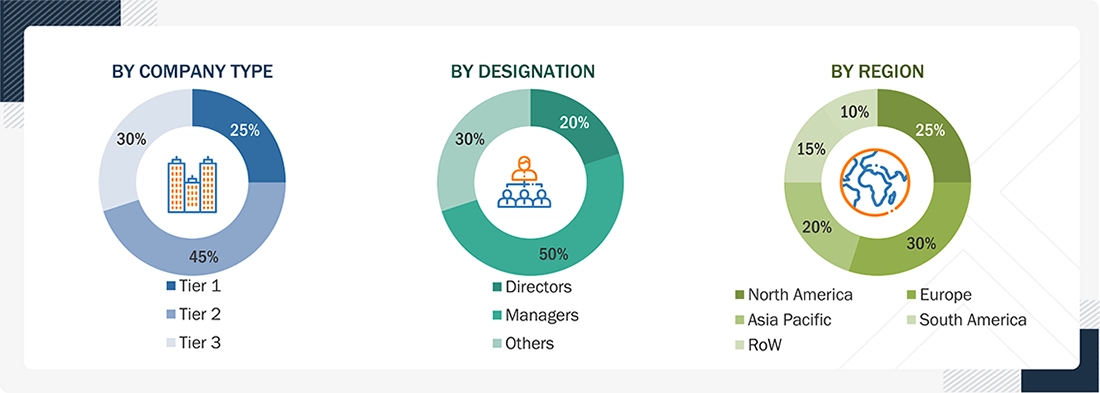
Note: The three tiers of the companies are defined based on their total revenues in 2022 or 2023, as per the availability of financial data: Tier 1: Revenue > USD 1 billion; Tier 2: USD 100 million ≤ Revenue ≤ USD 1 billion; Tier 3: Revenue < USD 100 million.
|
COMPANY NAME |
DESIGNATION |
|
Yara (Norway) |
Sales Manager |
|
Nutrien Ltd. (Canada) |
Territory Sales Manager |
|
ICL (Israel) |
Regional Marketing Manager |
|
Mosaic (US) |
Operation Manager |
|
Haifa Negev Technologies Ltd. (Israel) |
Marketing Manager |
To know about the assumptions considered for the study, download the pdf brochure
Market Size Estimation
The top-down and bottom-up approaches were used to estimate and validate the total size of the controlled-release fertilizers market. These approaches were also used extensively to determine the size of various subsegments in the market. The research methodology used to estimate the market size includes the following details.
- The key players in the industry and the overall markets were identified through extensive secondary research.
- All shares, splits, and breakdowns were determined using secondary sources and verified through primary sources.
- All possible parameters that affect the market covered in this research study were accounted for, viewed in extensive detail, verified through primary research, and analyzed to obtain final quantitative and qualitative data.
- The research included the study of reports, reviews, and newsletters of top market players, along with extensive interviews for opinions from leaders, such as CEOs, directors, and marketing executives.
Controlled-release Fertilizers Market : Top-Down and Bottom-Up Approach
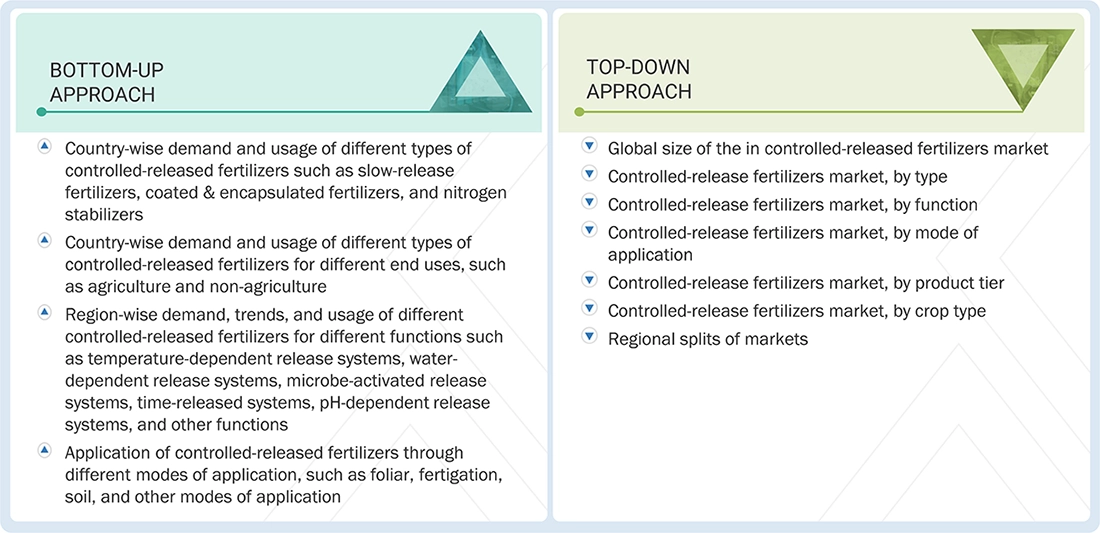
Data Triangulation
After determining the overall market size from the estimation process explained above, the total market was split into several segments and subsegments. The data triangulation and market breakdown procedures were employed, wherever applicable, to estimate the overall controlled-release fertilizers market and arrive at the exact statistics for all segments and subsegments. The data was triangulated by studying various factors and trends from the demand and supply sides. The market size was also validated using the top-down and bottom-up approaches.
Market Definition
According to the Association of American Plant Food Control Officials (AAPFCO), controlled-release fertilizers (CRF) are “fertilizers that contain a plant nutrient in a form the plant cannot immediately absorb. Uptake is delayed after application; hence, CRF provides the plant with available nutrients longer than quick-release fertilizers (QRFs), such as ammonium nitrate or urea, ammonium phosphate, or potassium chloride. Such a delay of initial availability or extended time of continued availability may occur by various mechanisms. These include controlled water solubility of the material (by semipermeable coatings, occlusion, or by inherent water insolubility of polymers, natural nitrogenous organics, protein materials, or other chemical forms), by slow hydrolysis of water-soluble low molecular weight compounds, or by other unknown means.”
Key Stakeholders
- Fertilizer manufacturers, formulators, and blenders
- Fertilizer traders, suppliers, distributors, importers, and exporters
- Fertilizer coating technology providers and polymer manufacturers
- Polymer coating technology-focused market entrants
- Agricultural co-operative societies
- Commercial research & development (R&D) organizations and financial institutions
- Fertilizer associations and industry bodies such as the International Fertilizer Association (IFA), the Association of American Plant Food Control Officials (AAPFCO), and Food and Agriculture Organization (FAO)
- Government agricultural departments and regulatory bodies such as the US Environmental Protection Agency (EPA), US Department of Agriculture (USDA) - Animal and Plant Health Inspection Service (APHIS), and Canadian Food Inspection Agency (CFIA)
Report Objectives
- To determine and project the size of the controlled-release fertilizers market based on type, function, product tier, mode of application, end use, and regions in terms of value over five years, ranging from 2026 to 2031
- To identify the attractive opportunities in the market by determining the largest and fastest-growing segments across regions
- To provide detailed information about the key factors influencing market growth (drivers, restraints, opportunities, and challenges)
- To analyze the opportunities in the market for stakeholders and provide details of the competitive landscape for market leaders
- To analyze the micromarkets concerning individual growth trends, prospects, and their contribution to the total market
- To identify and profile the key players in the controlled-release fertilizers market
- To understand the competitive landscape and identify the major growth strategies adopted by players across the key regions
Available customizations:
With the given market data, MarketsandMarkets offers customizations according to company-specific scientific needs.
The following customization options are available for the report:
Product Analysis
-
Product matrix, which gives a detailed comparison of the product portfolio of each company
Regional Analysis
With the given market data, MarketsandMarkets offers customizations according to company-specific scientific needs:
- Further breakdown of the Rest of Europe controlled-release fertilizers market into key countries
- Further breakdown of the Rest of Asia Pacific controlled-release fertilizers market into key countries
- Further breakdown of the Rest of South America controlled-release fertilizers market into key countries
Company Information
-
Detailed analyses and profiling of additional market players (up to five)
Key Questions Addressed by the Report
What is the current size of the Controlled-release Fertilizers Market?
The global controlled-release fertilizers market is estimated at USD 2.69 billion in 2026 and is projected to reach USD 3.61 billion by 2031, reflecting steady growth driven by increasing adoption of sustainable agricultural practices and precision nutrient management.
What is the expected CAGR of the Controlled-release Fertilizers Market?
The controlled-release fertilizers market is expected to register a Compound Annual Growth Rate (CAGR) of 6.1% during the forecast period from 2026 to 2031. Growth is supported by rising demand for improved fertilizer efficiency, higher crop productivity, and environmentally responsible farming solutions.
What factors are driving the growth of the Controlled-release Fertilizers Market?
Key growth drivers include the increasing adoption of precision agriculture, the need to improve nutrient use efficiency, rising concerns over nutrient losses through leaching and volatilization, growing labor shortages in agriculture, and stricter environmental regulations encouraging sustainable fertilizer use.
Which region holds the largest share of the Controlled-release Fertilizers Market?
North America represents a significant share of the controlled-release fertilizers market due to widespread adoption of advanced farming technologies, high awareness of sustainable agriculture, and strong investments in precision farming practices.
What are the latest trends in the Controlled-release Fertilizers Market?
Major market trends include increasing use of polymer-coated fertilizers, integration of controlled-release fertilizers with precision farming technologies, development of environmentally friendly coating materials, and growing demand for specialty fertilizers that reduce environmental impact while maximizing crop yields.
What opportunities exist in the Controlled-release Fertilizers Market?
The market offers significant opportunities through expanding adoption in emerging agricultural economies, increasing demand for high-value crops, technological advancements in coating materials, and government initiatives promoting sustainable farming and nutrient management practices.
Fact checked
Personalize This Research
- Triangulate with your Own Data
- Get Data as per your Format and Definition
- Gain a Deeper Dive on a Specific Application, Geography, Customer or Competitor
- Any level of Personalization
Let Us Help You
- What are the Known and Unknown Adjacencies Impacting the Controlled-release Fertilizers Market
- What will your New Revenue Sources be?
- Who will be your Top Customer; what will make them switch?
- Defend your Market Share or Win Competitors
- Get a Scorecard for Target Partners

Custom Market Research Services
We Will Customise The Research For You, In Case The Report Listed Above Does Not Meet With Your Requirements
Get 10% Free CustomisationTESTIMONIALS

Business Innovation Director
US Based Leading Agribusiness,
Food and Ingredients ManufacturerI highly appreciate the team's efficiency for a well conducted study that helped us clarify some blind spots in food and agricultural niche markets. Although compiling information for B2B markets is very difficult, the MnM team pulled out the task successfully. The quality of research, level of insights, and responsiveness of team were commendable.
- US Controlled-release Fertilizers Market
- Canada Controlled-release Fertilizers Market
- Mexico Controlled-release Fertilizers Market
- UK Controlled-release Fertilizers Market
- France Controlled-release Fertilizers Market
- Germany Controlled-release Fertilizers Market
- Spain Controlled-release Fertilizers Market
- Italy Controlled-release Fertilizers Market
- China Controlled-release Fertilizers Market
- Japan Controlled-release Fertilizers Market
- India Controlled-release Fertilizers Market
- South Korea Controlled-release Fertilizers Market
- Brazil Controlled-release Fertilizers Market
- Argentina Controlled-release Fertilizers Market
Growth opportunities and latent adjacency in Controlled-release Fertilizers Market






Amit
Feb, 2020
Does this report provide market for US corn controlled release fertilizer?.
User
Dec, 2020
Are microencapsulated fertilizers considered?.
Dennis
Jul, 2026
Which region leads the controlled-release fertilizers market?.
Nicholas
Jul, 2026
What future opportunities exist in the controlled-release fertilizers market?.
Nicholas
Jul, 2026
How do controlled-release fertilizers contribute to sustainable agriculture?.
Joshua
Jul, 2026
Which fertilizer type dominates the controlled-release fertilizers market?.