
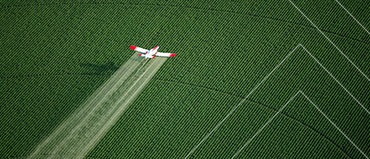
Crop Protection Chemical Market Trends, Growth Drivers, Opportunities, and Future Outlook
The global crop protection chemical market is witnessing substantial growth due to the increasing demand for higher agricultural productivity, rising concerns over crop losses caused by pests and diseases, and the growing need for food security worldwide. Crop protection chemicals play a critical role in modern agriculture by safeguarding crops against weeds, fungi, insects, and other harmful organisms that reduce yield quality and quantity.
With expanding global populations, shrinking arable land, and climate-related agricultural challenges, farmers are increasingly adopting advanced crop protection solutions to maximize farm output. Innovations in biological formulations, precision agriculture, and sustainable farming practices are also transforming the market landscape.
What are Crop Protection Chemicals?
Crop protection chemicals are substances used to protect crops from pests, weeds, fungal infections, and other harmful organisms. These chemicals help improve crop yield, enhance food quality, and minimize agricultural losses.
The major categories of crop protection chemicals include:
- Herbicides
- Insecticides
- Fungicides
- Rodenticides
- Nematicides
- Molluscicides
These products are widely applied across cereals, grains, fruits, vegetables, oilseeds, pulses, and plantation crops.
Crop Protection Chemical Market Overview
The market is expanding steadily due to rising agricultural activities, technological advancements, and increased awareness regarding crop health management. Governments and agricultural organizations worldwide are promoting efficient farming techniques to ensure sustainable food production, which is positively influencing market growth.
Emerging economies across Asia Pacific, Latin America, and Africa are witnessing increased adoption of crop protection chemicals due to expanding commercial farming operations and improved access to agricultural inputs.
Crop Protection Chemical Market Growth Drivers
- Rising Global Food Demand: The rapidly increasing global population is significantly boosting food consumption. Farmers are under pressure to increase agricultural productivity and reduce crop losses, driving the demand for effective crop protection solutions.
- Increasing Pest and Disease Incidence: Climate change and changing environmental conditions are contributing to the spread of pests, insects, and plant diseases. Crop protection chemicals are becoming essential for minimizing crop damage and maintaining consistent yields.
- Limited Arable Land Availability: Urbanization and industrialization are reducing available farmland globally. Farmers are increasingly focusing on maximizing productivity from existing agricultural land through advanced crop protection technologies.
- Advancements in Agricultural Technologies: Precision farming, drone-based spraying systems, smart irrigation, and AI-driven pest monitoring are improving the efficiency of crop protection chemical applications. These technologies help optimize chemical usage while minimizing environmental impact.
- Growth in Commercial Farming: Large-scale commercial farming operations are increasingly investing in advanced agrochemicals to improve operational efficiency and crop profitability.
Crop Protection Chemical Market Challenges
- Environmental and Health Concerns: Excessive use of synthetic crop protection chemicals can negatively impact soil health, water quality, biodiversity, and human health. Regulatory authorities across multiple countries are imposing stricter environmental standards on agrochemical usage.
- Stringent Government Regulations: Several governments have implemented rigorous approval procedures and restrictions on certain active ingredients, increasing compliance costs for manufacturers.
- Rising Demand for Organic Farming: The growing popularity of organic agriculture and chemical-free food products may limit the long-term growth of conventional crop protection chemicals.
Download PDF Brochure: https://www.marketsandmarkets.com/pdfdownloadNew.asp?id=380
Emerging Trends in the Crop Protection Chemical Market
- Increasing Adoption of Biological Crop Protection Products: Biological pesticides and bio-based crop protection solutions are gaining popularity due to their environmentally friendly properties and reduced toxicity levels.
- Precision Agriculture Integration: Precision farming technologies are helping farmers apply chemicals more accurately, reducing wastage and improving crop efficiency.
- Development of Sustainable Agrochemicals: Manufacturers are focusing on low-residue, biodegradable, and eco-friendly crop protection formulations to comply with environmental regulations and consumer preferences.
- Digital Farming Solutions: Agricultural digitalization is enabling real-time pest monitoring, predictive analytics, and automated spraying systems, improving chemical application efficiency.
- Growth of Seed Treatment Chemicals: Seed treatment solutions are becoming increasingly important as they offer early-stage crop protection and improve germination rates.
Market Segmentation
By Product Type
- Herbicides
- Fungicides
- Insecticides
- Others
By Origin
- Synthetic
- Bio-based
By Crop Type
- Cereals & Grains
- Fruits & Vegetables
- Oilseeds & Pulses
- Commercial Crops
- Turf & Ornamentals
By Application Method
- Foliar Spray
- Seed Treatment
- Soil Treatment
- Post-Harvest
Request Sample Pages: https://www.marketsandmarkets.com/requestsampleNew.asp?id=380
Crop Protection Chemical Market Regional Analysis
- North America: North America holds a significant share of the crop protection chemical market due to advanced farming practices, large-scale agriculture, and strong adoption of precision farming technologies.
- Europe: Europe is witnessing increased demand for sustainable and biological crop protection products driven by stringent environmental regulations and rising organic farming practices.
- Asia Pacific: Asia Pacific is expected to experience the fastest growth during the forecast period. Countries such as China and India are increasing agricultural productivity investments to support growing food demand.
- Latin America: Brazil and Argentina are major contributors to market growth due to expanding soybean, corn, and sugarcane cultivation.
- Middle East & Africa: The region is gradually adopting modern agricultural practices to improve food security and address climate-related agricultural challenges.
Competitive Landscape
The crop protection chemical market is highly competitive, with major players focusing on product innovation, strategic collaborations, mergers, acquisitions, and sustainable product development.
Key strategies adopted by leading companies include:
- Expansion of biological product portfolios
- Investment in research & development
- Partnerships with precision agriculture technology providers
- Geographic expansion into emerging markets
- Launch of eco-friendly formulations
Future Outlook
The future of the Crop Protection Chemical Market remains promising as global agriculture continues evolving toward higher productivity and sustainability. The integration of digital agriculture, biological crop protection products, and precision farming technologies will reshape the industry over the coming years.
Increasing investments in agricultural innovation, combined with growing awareness regarding food security, are expected to drive long-term market expansion. Manufacturers focusing on environmentally sustainable and technologically advanced crop protection solutions are likely to gain a competitive advantage.
Make an Inquiry: https://www.marketsandmarkets.com/Enquiry_Before_BuyingNew.asp?id=380
FAQs – Crop Protection Chemical Market
What is the current size of the global Crop Protection Chemical Market?
The global Crop Protection Chemical Market is estimated at USD 83.32 billion in 2025 and is projected to reach USD 106.26 billion by 2030, growing at a CAGR of 5.0% during the forecast period.
What are crop protection chemicals?
Crop protection chemicals are agrochemical products used to protect crops from weeds, pests, fungi, bacteria, and other harmful organisms. These chemicals help improve agricultural productivity, crop quality, and food security.
What factors are driving the growth of the Crop Protection Chemical Market?
The market growth is driven by rising global food demand, shrinking arable land availability, increasing pest resistance, climate variability, and the need to improve crop yield and productivity.
Which segment dominates the Crop Protection Chemical Market by type?
Herbicides currently hold a significant market share, while insecticides are projected to register the highest CAGR during the forecast period.
Which region leads the global Crop Protection Chemical Market?
Asia Pacific dominates the global market due to its large agricultural base, increasing population, and rising demand for enhanced crop productivity.
What are the major types of crop protection chemicals?
The major types include herbicides, insecticides, fungicides, bactericides, nematicides, and biopesticides.
Who are the major players in the Crop Protection Chemical Market?
Key companies operating in the market include BASF SE, Bayer AG, Syngenta Group, Corteva, UPL, and FMC Corporation.
How does climate change impact the Crop Protection Chemical Market?
Climate change increases the spread of pests, weeds, and plant diseases due to fluctuating temperatures and changing weather patterns, thereby increasing the demand for crop protection solutions.
What challenges does the Crop Protection Chemical Market face?
The market faces challenges such as stringent government regulations, environmental concerns, pesticide resistance, and increasing adoption of organic farming practices.
What is the role of synthetic crop protection chemicals in agriculture?
Synthetic crop protection chemicals help farmers manage pests and diseases effectively, improve crop yield, and support large-scale commercial agriculture due to their high efficacy and cost efficiency.
How are technological advancements shaping the market?
Advancements such as precision agriculture, drone spraying, smart formulations, and integrated pest management (IPM) are improving the efficiency and sustainability of crop protection chemicals.
What is the future outlook for the Crop Protection Chemical Market?
The market is expected to witness stable growth due to increasing food security concerns, rising agricultural investments, technological innovations, and growing demand for sustainable crop protection products.
80% of the Forbes Global 2000 B2B companies rely on MarketsandMarkets to identify growth opportunities in emerging technologies and use cases that will have a positive revenue impact.
- Food Packaging Market Size Set for Strong Growth Through 2030 Amid Rising Demand for Convenience Foods
- Mulch Films Market: Driving Sustainable Agriculture Through Innovation
- Agricultural Adjuvants Market Analysis, Trends, and Growth Outlook (2026–2031)
- Crop Protection Chemical Market Size, Share & Growth Forecast (2025–2030)
- Japan Enterprise Asset Management Market Growth: AI and Smart Infrastructure Drive Demand

Emerging Trends and Growth Opportunities in the Crop Protection Chemicals Market
For In-depth Analysis on Crop Protection Chemicals Market
