

Dairy Alternatives Market: Massive Growth Ahead as Consumers Shift Towards Healthier, Sustainable Choices
In the past decade, the global food industry has witnessed a remarkable transformation, particularly in the dairy aisle. As health, sustainability, and ethical considerations take center stage, the market for dairy alternatives is experiencing unprecedented growth worldwide.
According to recent projections, the global dairy alternatives market is expected to reach US$ 43.6 billion by 2028, up from US$ 27.0 billion in 2023, marking a compound annual growth rate (CAGR) of 10.1%. Notably, the market was valued at US$ 24.6 billion in 2022. This upward trajectory shows no sign of slowing, and understanding the drivers behind this trend is key for food industry professionals, investors, and conscious consumers alike.
The Drivers Behind the Shift
1. Health and Wellness Take Priority
The movement towards plant-based diets is fueled by consumers seeking options that align with their health goals. Dairy alternatives—like almond, soy, and oat milk—are popular for being lower in saturated fat and cholesterol-free. Fortified versions can provide supplementary vitamins and minerals, making these options attractive for individuals pursuing balanced nutrition.
2. Addressing Dietary Restrictions and Allergies
A sizable portion of the global population is lactose intolerant or allergic to dairy—conditions that make traditional dairy either uncomfortable or off-limits. Dairy alternatives offer enjoyable options that cater to these needs, allowing more people to enjoy milk-like products without health concerns.
3. Ethical and Environmental Considerations
Concerns over animal welfare and sustainability are pushing more consumers toward vegan and vegetarian diets. Avoiding animal products, including dairy, is seen as a way to reduce environmental impact: the livestock industry notably contributes around 18% to global greenhouse gas emissions, with farmed animals accounting for almost 80% of all emissions within agriculture. Plant-based alternatives offer a way to lower one’s carbon footprint.
4. Innovations and Accessibility
Major industry players and supermarkets are expanding their plant-based offerings, making dairy alternatives more accessible than ever. This has opened a world of new flavors and formats—flavored milks, barista-friendly options, and more—designed to appeal to a broad range of palates and preferences.
Request Custom Data to Address your Specific Business Needs
Major Industry Players
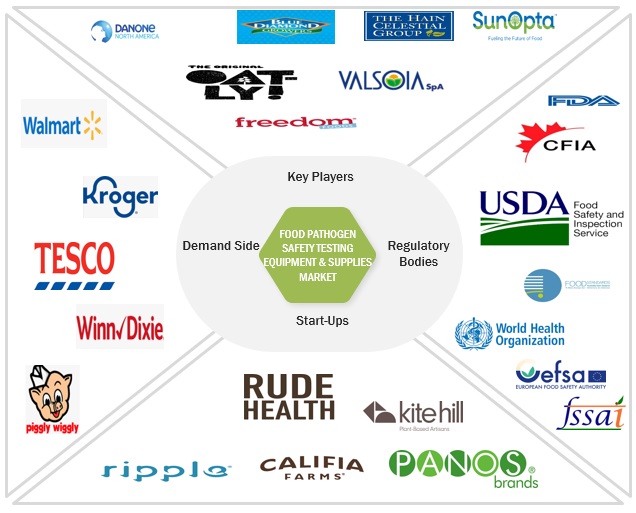
Regional Spotlight: Europe Leads in Dairy Alternatives Growth
Europe, traditionally a stronghold of conventional dairy, is now at the forefront of the dairy alternatives revolution. Consumers in this region are particularly attentive to health, environmental, and ethical concerns. This has spurred rapid growth in plant-based milk sales, with retailers expanding their shelves to include soy, rice, and oat drinks.
Dairy alternatives market trends show major players acquiring and innovating—Danone’s acquisition of WhiteWave Foods is a prime example. According to Fi Global Insights 2021, Germany recently overtook the UK as Europe’s largest market for dairy alternatives, underlining the region’s dynamic shift.
Flavor Innovation and Consumer Appeal
Among the emerging segments, flavored milk alternatives are gaining ground, estimated to grow at a CAGR of 10.4% through 2028. These products offer a creamy, indulgent experience reminiscent of traditional dairy, without the downsides of added sugars and allergens. Low-sugar and fortified versions are especially popular with health-conscious consumers, and their versatility drives usage in smoothies, desserts, and more.
Almond Milk: The Dominant Force
Almond milk has carved out a leading spot in the dairy alternatives industry. Its rich nutritional profile (only 39 calories, 1g protein, and 2.5g fat per cup), distinct nutty flavor, and suitability for vegans and those with lactose intolerance or soymilk allergies make it highly popular.
Almond milk’s environmental footprint also appeals to sustainably minded buyers, requiring less water and resources for production compared to dairy. Major players—Nutriops S.L., Grupo Leche Pascua SA, Danone, and Oatly—are expanding their almond-based portfolios to meet soaring demand.
What’s Next for Dairy Alternatives?
The momentum in the dairy alternatives market is unlikely to slow. With rising consumer advocacy for health, animal welfare, and the environment, investment in research, development, and product innovation continues to accelerate.
For consumers, the options have never been richer or more diverse. From almond and oat to new entrants like pea and flax milk, the future of dairy alternatives is plant-powered, accessible, and responsive to the world’s evolving values.
80% of the Forbes Global 2000 B2B companies rely on MarketsandMarkets to identify growth opportunities in emerging technologies and use cases that will have a positive revenue impact.
- Food Packaging Market Size Set for Strong Growth Through 2030 Amid Rising Demand for Convenience Foods
- Mulch Films Market: Driving Sustainable Agriculture Through Innovation
- Agricultural Adjuvants Market Analysis, Trends, and Growth Outlook (2026–2031)
- Crop Protection Chemical Market Size, Share & Growth Forecast (2025–2030)
- Japan Enterprise Asset Management Market Growth: AI and Smart Infrastructure Drive Demand

