
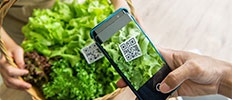
Food Traceability Market: Trends, Technologies & Regional Insights
The global food traceability market is on a strong upward trajectory, driven by growing concerns over food safety, quality, and transparency. According to MarketsandMarkets, the food traceability market size was valued at USD 16.8 billion in 2020 and is projected to hit USD 26.1 billion in 2025, expanding at a CAGR of 9.1%.
With consumers demanding to know where their food comes from—and regulatory bodies tightening compliance standards—traceability solutions are no longer optional. They are becoming essential for every stakeholder in the food supply chain, from farmers to processors, distributors, and retailers.
Why Food Traceability is Gaining Momentum
The need for accurate and real-time tracking of food products is intensifying due to:
- Rising concerns over contamination and product recalls
- Stricter food safety regulations worldwide
- A growing consumer shift toward healthy, transparent food choices
- Accelerated adoption of digital technologies such as RFID, barcodes, GPS, and blockchain
Notably, the food traceability market isn’t just about consumer safety—it also drives operational efficiency, reduces waste, and strengthens brand trust.
Technology & Software Driving the Future
The market is witnessing rapid advancements in both technology and software solutions:
- Technology types: RFID, barcodes, infrared, biometrics, and GPS
- Software solutions: ERP systems, Laboratory Information Management Systems (LIMS), and warehouse management software
One of the most notable projects is the Walmart–IBM blockchain initiative, which allows end-to-end visibility of products within seconds—a major leap in speed and transparency compared to traditional methods.
Schedule a call with our Analysts to discuss your business needs
Regional Highlights
Asia-Pacific:
- India: The Food Safety and Standards Authority of India (FSSAI) is leading initiatives to safeguard quality in both domestic consumption and exports. Collaboration with bodies like MPEDA, Spices Board, and APEDA is making compliance more streamlined.
- China: While still developing its food safety assurance systems, China has implemented stricter regulations to prevent contamination and improve hygiene, positively impacting traceability adoption.
South America:
- Rising incomes and heightened health awareness—especially among millennials—are boosting demand for traceable, high-quality food products.
COVID-19’s Lasting Impact
The pandemic reshaped consumption patterns, pushing demand from foodservice channels toward retail. As more consumers cooked at home, packaged food producers saw spikes in volume and revenue—further emphasizing the need for reliable traceability to meet safety expectations.
Key Players Shaping the Market
Prominent food traceability companies driving innovation include:
C.H. Robinson (US), Bio-Rad Laboratories (US), OPTEL Group (Canada), Cognex (US), Honeywell International (US), SGS SA (Switzerland), Zebra Technologies (US), Bar Code Integrators (US), Merit-Trax (Canada), FoodLogiq (US), Safe Traces (US), Food Forensics (UK), Bext360 (US), rfxcel (US), Covectra (US), SMAG (France), TE-Food (Germany), Mass Group (US), Source Trace (US), Trace One (US), Crest Solutions (Ireland), Traceall Global (UK), and VeeMee (Croatia).
With global supply chains becoming more complex, the global food traceability market will remain a critical pillar in ensuring food safety, regulatory compliance, and consumer confidence. The companies that invest early in robust, tech-driven traceability solutions will be best positioned to lead in this rapidly evolving industry.
Key Questions Addressed by Food Traceability Market Report
1. What is the current size of the global food traceability market?
The market is projected to reach USD 26.1 billion in 2025, growing at a CAGR of 9.1%.
2. Why is food traceability becoming so important?
Food traceability ensures accurate and real-time tracking of food products throughout the supply chain. It is gaining momentum due to:
- Rising concerns over contamination and product recalls
- Stricter global food safety regulations
- Increasing consumer demand for transparency and healthier food choices
- Adoption of advanced digital tracking technologies
3. Which technologies are driving the food traceability market?
Key technologies include:
- RFID for real-time, automated tracking
- Barcodes for product identification
- GPS for location monitoring
-
Infrared and biometrics for authentication and quality checks
Additionally, blockchain is emerging as a game-changer in supply chain transparency.
4. What software solutions are commonly used in food traceability?
Leading software types include:
- ERP systems for integrated supply chain management
- Laboratory Information Management Systems (LIMS) for testing and compliance
- Warehouse management software for inventory and storage tracking
5. Which regions are leading in food traceability adoption?
- Asia-Pacific: India’s FSSAI is working with agencies like MPEDA, Spices Board, and APEDA to strengthen quality standards; China is tightening regulations to improve food safety.
- South America: Growing health awareness and higher incomes are boosting demand for traceable food products.
6. How did COVID-19 impact the food traceability market?
The pandemic shifted demand from restaurants to retail as consumers cooked more at home. This increased the need for reliable, transparent supply chains to ensure packaged food safety.
7. Which companies are leading the global food traceability market?
Major players include C.H. Robinson, Bio-Rad Laboratories, OPTEL Group, Cognex, Honeywell International, SGS SA, Zebra Technologies, FoodLogiq, Safe Traces, TE-Food, and several other innovators focusing on advanced tracking solutions.
8. What are the key benefits of implementing food traceability systems?
- Enhanced food safety and compliance
- Faster and more accurate recall management
- Reduced food waste through better supply chain visibility
- Strengthened brand trust and customer loyalty
9. Is food traceability only relevant for safety purposes?
No. While safety is the core driver, food traceability also boosts operational efficiency, minimizes supply chain losses, and provides a competitive edge in the market.
80% of the Forbes Global 2000 B2B companies rely on MarketsandMarkets to identify growth opportunities in emerging technologies and use cases that will have a positive revenue impact.
- Food Packaging Market Size Set for Strong Growth Through 2030 Amid Rising Demand for Convenience Foods
- Crop Protection Chemical Market Size, Share & Growth Forecast (2025–2030)
- Mulch Films Market: Driving Sustainable Agriculture Through Innovation
- Agricultural Adjuvants Market Analysis, Trends, and Growth Outlook (2026–2031)
- Japan Enterprise Asset Management Market Growth: AI and Smart Infrastructure Drive Demand

