
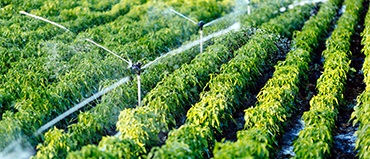
Microirrigation Systems Market: The Future of Precision Irrigation and Sustainable Farming
As global agriculture faces increasing pressure from water scarcity, climate variability, and the need to feed a growing population, efficient irrigation technologies have become more important than ever. Microirrigation systems have emerged as one of the most effective solutions for delivering water directly to plant roots while minimizing waste. These systems not only improve water-use efficiency but also enhance crop productivity, reduce labor costs, and support sustainable agricultural practices.
The microirrigation systems market is witnessing strong growth due to rising investments in precision farming, supportive government initiatives, and increasing awareness of water conservation across both developed and developing economies.
Market Size and Forecast:
- Market Size Value in 2024: USD 12.36 Billion
- Market Size Value in 2025: USD 13.50 Billion
- Revenue Forecast in 2030: USD 21.56 Billion
- Growth Rate: CAGR of 9.8% from 2025 to 2030
- Data available from 2020 to 2030
- Base year: 2024
- Forecast period: 2025–2030
- Asia Pacific accounted for 49.5% of the microirrigation systems market in 2024.
- The micro sprinkler segment is expected to register the highest CAGR of 9.7% during the forecast period.
Why Microirrigation Systems Are Gaining Global Attention
Traditional irrigation methods often result in significant water losses through evaporation, runoff, and uneven distribution. Microirrigation technologies solve these challenges by supplying precise amounts of water exactly where crops need it.
Major advantages include:
- Improved water-use efficiency
- Higher crop yields and quality
- Reduced fertilizer wastage through fertigation
- Lower energy consumption
- Better weed and disease control
- Increased profitability for farmers
With agriculture accounting for nearly 70% of global freshwater consumption, the transition toward efficient irrigation systems is becoming a strategic priority worldwide.
Key Factors Fueling Microirrigation Systems Market Growth
- Growing Water Scarcity: Many agricultural regions are experiencing declining groundwater levels and unpredictable rainfall patterns. Farmers are increasingly adopting microirrigation systems to maximize every drop of water while maintaining crop productivity.
- Rising Adoption of Precision Agriculture
Modern farms are embracing technologies such as:
- IoT-enabled irrigation controllers
- Soil moisture sensors
- GPS-guided farming
- AI-based irrigation scheduling
- Remote monitoring platforms
These technologies work seamlessly with microirrigation systems, enabling data-driven irrigation decisions that improve resource efficiency.
- Government Incentives Supporting Adoption: Several countries are encouraging farmers to modernize irrigation infrastructure through financial assistance programs. Subsidies, low-interest loans, and water conservation policies are accelerating market adoption, particularly across Asia-Pacific, Latin America, and the Middle East.
- Increasing Demand for High-Value Crops: The cultivation of fruits, vegetables, vineyards, flowers, and greenhouse crops requires consistent moisture management. Microirrigation systems help growers improve product quality while optimizing water and nutrient usage.
Download PDF Brochure: https://www.marketsandmarkets.com/pdfdownloadNew.asp?id=566
Market Segmentation
By Irrigation Technology
- Drip Irrigation: Drip irrigation continues to dominate the market due to its exceptional water efficiency. It is widely used in orchards, vineyards, vegetable cultivation, plantations, and commercial farming.
- Micro Sprinklers: Micro sprinklers provide uniform irrigation for orchards, nurseries, and landscape applications. Their ability to irrigate larger root zones makes them suitable for numerous crop varieties.
- Sprays and Jets: These systems are increasingly used in specialty crops and greenhouse cultivation where controlled irrigation is essential.
By Crop Type
Different crop categories are adopting microirrigation technologies at varying rates.
Major applications include:
- Orchard crops
- Vineyards
- Vegetables
- Plantation crops
- Field crops
- Greenhouse cultivation
Among these, orchard crops continue to generate significant market demand due to their higher economic value and irrigation requirements.
By Component
The market includes several essential components that work together to ensure efficient irrigation.
These include:
- Emitters
- Tubes and pipes
- Filters
- Pressure regulators
- Valves
- Controllers
- Pumps
- Fertigation equipment
Continuous innovations in these components are improving system durability, automation, and water distribution accuracy.
Regional Market Outlook
- Asia-Pacific: The Asia Pacific microirrigation systems market is anticipated to grow from USD 6.76 billion in 2025 to USD 11.43 billion in 2030, growing at a CAGR of 11.1%. Asia-Pacific represents the fastest-growing regional market, driven by expanding agricultural modernization, increasing food demand, and strong government support for water-efficient farming. Countries such as India, China, and Australia continue investing heavily in advanced irrigation technologies.
- North America: North American agriculture is rapidly adopting smart irrigation solutions integrated with precision farming technologies. Large commercial farms are investing in automation to improve operational efficiency.
- Europe: European farmers are increasingly implementing sustainable irrigation practices to comply with environmental regulations while improving agricultural productivity.
- Latin America: Agricultural expansion in Brazil, Argentina, and Chile is creating substantial opportunities for microirrigation equipment manufacturers.
- Middle East & Africa: Water scarcity remains the primary growth catalyst across this region. Governments are investing in efficient irrigation infrastructure to improve food security and reduce dependence on imported agricultural products.
Microirrigation Systems Market Trends
- Smart Irrigation Solutions
Digital agriculture is reshaping irrigation management through:
- Mobile-based irrigation control
- Cloud-connected monitoring systems
- Artificial intelligence
- Predictive weather analytics
- Automated irrigation scheduling
These innovations help farmers optimize water usage while reducing operational costs.
- Sustainable Farming Practices: Sustainability has become a central focus across global agriculture. Farmers are increasingly selecting irrigation systems that reduce water consumption, improve fertilizer efficiency, and minimize environmental impact.
- Expansion of Greenhouse Agriculture: Protected cultivation is expanding rapidly due to increasing demand for year-round food production. Microirrigation systems play a vital role in maintaining precise moisture levels inside greenhouses.
- Integration with Fertigation: Combining irrigation and nutrient delivery allows farmers to apply fertilizers directly through irrigation networks, improving nutrient uptake while reducing fertilizer losses.
Challenges Facing the Market
Despite significant growth potential, several challenges continue to affect market expansion.
These include:
- High initial installation costs
- Limited technical awareness among small farmers
- Maintenance requirements
- Clogging of emitters due to poor water quality
- Limited access to financing in developing regions
However, ongoing technological advancements and government support are expected to reduce these barriers over time.
Leading Microirrigation Systems Companies:
Leading manufacturers continue to strengthen their market presence through product innovation, digital irrigation technologies, mergers, partnerships, and geographic expansion.
Major companies operating in the market include:
- Jain Irrigation Systems Ltd. (India)
- Nelson Irrigation (US)
- Rain Bird Corporation (US)
- The Toro Company (US)
- Netafim (Israel)
- Finolex Plasson (India)
- Chinadrip Irrigation Equipment Co., Ltd. (China)
- Rivulis (Israel)
- HUNTER INDUSTRIES (US)
- Antelco (Australia)
- T-L Irrigation (US)
- Elgo Irrigation Ltd. (Israel)
- Irritec S.p.A (Italy)
- Microjet (South Africa)
- Mahindra EPC Irrigation Limited (India)
- Rain drip (US)
- Metro Irrigation (India)
- Kothari Group (India)
- HARVEL AGUA INDIA PRIVATE LIMITED (India)
- Heibei Plentirain Irrigation Equipment Ltd (China)
These companies are investing in smart irrigation platforms that integrate automation, sensors, and cloud-based monitoring for enhanced farm management.
Request Sample Pages: https://www.marketsandmarkets.com/requestsampleNew.asp?id=566
Future Outlook
The future of the microirrigation systems market looks highly promising as agriculture becomes increasingly technology-driven and sustainability-focused. Rising investments in precision farming, expanding adoption of digital agriculture, and growing awareness of efficient water management will continue driving market expansion over the coming years.
As climate change intensifies pressure on global water resources, microirrigation systems will remain a cornerstone of modern agriculture, enabling farmers to produce more with fewer resources while supporting long-term environmental sustainability.
Frequently Asked Questions (FAQs)
What is driving the growth of the Microirrigation Systems Market?
Growing water scarcity, increasing adoption of precision agriculture, government subsidies, and rising demand for high-value crops are the primary growth drivers.
Which irrigation technology dominates the market?
Drip irrigation holds the largest market share due to its superior water efficiency, precise application, and compatibility with fertigation systems.
Which region leads the Microirrigation Systems Market?
Asia-Pacific is the leading regional market owing to rapid agricultural modernization, supportive government initiatives, and increasing investments in water-efficient farming technologies.
How do microirrigation systems support sustainable agriculture?
They reduce water consumption, improve fertilizer efficiency, lower energy usage, minimize runoff, and enhance crop productivity, making farming more environmentally sustainable.
80% of the Forbes Global 2000 B2B companies rely on MarketsandMarkets to identify growth opportunities in emerging technologies and use cases that will have a positive revenue impact.
- Food Packaging Market Size Set for Strong Growth Through 2030 Amid Rising Demand for Convenience Foods
- Mulch Films Market: Driving Sustainable Agriculture Through Innovation
- Agricultural Adjuvants Market Analysis, Trends, and Growth Outlook (2026–2031)
- Crop Protection Chemical Market Size, Share & Growth Forecast (2025–2030)
- Japan Enterprise Asset Management Market Growth: AI and Smart Infrastructure Drive Demand

Emerging Trends and Growth Opportunities in the Microirrigation Systems Market
