
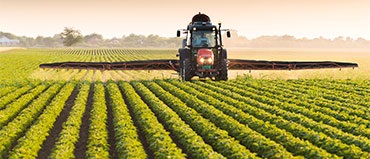
Nematicides Market Size, Share & Growth Analysis (2025–2030)
The global nematicides market is witnessing steady expansion as agricultural producers intensify efforts to protect crops from destructive nematode infestations. The market is projected to grow from USD 2.25 billion in 2025 to USD 3.06 billion by 2030, registering a CAGR of 6.4% during the forecast period. Rising crop losses caused by plant-parasitic nematodes, increasing cultivation of high-value crops, and the growing need to maximize productivity on limited arable land are among the major factors driving market growth.
Nematicides are increasingly becoming an essential component of integrated crop protection strategies, particularly in regions facing high nematode pressure and intensive farming practices. Technological advancements in seed-applied treatments, precision agriculture, and integrated pest management (IPM) are further enhancing the efficiency and adoption of nematicide solutions worldwide.
Growing Demand for Effective Nematode Control Solutions
Plant-parasitic nematodes significantly reduce crop yields and quality by attacking plant roots, restricting nutrient uptake, and weakening crop development. Crops such as soybeans, corn, cotton, potatoes, tomatoes, citrus fruits, and vegetables are especially vulnerable to nematode infestations.
As global food demand continues to rise, farmers are increasingly investing in advanced crop protection technologies to improve productivity and profitability. In addition, stricter environmental regulations limiting the use of chemical fumigants are accelerating the transition toward biological and bio-based nematicides.
Key growth drivers influencing the nematicides market include:
- Increasing crop losses caused by nematode infestations
- Rising demand for high-value fruits and vegetables
- Expansion of precision farming and integrated pest management practices
- Adoption of seed-applied nematicide treatments
- Technological advancements in liquid and granular formulations
- Growing preference for sustainable and residue-free crop protection products
- Supportive government regulations and agricultural policies
- Strategic investments and product innovation by agrochemical companies
Download PDF Brochure: https://www.marketsandmarkets.com/pdfdownloadNew.asp?id=193252005
Soil Dressing Segment to Hold Significant Market Share by Mode of Application
Based on mode of application, the soil dressing segment is expected to account for a significant share of the global nematicides market during the forecast period. Soil dressing is widely preferred because it directly targets nematodes present in the soil, where root damage and crop infection typically begin.
This application method enables uniform distribution of nematicides throughout the root zone, providing prolonged protection against nematode attacks. Farmers favor soil dressing because it supports stronger root establishment, improves nutrient absorption, and contributes to higher crop yields.
The effectiveness of soil dressing is particularly important in intensive farming systems, where maintaining consistent crop health and productivity is critical. Technological improvements in formulation development, including advanced granular and liquid products, have also enhanced ease of application, safety, and efficiency.
Key Benefits of Soil Dressing in Nematicide Application:
- Direct targeting of soil-borne nematodes
- Improved root zone penetration
- Enhanced nutrient uptake and root development
- Reduced product wastage through precise application
- Long-lasting crop protection
- Compatibility with sustainable farming practices
As sustainable agriculture gains momentum globally, soil dressing continues to remain a preferred and reliable method for nematode management.
Fruits & Vegetables Segment to Dominate the Nematicides Market
By crop type, the fruits & vegetables segment is projected to hold the largest market share throughout the forecast period. This dominance is primarily attributed to the high commercial value of horticultural crops and their increased vulnerability to nematode infestations.
Root-knot nematodes and cyst nematodes are among the most damaging pests affecting crops such as:
- Tomatoes
- Cucumbers
- Potatoes
- Carrots
- Citrus fruits
- Peppers
- Leafy vegetables
These infestations can lead to severe yield losses, reduced crop quality, and lower market value. As consumer demand for fresh, healthy, and residue-free produce continues to grow, growers are increasingly adopting both chemical and biological nematicides to maintain crop productivity and quality standards.
Protected cultivation systems and year-round horticultural production in regions such as North America, Europe, and Asia Pacific are also contributing to rising nematicide usage. Furthermore, the adoption of advanced seed-applied formulations and bio-based products is strengthening the market position of the fruits & vegetables segment.
Request Sample Pages: https://www.marketsandmarkets.com/requestsampleNew.asp?id=193252005
North America to Lead the Global Nematicides Market
North America is expected to account for the largest share of the global nematicides market during the forecast period. The region’s leadership is primarily driven by extensive cultivation of high-value crops, including soybeans, corn, cotton, and vegetables, which are highly susceptible to nematode attacks.
Plant-parasitic nematodes such as soybean cyst nematodes, root-knot nematodes, and lesion nematodes cause substantial economic losses across the US and Canada. As a result, farmers in the region increasingly rely on advanced nematicide solutions to maximize yields and maintain profitability.
Factors Driving Market Growth in North America
- Adoption of Precision Agriculture: Large-scale mechanized farming operations in North America have accelerated the integration of nematicides into precision agriculture systems. Farmers are using targeted application technologies and data-driven farming techniques to improve efficiency and reduce crop damage.
- Increased Use of Seed-Applied Nematicides: Seed-applied nematicides are gaining strong traction due to their cost-effectiveness and season-long protection capabilities. These treatments align with modern sustainable farming practices by minimizing excessive chemical applications.
- Strong Research & Development Support: Leading agrochemical companies, land-grant universities, and government-supported agricultural extension programs are continuously promoting awareness and innovation in nematode management technologies.
- Growing Demand for Sustainable Products: Consumer demand for environmentally safe and residue-free produce is encouraging the adoption of biological and bio-based nematicides across the region. Favorable regulatory policies are also supporting the commercialization of eco-friendly crop protection products.
Leading Nematicides Companies:
The global nematicides market is highly competitive, with leading agrochemical and biological solution providers investing heavily in research, innovation, and sustainable product development.
Key companies operating in the market include:
- BASF SE
- Bayer AG
- UPL
- Corteva
- Novonesis Group
- FMC Corporation
- Nufarm
- Syngenta
- American Vanguard Corporation
- Sumitomo Chemicals
These companies are focusing on expanding their biological product portfolios, improving formulation technologies, and strengthening distribution networks to capitalize on the growing global demand for sustainable nematode management solutions.
Future Outlook of the Nematicides Market
The future of the nematicides market appears promising as agriculture continues to evolve toward sustainability, precision farming, and higher productivity. Rising awareness about soil health, increasing demand for residue-free food products, and technological advancements in biological crop protection are expected to create new growth opportunities over the coming years.
As farmers seek more efficient and environmentally responsible methods to combat nematode infestations, the adoption of advanced nematicide solutions is expected to accelerate globally through 2030.
80% of the Forbes Global 2000 B2B companies rely on MarketsandMarkets to identify growth opportunities in emerging technologies and use cases that will have a positive revenue impact.
- Food Packaging Market Size Set for Strong Growth Through 2030 Amid Rising Demand for Convenience Foods
- Crop Protection Chemical Market Size, Share & Growth Forecast (2025–2030)
- Mulch Films Market: Driving Sustainable Agriculture Through Innovation
- Agricultural Adjuvants Market Analysis, Trends, and Growth Outlook (2026–2031)
- Japan Enterprise Asset Management Market Growth: AI and Smart Infrastructure Drive Demand

Emerging Trends and Growth Opportunities in the Nematicides Market
For In-depth Analysis on Nematicides Market
