

Plant Biotechnology Market Outlook: Trends, Drivers, and Forecasts to 2030
The plant biotechnology market is estimated at USD 51.73 billion in 2025 and is projected to reach USD 76.79 billion by 2030, at a CAGR of 8.2% from 2025 to 2030. This substantial growth is underpinned by several key factors, including increasing global food demand, technological advancements in genetic engineering, rising investments from both public and private sectors, and growing acceptance of genetically modified crops in various regions. The global plant biotechnology market has emerged as a critical sector at the intersection of agricultural innovation, environmental sustainability, and food security. Over the past decade, this market has experienced remarkable growth, driven by escalating global population, climate change challenges, and the urgent need for more resilient and productive agricultural systems. Plant biotechnology represents a sophisticated approach to addressing some of the most pressing agricultural and environmental challenges of our time, leveraging advanced genetic and molecular techniques to enhance crop performance, resistance, and nutritional value.
What is Plant Biotechnology?
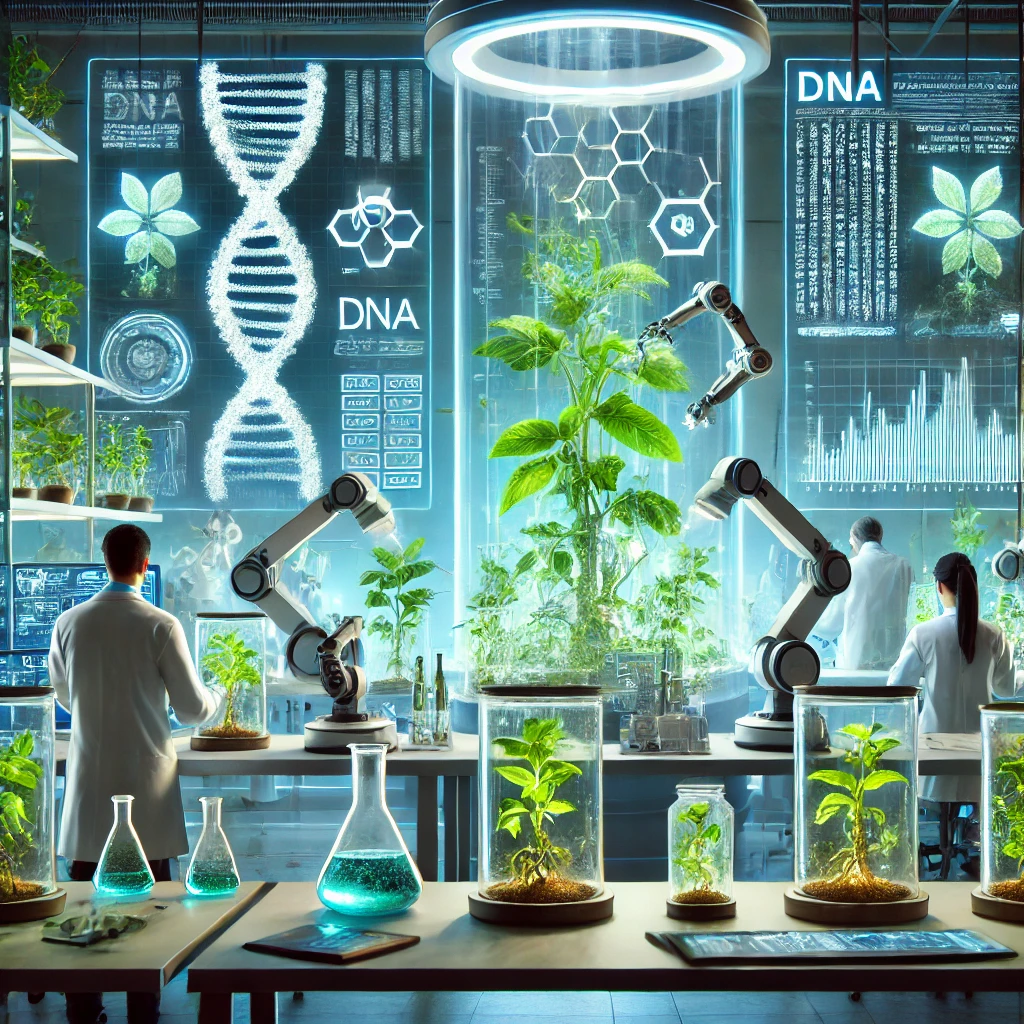
Plant biotechnology involves the use of scientific techniques such as genetic engineering, molecular biology, and tissue culture to modify plant traits for specific benefits. These can include improving crop resistance to diseases, enhancing tolerance to drought or salinity, and boosting nutritional value.
Common applications of plant biotechnology include:
- Genetically Modified Organisms (GMOs)
- Marker-Assisted Breeding
- RNA Interference (RNAi)
- CRISPR Gene Editing
- Tissue Culture and Micropropagation
Download PDF Brochure: https://www.marketsandmarkets.com/pdfdownloadNew.asp?id=225105561
The biotech seeds/traits segment holds the highest market share in the product segment of plant biotechnology market.
Biotech seeds, also known as genetically modified (GM) or genetically engineered (GE) seeds, are a cornerstone of modern plant biotechnology. These seeds have been developed using advanced genetic engineering techniques to introduce specific traits that enhance crop productivity, resistance to pests and diseases, tolerance to herbicides, and resilience against environmental stress. The use of biotech seeds has significantly transformed global agriculture, helping farmers increase yields, reduce input costs, and adopt more sustainable farming practices. The global demand for biotech seeds continues to rise due to increasing food security concerns, climate change, and the need to optimize agricultural land use.
One of the most widely adopted biotech traits is herbicide tolerance (HT), which allows crops to withstand specific herbicides, making weed management easier and more efficient. Herbicide-tolerant crops, such as glyphosate-resistant soybeans, corn, and cotton, enable farmers to use broad-spectrum herbicides without harming the crops. This reduces the need for mechanical tillage, helping to conserve soil structure and moisture while decreasing overall herbicide application. HT crops have been widely adopted in North and South America, where large-scale commercial farming benefits from streamlined weed control. However, the rise of herbicide-resistant weeds has prompted research into developing next-generation HT traits and integrated weed management strategies to maintain effectiveness.
By technology, genetic engineering segment to hold significant market share during forecast period.
Genetic engineering enhances crop resistance to environmental stresses and minimizes the need for pesticides, fungicides, and fertilizers. Particular genetic changes can be introduced to include useful agronomic traits from related or unrelated species. In addition, genetic alteration of a plant adjusts its already inherited genetic make-up through processes such as knockout of genes, knocking down or overexpression. Genetic modifications improve crops by enhancing desirable traits and reducing unwanted characteristics. Regulatory agencies like the FDA, EPA, and USDA conduct thorough safety assessments, ensuring genetically modified foods minimize health risks while promoting stress-resistant, high-yield crops with reduced agrochemical reliance.
Genetic modification has transformed farming by creating crops that are resistant to disease and environmental stress. These changes cut down on chemical use, improve food security, and enhance sustainability. Genetically modified crops such as soybeans, corn, and cotton showcase how biotechnology can produce stronger and more ecologically friendly agriculture.
Request Sample Pages: https://www.marketsandmarkets.com/requestsampleNew.asp?id=225105561
Asia Pacific to register highest CAGR during forecast period.
The Asia Pacific region, which comprises countries such as China, India, Japan, Australia, and New Zealand, is the focal point of global agriculture. With a high proportion of the world's population in this region, it is faced with the pressing challenge of ensuring food security amidst limited arable land and changing climatic trends. Biotechnology has become a key tool in fighting these challenges, with new ways in plant cultivation, biological crop protection, and the production of biotech seeds that have greater tolerance to environmental stresses.
In the Asia Pacific, a number of nations have embraced biotechnological innovations to support agricultural productivity. For example, the Philippines has been at the forefront in this area, authorizing Bt cotton as the fourth genetically modified crop for commercial cultivation, after corn, rice, and eggplant. In 2022, the Philippines had 576,000 hectares of biotech corn planted, highlighting the nation's support for biotech crops (USDA 2022). Likewise, China has made tremendous progress by approving several genetically modified (GM) crop varieties to increase yields and provide food security.
Leading Plant Biotechnology Companies:
The report profiles key players such as BASF SE (Germany), Bayer AG (Germany), Corteva Agroscience (US), Syngenta AG ( Switzerland), FMC Corporation (US), UPL (India), Sumitomo Chemical Co. Ltd. (Japan), Nufarm (Australia), KWS SAAT SE & Co. KGAA (Germany), Pro Farm Group (US), Limagrain (France), STK Bio AG Technologies (Israel), Vestaron Corporation (US), Certis USA LLC (US), DLF Seeds (Denmark).
Key Questions Addressed by the Plant Biotechnology Market Report:
- What is plant biotechnology and why is it important for the future?
- What are the most promising technologies shaping the future of plant biotechnology?
- How will plant biotechnology contribute to sustainable agriculture?
- What role does plant biotechnology play in addressing climate change?
- What are some emerging non-food applications of plant biotechnology?
- What are the main challenges and ethical concerns facing plant biotechnology?
- How is public acceptance influencing the adoption of plant biotechnology?
- What is the future outlook for plant biotechnology?
Recent Developments in the Plant Biotechnology Industry:
In September 2024, FMC Corporation entered into an agreement with Ballagro Agro Tecnologia Ltda., a leader in fungi-based biosolutions, to expand its biologicals platform in Brazil. Under the agreement, FMC Brazil will license and distribute key biosolutions from Ballagro, combining FMC’s expertise in microbial solutions with Ballagro’s specialization in fungi-based technologies. This strengthens FMC's position in the biosolutions market by offering Brazilian growers access to advanced crop protection solutions, aligning with FMC's strategic plan to drive innovation and growth in its global Plant Health business.
In April 2022, KWS SAAT SE & Co. KGaA concluded its Euro 51 million investment package for expanding and modernizing sugar beet seed production by opening a new seed pelleting facility in Einbeck. The project, implemented in phases, has increased capacities and improved customers' supply with a wider variety of seeds, making sugarbeet seed production better equipped for future needs.
80% of the Forbes Global 2000 B2B companies rely on MarketsandMarkets to identify growth opportunities in emerging technologies and use cases that will have a positive revenue impact.
- Food Packaging Market Size Set for Strong Growth Through 2030 Amid Rising Demand for Convenience Foods
- Crop Protection Chemical Market Size, Share & Growth Forecast (2025–2030)
- Mulch Films Market: Driving Sustainable Agriculture Through Innovation
- Agricultural Adjuvants Market Analysis, Trends, and Growth Outlook (2026–2031)
- Japan Enterprise Asset Management Market Growth: AI and Smart Infrastructure Drive Demand

Emerging Trends and Growth Opportunities in the Plant Biotechnology Market
