
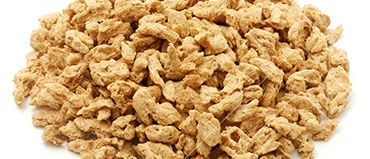
United States Textured Vegetable Protein Market Growth, Trends, Opportunities, and Future Outlook
The United States Textured Vegetable Protein Market is witnessing significant expansion as consumers increasingly seek sustainable, nutritious, and affordable protein alternatives. Growing awareness of plant-based nutrition, rising vegan and flexitarian populations, and increasing innovation in meat alternatives are driving demand for textured vegetable protein (TVP) across the country.
Textured vegetable protein is produced primarily from soy, pea, and wheat proteins, as well as other plant-based ingredients, through an extrusion process that creates a fibrous, meat-like texture. Its excellent protein content, versatility, long shelf life, and cost-effectiveness have made it a preferred ingredient in plant-based burgers, sausages, nuggets, ready meals, soups, snacks, and processed foods.
The United States remains one of the world's largest consumers of plant-based foods, making it a key market for TVP manufacturers and food innovators.
What is Textured Vegetable Protein?
Textured vegetable protein (TVP) is a highly nutritious, plant-derived protein ingredient manufactured by extruding vegetable proteins into meat-like fibers.
TVP is valued for its:
- High protein concentration
- Low fat content
- Cholesterol-free composition
- Long shelf life
- Excellent water absorption
- Meat-like texture
- Cost efficiency
Common raw materials include:
- Soy protein
- Pea protein
- Wheat gluten
- Faba bean protein
- Rice protein
- Chickpea protein
Download PDF Brochure: https://www.marketsandmarkets.com/pdfdownloadNew.asp?id=264440297
Key Drivers of the United States Textured Vegetable Protein Market
- Growing Demand for Plant-Based Foods: Consumers across the United States are increasingly choosing plant-based diets for health, environmental, and ethical reasons. This trend has significantly boosted demand for TVP in meat substitutes and protein-rich foods.
- Rising Health Consciousness: Americans are becoming more aware of nutrition, leading to greater consumption of foods that are:
- High in protein
- Low in saturated fat
- Cholesterol-free
- Rich in dietary fiber
- Suitable for weight management
- TVP aligns well with these nutritional preferences.
- Expansion of Meat Alternative Products: Food manufacturers continue introducing innovative products, including:
- Plant-based burgers
- Vegan sausages
- Meatless meatballs
- Plant-based chicken
- Frozen ready meals
- High-protein snacks
- TVP serves as a primary structural ingredient in many of these products.
- Sustainability and Environmental Awareness: Compared to conventional meat production, textured vegetable protein requires fewer natural resources and produces lower greenhouse gas emissions.
- As sustainability becomes a purchasing factor, demand for plant-based proteins continues to rise.
- Foodservice Industry Adoption: Restaurants, quick-service chains, institutional kitchens, and meal delivery services are expanding plant-based menu offerings to attract a broader customer base.
Key Trends Shaping the United States Textured Vegetable Protein Industry:
- Clean Label Ingredients
- Consumers increasingly prefer products containing:
- Natural ingredients
- Minimal processing
- Non-GMO ingredients
- Organic proteins
- Simple ingredient labels
Manufacturers are reformulating TVP products to meet these expectations.
- Growth of Pea Protein-Based TVP: Although soy remains dominant, pea protein has emerged as one of the fastest-growing alternatives because it is:
- Allergen-friendly
- Sustainable
- High in protein
- Non-GMO friendly
- Suitable for clean-label products
- Improved Texture and Taste: Advancements in extrusion technology have enabled manufacturers to produce TVP with:
- Better texture
- Improved juiciness
- Enhanced flavor retention
- Superior mouthfeel
These innovations help improve consumer acceptance of meat alternatives.
- High-Protein Functional Foods: TVP is increasingly incorporated into:
- Protein bars
- Breakfast foods
- Frozen meals
- Ready-to-cook products
- Nutritional supplements
- Sports nutrition products
- Innovation in Hybrid Protein Products: Manufacturers are developing hybrid foods that combine plant proteins with traditional meat, creating products that appeal to consumers seeking healthier options without completely eliminating meat.
Request Sample Pages: https://www.marketsandmarkets.com/requestsampleNew.asp?id=264440297
United States Textured Vegetable Protein Market Segmentation
By Source
- Soy Protein
- Pea Protein
- Wheat Protein
- Rice Protein
- Faba Bean Protein
- Other Plant Proteins
By Form
- Chunks
- Flakes
- Granules
- Slices
- Crumbles
By Application
- Meat Alternatives
- Ready-to-Eat Foods
- Frozen Foods
- Bakery Products
- Snacks
- Soups
- Convenience Foods
- Foodservice
Competitive Landscape
The U.S. market is highly competitive, with companies investing in product innovation, sustainable sourcing, production capacity expansion, and strategic partnerships.
Key competitive strategies include:
- New product development
- Advanced extrusion technologies
- Clean-label formulations
- Organic certifications
- Non-GMO product offerings
- Supply chain optimization
- Strategic acquisitions
- Expansion of manufacturing facilities
Make an Inquiry: https://www.marketsandmarkets.com/Enquiry_Before_BuyingNew.asp?id=264440297
Emerging Opportunities in the United States Textured Vegetable Protein Market
Several opportunities are expected to accelerate market growth over the coming years.
- Expansion of premium plant-based foods
- Increased demand for sustainable protein
- Growth in private-label products
- Rising exports of plant-based ingredients
- Technological advancements in protein processing
- Personalized nutrition
- Functional food innovation
- Expansion into institutional foodservice
Future Outlook
The future of the United States textured vegetable protein market remains promising. Growing consumer awareness regarding nutrition, sustainability, and plant-based diets is expected to sustain long-term demand. Continued innovation in protein extraction technologies, flavor development, and extrusion processing will further enhance product quality and expand applications across multiple food categories.
As manufacturers invest in research and development while responding to evolving consumer preferences for healthier and environmentally responsible foods, the U.S. textured vegetable protein market is positioned for steady growth in the coming years.
Get 10% Free Customization on this Report: https://www.marketsandmarkets.com/requestCustomizationNew.asp?id=264440297
Frequently Asked Questions (FAQs)
1. What is textured vegetable protein (TVP)?
Textured vegetable protein is a plant-based protein ingredient made primarily from soy, pea, wheat, or other vegetable proteins. It is processed into a fibrous structure that closely resembles the texture of meat.
2. What is driving the United States textured vegetable protein market?
Major growth drivers include increasing demand for plant-based foods, rising health consciousness, sustainability concerns, expanding vegan and flexitarian populations, and continuous innovation in meat alternatives.
3. Which industries use textured vegetable protein?
TVP is widely used in meat substitutes, frozen foods, ready meals, snacks, soups, bakery products, convenience foods, and foodservice applications.
4. What are the major sources of textured vegetable protein?
The most common sources include soy protein, pea protein, wheat protein, rice protein, chickpea protein, and faba bean protein.
5. What challenges does the market face?
Key challenges include raw material price volatility, consumer perceptions of processed foods, taste optimization, and compliance with food labeling and regulatory requirements.
6. Why is pea protein becoming popular in TVP production?
Pea protein is gaining popularity because it is allergen-friendly, non-GMO, sustainable, and offers excellent nutritional value while meeting clean-label consumer preferences.
7. What are the future opportunities in the United States textured vegetable protein market?
Future opportunities include clean-label innovations, premium plant-based foods, functional nutrition, advanced extrusion technologies, sustainable protein production, and expanding foodservice applications.
80% of the Forbes Global 2000 B2B companies rely on MarketsandMarkets to identify growth opportunities in emerging technologies and use cases that will have a positive revenue impact.
- Food Packaging Market Size Set for Strong Growth Through 2030 Amid Rising Demand for Convenience Foods
- Mulch Films Market: Driving Sustainable Agriculture Through Innovation
- Agricultural Adjuvants Market Analysis, Trends, and Growth Outlook (2026–2031)
- Crop Protection Chemical Market Size, Share & Growth Forecast (2025–2030)
- Japan Enterprise Asset Management Market Growth: AI and Smart Infrastructure Drive Demand

Emerging Trends and Growth Opportunities in the United States Textured Vegetable Protein Market
For In-depth Analysis on United States Textured Vegetable Protein Market
