
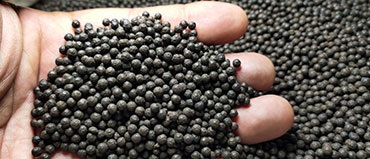
US Controlled Release Fertilizers Market Growth, Trends, Outlook, and Opportunities Through 2030
The US controlled release fertilizers market is witnessing steady growth as American agriculture increasingly adopts innovative crop nutrition solutions to improve productivity while minimizing environmental impact. Controlled release fertilizers (CRFs) gradually release nutrients over an extended period, allowing crops to absorb nutrients more efficiently while reducing nutrient losses caused by leaching, volatilization, and runoff.
Growing concerns about sustainable farming, rising fertilizer costs, stringent environmental regulations, and the adoption of precision agriculture technologies are encouraging farmers across the United States to shift toward advanced fertilizer solutions. These products improve nutrient use efficiency, reduce application frequency, lower labor costs, and enhance crop yields.
As climate variability continues to influence farming practices, controlled release fertilizers are becoming an essential component of modern agricultural systems across row crops, specialty crops, turf management, landscaping, and horticulture.
What Are Controlled Release Fertilizers?
Controlled release fertilizers are specially formulated fertilizers coated with polymer, resin, sulfur, or biodegradable materials that regulate nutrient release over a predetermined period. Unlike conventional fertilizers that release nutrients immediately after application, CRFs deliver nutrients gradually according to crop demand.
Major nutrients supplied include:
- Nitrogen (N)
- Phosphorus (P)
- Potassium (K)
- Micronutrients
This controlled nutrient availability improves fertilizer efficiency while reducing environmental pollution.
US Controlled Release Fertilizers Market Growth Drivers
- Growing Focus on Sustainable Agriculture: American farmers are increasingly adopting environmentally responsible farming practices. Controlled release fertilizers reduce nutrient losses, helping decrease groundwater contamination and greenhouse gas emissions while improving overall soil health.
- Expansion of Precision Agriculture: The rapid adoption of precision farming technologies, GPS-guided equipment, drone monitoring, soil sensors, and data-driven nutrient management is increasing demand for fertilizers that deliver nutrients consistently throughout crop growth cycles.
- Rising Labor Costs: Since controlled release fertilizers require fewer applications compared to traditional fertilizers, growers can significantly reduce labor expenses and operational costs.
- Increasing Demand for High Crop Productivity: The growing demand for food, feed, and biofuel crops is encouraging farmers to maximize yields while improving fertilizer efficiency. Controlled release fertilizers provide balanced nutrient availability that supports healthier plant development.
- Government Support for Sustainable Nutrient Management: Federal and state initiatives promoting nutrient stewardship and environmentally friendly farming practices are encouraging wider adoption of enhanced-efficiency fertilizers.
Key Trends Shaping the US Controlled Release Fertilizers Industry
- Rising Adoption of Biodegradable Coatings: Manufacturers are increasingly investing in biodegradable polymer coatings to reduce plastic waste while maintaining controlled nutrient release.
- Smart Fertilizer Technologies: Advanced formulations integrated with precision agriculture systems are becoming increasingly popular, enabling optimized nutrient delivery based on crop requirements.
- Increasing Demand in Specialty Crops: High-value fruits, vegetables, ornamental plants, nurseries, and greenhouse production are driving significant demand due to their requirement for precise nutrient management.
- Growth in Organic and Sustainable Farming: Although conventional CRFs dominate the market, manufacturers are developing environmentally friendly formulations compatible with sustainable farming practices.
- Expansion in Turf and Landscaping Applications: Controlled release fertilizers are widely used across:
- Golf courses
- Sports fields
- Public parks
- Residential lawns
- Commercial landscaping
These applications benefit from consistent nutrient availability and reduced maintenance.
Market Challenges
Despite strong growth prospects, several challenges remain.
- High Product Costs: Controlled release fertilizers are generally more expensive than conventional fertilizers, limiting adoption among small-scale growers.
- Weather Dependency: Temperature and soil moisture influence nutrient release rates, affecting fertilizer performance under varying climatic conditions.
- Limited Farmer Awareness: Many growers remain unfamiliar with the long-term economic benefits of controlled release fertilizer technologies.
- Availability of Low-Cost Conventional Fertilizers: Traditional fertilizers continue to dominate due to lower upfront costs and widespread availability.
Download PDF Brochure: https://www.marketsandmarkets.com/pdfdownloadNew.asp?id=136099624
Emerging Opportunities in the US Controlled Release Fertilizers Market
The market presents numerous growth opportunities, including:
- Development of biodegradable coating technologies
- Precision nutrient management solutions
- Expansion into greenhouse farming
- Growth in horticulture production
- Increasing adoption in urban landscaping
- Smart agriculture integration
- Digital farming partnerships
- Climate-resilient fertilizer formulations
Market Segmentation
By Coating Type
- Polymer Coated Fertilizers
- Sulfur Coated Fertilizers
- Resin Coated Fertilizers
- Biodegradable Coated Fertilizers
By Nutrient Type
- Nitrogen
- Phosphorus
- Potassium
- Micronutrients
By Application
- Agriculture
- Horticulture
- Turf Management
- Ornamental Plants
- Landscaping
- Greenhouse Production
By Crop Type
- Cereals
- Oilseeds
- Fruits
- Vegetables
- Plantation Crops
- Turf Grass
- Nursery Plants
Request Sample Pages: https://www.marketsandmarkets.com/requestsampleNew.asp?id=136099624
Competitive Landscape
Several leading companies are strengthening their presence through innovation, acquisitions, strategic partnerships, and product development.
Major companies include:
- Nutrien Ltd.
- Yara International
- ICL Group
- The Mosaic Company
- ScottsMiracle-Gro
- Koch Agronomic Services
- Haifa Group
- Kingenta Ecological Engineering
- SQM
- Helena Agri-Enterprises
These companies continue investing in advanced coating technologies, sustainable fertilizer formulations, and precision agriculture solutions.
Regional Outlook within the United States
Demand remains particularly strong across major agricultural regions, including:
- Midwest Corn Belt
- California specialty crop regions
- Pacific Northwest
- Southeast horticulture sector
- Southern cotton-growing regions
Large-scale commercial farming operations are expected to remain the primary consumers due to greater adoption of advanced nutrient management technologies.
Make an Inquiry: https://www.marketsandmarkets.com/Enquiry_Before_BuyingNew.asp?id=136099624
Future Outlook
The future of the US controlled release fertilizers market appears highly promising as growers continue prioritizing productivity, sustainability, and resource efficiency. Increasing investments in smart farming technologies, precision nutrient management, biodegradable fertilizer coatings, and environmentally responsible agricultural practices are expected to support long-term market growth.
As regulatory agencies place greater emphasis on reducing nutrient runoff and improving fertilizer efficiency, controlled release fertilizers will play an increasingly important role in modern American agriculture.
Conclusion
The US controlled release fertilizers market is evolving rapidly with growing emphasis on sustainable crop production and precision nutrient management. Although higher product costs remain a challenge, long-term benefits including improved nutrient efficiency, reduced labor requirements, higher yields, and lower environmental impact continue to drive adoption across diverse agricultural applications.
Technological innovations, government support for sustainable farming, and increasing awareness among growers are expected to create substantial growth opportunities for manufacturers and stakeholders throughout the forecast period.
Get 10% Free Customization on this Report: https://www.marketsandmarkets.com/requestCustomizationNew.asp?id=136099624
Frequently Asked Questions (FAQs)
1. What is the US Controlled Release Fertilizers Market?
The US Controlled Release Fertilizers Market consists of specialty fertilizers that release nutrients gradually over time, improving nutrient efficiency while reducing fertilizer losses and environmental impact.
2. What factors are driving US controlled release fertilizers market growth?
Major growth drivers include precision agriculture adoption, sustainable farming practices, increasing crop productivity demands, labor savings, and environmental regulations.
3. Which crops commonly use controlled release fertilizers?
Controlled release fertilizers are widely used for cereals, fruits, vegetables, turfgrass, ornamentals, greenhouse crops, nurseries, and specialty crops.
4. What are the advantages of controlled release fertilizers?
Key benefits include improved nutrient use efficiency, reduced nutrient runoff, fewer fertilizer applications, higher crop yields, lower labor costs, and enhanced environmental sustainability.
5. What challenges does the market face?
Challenges include higher product costs, limited awareness among some growers, weather-related nutrient release variability, and manufacturing complexity.
6. Which regions drive demand in the United States?
The Midwest dominates demand due to large-scale row crop production, while California, Florida, and Texas contribute significantly through specialty crop cultivation.
7. What technologies are shaping the future of the US controlled release fertilizers market?
Emerging technologies include biodegradable fertilizer coatings, smart fertilizers, nanotechnology, precision farming, IoT-enabled agriculture, and data-driven nutrient management.
80% of the Forbes Global 2000 B2B companies rely on MarketsandMarkets to identify growth opportunities in emerging technologies and use cases that will have a positive revenue impact.
- Food Packaging Market Size Set for Strong Growth Through 2030 Amid Rising Demand for Convenience Foods
- Mulch Films Market: Driving Sustainable Agriculture Through Innovation
- Agricultural Adjuvants Market Analysis, Trends, and Growth Outlook (2026–2031)
- Crop Protection Chemical Market Size, Share & Growth Forecast (2025–2030)
- Japan Enterprise Asset Management Market Growth: AI and Smart Infrastructure Drive Demand

Emerging Trends and Growth Opportunities in the US Controlled-Release Fertilizers Market
For In-depth Analysis on US Controlled-Release Fertilizers Market
