
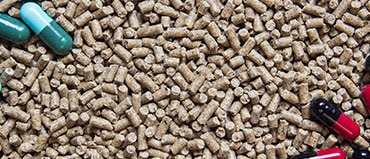
US Probiotics in Animal Feed Market Growth, Trends, Opportunities, and Forecast (2025–2030)
The US probiotics in animal feed market is experiencing consistent growth as livestock producers increasingly prioritize animal health, feed efficiency, and sustainable farming practices. According to MarketsandMarkets, the market was valued at USD 1,065.0 million in 2025 and is projected to reach USD 1,499.3 million by 2030, expanding at a CAGR of 7.1% during the forecast period. This growth reflects the industry's transition toward natural feed additives that enhance animal performance while reducing dependence on antibiotics.
The adoption of probiotics is accelerating across poultry, swine, cattle, aquaculture, and pet nutrition sectors as producers seek solutions that improve gut health, strengthen immunity, and support higher productivity. Strong regulatory oversight, advanced livestock production infrastructure, and increasing consumer preference for antibiotic-free meat and dairy products continue to reinforce market expansion.
What Are Probiotics in Animal Feed?
Probiotics are live beneficial microorganisms that are incorporated into animal feed to promote a healthy digestive system and improve the overall health of livestock. Common probiotic strains include Lactobacillus, Bifidobacterium, Saccharomyces cerevisiae, and other beneficial bacteria and yeasts.
These microorganisms help:
- Improve gut microbiota balance
- Enhance nutrient digestion and absorption
- Increase feed conversion efficiency
- Strengthen immune response
- Reduce digestive disorders
- Lower the need for antibiotic growth promoters
As livestock producers focus on improving productivity while meeting stricter food safety and sustainability standards, probiotics have become an essential component of modern animal nutrition programs.
Market Size and Growth Outlook
The US market demonstrates stable long-term growth driven by continuous innovation in animal nutrition.
- Market Size (2025): USD 1,065.0 Million
- Projected Market Size (2030): USD 1,499.3 Million
- CAGR (2025–2030): 7.1%
The steady growth reflects increasing investment in livestock health management, precision nutrition, and sustainable feed technologies across commercial farming operations.
Download PDF Brochure: https://www.marketsandmarkets.com/cutoutform.asp?page=PDF_Download&id=85832335&childreportID=3312
Key Drivers of the US Probiotics in Animal Feed Market
- Rising Demand for Antibiotic Alternatives: One of the strongest growth factors is the industry's shift away from antibiotic growth promoters. Regulatory expectations and consumer awareness regarding antimicrobial resistance have encouraged producers to adopt probiotics as natural alternatives that maintain animal performance while supporting food safety.
- Increasing Focus on Animal Gut Health: Healthy gut microbiota directly influences digestion, nutrient utilization, immunity, and growth performance. Probiotic supplementation helps maintain intestinal balance, reducing disease risks and improving overall livestock productivity.
- Improved Feed Efficiency: Feed accounts for a significant portion of livestock production costs. Probiotics enhance nutrient absorption and feed conversion ratios, enabling producers to achieve better growth with optimized feed utilization, ultimately improving profitability.
- Growing Consumer Preference for Sustainable Animal Protein: Consumers increasingly seek meat, milk, and eggs produced with fewer antibiotics and more sustainable farming practices. This trend is encouraging feed manufacturers and livestock producers to integrate probiotics into feeding programs to align with evolving market expectations.
- Strong Research and Product Innovation: Continuous research into microbial strains, multi-strain formulations, and species-specific probiotic solutions is expanding the effectiveness of probiotic products. New innovations are improving stability, survivability, and targeted health benefits across different livestock categories.
Market Segmentation
By Source
The market is segmented into:
- Bacteria
- Yeast & Fungi
Bacterial probiotics continue to dominate due to their proven effectiveness in improving gut health and feed efficiency.
By Livestock
The US probiotics in animal feed market serves multiple livestock sectors:
- Poultry
- Swine
- Ruminants
- Aquaculture
- Pets
- Other Livestock
Poultry and swine remain the largest contributors to market demand because of intensive commercial production systems and increasing adoption of preventive nutrition strategies.
By Form
Manufacturers offer probiotics in two major forms:
- Dry
- Liquid
Dry formulations are widely preferred due to their longer shelf life, ease of storage, and compatibility with commercial feed manufacturing.
By Strain
- Products are categorized into:
- Single-Strain Probiotics
- Multi-Strain Probiotics
Multi-strain formulations are gaining popularity because they provide complementary health benefits and broader microbial diversity.
Request Sample Pages: https://www.marketsandmarkets.com/cutoutform.asp?page=Request_Sample&id=85832335&childreportID=3312
Emerging Trends in the US Probiotics in Animal Feed Market
- Precision Livestock Nutrition: Producers are increasingly adopting precision feeding strategies that optimize animal performance through targeted nutritional interventions, including customized probiotic formulations.
- Multi-Strain Probiotic Development: Companies are developing advanced probiotic blends that improve digestive efficiency, immune function, and stress resilience across different livestock species.
- Sustainable Livestock Production: Environmental sustainability continues to influence feed formulation decisions, encouraging greater adoption of probiotics that improve production efficiency while reducing environmental impact.
- Expansion Across Commercial and Specialty Farms: Both large-scale commercial livestock operations and smaller specialty farms are increasing probiotic usage as awareness of long-term productivity benefits continues to grow.
Challenges Facing the Market
Despite favorable growth prospects, several factors may restrain market expansion:
- Variability in probiotic performance across livestock species
- Product stability during feed processing and storage
- Higher cost compared to conventional feed additives
- Need for continuous scientific validation of strain-specific benefits
- Regulatory compliance for new probiotic formulations
Nevertheless, ongoing innovation and growing industry confidence continue to mitigate these challenges.
Competitive Landscape
The US probiotics in animal feed market remains highly competitive, with manufacturers focusing on:
- Development of next-generation probiotic strains
- Strategic partnerships with feed manufacturers
- Research-driven product innovation
- Expansion of species-specific probiotic portfolios
- Enhanced product stability and efficacy
Companies are investing significantly in research and development to deliver customized probiotic solutions for poultry, swine, cattle, aquaculture, and companion animals.
Future Outlook
The future of the US probiotics in animal feed market appears highly promising as livestock producers continue adopting natural feed additives that improve productivity while supporting sustainable farming objectives.
Increasing investments in animal health technologies, rising consumer demand for antibiotic-free animal products, and advancements in microbial science are expected to accelerate market growth through 2030. As precision livestock farming becomes more widespread, probiotics will play an increasingly important role in optimizing animal performance and supporting efficient, responsible food production.
Make an Inquiry: https://www.marketsandmarkets.com/cutoutform.asp?page=Enquiry_Before_Buying&id=85832335&childreportID=3312
Frequently Asked Questions (FAQs)
What is the current size of the US probiotics in animal feed market?
The US probiotics in animal feed market is valued at $1,065.0 million in 2025 and is projected to reach $1,499.3 million by 2030.
What is the growth rate of the US probiotics in animal feed market?
The US market is expected to grow at a compound annual growth rate (CAGR) of 7.1% from 2025 to 2030.
Which livestock segments drive the US probiotics in animal feed market?
Poultry and swine are the primary segments driving growth in the US market, with increasing adoption in cattle feed formulations.
Why are US farmers adopting probiotics in animal feed?
US farmers are adopting probiotics to improve gut health, enhance feed efficiency, reduce antibiotic use, and meet regulatory and consumer sustainability demands.
What factors support growth in the US probiotics in animal feed market?
Key growth factors include regulatory pressure to reduce antibiotics, consumer demand for sustainable protein, advanced farming infrastructure, and ongoing product innovation in the US.
80% of the Forbes Global 2000 B2B companies rely on MarketsandMarkets to identify growth opportunities in emerging technologies and use cases that will have a positive revenue impact.
- Food Packaging Market Size Set for Strong Growth Through 2030 Amid Rising Demand for Convenience Foods
- Crop Protection Chemical Market Size, Share & Growth Forecast (2025–2030)
- Mulch Films Market: Driving Sustainable Agriculture Through Innovation
- Agricultural Adjuvants Market Analysis, Trends, and Growth Outlook (2026–2031)
- Japan Enterprise Asset Management Market Growth: AI and Smart Infrastructure Drive Demand

Emerging Trends and Growth Opportunities in the US Probiotics in Animal Feed Market
For In-depth Analysis on US Probiotics in Animal Feed Market
