The Future of Wound Care: Market Innovations, Growth, and Trends
Wound care remains a critical component of global healthcare, continuously evolving from basic traditional bandages to highly sophisticated, active healing systems. As the worldwide population continues to age and the incidence of chronic conditions rises, the demand for effective medical interventions has never been higher. Modern medical science is actively pushing the boundaries of tissue regeneration, infection control, and overall patient comfort. The integration of advanced materials and intelligent technologies is fundamentally transforming how medical professionals approach both acute physical trauma and persistent, hard-to-heal ulcers. This rapid evolution is not solely about accelerating recovery times; it is about significantly elevating the quality of life for millions of patients globally, thereby setting the stage for a highly dynamic and rapidly expanding healthcare sector.
Current Industry Overview
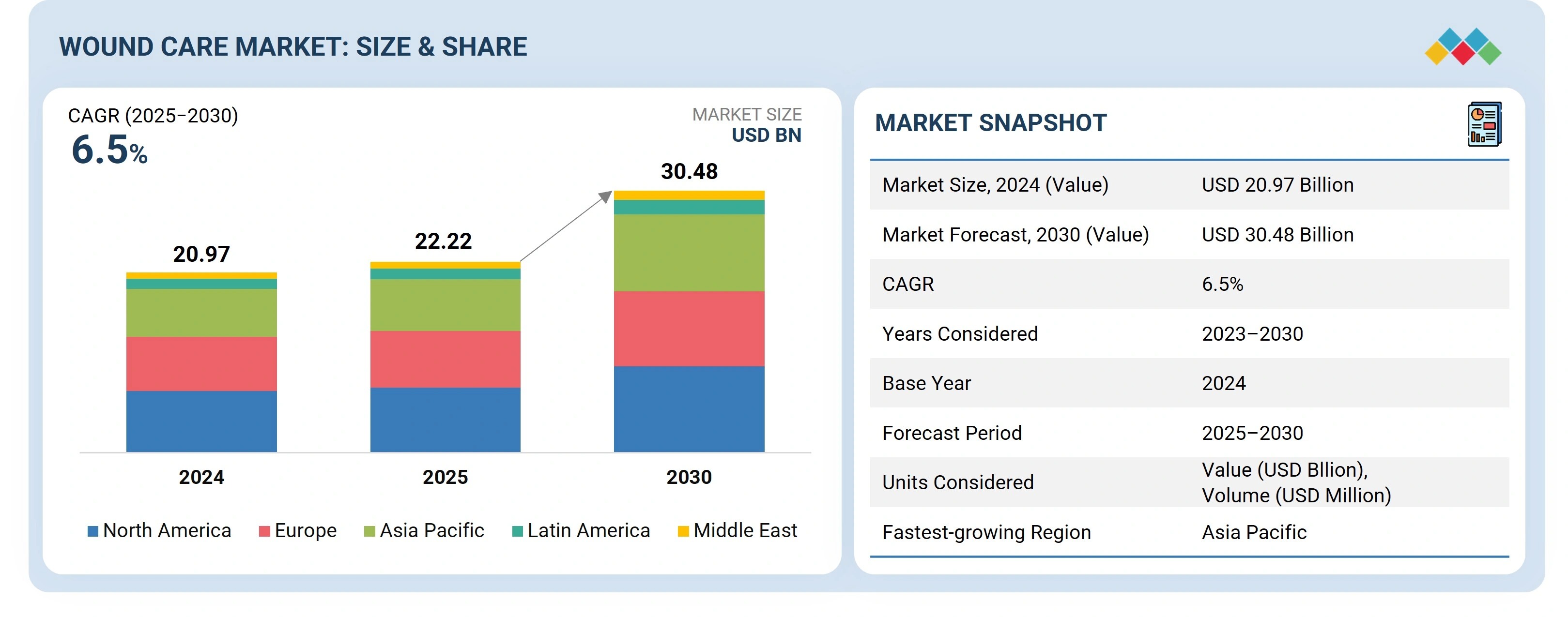
The global wound care sector is experiencing a period of robust and sustained financial expansion. Valued at nearly $21 billion in 2024, the sector reached over $22 billion by 2025. Financial projections indicate a resilient compound annual growth rate of 6.5% through the rest of the decade, potentially culminating in a total valuation exceeding $30 billion by the year 2030. This steady economic trajectory highlights the persistent clinical necessity for effective healing solutions across various medical disciplines.
Currently, advanced healing products dominate the overall revenue share. Medical facilities and patients alike are prioritizing sophisticated dressings and devices that actively participate in the healing process rather than merely covering an injury. Chronic conditions, rather than acute injuries, represent the largest portion of patient cases. Consequently, hospitals and specialized clinics remain the primary hubs for treatment, as these institutions possess the necessary infrastructure and expert staff to manage complicated, long-term healing processes.
Key Market Drivers
Several intertwined demographic and environmental factors are propelling the demand for specialized healing products. A primary catalyst is the rising frequency of traumatic physical injuries worldwide. Industrial mishaps and road traffic accidents contribute heavily to this metric. Millions of individuals sustain severe injuries annually that require immediate and comprehensive tissue management to prevent severe infections and permanent damage.
Furthermore, changing global demographics play a massive role in sector expansion. The rapidly growing elderly population naturally requires more medical attention, as aging skin is more susceptible to damage and heals at a much slower rate. Compounding this demographic shift is the escalating prevalence of systemic chronic diseases. Conditions such as diabetes severely impair the body's natural regenerative abilities, leading to complex medical situations that mandate the continuous use of specialized medical supplies.
Emerging Technologies
Technological integration is fundamentally reshaping how healthcare providers monitor and treat severe injuries. The industry is rapidly moving away from passive materials toward active, intelligent systems. Smart bandages represent a monumental leap forward. These innovative dressings can continuously monitor the local cellular environment, detect early signs of bacterial infection, and transmit real-time data to healthcare providers, allowing for immediate and personalized medical interventions.
Additionally, negative pressure wound therapy systems are becoming significantly more patient-friendly. Manufacturers are designing extended-wear devices that offer enhanced mobility and comfort, enabling patients to receive complex treatments outside of traditional hospital confines. The scientific community is also heavily investing in biologics and enzymatic debridement tools. These minimally invasive therapies target damaged tissues precisely, accelerating recovery times while minimizing physical trauma to the patient.
Future Trends
Looking ahead, the sector will likely see a pronounced shift in care delivery locations. While hospitals currently dominate the landscape, there is a strong movement toward facilitating treatments within home care settings. This transition is largely driven by the desire to reduce hospital admission times and lower overall healthcare expenditures. Modern devices are increasingly designed for ease of use, allowing patients and their families to manage recovery from the comfort of their homes safely.
Another significant trend is the continuous refinement of dressing materials. Manufacturers are consistently embedding advanced antimicrobial agents directly into foams and hydrocolloids. This proactive approach to infection control is crucial in a medical landscape increasingly threatened by hospital-acquired infections. Furthermore, therapies targeting specific chronic conditions, such as venous leg ulcers and diabetic foot complications, will become highly specialized, moving away from broad-spectrum treatments toward condition-specific healing protocols.
Opportunities
Developing economies present the most lucrative frontier for industry expansion. Nations across the globe are heavily investing in modernizing their medical infrastructure and expanding insurance coverage for their citizens. As healthcare access improves, millions of previously underserved patients will finally gain access to advanced healing therapies.
Furthermore, these emerging markets serve as highly cost-effective manufacturing hubs. By establishing production facilities in these regions, global medical companies can significantly reduce their operational expenses. This financial efficiency allows for aggressive research and development funding, paving the way for the creation of more scalable, affordable therapies that can penetrate lower-income demographics without sacrificing clinical efficacy.
Challenges
Despite strong upward momentum, the industry faces substantial hurdles. The sheer financial cost of modern treatments remains a formidable barrier. Highly engineered skin substitutes and electronic therapy systems often carry exorbitant price tags that place immense strain on both individual patients and national healthcare budgets. Treating a single non-healing ulcer can consume massive financial resources over a patient's lifetime. Without widespread, comprehensive insurance reimbursement frameworks, these cutting-edge therapies remain entirely inaccessible to a vast portion of the global population.
Equally concerning is the severe shortage of specialized medical personnel. Advanced treatments require meticulous application, continuous clinical monitoring, and expert decision-making. Unfortunately, many general practitioners and nursing staff lack the specialized training required to maximize the efficacy of these complex products. This knowledge gap frequently results in delayed treatments, incorrect product applications, and ultimately, suboptimal patient outcomes, thereby stalling the widespread adoption of new technologies.
Regional Outlook
The Asia Pacific region stands out as the most dynamic and rapidly accelerating geographic segment in the global landscape. This unprecedented growth is fueled by a massive, densely packed population that is simultaneously aging and experiencing a surge in lifestyle-related chronic diseases. Nations within this territory are witnessing dramatic increases in diabetic complications and vascular disorders, directly translating to a higher volume of hard-to-heal injuries.
To combat this impending healthcare crisis, regional governments are implementing sweeping initiatives to upgrade hospital networks and subsidize medical treatments. Coupled with a growing public awareness regarding advanced treatment options, the demand for sophisticated medical supplies is surging. The presence of massive manufacturing centers in countries like China and India further ensures a steady, localized supply chain, solidifying the region's position as a critical driver of global industry expansion.
Competitive Landscape
The corporate environment within this sector is highly competitive and heavily reliant on strategic maneuvering. Global healthcare conglomerates continuously battle for market supremacy through aggressive research and development initiatives, targeted corporate acquisitions, and expansive global partnerships. Companies are prioritizing the diversification of their product portfolios, ensuring they can offer comprehensive solutions ranging from basic surgical staples to advanced bioengineered tissues.
Recent corporate activities highlight a distinct focus on capturing the home healthcare segment and improving specialized education. Major industry players are spinning off into independent entities to foster agile innovation, constructing dedicated distribution centers to streamline direct-to-patient logistics, and acquiring specialized home-care businesses to broaden their service capabilities. Furthermore, leading corporations are partnering with medical societies to provide free educational programs, strategically addressing the critical shortage of trained clinical specialists while simultaneously building brand loyalty.
What the Future Looks Like
The landscape of injury recovery and tissue management is on the precipice of a technological renaissance. By the end of the decade, the integration of digital health monitoring with material science will likely become the standard of care rather than the exception. Patients will benefit from highly personalized treatment regimens guided by real-time data collected directly from the injury site.
While economic barriers and educational deficits will persist, the concerted efforts of global manufacturers to produce scalable, cost-effective solutions will gradually democratize access to top-tier medical care. The industry will increasingly blur the lines between hospital and home, empowering patients with sophisticated, user-friendly devices that facilitate faster, safer, and more comfortable recoveries regardless of their geographic location.
80% of the Forbes Global 2000 B2B companies rely on MarketsandMarkets to identify growth opportunities in emerging technologies and use cases that will have a positive revenue impact.
- Food Packaging Market Size Set for Strong Growth Through 2030 Amid Rising Demand for Convenience Foods
- Mulch Films Market: Driving Sustainable Agriculture Through Innovation
- Agricultural Adjuvants Market Analysis, Trends, and Growth Outlook (2026–2031)
- Crop Protection Chemical Market Size, Share & Growth Forecast (2025–2030)
- Japan Enterprise Asset Management Market Growth: AI and Smart Infrastructure Drive Demand

Conclusion
The global wound care market is navigating a period of vital transformation, driven by an aging global populace, rising chronic disease rates, and an unfortunate increase in traumatic injuries. While high financial costs and a lack of specialized medical staff present undeniable obstacles, the rapid advancement of smart technologies and the vast untapped potential of emerging economies offer clear pathways for sustained expansion. As medical corporations continue to innovate and expand their global footprints, the future promises a healthcare ecosystem where advanced, effective, and accessible healing solutions are available to a much broader spectrum of humanity.