25 Leading Gastrointestinal Stent Companies Shaping Innovation and Market Growth to 2031
Discover the top 25 companies driving innovation in the gastrointestinal stent market. This in-depth analysis explores competitive advantages, transformative technologies, and key players poised to influence minimally invasive endoscopic procedures, gastrointestinal cancer treatment, biliary drainage, and digestive healthcare through 2031. Access the comprehensive market research report for further insights.
Spotlights on the Industry's Top Gastrointestinal Stent Market Companies
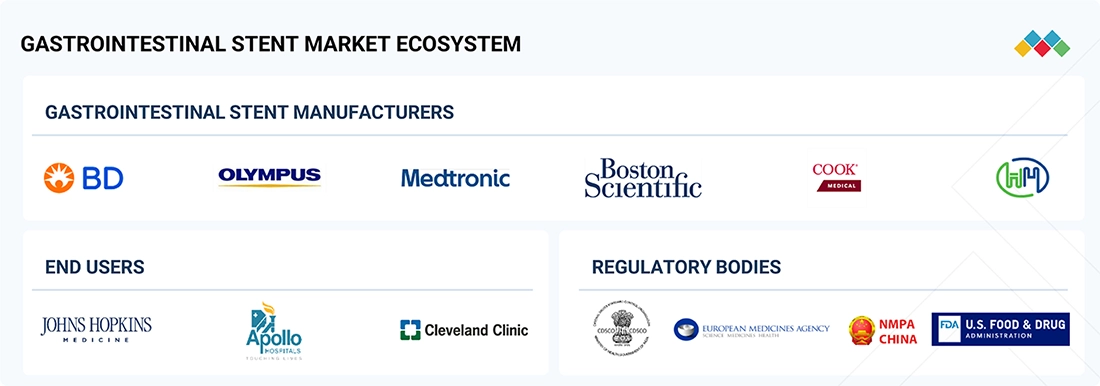
The gastrointestinal stent market is evolving as healthcare providers increasingly adopt minimally invasive endoscopic procedures to manage gastrointestinal obstructions, biliary strictures, and complications associated with digestive system cancers. Advances in self-expanding metal stents (SEMS), nitinol-based designs, plastic stents, and biodegradable materials are expanding treatment options. Manufacturers are focusing on improved stent deployment, flexibility, placement accuracy, and patient outcomes. Growing demand for palliative care, expanding endoscopy infrastructure, and increased diagnosis of gastrointestinal disorders are creating opportunities. Competition is shaped by clinical evidence, product quality, regulatory approvals, physician familiarity, affordability, and global distribution capabilities.
1. Boston Scientific Corporation
Boston Scientific Corporation is a prominent medical technology company with an extensive gastrointestinal stent portfolio covering biliary, esophageal, and other endoscopic applications. Its offerings include metal and plastic stents designed to address strictures and obstructions through minimally invasive procedures. The company's established endoscopy business, global distribution network, and continued product development strengthen its competitive position. Its Advanix biliary plastic stents are among its relevant offerings, supporting treatment options for biliary strictures and associated conditions.
2. Cook Medical
Cook Medical develops medical devices for interventional procedures, including gastrointestinal endoscopy and biliary interventions. Its relevant portfolio includes biliary stents, drainage products, and endoscopic accessories designed to help clinicians manage obstructions and strictures. The company serves hospitals and specialist healthcare providers across international markets. Its experience in minimally invasive devices and procedural solutions supports its position in gastrointestinal stenting, where reliable deployment, compatibility with endoscopic techniques, and a broad range of clinical applications are important purchasing considerations.
3. Olympus Corporation
Olympus Corporation is a major medical technology provider specializing in gastrointestinal endoscopy, imaging systems, and therapeutic endoscopic devices. Its gastrointestinal product ecosystem supports procedures used to diagnose and treat digestive tract conditions, including interventions involving stents. Endoscopes and compatible accessories help clinicians visualize treatment sites and perform procedures with precision. Olympus benefits from established relationships with gastroenterologists, hospitals, and endoscopy centers worldwide. Its relevance extends across the procedural technologies and devices that support the adoption of gastrointestinal stenting.
4. M.I. Tech
M.I. Tech is a South Korean medical device company associated with minimally invasive gastrointestinal treatment technologies. Its product portfolio includes gastrointestinal stents used in endoscopic management of digestive tract obstructions and related conditions. The company participates in a specialized market where stent flexibility, deployment characteristics, clinical suitability, and procedural safety influence product selection. Its focused medical device expertise and international commercial activities support its relevance to the gastrointestinal stent industry, particularly as healthcare providers seek alternatives for managing complex gastrointestinal conditions without open surgery.
5. Micro-Tech (Nanjing) Co., Ltd.
Micro-Tech (Nanjing) Co., Ltd. is a Chinese medical device manufacturer with a portfolio of endoscopic products, including gastrointestinal stents and accessories. Its offerings support procedures for managing gastrointestinal obstructions and strictures, while its broader endoscopy portfolio helps serve hospitals and specialist clinics. The company competes through product development, manufacturing capabilities, international expansion, and regulatory clearances in relevant markets. Its presence in gastrointestinal stenting reflects growing competition from Asian manufacturers offering devices across a range of clinical applications and price points.
6. Merit Medical Systems
Merit Medical Systems develops and manufactures medical devices used in interventional, diagnostic, and therapeutic procedures. Its product portfolio includes devices for drainage and other minimally invasive interventions, with relevance to selected gastrointestinal applications. The company has established international distribution capabilities and experience serving hospitals and specialist clinicians. Its role in gastrointestinal stenting should be considered alongside its broader interventional device business, with individual product indications and current availability verified against its latest catalogue. Procedural expertise and access to healthcare markets support its wider competitive relevance.
7. Medtronic
Medtronic is a global medical technology company with capabilities spanning minimally invasive therapies, surgical technologies, and gastrointestinal healthcare. Its broader portfolio supports the treatment of digestive disorders through technologies used in endoscopic and surgical care. The company's relevance to the gastrointestinal stent market is associated with its medical device capabilities and participation in gastrointestinal interventions; specific stent offerings should be confirmed against current product documentation. Its international reach, regulatory experience, and relationships with healthcare providers provide a foundation for participating in evolving minimally invasive treatment markets.
8. ELLA–CS, s.r.o.
ELLA–CS, s.r.o. is a Czech medical device manufacturer known for specialized stenting technologies, including biodegradable stents used in selected gastrointestinal applications. Biodegradable designs can offer an alternative to conventional permanent implants in appropriate clinical situations, potentially reducing the need for a separate removal procedure. The company's specialized product focus distinguishes it from broader medical technology groups. Its competitive relevance depends on clinical indications, supporting evidence, regulatory approvals, and the availability of suitable biodegradable stenting solutions for patients requiring temporary gastrointestinal support.
9. STERIS
STERIS provides healthcare products and services focused on infection prevention, sterilization, surgical technologies, and endoscopy-related solutions. Its endoscopy business supports gastrointestinal procedures through equipment, accessories, and technologies used in clinical environments. Although its broader portfolio contributes to the infrastructure required for endoscopic stenting, the company's role should be distinguished from that of manufacturers whose core business is gastrointestinal stent implants. Its relationships with hospitals and endoscopy centers and its procedural support technologies make it relevant to the wider ecosystem enabling minimally invasive gastrointestinal interventions.
10. W. L. Gore & Associates, Inc.
W. L. Gore & Associates, Inc. develops advanced materials and medical devices, including products used in vascular and other minimally invasive interventions. Its expertise in medical-grade materials, flexible device construction, and implant engineering is relevant to specialized stent applications. However, its presence in the gastrointestinal stent market should be assessed using current product indications rather than assuming that all its stent technologies are designed for digestive applications. Material performance, biocompatibility, durability, and regulatory compliance are central considerations in evaluating its contribution to interventional medical devices.
11. BD
BD is a global medical technology company supplying devices and technologies for medication delivery, diagnostics, and interventional care. Its portfolio includes products used in drainage and other minimally invasive clinical procedures, supporting healthcare providers across multiple specialties. Within gastrointestinal stenting, its relevance should be evaluated against specifically indicated products and current commercial offerings rather than its overall medical device presence. BD's international reach, manufacturing capabilities, and established hospital relationships provide broader industry context as healthcare providers seek dependable devices and integrated procedural solutions.
12. Q3 Medical Group
Q3 Medical Group specializes in medical devices for endoscopy and minimally invasive procedures, including products associated with gastrointestinal interventions. Its portfolio serves clinicians managing conditions that require drainage, access, or treatment of obstructed anatomical pathways. The company's focused product development and presence in specialist device markets support its participation in gastrointestinal stenting. Product differentiation, regulatory compliance, clinical suitability, and distribution partnerships are important factors in its competitive positioning, particularly in a market that includes both multinational manufacturers and specialized endoscopy device suppliers.
13. Medi-Globe GmbH
Medi-Globe GmbH is a medical technology company specializing in endoscopy and minimally invasive diagnostic and therapeutic devices. Its product portfolio includes endoscopic accessories and devices used in gastrointestinal procedures, with relevance to selected stenting and drainage applications. The company serves healthcare professionals through specialized products designed to support procedural efficiency and clinical usability. Its experience in endoscopic technologies and international market presence provide a foundation for participation in gastrointestinal interventions, although specific stent indications and availability should be checked against current product documentation.
14. Hobbs Medical Inc.
Hobbs Medical Inc. develops specialized devices for gastrointestinal endoscopy, including products used in biliary procedures and other therapeutic interventions. Its offerings support clinicians performing endoscopic treatment and managing conditions that require access, drainage, or device-assisted intervention. The company operates in a specialized segment where product reliability, procedural compatibility, and practical usability influence purchasing decisions. Its focused manufacturing capabilities and established role in endoscopy devices make it relevant to the gastrointestinal stent ecosystem, particularly alongside larger suppliers serving hospitals and specialist gastroenterology practices.
15. BVM
BVM, identified in the gastrointestinal stent market landscape, is associated with medical devices used in specialized clinical and interventional settings. Its precise contribution to gastrointestinal stenting should be assessed using verified product information, including current device indications, manufacturing details, and distribution arrangements. In a market where companies vary considerably in scale and specialization, confirming the exact product portfolio is essential to distinguish direct stent manufacturers from suppliers of complementary devices. Regulatory status, clinical suitability, and product availability remain important factors in evaluating its competitive position.
16. Leufen
Leufen, associated with Leufen Medical GmbH, participates in the gastrointestinal device market with a focus on specialized medical products, including stenting solutions. Gastrointestinal stents are used in appropriate clinical settings to maintain the patency of narrowed passages and support minimally invasive treatment. The company's relevance is linked to its specialized product offering and its role among smaller suppliers competing with established multinational manufacturers. Clinical indications, product design, regulatory clearances, and distribution reach are important considerations when assessing its position in the global gastrointestinal stent industry.
17. Allium
Allium, associated with Allium Medical Solutions, is known for stent technologies developed for minimally invasive treatment of obstructed anatomical passages. The company's wider stent expertise is relevant to interventional medicine, although its individual products must be assessed by anatomical indication before being classified as gastrointestinal stents. Its specialized approach to implant design and procedural treatment provides context for its inclusion in the broader market landscape. Current product indications, clinical evidence, and regulatory approvals are essential for determining the extent of its direct participation in gastrointestinal applications.
18. Medorah Meditek Pvt. Ltd.
Medorah Meditek Pvt. Ltd. is an Indian medical device company included among participants in the gastrointestinal stent market. Its relevance reflects the role of specialized suppliers serving healthcare providers in price-sensitive and developing markets. Assessment of its competitive position should consider verified gastrointestinal stent models, intended clinical applications, manufacturing capabilities, and applicable regulatory registrations. As demand for minimally invasive procedures expands, regional manufacturers can contribute to product accessibility and supplier diversity. Current product documentation is important for confirming the company's precise portfolio and market coverage.
19. Mitra Industries
Mitra Industries is listed among companies associated with the gastrointestinal stent market. Its specific market role should be established through current company information and verified product catalogues covering gastrointestinal stents, compatible accessories, and approved clinical indications. Manufacturers and suppliers in this segment compete on product availability, quality assurance, pricing, and the ability to meet local regulatory requirements. Confirming whether the company manufactures stents directly or participates through related medical device activities is important for an accurate assessment of its capabilities and competitive relevance.
20. EndoGI Medical
EndoGI Medical is included in the gastrointestinal stent market competitive landscape, reflecting its association with specialized gastrointestinal medical devices. Its role should be evaluated using verified information about its current products, intended applications, and commercial operations. In this market, devices must meet demanding requirements for biocompatibility, deployment performance, and safe use during endoscopic procedures. Establishing the company's precise product offering and regulatory status is therefore important when comparing its capabilities with those of established manufacturers and specialist suppliers serving gastroenterology practices and hospitals.
21. Advin Health Care
Advin Health Care is an Indian medical device supplier and manufacturer serving multiple healthcare specialties. Its inclusion in the gastrointestinal stent market reflects the presence of regional companies that may help broaden access to medical devices across healthcare facilities. Its direct contribution should be assessed against verified gastrointestinal stent products and their clinical indications. Manufacturing quality, regulatory compliance, distribution networks, and affordability are important factors in this segment, particularly in emerging markets where hospitals seek practical treatment options and dependable medical device supply.
22. Hunan Fude Technology Co., Ltd.
Hunan Fude Technology Co., Ltd. is identified among participants in the gastrointestinal stent market. As with other specialized manufacturers, its competitive position depends on the precise range of gastrointestinal devices it supplies, the applications those products address, and its regulatory status in target markets. Demand for stents used in biliary and digestive tract interventions creates opportunities for companies with suitable engineering and manufacturing capabilities. Verification of product specifications, clinical indications, and commercial availability is necessary before attributing specific technologies or performance advantages to the company.
23. Hospi Line Equipments Pvt. Ltd.
Hospi Line Equipments Pvt. Ltd. is included in the supplied gastrointestinal stent company landscape and represents the regional supplier segment of the broader medical device industry. Its direct role in gastrointestinal stenting should be confirmed through current product catalogues, manufacturer documentation, and applicable regulatory records. Healthcare suppliers can contribute to market access by connecting hospitals and clinicians with relevant devices and equipment. However, distinguishing direct stent manufacturing from distribution or complementary medical equipment activities is essential for an accurate evaluation of the company's position.
24. CITEC
CITEC is listed among companies associated with the gastrointestinal stent market. Its exact corporate identity, product range, and degree of direct involvement should be verified before drawing conclusions about its technical capabilities or geographic reach. The gastrointestinal stent industry includes manufacturers, specialist device developers, and suppliers whose roles differ by application and region. Evaluating CITEC requires confirmation of its gastrointestinal product offerings, approved indications, quality systems, and distribution arrangements. These details help establish whether it competes directly in stents or supports the market through related medical technologies.
25. G-FLEX
G-FLEX is associated with specialized endoscopy devices and minimally invasive gastrointestinal procedures. Its relevance to the gastrointestinal stent market should be evaluated according to the specific stent products and clinical applications covered by its current portfolio. Companies operating in endoscopy-focused markets can support clinicians through devices designed for procedural access and therapeutic intervention. Product compatibility, usability, regulatory approvals, and reliable distribution are important competitive factors. Confirming the latest product catalogue helps distinguish direct gastrointestinal stent offerings from complementary endoscopic devices and accessories.
80% of the Forbes Global 2000 B2B companies rely on MarketsandMarkets to identify growth opportunities in emerging technologies and use cases that will have a positive revenue impact.
- Food Packaging Market Size Set for Strong Growth Through 2030 Amid Rising Demand for Convenience Foods
- Crop Protection Chemical Market Size, Share & Growth Forecast (2025–2030)
- Mulch Films Market: Driving Sustainable Agriculture Through Innovation
- Agricultural Adjuvants Market Analysis, Trends, and Growth Outlook (2026–2031)
- Japan Enterprise Asset Management Market Growth: AI and Smart Infrastructure Drive Demand

The gastrointestinal stent market is positioned for continued development through 2031 as demand for minimally invasive procedures, gastrointestinal cancer treatment, and endoscopic management of obstructions increases. The market is projected to grow from USD 0.62 billion in 2026 to USD 0.82 billion by 2031, at a compound annual growth rate of 5.7%. Advances in self-expanding metal stents, biodegradable materials, and endoscopic deployment techniques are creating opportunities for product differentiation and improved clinical care. At the same time, regulatory compliance, clinical evidence, device safety, affordability, and access to endoscopy infrastructure will continue to influence adoption and competition.
For a deeper understanding of market segmentation, product developments, competitive positioning, regional opportunities, and emerging industry trends, explore the full report: Gastrointestinal Stent Market By Product (Duodenal, Pancreatic, Colonic, Biliary), Type [Metal (SEMS, Balloon-expandable, Nitinol, Stainless Steel), Plastic, Biodegradable], Application (Colorectal & Stomach Cancer), End User - Global Forecast to 2031. Access the complete gastrointestinal stent market research report to support informed business planning, competitive analysis, and strategic decision-making in the global gastrointestinal medical device industry.