24 Leading Pharmaceutical Inspection Machines Companies Shaping Innovation and Market Growth to 2031
Discover the top 24 companies driving innovation in the pharmaceutical inspection machines market. This in-depth analysis explores competitive advantages, transformative trends, and key players poised to influence pharmaceutical manufacturing, quality control, and regulatory compliance through 2031. Access the comprehensive market research report here for further insights.
Spotlights on the Industry's Top Pharmaceutical Inspection Machines Companies
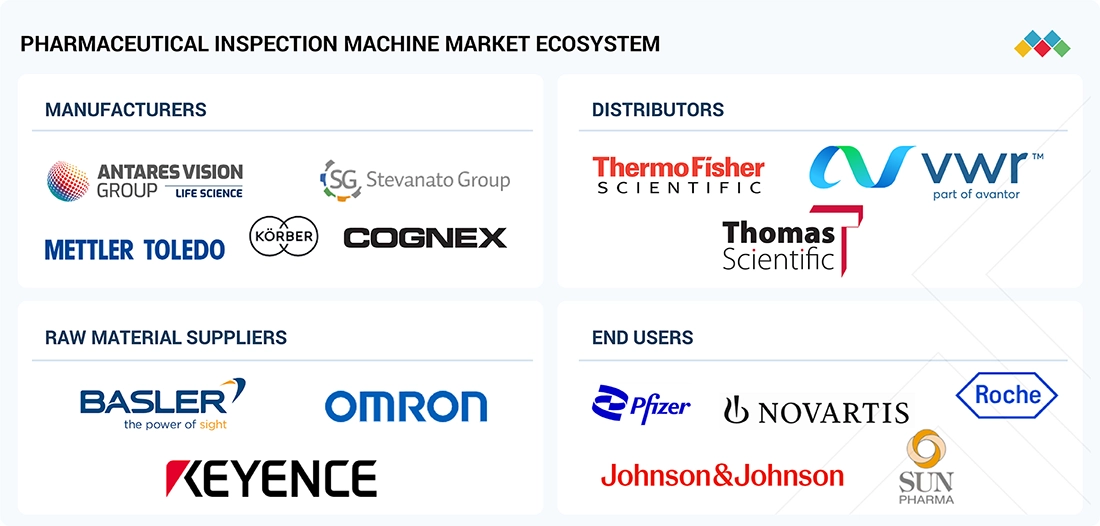
The pharmaceutical inspection machines market is evolving as manufacturers increasingly prioritize product quality, regulatory compliance, and manufacturing efficiency. Growing production of biologics, injectable drugs, oral formulations, and other pharmaceutical products is driving demand for advanced inspection technologies. Machine vision, artificial intelligence, automated defect detection, and real-time data analytics are transforming inspection processes by improving detection accuracy and reducing manual intervention. Companies are developing integrated inspection solutions capable of identifying visible and invisible defects, verifying fill levels, detecting foreign particles, and inspecting packaging integrity. Increasing regulatory scrutiny and the need to minimize product recalls are further encouraging pharmaceutical manufacturers to invest in sophisticated inspection systems across production lines.
1. Körber AG
Körber AG is a technology group with capabilities in pharmaceutical packaging and manufacturing solutions through its business area Pharma. The company offers integrated solutions spanning pharmaceutical production, packaging, and digitalization, supporting manufacturers in establishing efficient and compliant manufacturing operations. Its pharmaceutical technology capabilities are relevant to inspection and packaging processes, including systems designed for handling and inspecting pharmaceutical products. Körber's focus on integrated manufacturing solutions and digital technologies positions it within the broader pharmaceutical inspection machines ecosystem, particularly where inspection is incorporated into automated packaging lines.
2. Mettler Toledo
Mettler Toledo provides precision measurement, inspection, and quality control technologies for pharmaceutical manufacturing. Its product portfolio includes checkweighers, metal detection systems, vision inspection solutions, and track-and-trace technologies that support pharmaceutical product quality and packaging compliance. The company's inspection systems can help manufacturers identify weight deviations, foreign contaminants, and packaging defects across production lines. Mettler Toledo's expertise in precision measurement and automated inspection supports pharmaceutical manufacturers seeking to improve product consistency, enhance manufacturing efficiency, and maintain compliance with stringent quality requirements.
3. Cognex Corporation
Cognex Corporation specializes in machine vision and industrial image processing technologies used in pharmaceutical inspection applications. Its vision systems and image-based inspection solutions support applications such as label verification, barcode reading, packaging inspection, and defect detection. Pharmaceutical manufacturers use machine vision technologies to automate inspection tasks and improve the accuracy and consistency of quality control processes. Cognex's capabilities in vision software, image processing, and industrial automation make it relevant to pharmaceutical production environments where high-speed inspection and reliable identification of product and packaging characteristics are essential.
4. Stevanato Group
Stevanato Group provides pharmaceutical glass packaging, drug containment, and drug delivery solutions, alongside inspection technologies through its integrated manufacturing capabilities. The company offers inspection systems designed to evaluate pharmaceutical containers, including vials, syringes, and cartridges. Its inspection capabilities support the detection of defects in glass containers and help pharmaceutical manufacturers maintain product quality and packaging integrity. Stevanato Group's combination of primary packaging expertise and inspection technologies is particularly relevant to injectable drugs, where container quality and defect detection are critical to patient safety and regulatory compliance.
5. Antares Vision S.p.A.
Antares Vision specializes in inspection, traceability, and quality control technologies for pharmaceutical manufacturing and packaging. Its solutions include automated visual inspection systems, serialization, aggregation, and track-and-trace technologies. Inspection capabilities support the identification of defects in pharmaceutical products and packaging, while digital traceability solutions help manufacturers maintain visibility across the supply chain. The company's combination of inspection automation and compliance-oriented technologies is relevant to pharmaceutical manufacturers seeking to improve product quality, reduce manufacturing risks, and strengthen regulatory adherence across production and packaging operations.
6. Optel Group
Optel Group provides traceability, inspection, and quality control technologies for pharmaceutical and other regulated industries. Its pharmaceutical solutions include serialization and aggregation systems, vision-based inspection, and digital traceability platforms. These technologies help manufacturers verify packaging information, identify product and packaging discrepancies, and maintain compliance with serialization requirements. Optel's capabilities in machine vision and product tracking support pharmaceutical manufacturers in improving quality assurance and supply chain transparency. Its relevance to inspection machines is particularly strong in packaging-line applications requiring automated verification and reliable product identification.
7. Syntegon Technology GmbH
Syntegon Technology develops processing and packaging equipment for pharmaceutical and other industries, with solutions for sterile and non-sterile pharmaceutical products. Its portfolio includes equipment for filling, closing, and packaging applications, as well as inspection technologies used in pharmaceutical production. These systems support the inspection of injectable products and pharmaceutical containers, helping manufacturers identify defects and maintain product quality. Syntegon's expertise in pharmaceutical automation and integrated production lines makes it relevant to manufacturers seeking inspection capabilities that can be incorporated into high-speed filling and packaging operations.
8. Jekson Vision
Jekson Vision provides machine vision and automated inspection solutions for pharmaceutical and other regulated manufacturing industries. Its technologies support applications such as visual inspection of pharmaceutical containers, packaging defect detection, label verification, and code inspection. The company's vision-based systems help manufacturers automate quality control processes and reduce dependence on manual inspection. Jekson Vision's capabilities in customized inspection solutions and industrial automation are relevant to pharmaceutical manufacturers seeking reliable inspection technologies for bottles, vials, cartons, and other packaging formats across production lines.
9. ACG
ACG provides integrated pharmaceutical manufacturing and packaging solutions, including capsules, films, packaging materials, and related processing technologies. Through its packaging and inspection capabilities, the company supports pharmaceutical manufacturers in maintaining quality and compliance across production operations. Inspection-related technologies are relevant to applications involving capsules, tablets, and pharmaceutical packaging, where product integrity and packaging accuracy are critical. ACG's integrated pharmaceutical manufacturing expertise positions it within the broader inspection machines market, particularly in production environments where inspection is connected with packaging and process automation.
10. Brevetti CEA S.p.A.
Brevetti CEA specializes in automated visual inspection systems for pharmaceutical products, particularly injectable drugs and sterile pharmaceutical containers. Its technologies support the inspection of vials, ampoules, cartridges, and syringes for visible particles, cosmetic defects, and container-related imperfections. The company's inspection systems are designed to support pharmaceutical quality control and regulatory requirements in sterile manufacturing environments. Brevetti CEA's focus on automated inspection of injectable products makes it relevant to manufacturers seeking high-performance inspection capabilities for critical pharmaceutical applications.
11. Roquette Frères
Roquette Frères is a global manufacturer of plant-based ingredients and pharmaceutical excipients, supplying materials used in pharmaceutical formulations. Its relevance to the pharmaceutical inspection machines market is indirect, as the company is primarily involved in ingredient and excipient production rather than inspection equipment manufacturing. Pharmaceutical excipients contribute to formulation quality and consistency, while inspection systems are used downstream to evaluate finished products and packaging. Roquette's role in the pharmaceutical value chain is therefore associated with formulation materials and manufacturing quality rather than direct inspection machine technologies.
12. Toflon Life Science
Toflon Life Science provides pharmaceutical manufacturing and packaging-related products and solutions, including technologies associated with pharmaceutical processing and production environments. Its relevance to pharmaceutical inspection machines depends on its specific inspection equipment offerings and their application in pharmaceutical manufacturing. Inspection technologies in this sector support defect detection, packaging verification, and product quality assurance. The company's market positioning should be reviewed against its current product portfolio to establish the extent of its direct participation in pharmaceutical inspection equipment manufacturing.
13. Prodieco
Prodieco provides automation and engineering solutions for pharmaceutical and other manufacturing industries. Its capabilities include automated packaging and manufacturing systems that can incorporate inspection technologies as part of integrated production lines. Pharmaceutical inspection applications may involve automated verification of packaging, product identification, and quality control processes. Prodieco's engineering expertise is relevant to pharmaceutical manufacturers seeking customized automation solutions. Its direct participation in the inspection machines market should be assessed based on the specific inspection technologies and systems included in its current portfolio.
14. WIPOTEC GmbH
WIPOTEC GmbH provides precision weighing, inspection, and automation technologies for pharmaceutical manufacturing and packaging. Its portfolio includes checkweighers, X-ray inspection systems, and track-and-trace solutions that support pharmaceutical quality control. These technologies can identify weight deviations, foreign contaminants, and packaging discrepancies, helping manufacturers maintain product quality and compliance. WIPOTEC's expertise in high-precision measurement and automated inspection is relevant to pharmaceutical production lines handling tablets, capsules, bottles, and other packaged products.
15. CMP Pharma S.R.L.
CMP Pharma S.R.L. operates in pharmaceutical manufacturing and related production activities. Its relevance to pharmaceutical inspection machines is associated with pharmaceutical manufacturing processes where product inspection and quality control are necessary to ensure product integrity. Inspection technologies used in pharmaceutical production can support the detection of defects, contamination, and packaging inconsistencies. However, the company's direct role as an inspection equipment manufacturer or supplier should be verified against its current business portfolio before positioning it as a major market participant.
16. Keyence Corporation
Keyence Corporation develops industrial automation, sensing, and machine vision technologies used across manufacturing industries, including pharmaceutical production. Its vision systems and measurement technologies support applications such as packaging inspection, label verification, code reading, and defect detection. These technologies help manufacturers automate inspection tasks and improve the consistency of quality control. Keyence's capabilities in high-speed image processing, sensors, and industrial inspection are relevant to pharmaceutical manufacturers seeking flexible inspection solutions that can be integrated into automated production and packaging lines.
17. Cassel Messtechnik GmbH
Cassel Messtechnik GmbH specializes in industrial inspection technologies, including metal detection and related systems used to identify contaminants in manufacturing processes. Its inspection solutions are relevant to pharmaceutical production environments where detecting foreign metal particles is important for product safety and quality assurance. Metal detection technologies can be incorporated into production and packaging lines to support contamination control. The company's expertise in detection systems positions it within the pharmaceutical inspection equipment ecosystem, particularly for applications requiring reliable contaminant identification.
18. Thermo Fisher Scientific Inc.
Thermo Fisher Scientific provides analytical instruments, laboratory technologies, and manufacturing solutions that support pharmaceutical research, development, and production. Its portfolio includes analytical and testing technologies relevant to pharmaceutical quality control, as well as equipment used in pharmaceutical manufacturing environments. The company's role in inspection-related applications is primarily connected to analytical testing and quality assurance rather than dedicated high-speed packaging inspection machines. Thermo Fisher's broad pharmaceutical and laboratory presence makes it relevant to the wider quality control ecosystem supporting product safety, consistency, and regulatory compliance.
19. Loma Systems
Loma Systems provides inspection equipment for manufacturing and packaging industries, including metal detection, X-ray inspection, and checkweighing technologies. Its systems support the detection of foreign contaminants and product weight deviations, helping manufacturers maintain quality standards. These technologies are applicable to pharmaceutical production and packaging processes where contamination control and product consistency are important. Loma Systems' expertise in automated inspection and quality control makes it relevant to pharmaceutical manufacturers seeking inspection equipment for packaged products and manufacturing lines.
20. VITRONIC Dr.-Ing. Stein Bildverarbeitungssysteme GmbH
VITRONIC develops machine vision and optical inspection technologies for industrial applications. Its image processing systems support automated inspection, measurement, and quality control tasks, including applications where visual characteristics and product consistency need to be evaluated. In pharmaceutical manufacturing, machine vision technologies can support packaging verification, defect detection, and automated quality checks. VITRONIC's expertise in optical inspection and image processing is relevant to manufacturers seeking automated inspection solutions, although its specific pharmaceutical inspection portfolio should be confirmed before attributing dedicated pharmaceutical systems.
21. Minebea Intec GmbH
Minebea Intec provides industrial weighing, inspection, and measurement technologies for manufacturing industries, including pharmaceutical applications. Its portfolio includes checkweighers, metal detectors, X-ray inspection systems, and weighing solutions used to monitor product quality. These technologies help pharmaceutical manufacturers identify weight deviations and contaminants while supporting consistent production processes. Minebea Intec's expertise in precision measurement and inspection is relevant to pharmaceutical packaging lines where accurate weighing, contamination detection, and quality control are essential.
22. Marchesini Group S.p.A.
Marchesini Group develops pharmaceutical packaging machinery and integrated packaging lines, including equipment for blister packaging, bottle packaging, and other pharmaceutical formats. Its portfolio includes inspection-related technologies that support packaging quality and production-line verification. These solutions help pharmaceutical manufacturers maintain packaging accuracy and product integrity while improving operational efficiency. Marchesini Group's expertise in pharmaceutical packaging automation positions it within the inspection machines market, particularly in applications where inspection is integrated with packaging and product handling operations.
23. N.K.P. Pharma Pvt. Ltd.
N.K.P. Pharma Pvt. Ltd. is associated with pharmaceutical manufacturing and related equipment activities. Its relevance to pharmaceutical inspection machines depends on the inspection systems and manufacturing technologies included in its current portfolio. Pharmaceutical inspection equipment supports quality assurance by detecting product defects, contaminants, and packaging inconsistencies. The company's direct participation in the inspection machines market should be verified through current product documentation and business information before attributing specific inspection technologies or competitive capabilities.
24. Span Systems
Span Systems provides pharmaceutical packaging and manufacturing-related equipment and solutions. Its relevance to pharmaceutical inspection machines is associated with inspection technologies integrated into production and packaging processes, where manufacturers need to verify product quality and packaging accuracy. Pharmaceutical inspection applications include visual inspection, packaging verification, and defect detection. The company's specific inspection equipment portfolio and role in the market should be reviewed against current product information to confirm its direct participation in pharmaceutical inspection machines.
80% of the Forbes Global 2000 B2B companies rely on MarketsandMarkets to identify growth opportunities in emerging technologies and use cases that will have a positive revenue impact.
- Food Packaging Market Size Set for Strong Growth Through 2030 Amid Rising Demand for Convenience Foods
- Crop Protection Chemical Market Size, Share & Growth Forecast (2025–2030)
- Mulch Films Market: Driving Sustainable Agriculture Through Innovation
- Agricultural Adjuvants Market Analysis, Trends, and Growth Outlook (2026–2031)
- Japan Enterprise Asset Management Market Growth: AI and Smart Infrastructure Drive Demand

The pharmaceutical inspection machines market is expected to continue evolving as manufacturers prioritize product quality, regulatory compliance, and operational efficiency through 2031. Advances in machine vision, artificial intelligence, X-ray inspection, automated weighing, and digital traceability are creating opportunities for technology providers to support increasingly sophisticated pharmaceutical manufacturing operations. Regulatory requirements, growing production of biologics and injectables, and the need to reduce product recalls are expected to influence investment in inspection technologies. Understanding the competitive landscape and the capabilities of leading companies can help stakeholders identify strategic opportunities and make informed business decisions.