
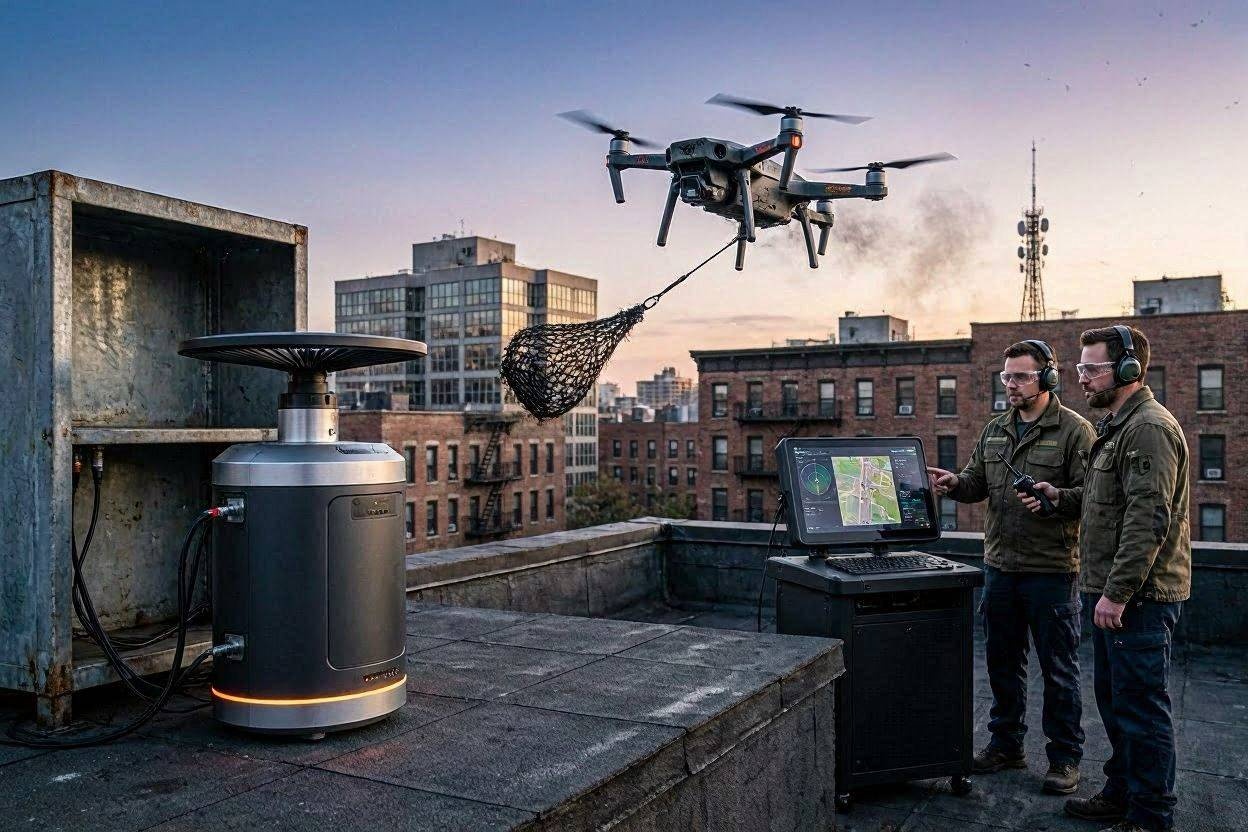
Anti-Drone Innovation: Key Trends, Growth Drivers and Opportunities
Introduction to Anti-Drone Innovation
Anti-drone innovation is rapidly transforming the global security landscape by integrating advanced detection technologies, artificial intelligence, electronic warfare systems, laser systems, kinetic interceptors, and cloud-based command platforms. Unlike conventional security measures, modern anti-drone systems automatically detect, track, identify, and neutralize unauthorized unmanned aerial vehicles (UAVs) through multi-sensor fusion, real-time threat assessment, and adaptive countermeasures. These intelligent capabilities help governments, defense agencies, and private organizations protect critical infrastructure, public events, and sensitive facilities from evolving aerial threats. As geopolitical tensions rise and drone usage expands across commercial and recreational sectors, anti-drone technology has become an essential component of national defense, homeland security, and smart city safety frameworks.
History of Anti-Drone Technology
The evolution of anti-drone technology began with basic radar systems and visual observation methods before accelerating with the proliferation of consumer and military drones in the early 2000s. Early countermeasures relied on manual intervention, signal jamming, and physical net-based capture systems, but rapid advances in sensor technology, artificial intelligence, and directed energy enabled more sophisticated defense mechanisms. The emergence of radio frequency (RF) detection, electro-optical/infrared (EO/IR) tracking, and GPS spoofing transformed drone defense into an integrated, multi-layered security discipline. Today, AI-powered analytics, autonomous threat classification, mobile applications, and networked command centers allow security personnel to monitor and neutralize drone threats remotely while improving operational efficiency across military bases, airports, energy facilities, and urban environments.
Benefits of Anti-Drone Systems
Anti-drone systems deliver measurable value across multiple sectors by improving security, reducing operational risks, and enhancing situational awareness for defense and civilian applications. Key benefits include:
- Enhanced protection of critical infrastructure through real-time threat detection.
- Prevention of unauthorized surveillance, espionage, and smuggling activities.
- Reduced operational disruptions at airports, stadiums, and public events.
- Lower risk of collateral damage through precision targeting and non-kinetic neutralization.
- Integration with existing security ecosystems and command-and-control platforms.
Current Market Size and Growth Trends
The global anti-drone market size will reach USD 14.51 billion by 2030 from USD 4.48 billion in 2025, registering a CAGR of 26.5% from 2025 to 2030. Market growth is driven by increasing defense modernization programs, rising unauthorized drone sightings near airports, growing investments in homeland security, and rapid deployment of advanced detection and mitigation technologies. Military and defense agencies, commercial enterprises, and homeland security departments continue investing in intelligent anti-drone solutions to optimize airspace protection and improve threat response capabilities.
Download PDF Brochure @ https://www.marketsandmarkets.com/pdfdownloadNew.asp?id=177013645
Key Drivers
Major growth drivers include geopolitical tensions, defense modernization, smart city investments, falling sensor costs, stricter airspace regulations, and integration of AI and machine learning. Organizations increasingly use connected counter-drone platforms to gather threat intelligence and environmental data that improves security planning and incident response. Frequent drone-related disruptions at airports and high-profile events further accelerate adoption across multiple sectors.
Emerging Trends
AI-based threat detection, high-energy laser systems, electronic warfare integration, autonomous counter-drone platforms, directed energy weapons, networked defense systems, and cloud-based command centers are shaping the future. Advanced analytics enable real-time threat classification while cybersecurity improvements strengthen connected defense networks against hacking and spoofing attacks.
Opportunities and Challenges
Anti-drone systems present strong opportunities in military defense, critical infrastructure protection, airport security, border surveillance, and smart city safety. Challenges include high initial investment requirements, operational complexities, integration with legacy security systems, and cybersecurity vulnerabilities. Continued standardization, declining hardware costs, and AI-driven automation are expected to improve adoption and operational effectiveness.
Innovations and Advancements
Manufacturers are introducing AI-powered threat detection algorithms, multi-sensor fusion platforms, high-energy laser systems, electronic jamming solutions, and sensor-rich detection networks. These innovations improve threat classification accuracy while enabling predictive threat analytics and automated response capabilities for defense and civilian security applications.
Future Applications
Anti-drone systems will expand across smart cities, transportation hubs, hospitals, energy facilities, retail complexes, campuses, factories, airports, military bases, and residential communities. Integration with renewable energy infrastructure, emergency response systems, and building automation platforms will further enhance security value and operational resilience.
Anti-drone innovation is redefining how governments and organizations protect airspace and critical assets from emerging aerial threats. Intelligent counter-drone systems support national security, operational continuity, and enhanced public safety. With strong investment in defense modernization and increasing demand for advanced threat mitigation technologies, the industry is expected to maintain robust growth throughout the forecast period.
Download Sample Research Report for Wearable Technology Market Future: https://www.marketsandmarkets.com/Market-Reports/anti-drone-market-177013645.html
80% of the Forbes Global 2000 B2B companies rely on MarketsandMarkets to identify growth opportunities in emerging technologies and use cases that will have a positive revenue impact.
- Food Packaging Market Size Set for Strong Growth Through 2030 Amid Rising Demand for Convenience Foods
- Crop Protection Chemical Market Size, Share & Growth Forecast (2025–2030)
- Mulch Films Market: Driving Sustainable Agriculture Through Innovation
- Agricultural Adjuvants Market Analysis, Trends, and Growth Outlook (2026–2031)
- Japan Enterprise Asset Management Market Growth: AI and Smart Infrastructure Drive Demand


