

Containerized Battery Energy Storage System (BESS) Technology Innovation Key Trends, Growth Drivers and Opportunities
Introduction to containerized BESS technology
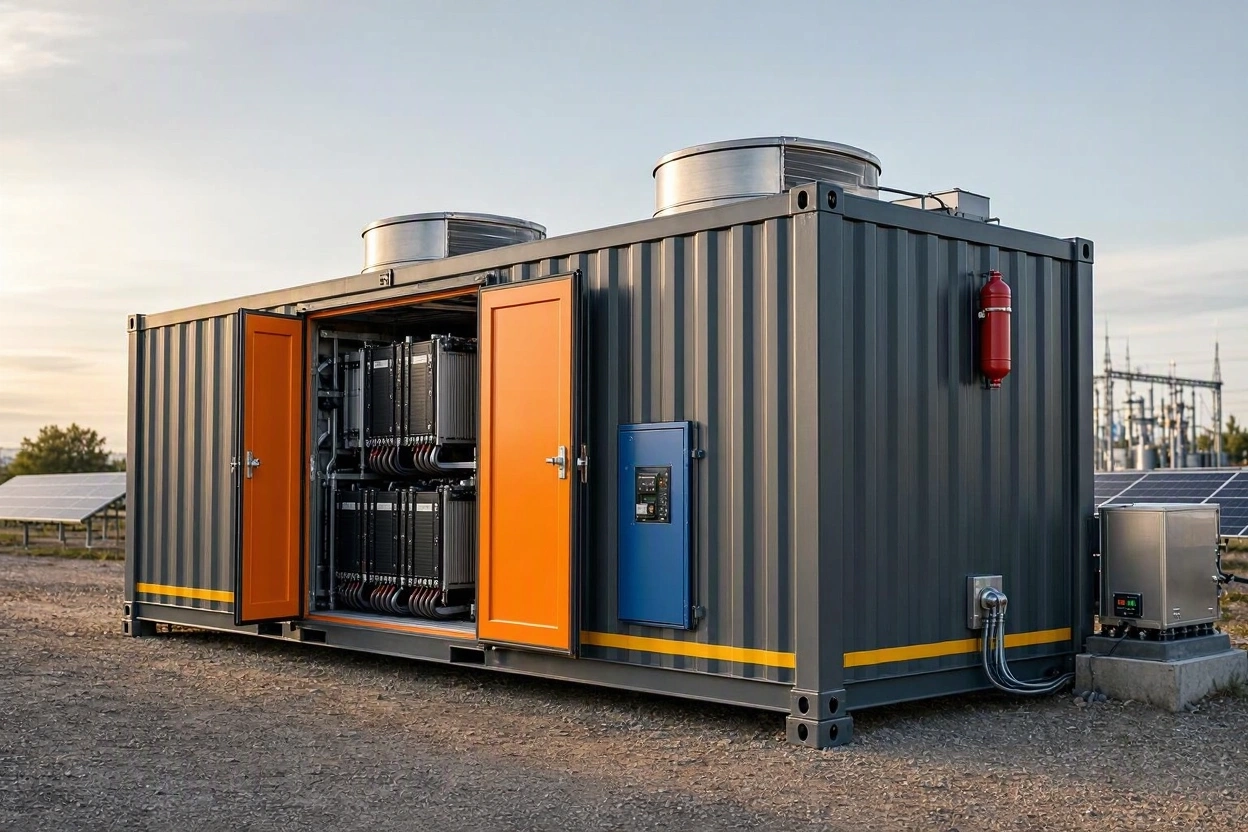
Containerized Battery Energy Storage System (BESS) technology is transforming the way utilities, independent power producers, and commercial enterprises store, manage, and dispatch electricity. Powered by lithium-ion and emerging sodium-ion chemistries, advanced battery management systems (BMS), power conversion systems (PCS), thermal management, and cloud-based energy management software, modern containerized BESS units deliver real-time control and grid-scale flexibility. From utility-scale renewable integration and peak shaving to commercial microgrids, EV charging hubs, and remote industrial sites, the technology is becoming an integral part of the global energy transition and the decarbonization of power networks.
History of containerized BESS technology
The containerized BESS industry has evolved from small stationary battery banks and UPS installations into modular, factory-assembled, plug-and-play energy storage ecosystems. Advances in lithium-ion cell density, power electronics, liquid cooling, fire suppression, and digital monitoring have enabled containerized systems to support renewable firming, frequency regulation, demand response, and resilience for critical infrastructure. Standardized 20-foot and 40-foot containers now allow rapid deployment, scalable capacity expansion, and lower installation costs compared with traditional brick-and-mortar storage plants.
Benefits of containerized BESS technology
Containerized BESS technology offers numerous advantages across utility, commercial, industrial, and residential environments:
- Rapid deployment through factory-built, pre-tested modular containers.
- Scalable capacity that can be expanded block by block as demand grows.
- Enhanced grid stability, frequency regulation, and renewable energy firming.
- Lower installation, civil work, and land acquisition costs.
- Seamless integration with solar, wind, EV charging, and microgrid ecosystems.
Current market size and growth trends of containerized BESS industry
The containerized BESS market is experiencing robust growth as renewable penetration, grid modernization, and energy security become mainstream priorities. According to MarketsandMarkets, the global containerized BESS market size was valued at USD 13.87 billion in 2025 and is projected to reach USD 35.82 billion by 2030, growing at a CAGR of 20.9% from 2025 to 2030. Rising adoption of utility-scale storage, commercial microgrids, and AI-driven energy management continues to accelerate market expansion across North America, Europe, and Asia Pacific.
Download PDF Brochure @ https://www.marketsandmarkets.com/pdfdownloadNew.asp?id=81525510
- Growing demand for renewable energy integration and grid stability.
- Expansion of utility-scale and commercial microgrid deployments.
- Increasing adoption of EV charging infrastructure with storage buffering.
- Continuous innovation in battery chemistry, cooling, and safety systems.
Key drivers and factors influencing the future of containerized BESS technology
AI, IoT, 5G, cloud analytics, and edge intelligence are enabling more capable containerized storage systems across industries.
- AI-powered predictive maintenance and state-of-health monitoring
- Renewable energy firming and curtailment reduction
- Utility grid modernization and capacity deferral
- Commercial and industrial peak shaving and demand charge management
- EV charging hubs and fast-charging buffering
Emerging trends in containerized BESS technology
Liquid-cooled containers, sodium-ion and solid-state batteries, second-life EV packs, and virtual power plant (VPP) aggregation are reshaping the industry.
- Liquid-cooled and immersion-cooled containers
- Sodium-ion and solid-state battery adoption
- Second-life EV battery repurposing
- Edge AI and digital twin monitoring
- Virtual power plant (VPP) aggregation
Opportunities and challenges in the containerized BESS market
Utilities, renewable developers, data centers, EV charging operators, and defense installations offer major opportunities, while safety, supply chain, recycling, and regulatory standards remain important challenges.
- Utility-scale and microgrid expansion
- Data center and EV charging backup
- Fire safety and thermal runaway mitigation
- Battery supply chain and raw material constraints
- Regulatory compliance and grid interconnection standards
Innovations and advancements in containerized BESS technology
Liquid cooling, AI-driven BMS, modular power conversion, cloud-native EMS, and digital twins are driving innovation.
- Liquid and immersion cooling systems
- AI-enabled battery management systems
- Modular and bidirectional power conversion
- Cloud-native energy management platforms
- Digital twins and predictive analytics
Future applications and industries that will benefit from containerized BESS technology
Utilities, renewable energy, data centers, EV charging, manufacturing, telecom, defense, and smart cities will increasingly benefit from containerized storage innovation.
- Utilities and independent power producers
- Renewable energy and microgrids
- Data centers and telecom networks
- EV charging and transport infrastructure
- Defense and remote industrial sites
The promising future of containerized BESS technology
Containerized BESS technology will remain a cornerstone of the global energy transition as AI, IoT, and advanced battery chemistries continue to evolve. Organizations investing in modular storage innovation can improve grid reliability, renewable utilization, operational efficiency, and energy resilience. With costs declining and policy support expanding, containerized systems are set to become the default building block of modern, flexible, and decarbonized power infrastructure worldwide.
Download Sample Research Report for Containerized BESS Market Future: https://www.marketsandmarkets.com/Market-Reports/containerized-battery-energy-storage-system-bess-market-81525510.html
80% of the Forbes Global 2000 B2B companies rely on MarketsandMarkets to identify growth opportunities in emerging technologies and use cases that will have a positive revenue impact.
- Food Packaging Market Size Set for Strong Growth Through 2030 Amid Rising Demand for Convenience Foods
- Crop Protection Chemical Market Size, Share & Growth Forecast (2025–2030)
- Mulch Films Market: Driving Sustainable Agriculture Through Innovation
- Agricultural Adjuvants Market Analysis, Trends, and Growth Outlook (2026–2031)
- Japan Enterprise Asset Management Market Growth: AI and Smart Infrastructure Drive Demand

