

Digital Substation Technology Innovation Key Trends, Growth Drivers and Opportunities
Introduction to digital substation technology
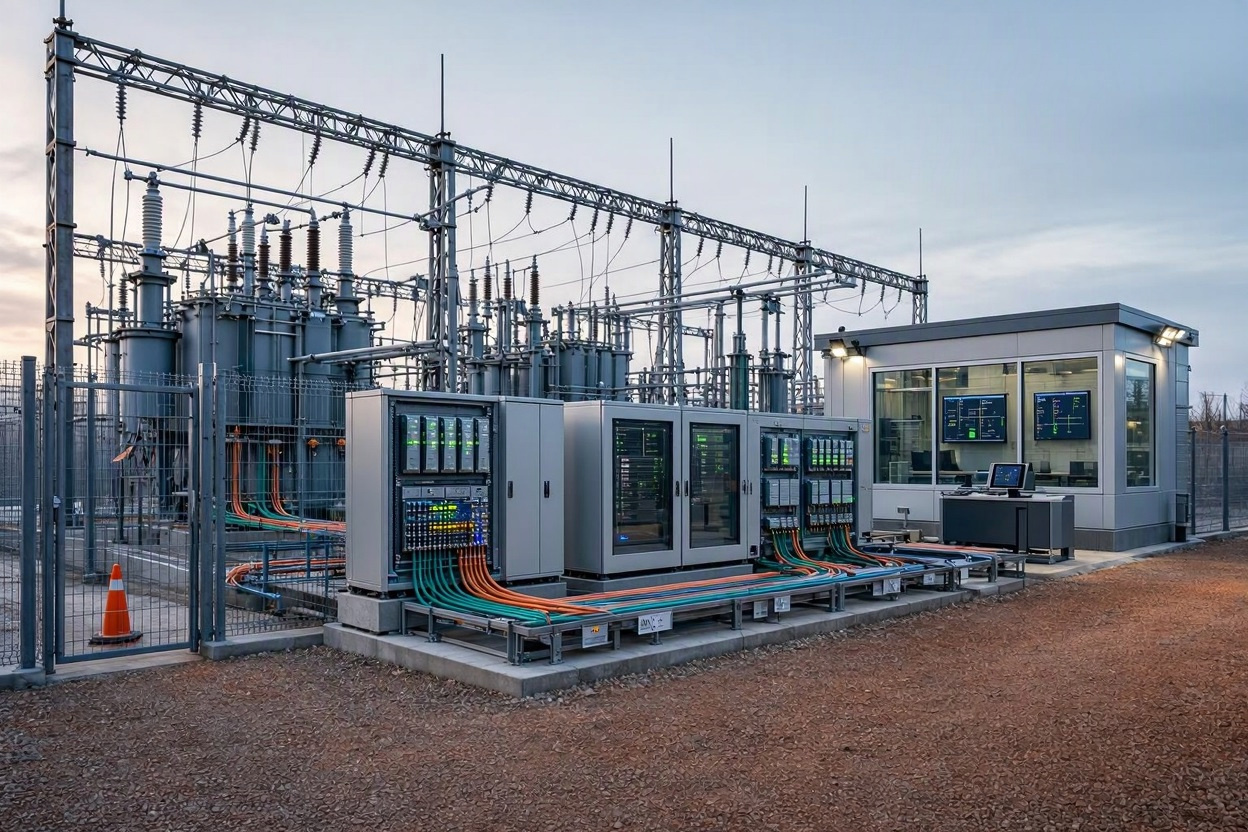
Digital substation technology is fundamentally transforming the global power grid by replacing traditional analog systems with intelligent, data-driven, and interconnected digital architectures. Powered by advanced technologies like the Internet of Things (IoT), Artificial Intelligence (AI), edge computing, and high-speed fiber-optic communication, modern digital substations deliver real-time control, enhanced reliability, and operational efficiency for utilities and industries. From intelligent electronic devices (IEDs) and process bus communication to digital twins, SCADA systems, and cybersecurity frameworks, this technology is becoming an integral part of modern energy infrastructure and smart grid development.
History of digital substation technology
The digital substation industry has evolved from conventional electromechanical and analog systems into fully connected, intelligent power hubs. Advances in semiconductor technology, communication protocols like IEC 61850, and microprocessor-based protection relays have enabled substations to support advanced grid automation, renewable energy integration, and predictive maintenance. This evolution marks a significant shift from hardware-centric designs to software-defined, data-centric ecosystems that enhance the resilience and flexibility of power transmission and distribution networks worldwide.
Benefits of digital substation technology
Digital substation technology offers numerous advantages across utility, industrial, and commercial environments:
- Enhanced grid reliability and resilience through real-time monitoring.
- Improved operational efficiency with automated control and remote operation.
- Seamless integration of renewable energy sources like solar and wind.
- Reduced downtime and maintenance costs via predictive analytics.
- Strengthened cybersecurity with advanced protection frameworks and compliance.
Current market size and growth trends of the digital substation industry
The digital substation market is experiencing robust growth as grid modernization, renewable energy integration, and smart grid initiatives become mainstream. According to MarketsandMarkets, the global digital substation market size was valued at USD 14.41 Billion in 2025 and is projected to reach USD 19.78 Billion by 2030, growing at a CAGR of 6.5%. The rising adoption of IEC 61850-based automation, government investments in smart grids, and the need for improved power quality continue to accelerate market expansion.
Download PDF Brochure @ https://www.marketsandmarkets.com/pdfdownloadNew.asp?id=43227003
- Growing demand for grid modernization and automation.
- Expansion of renewable energy and distributed generation.
- Increasing investments in smart city and infrastructure projects.
- Continuous innovation in communication networks and cybersecurity.
Key drivers and factors influencing the future of digital substation technology
AI, IoT, 5G, cloud analytics, and edge intelligence are enabling more capable and responsive digital substations across industries.
- Growing push for grid modernization.
- Rising renewable energy integration.
- Technological advancements in communication protocols and automation.
- Favorable government incentives and smart grid policies.
Emerging trends in digital substation technology
Digital twins, AI-powered predictive maintenance, IEC 61850-based interoperability, and non-intrusive monitoring are reshaping the industry.
- Digital twin technology.
- AI and machine learning integration.
- Edge computing and real-time analytics.
- Advanced sensor and IoT integration.
- SF6-free and sustainable substation designs.
Opportunities and challenges in the digital substation market
Grid modernization, renewable integration, and industrial digitalization offer major opportunities, while high costs, cybersecurity risks, and skill shortages remain important challenges.
- Expansion in emerging markets.
- Integration of AI & advanced analytics.
- High initial investment costs.
- Cybersecurity vulnerabilities.
- Shortage of skilled workforce.
Innovations and advancements in digital substation technology
Flexible electronics, AI chipsets, cloud-native platforms, and digital twins are driving innovation in substation design and operation.
- Intelligent electronic devices (IEDs).
- Process bus and fiber-optic communication.
- AI-powered protection relays.
- Cloud-based SCADA systems.
- Digital twin modeling.
Future applications and industries that will benefit from digital substation technology
Utilities, heavy industries, transportation, data centers, and smart cities will increasingly benefit from digital substation innovation.
- Utilities and power generation.
- Heavy industries (steel, cement, chemicals).
- Transportation (railways, metro).
- Data centers and commercial infrastructure.
- Smart cities and urban development.
The role of AI and digital twins in substation innovation
Artificial intelligence and digital twin technology are revolutionizing digital substations by enabling predictive maintenance, real-time simulation, and autonomous control. AI algorithms analyze vast datasets from sensors and IEDs to forecast equipment failures and optimize load balancing, while digital twins create virtual replicas of physical substations for testing and training. These innovations reduce downtime, extend asset lifespan, and support the seamless integration of distributed energy resources, making them essential for future-ready grid infrastructure.
The promising future of digital substation technology
Digital substation technology will remain a cornerstone of global energy transformation as AI, IoT, and advanced communication systems continue to evolve. Organizations investing in digital substation innovation can improve grid reliability, operational efficiency, renewable integration, and cybersecurity. As utilities and industries worldwide prioritize sustainability and resilience, digital substations will be central to achieving energy security and decarbonization goals.
Download Sample Research Report for Digital Substation Market Future: https://www.marketsandmarkets.com/Market-Reports/digital-substation-market-43227003.html
80% of the Forbes Global 2000 B2B companies rely on MarketsandMarkets to identify growth opportunities in emerging technologies and use cases that will have a positive revenue impact.
- Food Packaging Market Size Set for Strong Growth Through 2030 Amid Rising Demand for Convenience Foods
- Crop Protection Chemical Market Size, Share & Growth Forecast (2025–2030)
- Mulch Films Market: Driving Sustainable Agriculture Through Innovation
- Agricultural Adjuvants Market Analysis, Trends, and Growth Outlook (2026–2031)
- Japan Enterprise Asset Management Market Growth: AI and Smart Infrastructure Drive Demand

