

Display Module Technology Innovation Key Trends, Growth Drivers and Opportunities
Display module technology is fundamentally transforming how people interact with digital information across smartphones, televisions, laptops, automotive dashboards, and emerging AR/VR devices. Powered by advanced semiconductor processes, OLED and MicroLED technologies, flexible substrates, and AI-driven display optimization, modern display modules deliver exceptional visual experiences for consumers, enterprises, and industrial applications. From traditional LCD panels to cutting-edge foldable OLED displays and microdisplays for wearable devices, display modules have become integral to digital lifestyles and Industry 4.0 transformation. These integrated units combine display panels with driver ICs, touch controllers, and backlight systems to provide complete visual solutions for device manufacturers worldwide.
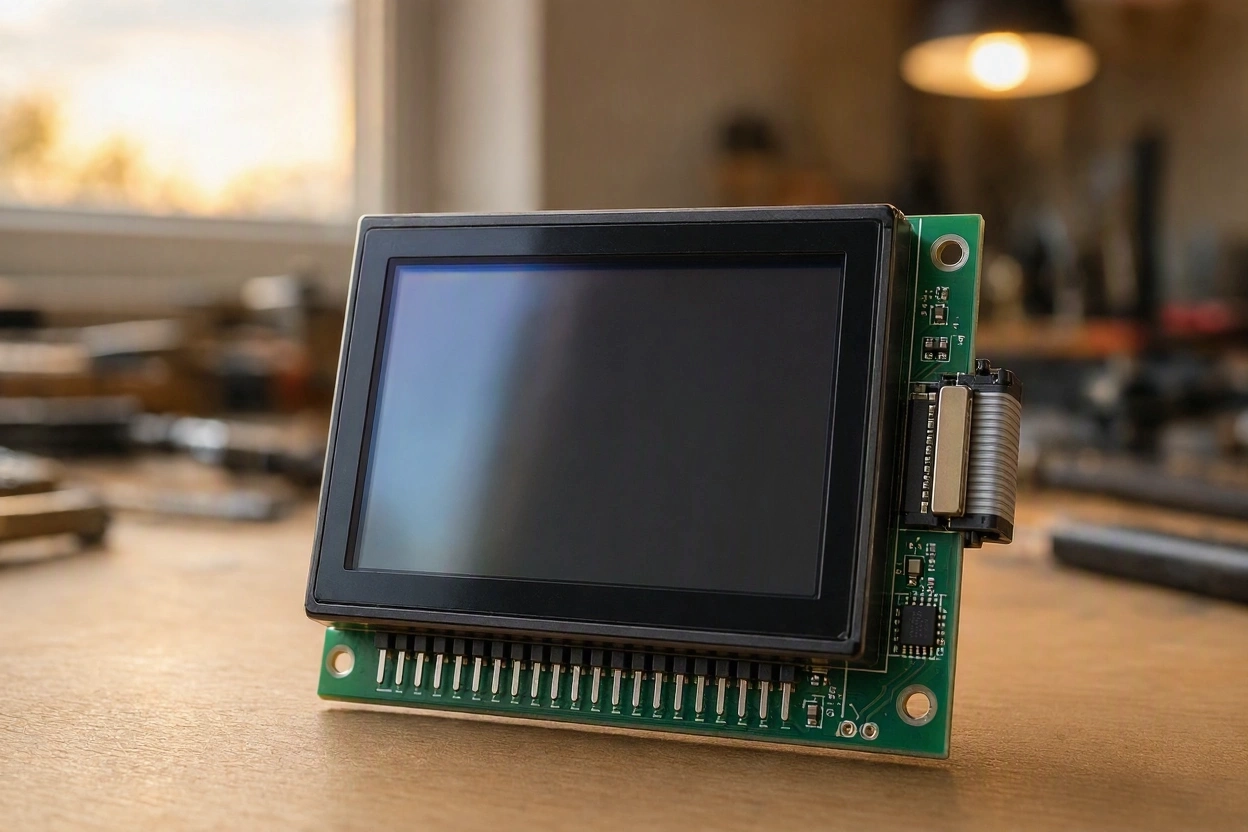
History of Display Module Technology
The display module industry has evolved dramatically from bulky CRT monitors and early LCD panels into sophisticated, high-performance integrated systems. Advances in semiconductor fabrication, OLED materials, micro-LED mass transfer techniques, and display driver integration have enabled display modules to support ultra-high-definition resolution, flexible form factors, and energy-efficient operation across consumer electronics, automotive, industrial, and healthcare applications. The transition from traditional LCD to OLED, Mini-LED, and MicroLED technologies represents a fundamental shift toward self-emissive, thinner, and more adaptable display solutions that meet the demanding requirements of next-generation smart devices and immersive visual experiences.
Benefits of Display Module Technology
- Display module technology offers numerous advantages across consumer, commercial, and industrial environments:
- Superior visual performance with high resolution, enhanced brightness, and accurate color reproduction.
- Energy-efficient operation through advanced OLED and Mini-LED technologies reducing power consumption.
- Flexible and foldable form factors enabling innovative device designs and new use cases.
- Seamless integration with touch interfaces and AI-powered display optimization systems.
- Enhanced durability and reliability for automotive, industrial, and outdoor applications.
Current Market Size and Growth Trends of Display Module Industry
The display module market is experiencing steady growth as digital transformation, connected devices, and AI-enabled applications become mainstream across industries. According to MarketsandMarkets, the global display module market size is projected to grow from USD 136.91 billion in 2026 to USD 159.81 billion by 2032, at a CAGR of 2.6% from 2026 to 2032. Rising adoption of OLED displays in premium smartphones, expanding automotive display content, and increasing demand for high-resolution monitors and televisions continue to drive market expansion. The growing integration of display modules into smart home devices, healthcare equipment, and industrial automation systems further supports sustained market growth.
Download PDF Brochure @ https://www.marketsandmarkets.com/pdfdownloadNew.asp?id=92646039
- Growing demand for high-resolution and premium display modules across consumer electronics.
- Expansion of OLED, Mini-LED, and MicroLED technologies in smartphones, televisions, and automotive displays.
- Increasing consumer adoption of foldable and flexible display devices.
- Continuous innovation in display materials, driver ICs, and manufacturing processes.
Key Drivers and Factors Influencing the Future of Display Module Technology
AI, 5G connectivity, IoT ecosystems, and advanced manufacturing technologies are enabling more capable display modules across industries. The Asia Pacific region, led by China, South Korea, Japan, and Taiwan, continues to dominate display module production and innovation. Manufacturers are investing heavily in next-generation fabrication facilities for OLED and MicroLED technologies to meet growing demand for premium displays.
- Rising consumer preference for superior visual quality in smartphones, televisions, and gaming devices.
- Increasing adoption of OLED, Mini-LED, and MicroLED technologies offering improved contrast and energy efficiency.
- Expanding automotive display content including digital cockpits and head-up displays.
- Growing demand for high-refresh-rate displays in gaming and entertainment applications.
- Industrial digitalization driving demand for rugged and reliable display modules.
Emerging Trends in Display Module Technology
Foldable displays, transparent screens, microdisplays for AR/VR, and AI-enhanced display systems are reshaping the industry landscape. The shift toward sustainable manufacturing and energy-efficient display technologies is also gaining momentum.
- Foldable and rollable OLED displays
- MicroLED displays for premium applications
- Microdisplays for AR/VR headsets
- Transparent and flexible display modules
- AI-powered display optimization
Opportunities and Challenges in the Display Module Market
Consumer electronics, automotive, healthcare, and industrial applications offer major opportunities, while declining average selling prices, high production costs, and supply chain disruptions remain important challenges for manufacturers.
- Automotive display expansion
- AR/VR and wearable displays
- MicroLED commercialization
- Declining ASPs in LCD segment
- Supply chain and material dependencies
Innovations and Advancements in Display Module Technology
Flexible OLED technologies, MicroLED mass transfer techniques, advanced driver ICs, and AI-integrated display systems are driving innovation across the industry.
- Flexible and foldable OLED technologies
- MicroLED mass transfer advancements
- OLED-on-Silicon (OLEDoS) for XR applications
- Advanced display driver ICs
- AI-integrated display systems
Future Applications and Industries Benefiting from Display Module Technology
Consumer electronics, automotive, healthcare, manufacturing, retail, education, and aerospace will increasingly benefit from display module innovation
- Consumer electronics
- Automotive
- Healthcare
- Industrial automation
- Aerospace & defense
The Promising Future of Display Module Technology
Display module technology will remain a cornerstone of digital transformation as OLED, MicroLED, and AI technologies continue to evolve. Organizations investing in display innovation can improve product differentiation, enhance user experiences, and capture opportunities in emerging applications like AR/VR, automotive displays, and smart devices. The Asia Pacific region is expected to lead market growth, driven by strong manufacturing capabilities and technological leadership.
Download Sample Research Report for Display Module Market Future: https://www.marketsandmarkets.com/Market-Reports/display-module-market-92646039.html
80% of the Forbes Global 2000 B2B companies rely on MarketsandMarkets to identify growth opportunities in emerging technologies and use cases that will have a positive revenue impact.
- Food Packaging Market Size Set for Strong Growth Through 2030 Amid Rising Demand for Convenience Foods
- Crop Protection Chemical Market Size, Share & Growth Forecast (2025–2030)
- Mulch Films Market: Driving Sustainable Agriculture Through Innovation
- Agricultural Adjuvants Market Analysis, Trends, and Growth Outlook (2026–2031)
- Japan Enterprise Asset Management Market Growth: AI and Smart Infrastructure Drive Demand

