

Energy Harvesting System Technology Innovation Market Trends 2030
Energy harvesting, also known as energy scavenging, refers to the process of capturing and converting ambient energy from the surrounding environment into usable electrical power for small electronic devices and systems. The technology has moved from laboratory curiosity to commercial reality, driven by the explosive growth of Internet of Things devices, wireless sensor networks, and wearable electronics that demand continuous, maintenance-free power. According to MarketsandMarkets, the global energy harvesting system market size was valued at USD 0.61 billion in 2025 and is projected to reach USD 0.95 billion by 2030, growing at a CAGR of around 9.1% from 2025 to 2030. This steady expansion reflects both maturing hardware designs and rising demand for self-powered solutions across industrial, automotive, healthcare, and consumer segments. Technology innovation sits at the heart of this growth, enabling devices to operate reliably in remote, harsh, or hard-to-reach environments where battery replacement is impractical or impossible. The following sections examine the market landscape, the key innovations driving change, and the forces shaping adoption through the end of the decade, offering a practical view for stakeholders evaluating this space.
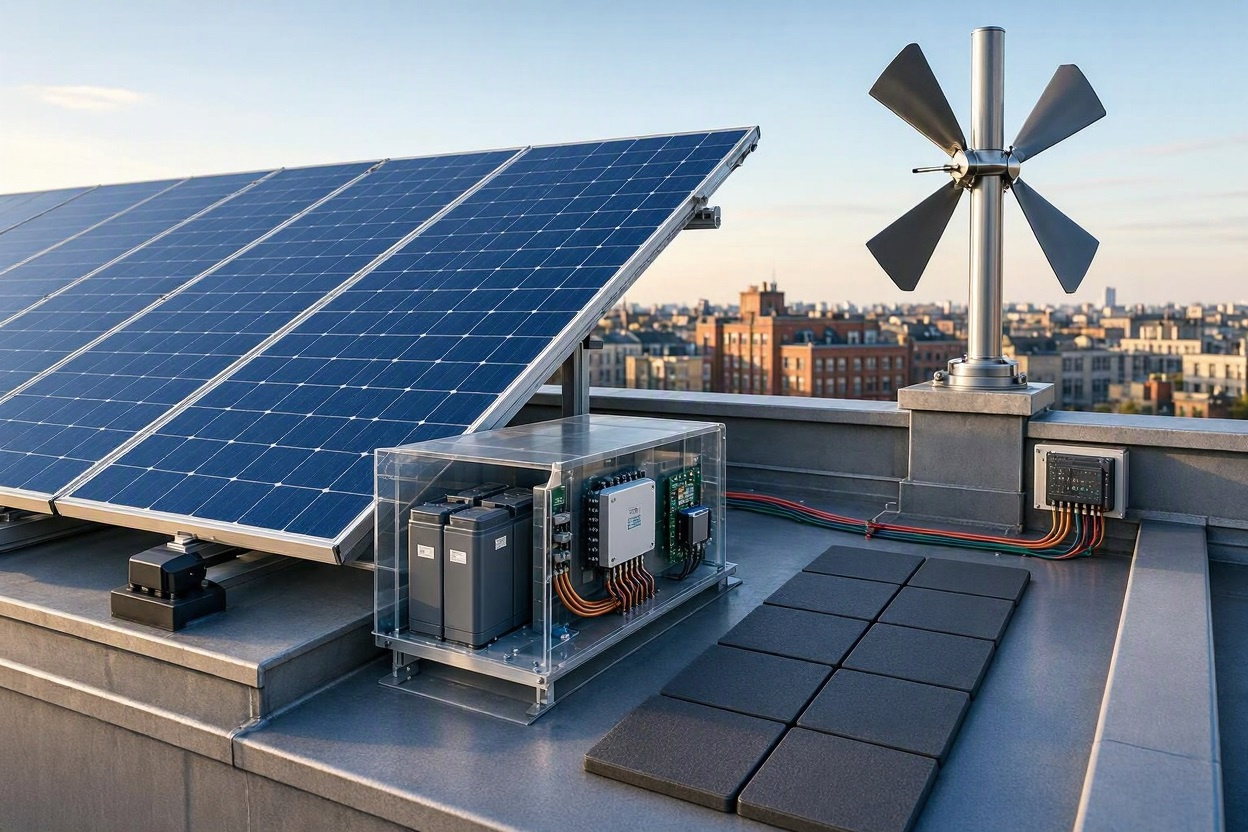
Market Overview and Growth Drivers
The energy harvesting system technology innovation market is expanding at a measured but meaningful pace, with the value rising from USD 0.61 billion in 2025 toward USD 0.95 billion by 2030 at roughly 9.1% CAGR. This growth is not uniform across regions or applications, but it is broad-based enough to signal a durable shift in how low-power electronics are powered. Several interconnected forces are pushing adoption forward. The proliferation of IoT sensors in smart buildings, factories, and cities creates enormous demand for power sources that never need servicing. Falling component costs and improved power management ICs make harvesting viable at smaller scales and lower price points. Sustainability mandates and corporate net-zero goals are encouraging designers to reduce or eliminate disposable batteries. Finally, advances in low-power semiconductors mean that harvested energy, once too faint to be useful, can now run real workloads. Taken together, these drivers suggest the market will continue its upward trajectory, with innovation acting as the primary accelerant rather than a secondary factor.
Download PDF Brochure @ https://www.marketsandmarkets.com/pdfdownloadNew.asp?id=734
Key Market Drivers at a Glance
- IoT proliferation: billions of connected sensors require maintenance-free, self-sustaining power sources.
- Battery replacement costs: in remote or embedded installations, servicing costs often exceed device costs.
- Low-power electronics: ultra-low-power MCUs and radios make harvested energy practical for real applications.
- Sustainability mandates: regulatory and corporate pressure to cut disposable battery waste is intensifying.
- Cost reductions: cheaper transducers and power management ICs are widening the addressable market.
Core Technology Innovations Shaping the Market
Innovation in energy harvesting spans transducers, power management, storage, and system integration, and progress in each area reinforces the others. On the transducer side, piezoelectric materials are becoming more efficient and flexible, enabling vibration harvesting from machinery, bridges, and even human motion. Thermoelectric generators are improving their conversion efficiency at small temperature differentials, opening doors for industrial monitoring and wearable health devices. RF and electromagnetic harvesting are benefiting from better antenna designs and rectifier circuits, allowing devices to draw power from ambient wireless signals. Meanwhile, photovoltaic harvesting has moved beyond traditional panels into indoor and low-light variants that power sensors and smart labels. These advances matter because they collectively widen the range of environments where harvesting is technically and economically feasible. As efficiency improves and form factors shrink, the technology moves from niche pilots into mainstream design decisions.
Photovoltaic and Indoor Light Harvesting
Photovoltaic harvesting remains the most mature and widely deployed form of energy scavenging, but innovation has shifted toward indoor and low-light applications. Traditional solar cells perform poorly under artificial lighting, which has limited their use in offices, warehouses, and homes. New dye-sensitized and organic photovoltaic materials are being engineered to capture indoor light spectra efficiently, enabling self-powered sensors, electronic shelf labels, and building automation devices. These cells can now generate usable microwatts to milliwatts from ambient office lighting, enough to run low-duty-cycle wireless nodes. The appeal is obvious: indoor light is abundant, continuous, and free, making it an ideal energy source for the massive installed base of smart building devices. As efficiency climbs and costs fall, indoor photovoltaics are positioned to become a default power option for a wide range of low-power electronics, reducing battery dependence across the built environment.
Piezoelectric and Vibration-Based Harvesting
Piezoelectric harvesting converts mechanical stress and vibration into electrical energy, making it well suited to industrial and infrastructure environments. Machinery, motors, pipelines, and bridges all generate continuous vibration that can be tapped without affecting their operation. Recent innovations include flexible piezoelectric polymers, micro-machined cantilevers tuned to specific frequencies, and broadband designs that harvest across a range of vibrations rather than a single resonant point. These improvements address a long-standing limitation of piezoelectric systems, which historically performed poorly when vibration frequencies drifted. Wearable applications are also emerging, where body movement powers fitness trackers, medical monitors, and smart textiles. In industrial settings, self-powered vibration sensors can monitor equipment health continuously, supporting predictive maintenance without the cost and logistics of battery replacement. This combination of reliability and low maintenance makes piezoelectric harvesting a compelling option for asset-intensive industries.
Thermoelectric and RF Energy Harvesting
Thermoelectric harvesting exploits temperature differences to generate electricity, and it is finding traction in industrial and wearable contexts. New materials and device architectures are improving conversion efficiency at the small temperature gradients common in real environments, such as those between a machine and ambient air or between skin and clothing. This enables self-powered temperature, flow, and health sensors that operate indefinitely without batteries. RF energy harvesting, meanwhile, captures ambient radio waves from Wi-Fi, cellular, and broadcast sources, converting them into usable DC power. Advances in rectenna design and RF-to-DC conversion efficiency are making this approach viable for ultra-low-power devices in dense urban and industrial settings. While RF harvesting yields relatively small amounts of power, it complements other sources and can keep devices alive in locations where light, heat, and vibration are unavailable. Together, these techniques broaden the portfolio of options available to system designers.
Applications and End-Use Segments
Energy harvesting innovation is translating into real deployments across a growing set of end-use segments, each with distinct requirements and value propositions. In building automation, self-powered sensors monitor occupancy, temperature, and air quality without wiring or battery changes, simplifying retrofits and reducing maintenance costs. Industrial IoT uses harvesting to power condition-monitoring sensors on rotating equipment, pipelines, and remote assets, where wiring is expensive and battery access is difficult. Transportation and automotive applications include tire pressure monitoring, structural health monitoring, and trackers that draw power from vibration or thermal gradients. Healthcare and wearables benefit from body-motion and thermal harvesting for continuous monitoring devices. Consumer electronics, including remote controls, keyboards, and smart home devices, are adopting harvesting to eliminate disposable batteries. Each segment pushes innovation in different directions, from ruggedization to miniaturization, and this diversity sustains a healthy pipeline of technological improvement across the market.
Emerging Opportunities and Future Outlook
Looking ahead, the energy harvesting system market is poised for continued expansion as technology innovation converges with broader megatrends. The push toward edge computing and autonomous sensors will intensify demand for self-powered devices, since deploying thousands of nodes with replaceable batteries is neither practical nor economical at scale. Hybrid harvesting systems that combine multiple sources, such as light plus vibration or thermal plus RF, are emerging to improve reliability and power output in variable conditions. Advances in energy storage, including solid-state micro-batteries and supercapacitors, are addressing the intermittent nature of harvested energy and enabling more capable devices. Standardization efforts and reference designs are lowering barriers to adoption for smaller manufacturers. While challenges remain, including cost sensitivity and design complexity, the trajectory is clear. With the market projected to reach USD 0.95 billion by 2030 at around 9.1% CAGR, innovation will remain the defining force, and stakeholders who invest in transducer efficiency, power management, and system integration are likely to capture the greatest value.
Conclusion
Energy harvesting system technology innovation is transforming how low-power electronics are powered, moving the industry from battery-dependent designs toward self-sustaining, maintenance-free solutions. The market's growth from USD 0.61 billion in 2025 to a projected USD 0.95 billion by 2030, at a CAGR of around 9.1%, reflects genuine technical progress and expanding demand rather than speculative hype. Advances in photovoltaic, piezoelectric, thermoelectric, and RF harvesting, combined with better power management and storage, are widening the range of viable applications across buildings, industry, transport, healthcare, and consumer devices. Challenges around cost, efficiency, and design complexity persist, but they are being steadily addressed through material science, circuit innovation, and system-level integration. For businesses and investors, the opportunity lies in focusing on the enabling technologies that make harvesting practical at scale. As IoT and edge computing continue to expand, energy harvesting will shift from an optional feature to a foundational capability, and the innovators who solve today's efficiency and cost problems will define the market through 2030 and beyond.
Download Sample Research Report for Virtual Reality Market Future: https://www.marketsandmarkets.com/Market-Reports/energy-harvesting-market-734.html
80% of the Forbes Global 2000 B2B companies rely on MarketsandMarkets to identify growth opportunities in emerging technologies and use cases that will have a positive revenue impact.
- Food Packaging Market Size Set for Strong Growth Through 2030 Amid Rising Demand for Convenience Foods
- Crop Protection Chemical Market Size, Share & Growth Forecast (2025–2030)
- Mulch Films Market: Driving Sustainable Agriculture Through Innovation
- Agricultural Adjuvants Market Analysis, Trends, and Growth Outlook (2026–2031)
- Japan Enterprise Asset Management Market Growth: AI and Smart Infrastructure Drive Demand

