

Flexible Humidity Sensors Advance Wearable Health Monitoring with Rapid Relative Humidity Detection
Wearable healthcare technology is transforming how individuals monitor physiological conditions, track daily activities, and manage personal wellness. As demand for continuous health monitoring increases, sensor technologies are becoming smaller, lighter, and more adaptable to the human body. Flexible Humidity Sensors are gaining attention because they can detect changes in relative humidity while conforming to curved surfaces, soft tissues, and wearable materials. Their ability to respond to moisture variations makes them promising components for next generation wearable devices.
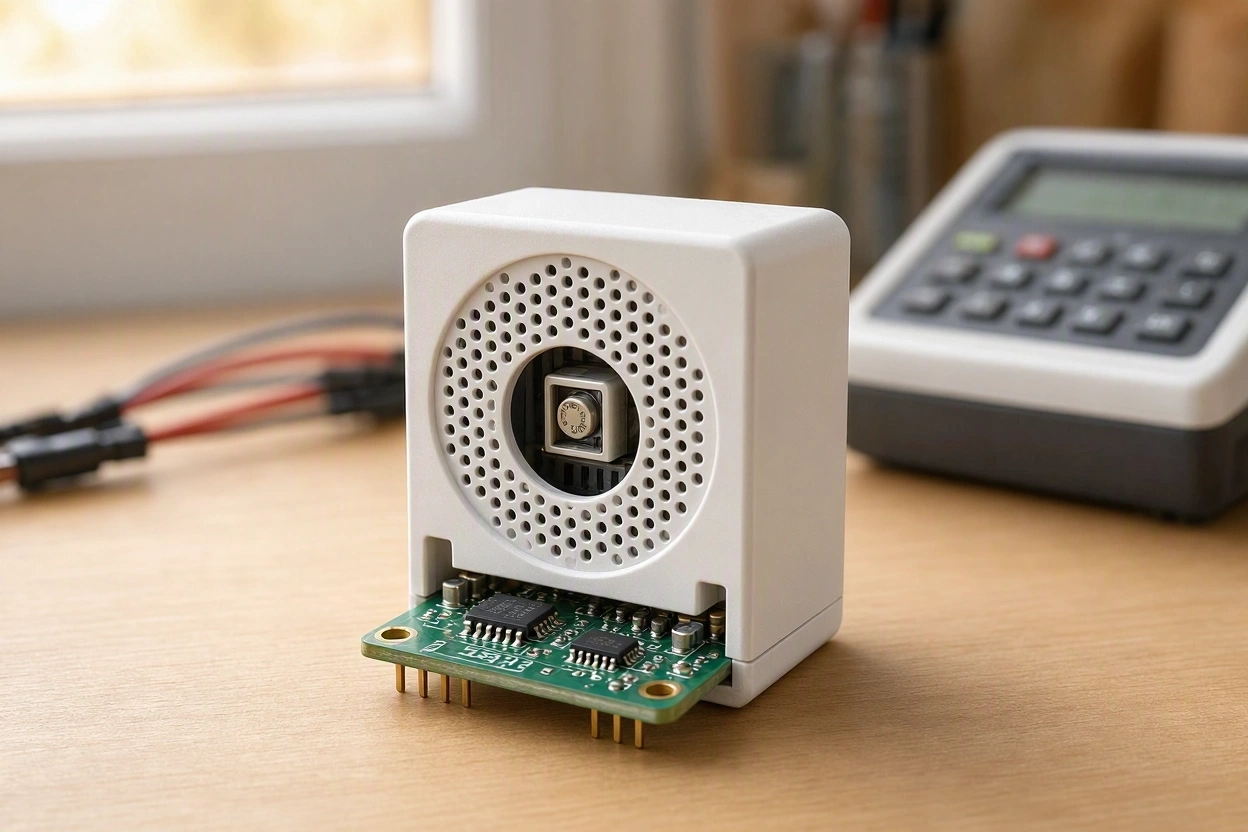
According to Marketsandmarkets, the global humidity sensor market size is projected to grow from USD 3.64 billion in 2026 to USD 5.32 billion by 2032, growing at a CAGR of 6.5% from 2026 to 2032.
Download PDF Brochure @ https://www.marketsandmarkets.com/pdfdownloadNew.asp?id=222120714
Rapid relative humidity detection is particularly valuable in applications that measure perspiration, breathing patterns, skin moisture, and environmental conditions around the body. Conventional humidity sensors can face limitations related to rigidity, comfort, response time, and integration into compact wearable systems. Flexible alternatives address several of these challenges through thin films, polymer substrates, nanomaterials, and advanced conductive structures. These innovations are creating opportunities for more comfortable wearable healthcare devices that collect moisture related information during everyday activities.
How Flexible Humidity Sensors Work
Flexible Humidity Sensors operate by detecting changes in moisture concentration in the surrounding environment or near the skin. When water vapor interacts with a humidity sensitive material, its electrical resistance, capacitance, impedance, or other measurable properties can change. Electronic circuits interpret these variations and convert them into humidity readings that wearable devices can process. Depending on their design, these sensors can support continuous measurements, rapid detection, and integration with compact data acquisition systems.
The sensing mechanism depends on the material composition and device architecture. Capacitive sensors typically measure changes in dielectric properties as moisture interacts with the sensing layer, while resistive sensors identify humidity related variations in electrical resistance. Some advanced designs use nanostructured materials to increase surface area and improve interaction with water molecules. Flexible substrates made from polymers or other bendable materials allow these devices to maintain functionality during movement, making them suitable for skin mounted patches, smart textiles, and wearable respiratory monitors.
Rapid Relative Humidity Detection Improves Wearable Monitoring
Fast response is an important requirement for wearable health monitoring because physiological moisture conditions can change within seconds. During exercise, perspiration increases as the body regulates its temperature, while breathing produces repeated humidity fluctuations near the nose and mouth. Flexible Humidity Sensors with rapid response characteristics can capture these variations more effectively than systems with slower detection capabilities. When combined with suitable electronics, they can provide timely measurements for applications that require continuous moisture monitoring.
Recovery time is equally important because a sensor should return toward its baseline when humidity decreases. Slow recovery can cause measurement errors when users move between different environments or experience repeated cycles of sweating and drying. Engineers therefore evaluate response time, recovery time, sensitivity, hysteresis, and measurement stability when developing wearable humidity sensing systems. Optimizing these characteristics helps Flexible Humidity Sensors deliver more reliable measurements during changing physiological conditions and everyday movement.
Key Materials Driving Sensor Innovation
Material selection strongly influences the performance, durability, flexibility, and sensitivity of wearable humidity sensing devices. Researchers are investigating polymers, graphene, carbon nanotubes, metal oxides, conductive nanocomposites, and other moisture responsive materials. These materials can be engineered to increase surface interaction with water vapor while preserving the mechanical properties needed for wearable applications. Their performance depends on factors such as thickness, porosity, conductivity, surface chemistry, and compatibility with the flexible substrate.
Polymer based sensing layers are attractive because they can be processed into thin films and incorporated into lightweight devices. Nanomaterials can enhance sensitivity by creating structures with large surface areas and efficient electrical pathways. Hybrid materials combine complementary properties to improve mechanical durability and electrical response. Flexible Humidity Sensors developed with these approaches may support improved detection speed, lower power consumption, and better integration with wearable electronics, although performance must be validated under realistic operating conditions.
Major Applications in Wearable Healthcare
Flexible humidity sensing technologies have potential applications across several areas of personal health monitoring. Their ability to detect moisture changes makes them useful for collecting indirect physiological signals, especially when integrated with temperature sensors, motion sensors, and wireless communication modules. The resulting measurements can help researchers understand changes in breathing, sweating, and skin microclimates. However, humidity readings alone generally cannot establish a medical diagnosis and should be interpreted alongside other relevant measurements.
Key application areas include:
- Respiratory monitoring: Detecting humidity fluctuations associated with inhalation and exhalation to support breathing pattern analysis.
- Sweat monitoring: Tracking changes in moisture accumulation near the skin during exercise, physical activity, and recovery.
- Skin moisture assessment: Monitoring local humidity conditions relevant to personal wellness, skincare research, and wearable comfort.
- Smart wound dressings: Assessing moisture conditions around wound coverings to support research into dressing management and wound care.
- Smart textiles: Integrating moisture sensing into garments used for sports, fitness, and physiological research.
- Remote monitoring systems: Combining humidity data with wireless electronics to transmit measurements for further analysis.
These applications illustrate how Flexible Humidity Sensors can contribute to more adaptable and unobtrusive monitoring systems. Their practical value depends on the accuracy of the measurements, the intended application, and the ability to distinguish physiological signals from environmental changes.
Benefits of Flexible Humidity Sensors
One of the most significant advantages of Flexible Humidity Sensors is their ability to conform to different body surfaces without requiring bulky housings. This flexibility can improve comfort and support longer wear periods compared with devices that use rigid sensing components. Lightweight construction also helps developers integrate multiple sensing elements into compact patches, wristbands, masks, and garments. As wearable healthcare systems evolve, mechanical adaptability is becoming an important design consideration alongside sensitivity and measurement accuracy.
Another advantage is the potential for continuous data collection. Conventional clinical measurements often capture information at specific moments, whereas wearable devices can observe changing conditions throughout daily routines. Humidity measurements can complement other physiological signals and provide additional context for understanding sweating, respiratory activity, or the local skin environment. When paired with suitable algorithms, Flexible Humidity Sensors may help identify patterns that warrant closer examination, although any health related conclusions require appropriate validation.
Emerging Trends in Sensor Design
Recent research is exploring new fabrication techniques and material combinations to improve the responsiveness and reliability of flexible sensing devices. Printed electronics, microstructured surfaces, porous sensing films, and nanomaterial based electrodes can help manufacturers develop thin devices with tailored electrical properties. These approaches may also support scalable production by reducing material waste and enabling sensing elements to be deposited onto flexible substrates. Manufacturing consistency remains essential because small variations in material thickness or surface structure can affect measurement performance.
Another emerging trend is the integration of multiple sensing functions into a single wearable platform. Humidity sensors can work alongside temperature, pressure, motion, and biochemical sensing components to provide a broader picture of physiological activity. Flexible Humidity Sensors may also be combined with low power microcontrollers and wireless communication technologies to enable real time data transmission. This integration can make wearable devices more useful for remote monitoring, sports performance analysis, and personalized wellness applications.
Role of Artificial Intelligence in Humidity Data Analysis
Artificial intelligence can improve how wearable systems interpret humidity measurements collected under changing conditions. Raw readings may be influenced by ambient temperature, airflow, physical movement, sensor placement, and the properties of clothing or protective materials. Machine learning algorithms can analyze patterns across multiple sensors to help distinguish relevant changes from environmental interference. This approach can be particularly useful when humidity data is combined with temperature, movement, and respiratory signals.
AI enabled processing may also help identify recurring patterns in perspiration or breathing measurements over time. However, these systems require representative training data, suitable calibration procedures, and independent performance testing. Developers must account for differences in users, activity levels, and environmental conditions to avoid unreliable predictions. Flexible Humidity Sensors can provide valuable input for these systems, but AI analysis does not automatically make a wearable device medically accurate or suitable for clinical decision making.
Challenges Affecting Commercial Adoption
Despite their potential, flexible humidity sensing technologies face several technical challenges. Long term exposure to sweat, repeated bending, temperature fluctuations, and contaminants can change sensor characteristics. Some sensing materials also exhibit hysteresis, drift, or inconsistent recovery after prolonged exposure to high humidity. These effects can reduce measurement reliability unless devices incorporate appropriate protective layers, calibration methods, and durable materials.
Another challenge involves distinguishing body generated moisture from surrounding environmental humidity. A sensor worn during outdoor activity may register changes caused by weather, ventilation, or movement rather than physiological activity alone. Flexible Humidity Sensors must therefore be evaluated under realistic conditions to determine whether their measurements remain useful across different environments. Other considerations include battery life, wireless connectivity, manufacturing cost, skin compatibility, data privacy, and compliance with relevant medical device requirements when intended for healthcare use.
Future Outlook for Wearable Humidity Detection
The future development of wearable humidity monitoring will likely focus on improving sensitivity, reducing response and recovery times, and maintaining stable performance during repeated use. Advances in flexible substrates, nanomaterials, printed electronics, and compact signal processing could support more comfortable and energy efficient sensing devices. Researchers are also likely to explore improved encapsulation techniques and calibration methods that preserve sensor performance without preventing water vapor from reaching the sensing layer.
Flexible Humidity Sensors could become increasingly useful as healthcare monitoring moves toward personalized, continuous, and remotely accessible data collection. Their integration into smart clothing, respiratory accessories, skin patches, and connected wellness devices may broaden the range of measurable physiological signals. Commercial success will depend on demonstrated reliability, practical manufacturing processes, user comfort, and clear application specific benefits. Continued research and clinical validation will be necessary before individual sensor designs can be considered dependable tools for particular medical purposes.
Conclusion
Flexible Humidity Sensors are advancing wearable technology by enabling moisture detection in lightweight, bendable, and body conforming formats. Their ability to respond to relative humidity changes creates opportunities for respiratory monitoring, perspiration analysis, skin moisture assessment, and smart textile development. Rapid detection, material innovation, and integration with wireless electronics are helping researchers build more adaptable wearable monitoring platforms.
Nevertheless, long term stability, environmental interference, calibration, and measurement accuracy remain important considerations. Combining flexible sensing elements with complementary physiological sensors and intelligent data processing can improve the usefulness of collected information. As research progresses, Flexible Humidity Sensors are positioned to contribute to next generation wearable health monitoring, provided that their performance is carefully evaluated for each intended application.
Frequently Asked Questions
1. What are Flexible Humidity Sensors?
Flexible Humidity Sensors are devices that detect changes in relative humidity using moisture responsive materials placed on bendable substrates. They are designed to operate in applications where lightweight construction, adaptability, and integration with curved surfaces are important. Wearable healthcare, smart textiles, and environmental monitoring are among their potential applications.
2. How do Flexible Humidity Sensors support wearable health monitoring?
They measure moisture related changes near the skin or respiratory pathways. These readings can provide information associated with sweating, breathing patterns, and local skin humidity. When combined with other sensors, they can contribute to broader physiological monitoring systems, although humidity measurements alone are not sufficient to diagnose medical conditions.
3. Why is rapid relative humidity detection important?
Rapid detection allows wearable systems to capture moisture fluctuations as they occur. This is useful for monitoring breathing cycles, changing perspiration levels, and environmental conditions around the body. Fast recovery is also important because it helps sensors respond accurately when humidity levels decrease.
4. Which materials are used in flexible humidity sensors?
Common research materials include moisture responsive polymers, graphene, carbon nanotubes, metal oxides, and conductive nanocomposites. Material selection depends on the required sensitivity, flexibility, durability, response time, and manufacturing process. Hybrid materials may combine the advantages of multiple sensing technologies.
5. Can flexible humidity sensors monitor breathing?
Yes. These sensors can detect humidity fluctuations associated with inhaled and exhaled air, particularly when positioned near the nose or mouth. The resulting signals may help analyze breathing patterns, but reliable respiratory monitoring requires suitable placement, calibration, signal processing, and application specific validation.
6. What are the main advantages of flexible humidity sensors?
Their potential advantages include lightweight construction, mechanical flexibility, compact integration, continuous measurement, and compatibility with wearable materials. Depending on the design, they may also provide rapid response and low power operation. Actual performance varies according to the sensing material and device architecture.
7. What challenges affect flexible humidity sensor performance?
Key challenges include sensor drift, hysteresis, environmental interference, moisture saturation, repeated bending, and long term material degradation. Temperature changes and airflow can also affect readings. Appropriate calibration, protective structures, and testing under realistic conditions help address these limitations.
8. How can AI improve flexible humidity sensing?
AI algorithms can analyze humidity measurements alongside temperature, motion, and other sensor signals. They may help identify patterns, reduce the influence of environmental interference, and support interpretation of changing physiological conditions. Their effectiveness depends on data quality, validation, and appropriate model design.
9. Where are flexible humidity sensors used beyond healthcare?
Potential applications include smart clothing, sports performance monitoring, food storage, industrial process monitoring, environmental sensing, and moisture management systems. Their flexibility makes them attractive where conventional rigid sensors are difficult to integrate. Requirements for sensitivity, durability, and calibration differ across applications.
10. What is the future of flexible humidity sensors in wearable devices?
Future developments may focus on faster response, improved durability, multifunctional sensing, printed manufacturing, wireless integration, and AI assisted data analysis. These improvements could expand their use in connected wellness and remote monitoring systems. Wider healthcare adoption will depend on reliable performance, affordability, user comfort, and appropriate validation.
80% of the Forbes Global 2000 B2B companies rely on MarketsandMarkets to identify growth opportunities in emerging technologies and use cases that will have a positive revenue impact.
- Food Packaging Market Size Set for Strong Growth Through 2030 Amid Rising Demand for Convenience Foods
- Crop Protection Chemical Market Size, Share & Growth Forecast (2025–2030)
- Mulch Films Market: Driving Sustainable Agriculture Through Innovation
- Agricultural Adjuvants Market Analysis, Trends, and Growth Outlook (2026–2031)
- Japan Enterprise Asset Management Market Growth: AI and Smart Infrastructure Drive Demand

