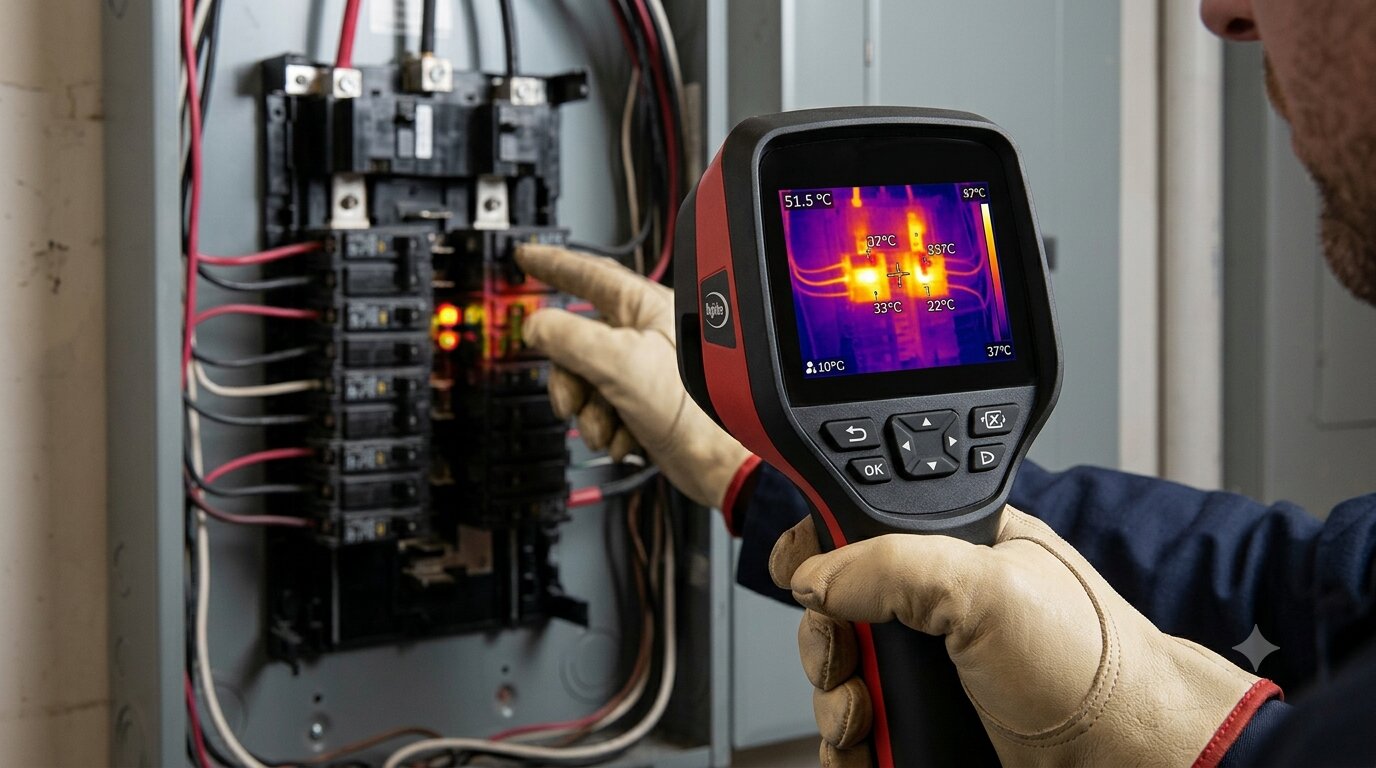
Handheld Imager Market Growth, Trends, Applications and Opportunities
The handheld imager market is gaining attention as industries increasingly require compact, portable, and reliable imaging solutions for inspection, monitoring, security, maintenance, and field operations. Handheld imagers are designed to capture visual, thermal, or specialized imaging data while allowing users to operate equipment directly at the point of inspection. Their portability makes them useful in environments where fixed imaging systems may not provide sufficient flexibility. Advancements in sensors, optics, displays, connectivity, and image processing are improving overall product capabilities. As organizations prioritize faster inspection and better situational awareness, demand across several application areas continues to develop.
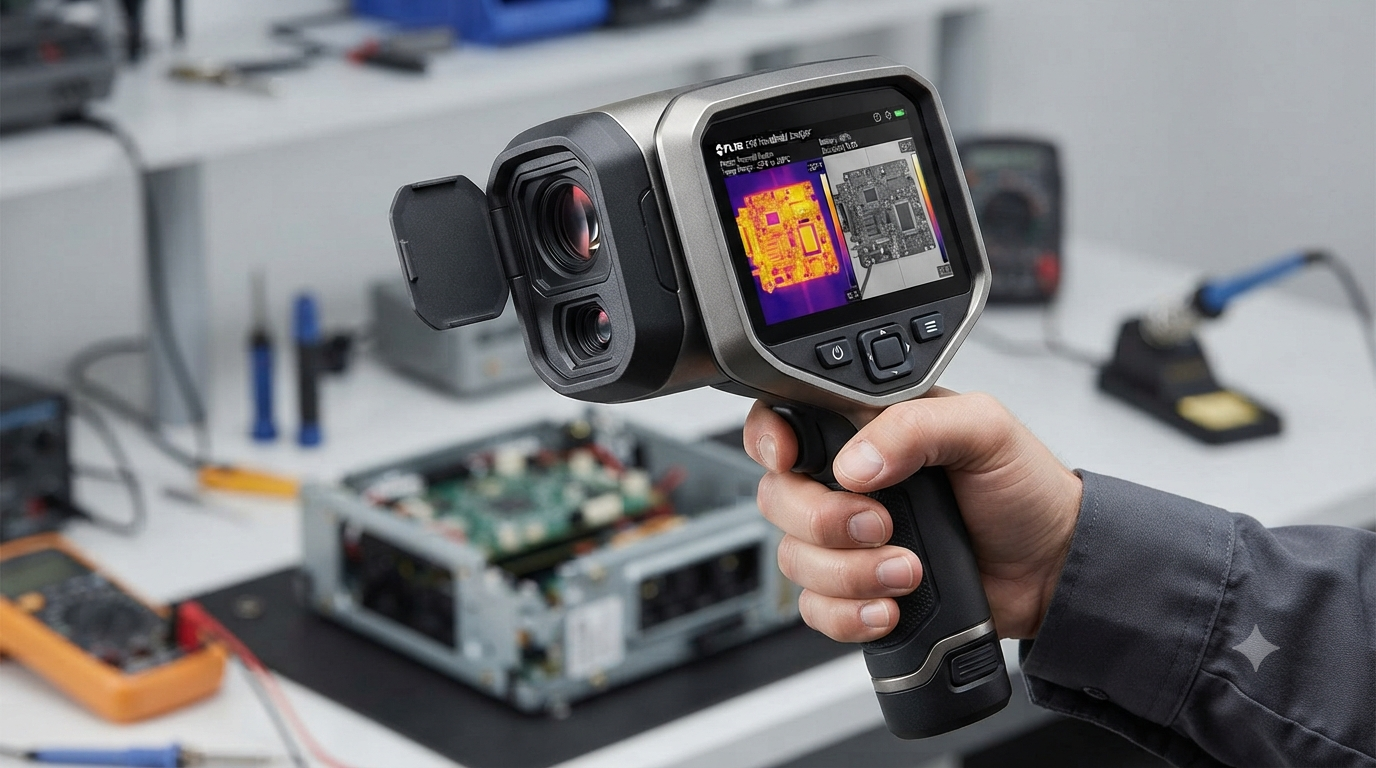
The handheld imager market includes imaging devices designed for professional, industrial, commercial, security, healthcare, infrastructure, and other specialized applications. Depending on the intended use, these devices can incorporate visible spectrum imaging, thermal imaging, infrared sensing, multispectral capabilities, or combinations of different technologies. Modern devices are becoming easier to operate because of improved interfaces and automated image enhancement features. Portable designs also support inspection activities in locations where access is limited or where equipment needs to be moved frequently. This combination of mobility and imaging performance remains an important factor shaping market development.
The infrared imaging market is projected to reach USD 12.79 billion by 2032 from USD 9.13 billion in 2026, at a CAGR of 5.8%.
Download PDF Brochure @ https://www.marketsandmarkets.com/pdfdownloadNew.asp?id=593
Technology Advancements Transforming Imaging Devices
Technological development is one of the most important factors influencing the handheld imager market. Sensor technology has progressed considerably, enabling devices to capture clearer images while operating under challenging environmental conditions. Improvements in infrared sensing are particularly relevant for applications involving temperature differences, equipment inspection, and visibility in low light. Image processing capabilities can enhance captured information and make results easier for operators to interpret. At the same time, improvements in battery technology and electronic components are helping manufacturers develop smaller devices with longer operating periods.
Connectivity is also becoming increasingly important within the handheld imager market. Wireless communication allows captured images and inspection information to be transferred to computers, mobile devices, or centralized systems for further evaluation. Some imaging solutions can support cloud connected workflows, enabling organizations to store and review information across multiple locations. Digital connectivity can also simplify reporting by allowing operators to attach images directly to inspection records. As organizations adopt more connected operational processes, handheld imaging equipment is becoming part of broader digital inspection ecosystems.
Growing Demand Across Industrial Inspection
Industrial inspection represents an important application area for the handheld imager market. Manufacturing facilities, processing plants, warehouses, and industrial sites require regular examination of equipment and infrastructure to identify visible or thermal abnormalities. Portable imaging equipment allows technicians to inspect machinery without relocating large components or installing permanent imaging systems. This flexibility can support routine maintenance and help personnel document equipment conditions. As industrial operations increasingly emphasize efficiency and equipment reliability, portable imaging tools are becoming valuable components of inspection procedures.
The handheld imager market also benefits from increasing attention to preventive maintenance. Traditional inspection methods can require physical access to equipment and may not always reveal problems that are difficult to observe visually. Thermal and specialized imaging can provide additional information about operating conditions, helping technicians identify unusual temperature patterns or other indications that warrant further investigation. Portable systems allow these checks to be performed at different points across a facility. This makes handheld imaging particularly relevant for organizations managing large and complex industrial environments.
Security and Public Safety Applications
Security and public safety applications are another significant area supporting the handheld imager market. Portable imaging devices can assist personnel in situations where visibility is limited or where rapid assessment is required. Thermal imaging capabilities can be useful in darkness, smoke, or environments where conventional visual observation is difficult. Security teams can use imaging equipment for site inspections, perimeter observation, search activities, and specialized operational tasks. The ability to carry equipment easily while maintaining useful imaging performance provides an important advantage in mobile operations.
The handheld imager market is also influenced by the growing need for situational awareness in challenging environments. Emergency response personnel may need to evaluate buildings, infrastructure, vehicles, or surrounding areas quickly. Portable imaging technology can provide additional visual information without requiring extensive equipment installation. In specialized circumstances, infrared imaging can help identify heat sources that are not immediately visible to the human eye. Continued development of ruggedized devices, improved displays, and simplified controls is expected to support broader professional use.
Healthcare and Specialized Imaging Opportunities
Healthcare and specialized diagnostic applications provide additional opportunities for the handheld imager market. Portable imaging devices can support selected monitoring and assessment activities where mobility and ease of use are important. Specialized imaging technologies can assist professionals in observing physical characteristics that may not be readily apparent through standard visual inspection. The development of smaller sensors and digital processing components is making portable equipment increasingly practical for certain professional environments. However, healthcare applications require appropriate validation, regulatory compliance, and workflow integration before imaging devices can be widely adopted.
The handheld imager market can also benefit from specialized applications outside traditional healthcare settings. Research laboratories, environmental monitoring operations, building inspection services, and technical field teams may require portable imaging equipment for specific measurement and observation tasks. These users often prioritize image quality, portability, operating time, durability, and data management. Product designs that balance these requirements can address a broad range of professional needs. Increasing specialization is therefore creating opportunities for imaging solutions designed around particular operational requirements.
Key Factors Supporting Market Expansion
Several factors are contributing to the development of the handheld imager market. Organizations are increasingly seeking tools that can provide useful information directly at the inspection location. Portable imaging reduces dependence on fixed systems and can make field operations more flexible. Improvements in sensor sensitivity and digital image processing are also expanding the range of conditions in which these devices can be used. In addition, growing awareness of preventive maintenance and asset monitoring is increasing interest in technologies capable of identifying potential problems at an early stage.
The major growth factors include:
- Increasing demand for portable inspection equipment across industrial environments.
- Greater adoption of thermal and infrared imaging for maintenance and monitoring.
- Growing emphasis on workplace safety and operational efficiency.
- Rising need for digital documentation and remote sharing of inspection information.
- Continued improvements in sensor performance, battery life, displays, and connectivity.
These factors collectively create a favorable environment for the handheld imager market. However, adoption depends on the specific requirements of individual industries and users. Buyers typically evaluate imaging resolution, detection capability, operating temperature range, durability, battery performance, software functionality, and total ownership considerations before purchasing equipment. Products that combine practical usability with reliable performance can achieve stronger acceptance among professional users. The market is therefore evolving around both technological capability and real world operational value.
Importance of Thermal Imaging Technology
Thermal imaging remains a major technology area within the handheld imager market. Thermal devices detect infrared radiation and translate temperature differences into visual information that users can interpret. This capability makes thermal imaging useful for electrical inspections, mechanical equipment monitoring, building assessment, fire response, and several other applications. Because thermal information can reveal conditions that are not visible through ordinary cameras, it provides an additional layer of inspection data. Improvements in sensor technology are helping portable thermal devices become more capable and accessible.
The handheld imager market is also seeing interest in devices that combine thermal and visible imaging. Combining different image sources can help users understand the physical location and characteristics of an observed issue. For example, visible images can provide contextual information while thermal images highlight temperature variations. Integrated displays and software can make this information easier to compare and document. Such multifunctional equipment can reduce the need for users to carry multiple separate devices during field inspections.
Product Design and User Experience Trends
Product design has become an important competitive factor in the handheld imager market. Professional users often operate imaging equipment for extended periods, making weight, grip, button placement, display visibility, and interface simplicity important considerations. Devices designed for field environments may also require resistance to dust, moisture, vibration, and accidental impacts. Rugged construction can improve reliability when equipment is used in demanding industrial or outdoor conditions. Manufacturers are therefore focusing on balancing compact design with durability and performance.
Ease of use is another important consideration for the handheld imager market. Advanced imaging features have limited value if operators cannot interpret results efficiently. Modern interfaces increasingly focus on clear menus, simplified controls, automated adjustments, and intuitive reporting functions. Touchscreen displays can make navigation easier, while software tools can assist with image organization and analysis. These improvements are particularly relevant for organizations where employees with different levels of technical expertise may use the same imaging equipment.
Role of Artificial Intelligence in Imaging
Artificial intelligence is gradually influencing the handheld imager market by improving image analysis and interpretation. Intelligent software can assist with identifying patterns, highlighting unusual observations, and organizing large quantities of captured information. Such capabilities may help technicians process inspection data more efficiently. Automated analysis can also reduce repetitive manual tasks in applications where large numbers of images must be reviewed. As computing capabilities continue to improve, intelligent image processing is likely to become more integrated into professional imaging workflows.
The use of artificial intelligence in the handheld imager market also raises important considerations around accuracy, transparency, data security, and operator oversight. Automated findings should be evaluated within the context of the specific application and operating conditions. Users may require systems that allow them to review original images and understand how automated observations were generated. Organizations adopting intelligent imaging tools must also consider how captured data is stored, transferred, and protected. Responsible implementation will therefore remain important as these technologies become more capable.
Regional Development and Adoption Patterns
Regional demand in the handheld imager market varies according to industrial activity, infrastructure development, security requirements, technological adoption, and purchasing capacity. Developed industrial regions often have established inspection and maintenance practices that support demand for advanced imaging equipment. Emerging markets are also creating opportunities as manufacturing, construction, energy infrastructure, and public safety activities expand. Differences in regulatory requirements and operating conditions can influence product selection across regions. Local service capabilities and technical support can also affect purchasing decisions.
In many developing economies, the handheld imager market is supported by investments in infrastructure and industrial modernization. Inspection teams increasingly require portable equipment capable of supporting field activities across geographically dispersed locations. Construction companies and facility operators can use imaging technologies for building assessment and maintenance tasks. Industrial facilities may also adopt portable thermal imaging as part of equipment monitoring programs. As awareness of the benefits of advanced inspection technologies increases, adoption opportunities can expand across a wider range of industries.
Challenges Affecting Market Development
Despite strong application potential, the handheld imager market faces several challenges. Advanced imaging equipment can involve relatively high acquisition costs compared with basic visual inspection tools. Some users may also require specialized training to interpret thermal or multispectral information correctly. Differences in sensor specifications can make it difficult for buyers to compare products based solely on advertised features. In addition, environmental conditions can affect imaging performance, requiring users to understand the limitations of their equipment.
Data management represents another challenge for the handheld imager market. High resolution images and associated inspection records can generate significant amounts of information. Organizations need suitable systems for storing, organizing, securing, and retrieving these records. When multiple teams use different imaging devices, compatibility and workflow integration can become additional concerns. Addressing these challenges through improved software, training, connectivity, and standardized procedures can support broader adoption.
Competitive Landscape and Product Differentiation
Competition in the handheld imager market is influenced by product performance, imaging quality, portability, durability, software capabilities, and customer support. Manufacturers differentiate their solutions through sensor specifications, display technologies, measurement capabilities, connectivity options, and specialized features. Some products are designed for general inspection activities, while others focus on specific professional applications. This segmentation enables users to select equipment based on operational requirements rather than relying on a single universal imaging solution.
The handheld imager market is also becoming more focused on integrated solutions. Buyers increasingly consider the complete workflow surrounding image capture rather than the hardware alone. Software for analysis, reporting, storage, and collaboration can influence the overall value of an imaging system. Training and technical support may also play an important role in purchasing decisions, especially for specialized applications. Companies that provide practical solutions covering equipment and associated workflows can address a broader range of customer requirements.
Emerging Opportunities for Market Participants
New opportunities are developing as imaging technology becomes smaller, more connected, and easier to operate. Portable devices can support inspection activities in locations where fixed imaging systems are impractical. The combination of thermal, visible, and specialized sensing can create multifunctional tools for field professionals. Integration with mobile applications and digital asset management platforms can further improve the usefulness of captured information. These developments are creating opportunities for solutions that connect imaging with broader maintenance and operational processes.
The handheld imager market may also benefit from increasing demand for remote collaboration. Technicians working in the field can capture images and share information with specialists located elsewhere. This capability can help organizations coordinate technical assessments without requiring experts to travel to every location. Cloud based storage and digital reporting can further simplify collaboration when appropriate security controls are implemented. These trends could encourage wider use of connected imaging devices across geographically distributed operations.
Future Direction of the Handheld Imager Market
The future direction of the handheld imager market will be shaped by continued advances in sensing, computing, connectivity, and industrial digitalization. Devices are expected to become increasingly compact while offering more sophisticated image processing capabilities. Improved software can make advanced imaging information easier for operators to understand and incorporate into inspection reports. Integration with digital maintenance platforms may also become increasingly important for organizations managing large asset portfolios. These developments can expand the role of portable imaging from simple observation toward data driven inspection.
Another important trend for the handheld imager market is the development of application specific solutions. Different industries require different imaging characteristics, measurement capabilities, environmental protections, and reporting functions. Products tailored to electrical inspection, construction, public safety, industrial maintenance, or specialized research can address these distinct requirements more effectively. Sustainability considerations may also influence future product development through improvements in energy efficiency, component durability, and product lifecycle management. Overall, innovation is likely to remain central to market development.
Conclusion
The handheld imager market is developing as organizations across industrial, security, infrastructure, maintenance, healthcare, and specialized fields seek portable tools for visual and advanced imaging applications. Improvements in sensors, thermal technology, image processing, connectivity, and artificial intelligence are expanding the capabilities of modern handheld equipment. Demand is also supported by the growing importance of preventive maintenance, field inspection, safety, and digital documentation. At the same time, cost, training, data management, and workflow integration remain important considerations for users.
The continued evolution of the handheld imager market will depend on how effectively imaging technologies address practical user requirements. Products that combine portability, reliable sensing, intuitive operation, durability, connectivity, and useful analytical capabilities can serve a wide variety of professional applications. As digital inspection practices become more established, handheld imaging is likely to remain an important tool for collecting actionable visual information in the field. The combination of technological innovation and expanding application areas provides opportunities for continued development across the market.
FAQs About the Handheld Imager Market
What is a handheld imager?
A handheld imager is a portable electronic device used to capture visual, thermal, infrared, or other specialized forms of imaging information. It allows professionals to perform inspections and observations directly at the location of interest without relying on permanently installed imaging equipment.
What is driving the handheld imager market?
The handheld imager market is being supported by growing demand for portable inspection equipment, preventive maintenance, thermal monitoring, security applications, infrastructure assessment, and digital documentation. Improvements in sensor technology and connectivity are also encouraging adoption.
Where are handheld imagers commonly used?
Handheld imagers are used across manufacturing, electrical inspection, construction, infrastructure maintenance, public safety, security, environmental assessment, research, and selected healthcare applications. Their portability makes them useful in locations where fixed imaging systems are difficult to deploy.
Why is thermal imaging important?
Thermal imaging enables users to identify differences in surface temperature that may not be visible through conventional cameras. This capability can support equipment inspection, electrical assessment, building evaluation, fire response, and other applications where temperature information provides useful context.
How is artificial intelligence affecting the market?
Artificial intelligence can support image enhancement, pattern recognition, anomaly identification, data organization, and automated analysis. These capabilities may help professionals process imaging information more efficiently while still requiring appropriate human review and application specific validation.
What factors should buyers consider?
Buyers commonly consider image quality, sensor capability, temperature measurement performance, portability, battery life, display quality, durability, connectivity, software functionality, data management, training requirements, and compatibility with existing inspection workflows.
What challenges affect the handheld imager market?
Important challenges include equipment costs, operator training, differences between technical specifications, environmental limitations, data management requirements, and integration with existing digital systems. Addressing these factors can improve the practical value of portable imaging solutions.
What is the outlook for handheld imaging technology?
The outlook is closely connected with advances in sensors, artificial intelligence, connectivity, image processing, and digital inspection workflows. Increasing demand for portable and data enabled inspection tools is creating opportunities for further innovation across multiple professional applications.
80% of the Forbes Global 2000 B2B companies rely on MarketsandMarkets to identify growth opportunities in emerging technologies and use cases that will have a positive revenue impact.
- Food Packaging Market Size Set for Strong Growth Through 2030 Amid Rising Demand for Convenience Foods
- Crop Protection Chemical Market Size, Share & Growth Forecast (2025–2030)
- Mulch Films Market: Driving Sustainable Agriculture Through Innovation
- Agricultural Adjuvants Market Analysis, Trends, and Growth Outlook (2026–2031)
- Japan Enterprise Asset Management Market Growth: AI and Smart Infrastructure Drive Demand