

IoT Enabled Smart Lighting Drives Demand for Connected Switches and Automated Relay Units in Smart Buildings
Smart buildings are transforming how lighting systems operate by integrating connected devices, intelligent controls, and automated energy management technologies. Traditional lighting systems are increasingly being replaced by solutions that respond to occupancy, daylight availability, user preferences, and building operating schedules. In this transition, IoT enabled Smart Lighting Drives growing demand for connected switches and automated relay units that provide centralized control and improve operational efficiency. These technologies allow facility managers to manage lighting across offices, commercial complexes, hospitals, educational institutions, and industrial facilities. As building owners focus on reducing electricity consumption and improving occupant comfort, connected lighting infrastructure is becoming an important part of modern building automation.
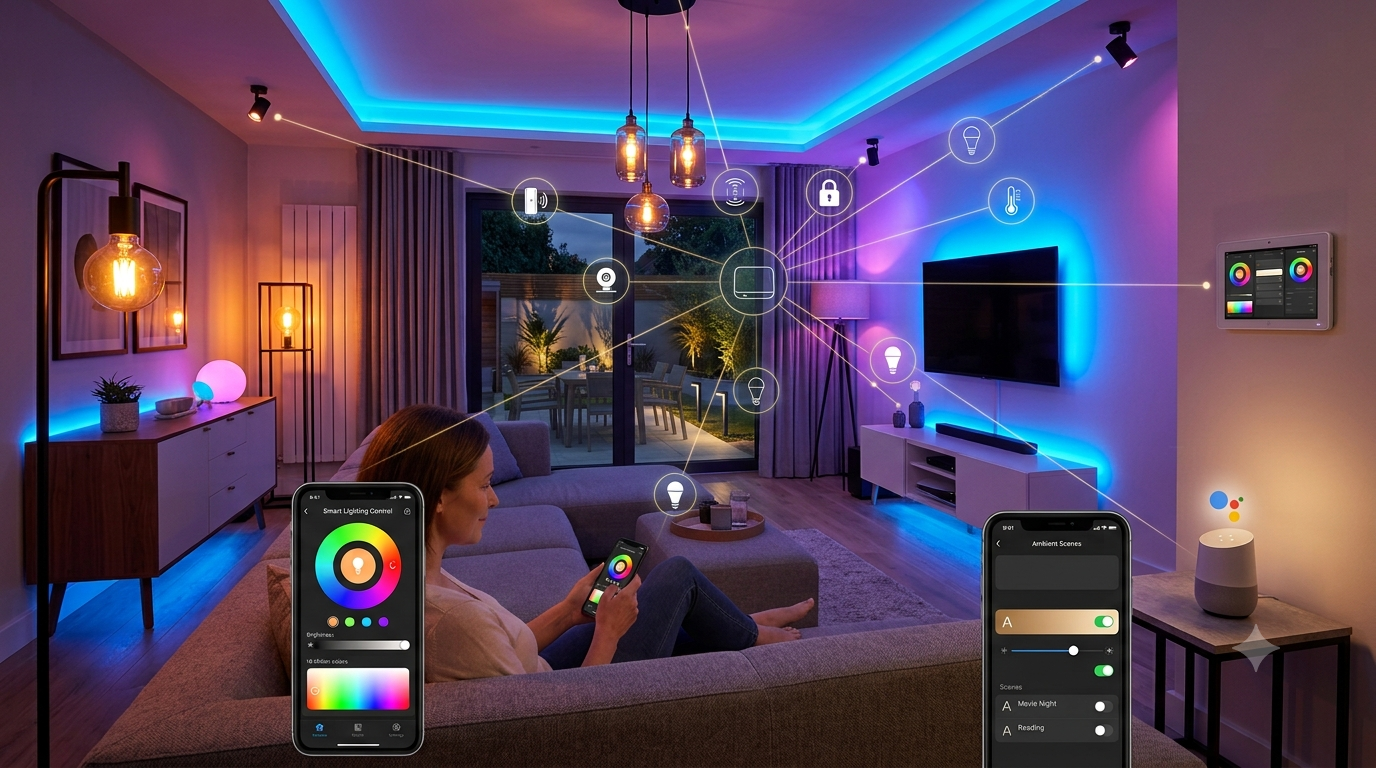
According to Marketsandmarkets, the global smart lighting market size is projected to grow from USD 11.00 billion in 2026 to USD 20.50 billion by 2032, growing at a CAGR of 10.9% from 2026 to 2032.
Download PDF Brochure @ https://www.marketsandmarkets.com/pdfdownloadNew.asp?id=985
The growing adoption of the Internet of Things (IoT) is strengthening the connection between lighting hardware, software platforms, sensors, and building management systems. Connected switches enable users to control lighting remotely, while automated relay units allow existing electrical circuits to operate through intelligent commands. Together, these components support flexible lighting schedules, occupancy based automation, and centralized monitoring. Smart Lighting Drives technological development by encouraging manufacturers to offer interoperable, energy efficient, and scalable control solutions. This shift is creating opportunities for lighting equipment suppliers, electrical component manufacturers, automation companies, and smart building technology providers.
How IoT Technology Is Transforming Smart Lighting
IoT technology allows lighting devices to exchange information through wired or wireless communication networks. Sensors can detect occupancy, measure ambient brightness, and transmit data to lighting controllers that adjust illumination according to predefined conditions. Building managers can also monitor lighting performance through dashboards and mobile applications, making it easier to identify unnecessary energy consumption. These capabilities help organizations move beyond basic on and off switching toward responsive lighting management. Smart Lighting Drives this transformation by connecting individual lighting fixtures and electrical controls with broader building automation infrastructure.
Connected lighting systems can use communication technologies such as Wi Fi, Bluetooth Low Energy, Zigbee, Thread, and wired protocols, depending on installation requirements. The selection of a communication method depends on building size, device density, interoperability needs, cybersecurity requirements, and maintenance considerations. Some systems operate through local controllers, while others connect to cloud platforms for remote monitoring and analytics. By combining sensors, controllers, and connected electrical components, buildings can automate routine lighting operations and reduce dependence on manual intervention. This flexibility makes IoT enabled lighting suitable for both new construction and the modernization of existing properties.
Connected Switches Improve Lighting Control
Connected switches are important components of intelligent lighting infrastructure because they combine familiar wall based controls with digital communication capabilities. Unlike conventional switches, these devices may support remote operation, programmable schedules, scene selection, and integration with voice assistants or building automation platforms. Occupants can adjust lighting according to their preferences, while facility managers can establish consistent operating rules across different areas. Connected switches also help create flexible lighting environments in meeting rooms, reception areas, corridors, and shared workspaces. Smart Lighting Drives demand for these products as organizations seek convenient control without sacrificing operational efficiency.
Modern connected switches can support centralized configuration and monitoring, depending on the product architecture. For example, a facility manager may establish separate lighting schedules for conference rooms, workstations, storage areas, and common spaces. Some systems allow authorized users to control lights remotely when rooms are unoccupied or operating hours change. Advanced installations can also combine connected switches with occupancy sensors and daylight sensors to automate lighting adjustments. These capabilities reduce unnecessary manual operations and help buildings maintain suitable illumination levels throughout the day.
Automated Relay Units Enable Intelligent Electrical Control
Automated relay units allow electrical circuits to be switched according to commands received from controllers, sensors, timers, or building management systems. They can be installed in electrical distribution panels, control cabinets, lighting circuits, or compatible smart control modules. Depending on their design and ratings, these units can manage groups of lights or individual circuits without requiring every fixture to have a separate intelligent control device. This makes relay based automation particularly useful for large commercial buildings, warehouses, educational campuses, and industrial facilities. Smart Lighting Drives demand for automated relays because they provide a practical connection between digital control systems and conventional electrical infrastructure.
Relay units can also support the modernization of existing buildings where replacing every light fixture would be expensive or disruptive. When compatible with the electrical installation and control architecture, relay modules can add remote switching and scheduled operation to conventional lighting circuits. Facility managers can organize lighting into zones and automate each zone according to occupancy, operating hours, or security requirements. However, selecting a relay requires careful consideration of voltage, current ratings, switching loads, installation conditions, and electrical safety standards. Professional installation and appropriate protection devices remain essential for dependable operation.
Major Factors Driving Adoption in Smart Buildings
The expansion of connected lighting is supported by rising energy management priorities, improvements in wireless connectivity, and increasing interest in automated building operations. Commercial property owners are looking for practical ways to reduce operating expenses while maintaining suitable illumination for employees, customers, and visitors. Connected switches and automated relay units help address these requirements by enabling scheduled operation, occupancy based control, and centralized management. Smart Lighting Drives adoption as building owners increasingly evaluate lighting as part of a wider digital infrastructure strategy rather than an isolated electrical function.
The following factors are contributing to demand for connected lighting control components:
Energy efficiency requirements: Automated lighting can reduce unnecessary operating hours by switching lights off when spaces are vacant and adjusting illumination according to daylight availability.
Building automation integration: Connected switches and relays can work with compatible sensors, controllers, and building management systems to coordinate lighting operations.
Operational convenience: Remote access and centralized control simplify lighting management across multiple floors, departments, or properties.
Smart infrastructure development: New commercial buildings and modernization projects increasingly incorporate connected electrical systems to improve monitoring and flexibility.
These drivers are encouraging manufacturers to develop compact, reliable, and interoperable control products. Adoption will still depend on installation costs, compatibility with existing equipment, cybersecurity measures, and the measurable benefits available to building owners.
Role of Energy Efficiency and Sustainability
Lighting can represent a significant portion of electricity consumption in buildings, particularly where illumination operates for extended periods. IoT enabled controls help address this challenge by ensuring that lighting operates according to actual requirements rather than fixed schedules alone. Occupancy sensors can turn lights off in vacant rooms, while daylight responsive controls can reduce artificial illumination near windows when sufficient natural light is available. These functions can complement energy efficient LED fixtures to improve overall lighting performance. Smart Lighting Drives sustainability efforts by enabling more precise control over when, where, and how lighting electricity is consumed.
Automated lighting management can also provide operational data that supports energy audits and facility planning. By reviewing usage patterns, managers can identify areas where lighting remains active unnecessarily or where schedules require adjustment. Centralized monitoring can simplify the comparison of lighting performance across different zones and buildings. Actual savings depend on the existing lighting technology, occupancy patterns, sensor placement, control settings, and user behavior. Consequently, organizations should assess energy consumption before and after implementation rather than assuming that every connected installation will deliver the same results.
Applications Across Commercial and Industrial Buildings
Offices are important application areas for connected switches and automated relay units because they contain multiple work zones with changing occupancy throughout the day. Intelligent lighting can support meeting room scheduling, shared workspace management, corridor automation, and after hours operation. In retail environments, lighting scenes can be adjusted for different departments, operating periods, and customer experiences. Hospitals and educational institutions can use automated controls to manage corridors, classrooms, administrative areas, and common facilities according to operational needs. Smart Lighting Drives wider adoption as organizations look for consistent control across diverse building environments.
Industrial buildings and warehouses present additional opportunities because they often contain large lighting zones, high ceilings, and extended operating schedules. Automated relay units can control suitable lighting circuits based on shift timings, occupancy detection, and predefined operating conditions. Connected controls can also help maintenance teams identify unusual usage patterns and improve visibility into lighting operations. In hotels and residential complexes, users can benefit from room based control, scheduled switching, and integration with other smart building functions. Each application requires a configuration appropriate to its lighting loads, occupancy characteristics, safety requirements, and operational priorities.
Integration With Building Management Systems
Building management systems bring together information and control functions for lighting, heating, ventilation, air conditioning, access control, and other building services. When compatible devices are integrated, lighting can respond to broader operating conditions instead of functioning independently. For example, a meeting room booking system may help trigger a suitable lighting scene, while occupancy information can support coordinated operation in shared spaces. Connected switches and relay units provide the electrical control layer required to execute these commands. Smart Lighting Drives demand for integrated solutions as facility managers seek a unified view of building operations.
Successful integration depends on communication compatibility, reliable device addressing, secure access, and clearly defined control rules. Buildings may contain equipment from several manufacturers, so buyers should verify interoperability before selecting products. Open protocols and documented interfaces can help reduce dependence on a single vendor, although compatibility must be confirmed for the specific devices and software involved. Local control options can also be valuable when internet connectivity is unavailable or cloud services experience interruptions. Careful system design ensures that automation remains reliable and that occupants retain appropriate manual control.
Challenges Affecting Market Adoption
Despite the benefits, connected lighting deployments can face technical and commercial barriers. Initial costs may include sensors, controllers, connected switches, relay modules, network infrastructure, commissioning, and staff training. Older buildings may require electrical modifications or compatibility checks before intelligent controls can be installed. Cybersecurity is another consideration because network connected devices may introduce vulnerabilities if they are not configured, updated, and managed correctly. Smart Lighting Drives demand, but long term adoption will depend on solutions that balance functionality, affordability, safety, and ease of maintenance.
Interoperability can also become difficult when different products use incompatible communication standards or proprietary software. Poor sensor placement, unreliable network coverage, and unsuitable control settings may reduce the effectiveness of an installation. Organizations can address these issues through site assessments, pilot projects, documented technical requirements, and staged deployment. Procurement teams should evaluate product support, software update policies, warranty conditions, electrical certifications, and integration capabilities. A structured implementation process helps reduce operational disruption and improves the likelihood of achieving the expected benefits.
Future Trends in Connected Lighting Technology
The next phase of connected lighting development is likely to emphasize more adaptive controls, improved interoperability, and stronger integration with building analytics. Intelligent systems can use occupancy patterns, environmental data, and operating schedules to recommend or automatically implement lighting adjustments. Edge processing may enable selected decisions to occur locally, improving responsiveness and reducing dependence on continuous cloud communication. Smart Lighting Drives innovation as manufacturers develop control devices that can work with energy monitoring platforms and wider building automation systems. These developments can make lighting infrastructure more responsive to changing occupancy and operational requirements.
Another important direction is the modernization of existing buildings through retrofit friendly switches, compact relay modules, and wireless control solutions. Building owners may prefer upgrades that preserve compatible lighting fixtures and reduce installation disruption. Manufacturers are also likely to focus on simplified commissioning, secure device management, and clearer integration options for facility operators. As smart building investments expand, connected lighting components will remain important for translating digital commands into practical electrical control. The strongest solutions will combine reliable hardware, intuitive software, energy performance monitoring, and dependable long term support.
Conclusion
IoT enabled lighting is changing how buildings manage illumination, electricity consumption, and day to day operations. Connected switches provide convenient local and remote control, while automated relay units enable intelligent switching of compatible electrical circuits. Together, these components support occupancy based automation, centralized monitoring, scheduled operation, and integration with wider building management platforms. Smart Lighting Drives demand for connected control technologies as commercial, industrial, and residential building owners prioritize energy efficiency and operational flexibility. Successful adoption, however, requires careful product selection, interoperability planning, cybersecurity protection, and professional installation.
For manufacturers and technology providers, opportunities exist in developing reliable, scalable, and easy to integrate lighting control solutions. For building owners, the most effective approach is to evaluate existing infrastructure, identify high value automation opportunities, and measure performance after implementation. Connected lighting can contribute to more efficient buildings when its capabilities are aligned with actual occupancy patterns and operational requirements. As IoT technology advances, intelligent switches and automated relay units are expected to remain essential components of connected building infrastructure.
Frequently Asked Questions
1. What is IoT enabled smart lighting?
IoT enabled smart lighting uses connected devices, sensors, controllers, and software to manage illumination automatically or remotely. It allows lighting systems to respond to occupancy, daylight conditions, schedules, and user preferences.
2. How do connected switches improve lighting management?
Connected switches enable remote operation, programmable schedules, scene selection, and integration with compatible automation platforms. They help users control lighting conveniently and allow facility managers to manage multiple lighting zones.
3. What is the role of automated relay units in smart lighting?
Automated relay units switch compatible electrical circuits in response to control signals from sensors, timers, controllers, or building management systems. They can help add intelligent switching to existing lighting installations.
4. How does IoT enabled lighting support energy efficiency?
It can reduce unnecessary lighting operation through occupancy detection, daylight responsive adjustments, and scheduled switching. The actual energy savings depend on building conditions, existing equipment, and control configuration.
5. Which buildings can benefit from connected switches and relay units?
Offices, hospitals, educational institutions, retail stores, hotels, warehouses, industrial facilities, and residential complexes can benefit from connected lighting controls when the solutions match their operational requirements.
6. Can connected relay units be installed in existing buildings?
Yes, compatible relay units can often be used to modernize existing lighting circuits. Installation depends on wiring, electrical ratings, available space, communication requirements, and applicable safety standards.
7. Which communication technologies are used in smart lighting?
Common options include Wi Fi, Bluetooth Low Energy, Zigbee, Thread, and wired communication protocols. The appropriate choice depends on network reliability, device compatibility, security, coverage, and project requirements.
8. What challenges affect smart lighting adoption?
Major challenges include initial installation costs, interoperability, cybersecurity, network reliability, and integration with legacy electrical infrastructure. Proper planning and professional commissioning can help address these concerns.
9. How does smart lighting integrate with building management systems?
Compatible lighting devices can exchange information with building management platforms to coordinate lighting schedules, occupancy based operation, monitoring, and other building automation functions.
10. What is the future of connected switches and automated relay units?
Future developments are expected to emphasize improved interoperability, retrofit friendly installation, intelligent automation, secure connectivity, and integration with energy monitoring and smart building management platforms.
80% of the Forbes Global 2000 B2B companies rely on MarketsandMarkets to identify growth opportunities in emerging technologies and use cases that will have a positive revenue impact.
- Food Packaging Market Size Set for Strong Growth Through 2030 Amid Rising Demand for Convenience Foods
- Crop Protection Chemical Market Size, Share & Growth Forecast (2025–2030)
- Mulch Films Market: Driving Sustainable Agriculture Through Innovation
- Agricultural Adjuvants Market Analysis, Trends, and Growth Outlook (2026–2031)
- Japan Enterprise Asset Management Market Growth: AI and Smart Infrastructure Drive Demand

