

Miniaturized Humidity Sensors Expand IoT Applications Through Low Power Capacitive Sensing Technologies
The rapid expansion of the Internet of Things (IoT) is increasing demand for compact, energy efficient sensors that can continuously monitor environmental conditions. Humidity measurement is particularly important because moisture levels influence product quality, equipment reliability, indoor comfort, and industrial processes. As connected devices become smaller and more intelligent, traditional sensing technologies must adapt to tighter space and power requirements. Miniaturized capacitive sensors are emerging as a practical solution because they combine compact construction with reliable relative humidity measurement. These developments demonstrate how Humidity Sensors Expand IoT Applications across residential, commercial, industrial, and environmental monitoring environments.
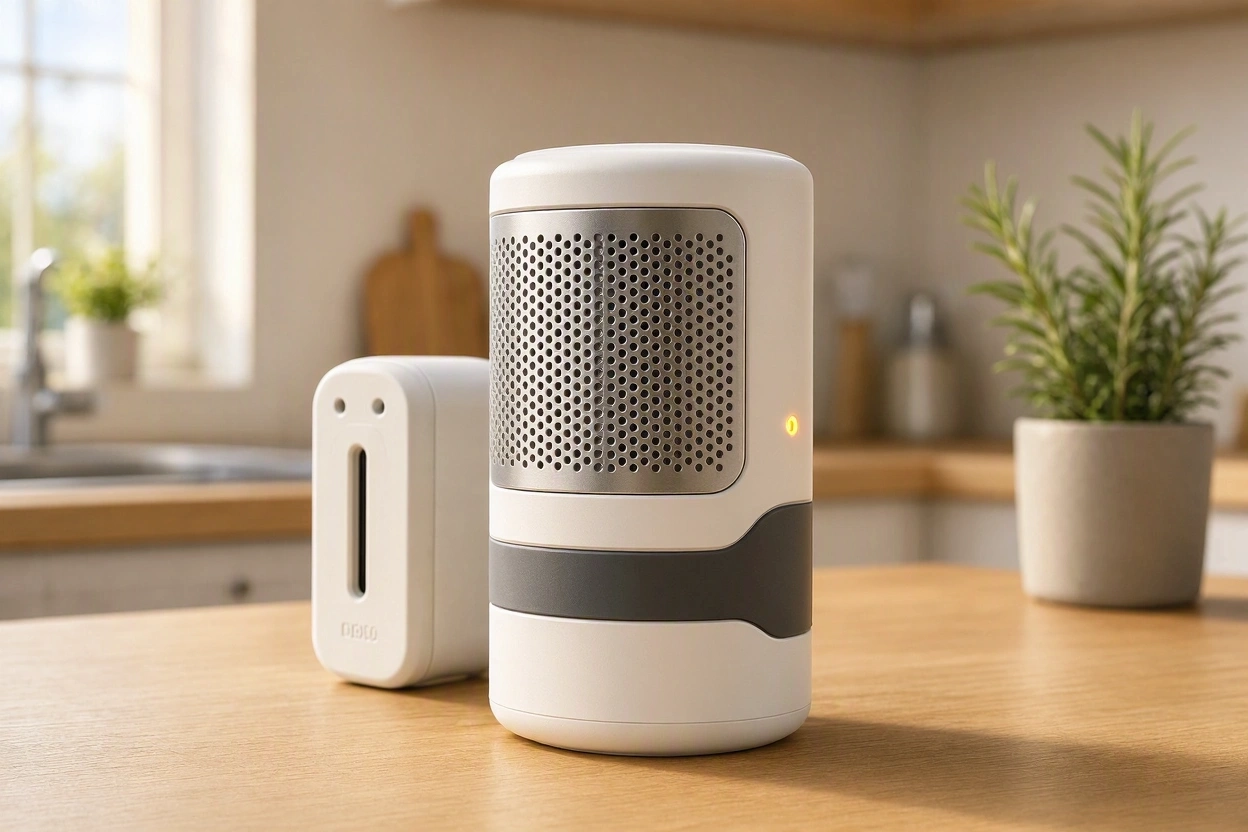
Capacitive sensing technologies measure humidity by detecting changes in the electrical capacitance of a moisture sensitive material. When water molecules enter or leave this material, its dielectric properties change, producing a measurable variation in capacitance. Electronic circuits convert this variation into humidity readings that connected devices can process and transmit. This approach supports continuous monitoring while helping manufacturers reduce sensor size and energy consumption. As a result, miniaturized humidity sensors are becoming valuable components in battery powered devices, wireless sensor networks, and intelligent automation systems.
According to Marketsandmarkets, the global humidity sensor market size is projected to grow from USD 3.64 billion in 2026 to USD 5.32 billion by 2032, growing at a CAGR of 6.5% from 2026 to 2032
Download PDF Brochure @ https://www.marketsandmarkets.com/pdfdownloadNew.asp?id=222120714
Miniaturization Transforms Environmental Monitoring
Miniaturization allows manufacturers to integrate humidity measurement into products where conventional sensors may be too large or consume excessive power. Advances in microfabrication, semiconductor packaging, and thin film materials are helping engineers develop smaller sensing elements without sacrificing essential measurement performance. These compact components can be incorporated into wearable devices, wireless environmental monitors, smart appliances, and industrial equipment. Their reduced physical footprint also creates opportunities for placing multiple sensors throughout a building or production facility. This flexibility explains why Humidity Sensors Expand IoT Applications beyond conventional weather stations and standalone humidity meters.
Smaller sensors can also simplify product design by reducing component space and supporting integration with microcontrollers, wireless communication modules, and other environmental sensors. Manufacturers can combine humidity measurement with temperature, pressure, and air quality monitoring to develop multifunctional connected devices. This integration enables more comprehensive environmental assessments without requiring separate, bulky instruments. However, miniaturization requires careful attention to airflow, protective coatings, thermal effects, and sensor placement. Engineers must ensure that compact packaging does not restrict moisture exposure or introduce measurement errors during normal operation.
Capacitive Sensing Enables Low Power Operation
Capacitive humidity sensors are particularly suitable for IoT applications because they can measure moisture through changes in electrical properties rather than relying on energy intensive heating mechanisms. A typical design includes electrodes and a moisture sensitive dielectric layer that responds to variations in relative humidity. As moisture content changes, the dielectric properties shift, altering the capacitance between the electrodes. An electronic measurement circuit detects this change and converts it into a usable humidity reading. With suitable circuit design, capacitive sensing can support frequent measurements while maintaining low energy consumption.
Low power operation is especially important for battery powered IoT devices installed in locations where regular maintenance is difficult. Sensors used in remote agricultural fields, warehouses, cold storage facilities, and building infrastructure may need to operate for extended periods without battery replacement. Designers can reduce energy demand through efficient signal conditioning, optimized sampling intervals, and sleep modes between measurements. Wireless transmission also needs to be managed because communication can consume a substantial share of a device's energy budget. These combined strategies help explain how Humidity Sensors Expand IoT Applications in long lasting, connected monitoring systems.
Smart Homes Benefit from Connected Humidity Monitoring
Smart homes are creating new opportunities for compact humidity sensors that communicate with thermostats, ventilation systems, air purifiers, and connected appliances. These sensors provide information about indoor moisture conditions, helping automation systems respond when humidity moves outside a preferred range. For example, a smart ventilation controller can use humidity readings to support moisture removal in bathrooms, kitchens, and laundry areas. Connected monitoring can also help identify conditions associated with condensation and dampness before they become more serious concerns. In this way, Humidity Sensors Expand IoT Applications by enabling more responsive and energy conscious residential environments.
Connected humidity sensors can support several smart home functions, including:
- Intelligent ventilation: Adjusting airflow according to measured indoor humidity and other environmental conditions.
- Moisture alerts: Notifying occupants when humidity remains unusually high in vulnerable rooms or storage areas.
- HVAC optimization: Supporting heating, ventilation, and air conditioning systems with additional environmental data.
- Appliance automation: Helping connected humidifiers and dehumidifiers respond to changing room conditions.
These capabilities depend on appropriate sensor placement, reliable connectivity, and correctly configured automation rules. A humidity reading alone cannot establish the presence of mold or identify the cause of a moisture problem. However, when combined with temperature measurements and historical data, it can help homeowners recognize patterns that deserve further investigation. Manufacturers are therefore integrating compact sensing components into broader home automation platforms. Low power operation makes these installations more practical where sensors must remain active for long periods.
Industrial IoT Strengthens Process Control
Industrial facilities require accurate humidity monitoring to protect sensitive materials, maintain product consistency, and prevent environmental conditions from affecting manufacturing operations. Excessive moisture can influence powders, coatings, electronic components, pharmaceuticals, and other humidity sensitive products. Conversely, very dry conditions may increase electrostatic discharge risks in electronics manufacturing and handling environments. Miniaturized capacitive sensors can be positioned near production equipment, storage areas, and controlled environments to provide localized measurements. When connected to industrial IoT platforms, these devices help operators identify environmental changes and improve process visibility.
Industrial deployments can combine humidity readings with temperature, pressure, machine status, and production data to support automated monitoring. A connected system may generate an alert when measurements move beyond an established operating range or show an unusual trend. Maintenance teams can use these alerts to investigate ventilation problems, inspect equipment, or verify environmental controls. The resulting information supports condition based maintenance and more informed operational decisions. Consequently, Humidity Sensors Expand IoT Applications in manufacturing environments where continuous monitoring and timely intervention are important for quality assurance.
Agriculture and Cold Chain Monitoring Gain Precision
Agriculture is another important application area for low power humidity sensing because crop growth and storage quality depend partly on environmental moisture. Greenhouses can use connected sensors to monitor humidity around plants and coordinate ventilation, irrigation schedules, and climate control. Distributed sensor nodes can provide information from different growing zones, helping operators identify variations that a single monitoring point might miss. In agricultural storage, humidity measurements can support efforts to manage conditions affecting grains, seeds, and other moisture sensitive commodities. These capabilities allow farmers and facility managers to make decisions based on measured conditions rather than relying exclusively on periodic manual checks.
Cold chain operators also need dependable environmental data to protect products during storage and transportation. Humidity sensors installed in refrigerated warehouses, distribution facilities, and suitable transport monitoring devices can help track conditions that influence packaging, condensation, and product integrity. When connected to a gateway or cloud platform, measurements can be recorded alongside temperature readings and location information. Alerts can notify personnel when humidity exceeds predefined limits or changes unexpectedly during transit. However, sensor selection must account for condensation, temperature fluctuations, enclosure design, and the specific requirements of the stored product.
Wearable Devices and Healthcare Monitoring
Miniaturized humidity sensors are creating additional possibilities for wearable electronics and selected healthcare monitoring applications. Small sensing components can be incorporated into wearable devices, smart textiles, and portable instruments where space and battery capacity are limited. Depending on the design, they can monitor ambient moisture or changes in humidity near the skin and other surfaces. This information can complement temperature and motion measurements in applications involving personal comfort, activity monitoring, and environmental exposure. As wearable products become more connected, Humidity Sensors Expand IoT Applications by contributing environmental data without requiring large sensing assemblies.
Healthcare applications require particular attention to reliability, material compatibility, and validation. Humidity measurements may help monitor environmental conditions in medical storage areas, laboratories, incubators, and selected respiratory equipment. Wearable moisture sensing may also support research into perspiration and skin microenvironments, although the interpretation of such measurements depends on the sensor design and clinical context. A humidity sensor by itself does not diagnose a medical condition or replace approved medical monitoring equipment. Developers must evaluate calibration, response time, contamination resistance, and safe integration before using these devices in healthcare related products.
Key Design Considerations for Sensor Manufacturers
Despite their advantages, miniaturized humidity sensors must satisfy several technical requirements before they can be deployed reliably across large IoT networks. Accuracy, response time, repeatability, operating temperature, and long term stability influence how useful the collected data will be. Sensor performance may also be affected by dust, chemical vapors, condensation, and contamination of the moisture sensitive layer. In some applications, protective membranes are necessary, but they must allow water vapor to reach the sensing element without introducing excessive delay. Careful calibration and environmental testing remain essential for maintaining measurement quality.
Engineers evaluating capacitive sensing solutions should consider the following factors:
- Measurement performance: Evaluate accuracy, response time, hysteresis, and operating range against application requirements.
- Energy efficiency: Assess current consumption during measurement, standby operation, and wireless communication.
- Integration requirements: Check compatibility with microcontrollers, communication interfaces, circuit boards, and enclosure designs.
- Environmental durability: Evaluate resistance to condensation, contamination, temperature variation, and long term drift.
- Maintenance needs: Determine calibration intervals, expected operating life, and accessibility for replacement.
These considerations influence the total cost of ownership as much as the initial sensor price. A low cost component may require more frequent calibration or replacement if it is poorly suited to the operating environment. Likewise, an extremely sensitive device may not provide additional value when the application only needs basic room monitoring. Selecting a sensor according to actual operating requirements helps balance performance, energy consumption, reliability, and manufacturing cost. This approach is particularly important when deploying hundreds or thousands of sensing nodes across connected facilities.
Emerging Trends in Miniaturized Humidity Sensing
Research into advanced sensing materials, microelectromechanical systems, and integrated electronics is supporting the development of increasingly compact humidity measurement solutions. Improvements in polymer films, porous materials, electrode structures, and manufacturing processes can help engineers improve sensitivity and response characteristics. Flexible substrates and printed electronics are also expanding design possibilities for wearable devices and applications that require sensors to conform to curved surfaces. Meanwhile, integrating humidity and temperature sensing into a single package can reduce component count and simplify environmental monitoring systems. These developments are strengthening the role of miniaturized sensors in next generation IoT products.
Future systems are also likely to make greater use of edge computing and data analytics. Instead of transmitting every raw measurement to a remote server, an IoT device can process readings locally, identify abnormal patterns, and send only relevant information. Adaptive sampling can increase measurement frequency when humidity changes rapidly while reducing activity during stable conditions. Predictive algorithms may also combine historical readings with temperature and operational data to identify potential environmental control problems. Such techniques can improve responsiveness and help manage network traffic, although their effectiveness depends on data quality and system design. Together, these innovations demonstrate how Humidity Sensors Expand IoT Applications through the combination of compact hardware, intelligent electronics, and connected data platforms.
Conclusion
Miniaturized capacitive humidity sensing is becoming an important technology for connected environmental monitoring because it combines compact construction, efficient operation, and compatibility with integrated electronics. Applications range from smart homes and industrial automation to agriculture, cold chain logistics, and selected wearable devices. The ability to collect localized humidity measurements and share them with connected systems can improve environmental visibility and support timely operational decisions. However, successful implementation still requires careful sensor selection, calibration, suitable packaging, and effective energy management. As materials science and low power electronics advance, Humidity Sensors Expand IoT Applications by making dependable moisture monitoring increasingly practical across diverse connected environments.
Frequently Asked Questions
1. How do miniaturized humidity sensors support IoT applications?
Miniaturized humidity sensors measure moisture levels and provide data to connected devices through wired or wireless interfaces. Their compact size and low power requirements make them suitable for smart buildings, industrial monitoring, agriculture, and portable electronics. They can also work alongside temperature sensors and microcontrollers to support automated environmental control.
2. How do capacitive humidity sensors work?
Capacitive humidity sensors use a moisture sensitive dielectric material positioned between conductive electrodes. When the material absorbs water vapor, its dielectric properties change, altering the capacitance of the sensing element. Electronic circuitry measures this change and converts it into a humidity reading for monitoring or automation systems.
3. Why is low power consumption important for IoT humidity sensors?
Low power consumption helps battery operated sensors remain functional for extended periods without frequent battery replacement. This is particularly useful in remote agricultural fields, warehouses, wireless building monitors, and other installations where regular maintenance is difficult. Efficient measurement cycles and optimized wireless communication can further reduce overall energy demand.
4. Which industries benefit from miniaturized humidity sensors?
Smart buildings, manufacturing, agriculture, food storage, pharmaceutical facilities, logistics, and consumer electronics can benefit from compact humidity monitoring. These sensors help users track environmental conditions, identify unusual moisture changes, and support automated control processes. The specific benefits depend on measurement accuracy, operating conditions, and integration with other systems.
5. What challenges affect capacitive humidity sensor performance?
Common challenges include temperature sensitivity, contamination, condensation, calibration drift, hysteresis, and long term stability. Sensor placement and protective packaging can also influence how quickly the sensing element responds to moisture changes. Manufacturers should evaluate these factors under realistic operating conditions to ensure reliable readings throughout the intended service life.
6. What is the future of miniaturized humidity sensors in IoT?
Future development is expected to focus on smaller sensing elements, improved materials, integrated temperature measurement, flexible electronics, and more efficient signal processing. Edge computing and intelligent analytics may help connected systems identify unusual humidity patterns and optimize monitoring schedules. These advances will continue to create opportunities for Humidity Sensors Expand IoT Applications across residential, commercial, industrial, and environmental monitoring systems.
80% of the Forbes Global 2000 B2B companies rely on MarketsandMarkets to identify growth opportunities in emerging technologies and use cases that will have a positive revenue impact.
- Food Packaging Market Size Set for Strong Growth Through 2030 Amid Rising Demand for Convenience Foods
- Crop Protection Chemical Market Size, Share & Growth Forecast (2025–2030)
- Mulch Films Market: Driving Sustainable Agriculture Through Innovation
- Agricultural Adjuvants Market Analysis, Trends, and Growth Outlook (2026–2031)
- Japan Enterprise Asset Management Market Growth: AI and Smart Infrastructure Drive Demand

