

Photoelectric Sensor Technology Innovation Market Intelligence Report
Photoelectric Sensor Technology Innovation Market Overview
According to MarketsandMarkets, the global photoelectric sensor market size was valued at USD 2.33 billion in 2025 and is projected to reach USD 4.02 billion by 2032, growing at a CAGR of 8.1% from 2025 to 2032. This remarkable growth trajectory reflects the escalating demand for precise, non-contact detection solutions across manufacturing, automotive, packaging, and logistics industries. Photoelectric sensors have become indispensable components in modern industrial automation systems, enabling accurate object detection, position sensing, and quality control without physical contact. The technology's ability to operate in harsh environments while delivering reliable performance continues to drive adoption across diverse industrial verticals globally.
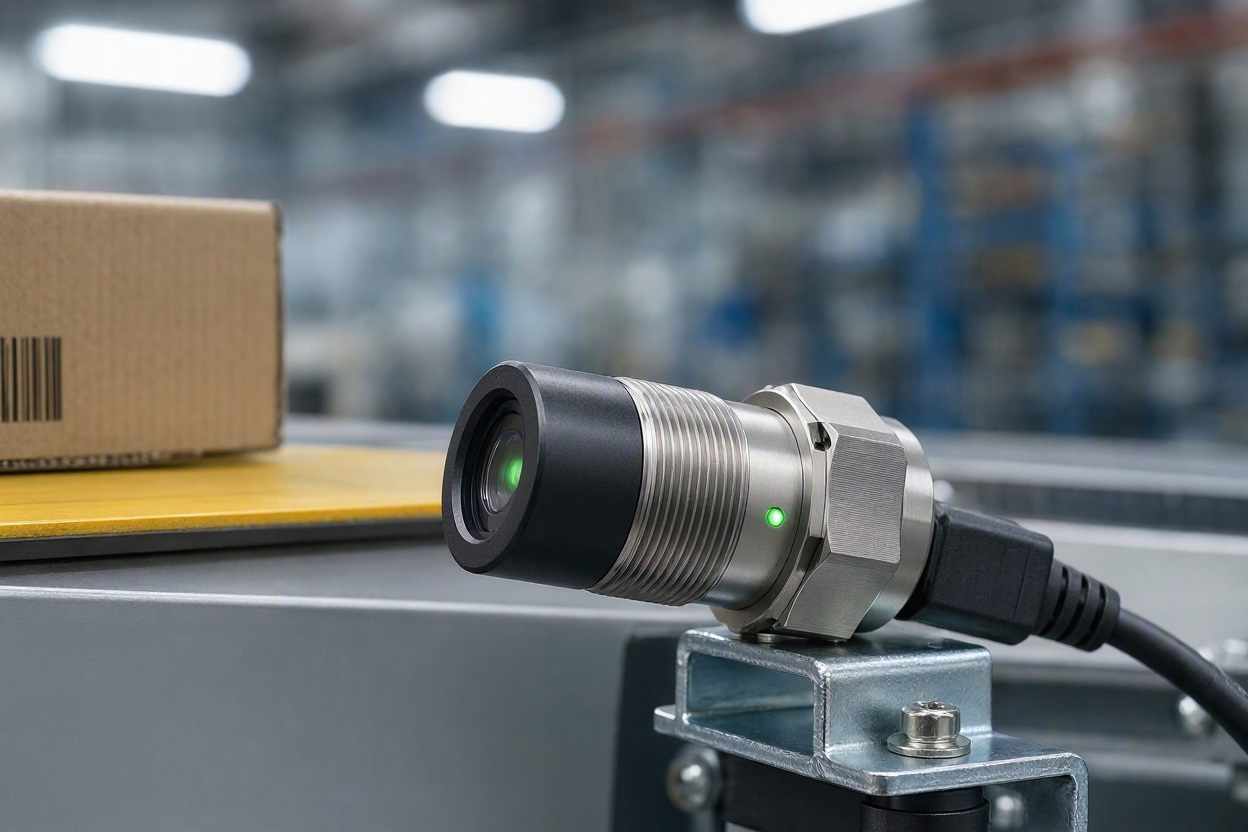
The photoelectric sensor technology innovation landscape is witnessing unprecedented transformation driven by Industry 4.0 initiatives, smart manufacturing adoption, and the integration of advanced semiconductor technologies. Manufacturers are increasingly focusing on developing miniaturized sensors with enhanced sensitivity, longer detection ranges, and superior resistance to environmental interference. The convergence of photoelectric sensing with IoT connectivity, edge computing, and AI-powered analytics is creating new possibilities for predictive maintenance, real-time process optimization, and autonomous operations. These technological advancements are fundamentally reshaping how industries approach automation, quality assurance, and operational efficiency across production environments worldwide.
Download PDF Brochure @ https://www.marketsandmarkets.com/pdfdownloadNew.asp?id=192493409
Key Market Dynamics and Growth Drivers
The photoelectric sensor technology innovation market is experiencing robust growth momentum propelled by multiple interconnected factors that collectively enhance industrial automation capabilities. Rising labor costs and the persistent need for higher productivity are compelling manufacturers to invest in advanced sensing solutions that enable seamless automation. The expanding e-commerce sector demands high-speed sorting and packaging operations where photoelectric sensors deliver exceptional accuracy and reliability. Additionally, stringent quality control requirements across pharmaceutical, food and beverage, and electronics manufacturing verticals are accelerating sensor deployment for defect detection and process verification applications.
Industrial Automation Expansion: Rapid adoption of automated production lines across manufacturing sectors drives demand for precision photoelectric sensing solutions that ensure accurate object detection and positioning.
Smart Factory Integration: Industry 4.0 initiatives and smart manufacturing programs are accelerating deployment of connected photoelectric sensors with real-time data transmission capabilities for enhanced process visibility.
Miniaturization Trends: Growing demand for compact, space-efficient sensors in electronics assembly and medical device manufacturing fuels innovation in micro-photoelectric sensor technologies.
Environmental Compliance: Stringent safety and environmental regulations require reliable detection systems for hazardous material handling, emission monitoring, and worker safety applications.
Emerging Applications: Autonomous vehicles, robotics, and drone navigation systems create new opportunities for advanced photoelectric sensing technologies with enhanced range and precision.
The competitive landscape of photoelectric sensor technology innovation features established players investing heavily in research and development to maintain technological leadership positions. Strategic collaborations between sensor manufacturers and automation solution providers are accelerating innovation cycles and expanding application possibilities. Furthermore, the integration of machine learning algorithms with photoelectric sensing systems enables adaptive detection capabilities that continuously improve performance based on operational data, creating intelligent sensing solutions that anticipate and respond to changing industrial requirements.
Technological Innovations Reshaping the Industry
Photoelectric sensor technology innovation has entered a transformative phase characterized by groundbreaking advancements in sensing materials, signal processing, and connectivity architectures. Modern photoelectric sensors leverage advanced photodiodes, laser technologies, and background suppression techniques to achieve unprecedented detection accuracy even in challenging environmental conditions. The development of IO-Link compatible sensors enables seamless integration with industrial control systems, facilitating remote configuration, diagnostics, and predictive maintenance capabilities that minimize downtime and optimize operational efficiency across production facilities.
The emergence of multi-function photoelectric sensors capable of simultaneous detection, measurement, and classification tasks represents a significant leap forward in sensing technology capabilities. These intelligent sensors incorporate embedded microprocessors that process signals locally, reducing latency and enabling real-time decision-making at the edge of industrial networks. Additionally, advances in optical filter technologies and modulation techniques have dramatically improved sensor immunity to ambient light interference, dust, and other environmental factors that traditionally compromised detection reliability in demanding industrial environments.
Laser-Based Sensing: High-precision laser photoelectric sensors enable micron-level detection accuracy for semiconductor manufacturing and precision assembly applications requiring exceptional positioning control.
Background Suppression Technology: Advanced optical designs eliminate false triggers from reflective backgrounds, ensuring reliable detection in complex industrial environments with varying surface characteristics.
IO-Link Integration: Smart sensors with bidirectional communication capabilities enable parameter remote setting, condition monitoring, and predictive maintenance for enhanced operational visibility.
Harsh Environment Resistance: IP69K-rated sensors with reinforced housings withstand high-pressure washdown, extreme temperatures, and corrosive chemicals in food processing and outdoor applications.
Miniature Form Factors: Ultra-compact sensors measuring just a few millimeters enable integration into space-constrained applications including robotics end-effectors and medical devices.
Regional Market Analysis and Growth Opportunities
The photoelectric sensor technology innovation market demonstrates significant regional variations in adoption patterns, growth rates, and application focus areas reflecting diverse industrial landscapes. Asia Pacific represents the fastest-growing region, driven by rapid industrialization in China, India, and Southeast Asian nations where manufacturing expansion creates substantial demand for automation components. Government initiatives promoting smart manufacturing and Industry 4.0 adoption across these countries further accelerate photoelectric sensor deployment in factory automation, robotics, and quality inspection systems.
North America and Europe maintain significant market shares owing to mature industrial bases, advanced automation adoption, and strong presence of leading sensor manufacturers and technology innovators. These regions demonstrate higher adoption rates of premium photoelectric sensors featuring advanced connectivity, intelligent diagnostics, and enhanced performance specifications. The automotive industry's transition toward electric vehicles and autonomous driving technologies creates new sensing requirements that photoelectric sensor manufacturers are addressing through continuous innovation in detection range, response time, and environmental durability.
Future Outlook and Emerging Trends
The photoelectric sensor technology innovation trajectory points toward increasingly intelligent, connected, and application-specific solutions that address evolving industrial requirements. Emerging trends include the integration of AI and machine learning capabilities directly into sensor architectures, enabling adaptive detection algorithms that optimize performance based on operational patterns. The development of wireless photoelectric sensors eliminates cabling constraints, facilitating deployment in moving equipment, rotating machinery, and remote monitoring applications where traditional wired sensors prove impractical.
Sustainability considerations are increasingly influencing photoelectric sensor design, with manufacturers focusing on energy-efficient operation, recyclable materials, and extended product lifecycles. The growing emphasis on collaborative robots and human-machine interaction creates demand for safety-rated photoelectric sensors capable of detecting human presence with exceptional reliability. As industrial automation continues advancing toward fully autonomous operations, photoelectric sensor technology innovation will remain central to enabling precise, reliable, and intelligent detection solutions across all manufacturing and processing sectors.
Conclusion
The photoelectric sensor technology innovation market stands at the forefront of industrial automation transformation, with substantial growth opportunities emerging from technological advancements and expanding application domains. The projected growth from USD 2.33 billion in 2025 to USD 4.02 billion by 2032 at 8.1% CAGR underscores the fundamental importance of photoelectric sensing across modern industrial operations. Manufacturers, system integrators, and end users must embrace these innovations to maintain competitive advantages in increasingly automated production environments while addressing emerging challenges in quality, safety, and sustainability.
80% of the Forbes Global 2000 B2B companies rely on MarketsandMarkets to identify growth opportunities in emerging technologies and use cases that will have a positive revenue impact.
- Food Packaging Market Size Set for Strong Growth Through 2030 Amid Rising Demand for Convenience Foods
- Crop Protection Chemical Market Size, Share & Growth Forecast (2025–2030)
- Mulch Films Market: Driving Sustainable Agriculture Through Innovation
- Agricultural Adjuvants Market Analysis, Trends, and Growth Outlook (2026–2031)
- Japan Enterprise Asset Management Market Growth: AI and Smart Infrastructure Drive Demand

