

Thermal Conductivity Humidity Sensors Gain Attention for High Precision Industrial Process Monitoring
Industrial manufacturers increasingly require accurate humidity measurement to maintain product quality, improve operational efficiency, and ensure reliable process control. Moisture levels can influence chemical reactions, material properties, equipment performance, and production consistency across multiple industries. As industrial processes become more automated, the demand for dependable humidity sensing technologies continues to increase. Thermal conductivity humidity sensors are gaining attention because they can measure changes in the thermal properties of gases to help determine moisture concentration under suitable operating conditions. Their ability to support continuous monitoring makes them relevant to specialized industrial environments where precise gas composition measurements are essential.
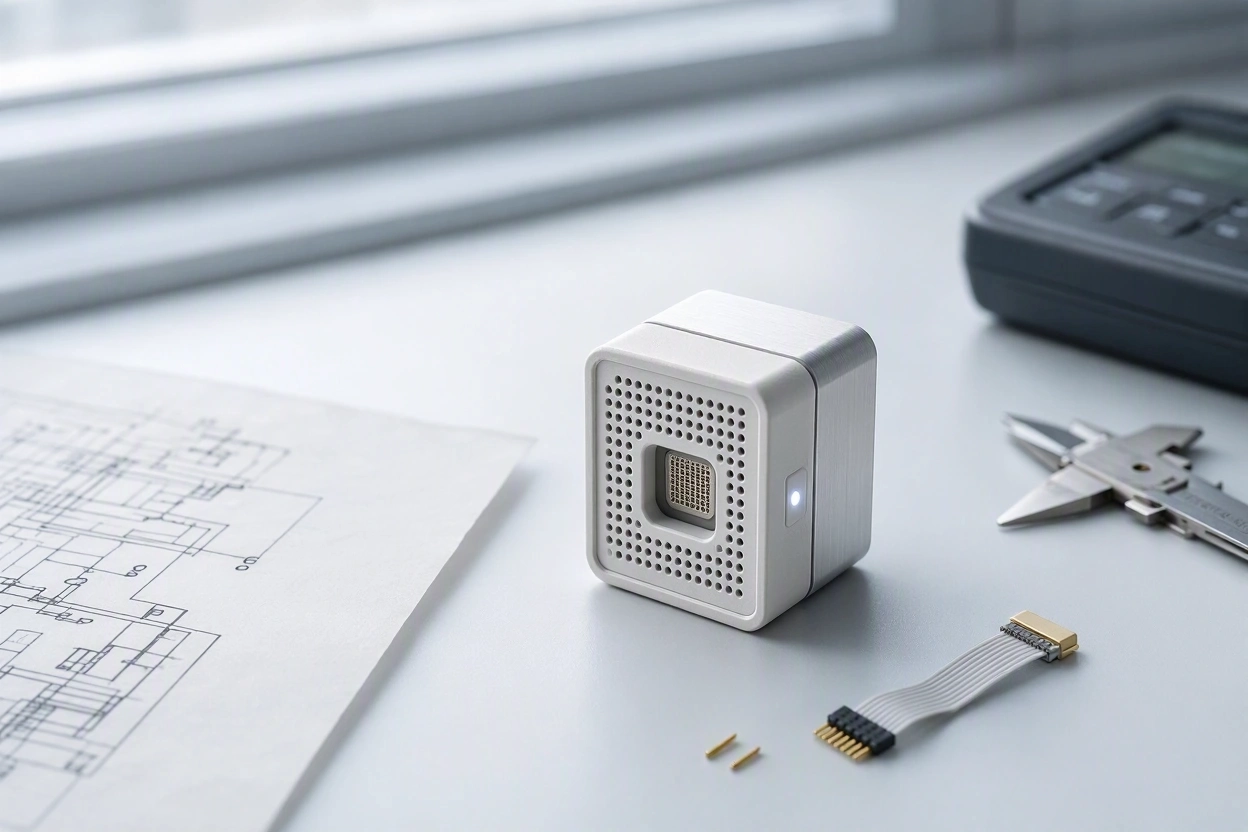
According to Marketsandmarkets, the global humidity sensor market size is projected to grow from USD 3.64 billion in 2026 to USD 5.32 billion by 2032, growing at a CAGR of 6.5% from 2026 to 2032.
Download PDF Brochure @ https://www.marketsandmarkets.com/pdfdownloadNew.asp?id=222120714
The growing adoption of advanced instrumentation is encouraging manufacturers to evaluate sensor technologies according to their accuracy, response characteristics, durability, and integration requirements. Conventional humidity measurement methods remain valuable for many applications, but certain industrial processes require techniques that can operate effectively in controlled gas streams or specialized measurement environments. Thermal conductivity humidity sensors offer an alternative approach by detecting variations in heat transfer associated with changes in gas composition. When properly calibrated for the target gas mixture, these sensors can support process monitoring, automation, and quality assurance. Their suitability depends on operating conditions, measurement range, and the presence of other gases that may influence thermal conductivity.
Understanding Thermal Conductivity Humidity Sensors
Thermal conductivity humidity sensors operate on the principle that different gases transfer heat at different rates. When water vapor concentration changes within a gas mixture, its overall thermal conductivity may also change. A sensor can detect this variation by measuring heat transfer from a heated sensing element to the surrounding gas. The resulting signal is interpreted using a calibration model that relates thermal behavior to moisture concentration under defined conditions. This approach can be useful in specialized applications where gas composition, pressure, and temperature are sufficiently controlled.
Unlike capacitive humidity sensors, which typically measure changes in the dielectric properties of a moisture sensitive material, thermal conductivity based devices rely on heat transfer characteristics. This distinction can make them useful for particular process gas measurements, including applications involving relatively high moisture concentrations or controlled gas mixtures. However, thermal conductivity is not uniquely determined by humidity alone. Other gas constituents, temperature fluctuations, and pressure variations can affect the measurement. Consequently, careful calibration and an understanding of the process gas composition are essential for obtaining reliable readings in industrial environments.
Growing Demand for Precision Industrial Monitoring
Industrial operations are increasingly adopting measurement technologies that provide consistent data for process optimization and quality management. In sectors such as chemicals, pharmaceuticals, food processing, electronics, and energy, moisture levels can influence production outcomes and equipment reliability. Excessive moisture may affect sensitive materials, while insufficient moisture can alter product characteristics or processing behavior. Thermal conductivity humidity sensors can contribute to monitoring strategies when their measurement principles align with the specific requirements of the application.
The shift toward connected manufacturing is also increasing the importance of continuous measurement. Automated facilities depend on instrumentation that can deliver timely information to programmable logic controllers, distributed control systems, and supervisory monitoring platforms. Integrating suitable humidity sensors into these systems can help operators identify process deviations before they lead to quality problems or unplanned interruptions. As manufacturers prioritize operational visibility and data driven decision making, specialized sensing technologies are receiving greater consideration for processes that require dependable gas moisture measurements.
Key Benefits of Thermal Conductivity Humidity Sensors
The potential advantages of thermal conductivity humidity sensors depend on their design, calibration, and intended operating environment. In suitable applications, they can provide useful information about moisture concentration without relying on the same sensing mechanism used by capacitive or resistive devices. Their value is particularly relevant when manufacturers need to monitor defined gas mixtures and incorporate moisture data into existing process control strategies. Selecting the right instrument requires evaluating both its measurement performance and its compatibility with the process.
Key benefits may include:
- Continuous measurement: Supports ongoing observation of moisture related changes in compatible gas streams.
- Process integration: Can provide measurement signals for industrial control and monitoring equipment.
- Specialized gas analysis: Offers a useful approach where thermal conductivity changes can be reliably correlated with moisture concentration.
- Operational visibility: Helps process engineers identify variations that may affect production quality or stability.
- Application flexibility: Can be considered for specific industrial environments after evaluating gas composition, pressure, temperature, and measurement range.
These benefits should be assessed against the technical limitations of each sensor design. Thermal conductivity based measurement may be affected by changes in gas composition unrelated to moisture, and compensation may be required when operating conditions vary. Manufacturers should therefore review calibration procedures, measurement uncertainty, response time, maintenance needs, and long term stability before selecting a device. Comparing these factors with the requirements of the process helps determine whether a thermal conductivity approach is more appropriate than alternative humidity sensing technologies.
Applications Across Industrial Sectors
Chemical Processing and Gas Manufacturing
Chemical plants frequently handle gases and mixtures in which moisture concentration can influence reaction conditions, material compatibility, and downstream processing. Monitoring water vapor can help operators maintain specified process conditions and identify deviations that require corrective action. Thermal conductivity humidity sensors may be suitable for selected applications when the gas mixture is well characterized and the relationship between thermal conductivity and moisture concentration can be established reliably. Appropriate installation and calibration are especially important in environments where gas composition changes during production.
Pharmaceutical Production
Pharmaceutical manufacturing requires controlled environmental conditions to protect product quality and maintain consistent production practices. Humidity monitoring is important in selected drying, gas handling, material preparation, and environmental control operations. A thermal conductivity based device may be considered for a compatible process gas application where its operating range and measurement uncertainty satisfy the required specifications. However, it should not automatically replace established environmental humidity instruments, particularly where stringent validation, traceability, and regulatory requirements apply.
Food Processing and Packaging
Moisture management plays an important role in food preservation, packaging, drying, and storage. Water vapor levels can influence product texture, shelf life, and packaging performance. Industrial operators may use specialized humidity measurement equipment to monitor drying gases, controlled atmospheres, or other relevant process streams. Thermal conductivity humidity sensors can be evaluated for these applications when gas composition and operating conditions support dependable measurement. Their use can complement broader quality assurance systems that monitor moisture, temperature, and packaging integrity.
Electronics and Semiconductor Manufacturing
Electronics production often requires carefully controlled moisture conditions to reduce contamination risks and protect sensitive materials. Dry gas systems, manufacturing enclosures, and selected process environments may require close monitoring of water vapor. Thermal conductivity based measurement can be useful in certain controlled gas applications, although very low moisture concentrations may require specialized trace moisture analyzers with appropriate sensitivity. Sensor selection should reflect the required detection limit, measurement stability, response time, and compatibility with the gas delivery system.
Energy and Industrial Utilities
Energy facilities and industrial utilities use gas monitoring to support equipment protection, operational efficiency, and process reliability. Moisture can be important in compressed gas systems, gas conditioning, and selected fuel processing operations. Measuring water vapor helps operators assess whether gas quality remains within specified operating limits. Thermal conductivity humidity sensors may support such applications when validated against the target gas composition and environmental conditions, helping provide additional information for process supervision and maintenance planning.
Technology Trends Supporting Advanced Humidity Measurement
Industrial sensing technologies are evolving alongside automation, connected instrumentation, and predictive maintenance initiatives. Manufacturers increasingly expect measurement equipment to provide consistent readings, communicate with control systems, and support efficient maintenance procedures. These expectations are encouraging sensor developers to improve signal processing, calibration methods, packaging, and integration capabilities. Thermal conductivity humidity sensors can benefit from these developments when improvements address the specific challenges associated with measuring moisture through thermal properties.
Another important trend is the use of digital monitoring platforms to interpret measurement data alongside pressure, temperature, flow, and gas composition information. Combining these measurements can help engineers distinguish genuine moisture changes from variations caused by other process conditions. Advanced diagnostics may also help identify sensor drift, abnormal operating conditions, or the need for recalibration. These capabilities are particularly valuable in industrial facilities where measurement reliability directly affects production decisions and equipment performance.
Miniaturization and improvements in electronic components are also creating opportunities for more compact sensing assemblies. Depending on the design, modern instruments may offer improved signal conditioning, easier integration, and more convenient maintenance access. However, miniaturization alone does not guarantee better measurement accuracy. Performance continues to depend on sensor construction, thermal stability, calibration quality, environmental protection, and the characteristics of the measured gas. Industrial buyers should prioritize validated performance rather than relying solely on technology claims.
Challenges and Technical Considerations
Despite their potential, thermal conductivity humidity sensors present several measurement challenges that industrial users must understand. The thermal conductivity of a gas mixture depends on more than its water vapor content. Changes in the concentration of other gases can produce similar signal variations, potentially reducing measurement accuracy if these effects are not accounted for. Reliable operation therefore requires a suitable calibration model, stable process conditions, or additional compensation methods appropriate to the application.
Temperature and pressure variations can also influence measurement performance. Because thermal conductivity changes with operating conditions, a sensor designed for one environment may not deliver equivalent accuracy in another without adjustment. Industrial processes involving corrosive gases, contaminants, vibration, or wide temperature fluctuations may require specialized materials and protective housings. Maintenance schedules should account for possible contamination, calibration drift, and changes in the gas delivery system.
Another consideration is selecting the right measurement technology for the required moisture range. Capacitive sensors are widely used for ambient and general industrial humidity monitoring, while chilled mirror instruments and specialized trace moisture analyzers can provide advantages in applications requiring particular levels of accuracy or very low dew points. Thermal conductivity humidity sensors should be selected when their underlying measurement principle fits the gas mixture and process conditions. A careful comparison of total operating cost, accuracy, response time, maintenance requirements, and calibration needs can reduce the risk of unsuitable equipment selection.
Future Outlook for Industrial Humidity Sensing
The future of industrial humidity measurement will be shaped by growing automation requirements, tighter process specifications, and the need for reliable operational data. Manufacturers are likely to continue evaluating different sensor technologies according to application specific requirements rather than adopting a single measurement method across every process. Thermal conductivity humidity sensors can remain relevant in specialized gas monitoring environments where heat transfer characteristics provide a practical basis for measuring water vapor concentration.
Further progress in electronics, calibration techniques, and digital process integration may improve the usability of these devices. Sensor manufacturers that address cross sensitivity, environmental stability, and ease of maintenance will be better positioned to serve demanding industrial applications. At the same time, users will increasingly expect clear performance specifications, application guidance, and evidence that a sensor meets the required measurement uncertainty.
As industrial facilities move toward more connected and data driven operations, dependable humidity measurement will continue to support quality assurance, process optimization, and equipment protection. Thermal conductivity humidity sensors can contribute to these objectives when chosen for appropriate applications and supported by rigorous calibration and maintenance practices. Their long term value will depend on their ability to deliver reliable information under real operating conditions and integrate effectively into modern industrial monitoring systems.
Conclusion
Thermal conductivity humidity sensors are attracting interest as manufacturers seek specialized approaches to monitoring moisture in industrial gas streams and controlled process environments. Their operating principle provides a useful measurement option when thermal conductivity changes can be accurately related to water vapor concentration. Applications may include selected chemical processes, gas handling operations, industrial utilities, and other environments with well characterized gas mixtures.
Successful implementation requires more than selecting a sensor based on its operating principle. Engineers must evaluate gas composition, temperature, pressure, measurement range, calibration requirements, and potential interference from other gases. By matching sensor capabilities to process needs, industrial organizations can improve measurement reliability and strengthen their broader process monitoring strategies. As industrial automation continues to advance, application specific humidity sensing will remain an important component of efficient and controlled manufacturing.
Frequently Asked Questions
1. What are thermal conductivity humidity sensors?
Thermal conductivity humidity sensors estimate moisture concentration by measuring changes in heat transfer through a gas mixture. Their readings are interpreted using calibration data that accounts for the target gas and operating conditions.
2. How do thermal conductivity humidity sensors work?
A heated sensing element transfers heat to the surrounding gas. Changes in the gas mixture's thermal conductivity affect heat loss and the sensor's measured signal. Calibration is then used to relate that signal to moisture concentration.
3. What are the main industrial applications of thermal conductivity humidity sensors?
Potential applications include selected chemical processing operations, gas manufacturing, industrial utilities, controlled gas systems, and specialized manufacturing environments where gas composition and measurement conditions are well defined.
4. What are the benefits of thermal conductivity humidity sensors?
Potential benefits include continuous monitoring, compatibility with industrial process instrumentation, and useful moisture measurement in suitable gas mixtures. Actual performance depends on sensor design, calibration, and operating conditions.
5. Are thermal conductivity humidity sensors more accurate than capacitive sensors?
Not in every application. Accuracy depends on the required moisture range, gas composition, environmental conditions, calibration, and sensor specifications. Capacitive sensors may be more suitable for many ambient humidity measurements.
6. What factors affect the performance of thermal conductivity humidity sensors?
Important factors include gas composition, temperature, pressure, contamination, calibration quality, sensor stability, and changes in the surrounding process environment.
7. Can thermal conductivity humidity sensors measure very low moisture levels?
Their suitability depends on the instrument's sensitivity and design. Very low moisture concentrations may require specialized trace moisture analyzers with verified detection limits and measurement uncertainty.
8. How are thermal conductivity humidity sensors integrated into industrial automation?
Compatible sensors can provide measurement signals to industrial controllers, monitoring equipment, and data acquisition platforms. Integration depends on the instrument's electrical outputs, communication interfaces, and control system requirements.
9. What should manufacturers consider before purchasing these sensors?
Manufacturers should evaluate the required measurement range, accuracy, response time, gas compatibility, operating pressure, temperature, calibration procedures, maintenance requirements, and total cost of ownership.
10. What is the future outlook for thermal conductivity humidity sensors?
Their outlook depends on demand for specialized gas monitoring, industrial automation, and improved process control. Advances in calibration, electronics, and digital integration may expand their usefulness in suitable industrial applications.
80% of the Forbes Global 2000 B2B companies rely on MarketsandMarkets to identify growth opportunities in emerging technologies and use cases that will have a positive revenue impact.
- Food Packaging Market Size Set for Strong Growth Through 2030 Amid Rising Demand for Convenience Foods
- Crop Protection Chemical Market Size, Share & Growth Forecast (2025–2030)
- Mulch Films Market: Driving Sustainable Agriculture Through Innovation
- Agricultural Adjuvants Market Analysis, Trends, and Growth Outlook (2026–2031)
- Japan Enterprise Asset Management Market Growth: AI and Smart Infrastructure Drive Demand

