

AI in Military Drones : Game-Changing Capabilities
Artificial intelligence is transforming the technology of military drones, bringing forth a new era of autonomous systems with revolutionary potential. The integration of AI into unmanned aerial vehicles is increasing decision-making, situational awareness, and operational efficiency like never before. Militaries across the globe are pouring resources into new artificial intelligence (AI) technologies, and the nature of modern combat is changing dramatically.
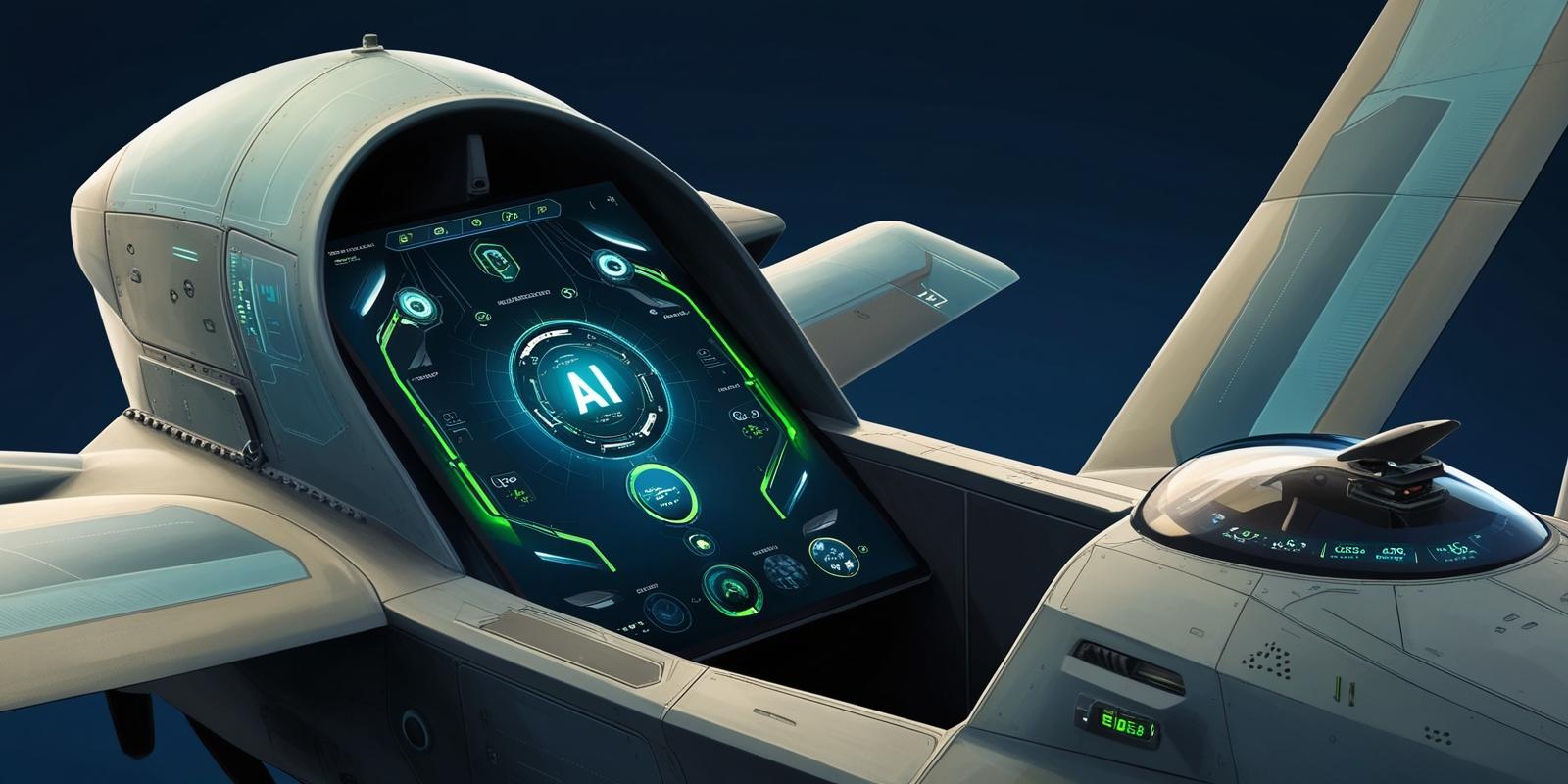
This article examines the major developments in AI-enabled military drones, with an emphasis on how they are impacting autonomous navigation, target detection and adaptive mission planning. We will examine how artificial intelligence algorithms allow drones to understand real-time input from sophisticated sensors to make instant decisions in difficult situations. We will also analyze the consequences of these technological advances for military strategy, ethical concerns and the future of aerial combat.
AI-Powered Autonomous Navigation
Artificial intelligence greatly influences the autonomous navigation capabilities of military drones. These advanced systems enable UAVs to operate with minimum human involvement, improving their effectiveness in difficult environments. State-of-the-art algorithms and sensor technology enable AI-powered drones to make split-second judgments, adapt to fluctuating situations, and complete missions with unparalleled precision.
Obstacle Avoidance
One of the greatest advances in autonomous navigation is the development of sophisticated obstacle avoidance systems . These systems use a variety of sensors, including stereo cameras, LiDAR and radar, to identify and classify possible threats in real time. Drones use artificial intelligence systems to analyze this data, enabling them to maneuver around buildings, trees, mountains and other structures without human intervention.
The ability of AI-powered drones to avoid obstacles is especially important in situations when GPS signals may be inaccurate or absent, such as in urban environments or during natural disasters. Such autonomous devices can use visual landmarks and advanced computer vision techniques to maintain situational awareness and continue their missions even in adverse settings.
Path Planning
The use of artificial intelligence algorithms has changed the path planning of military drones. They are now able to determine the best flying paths based on several parameters. These smart technologies consider mission objectives, fuel efficiency, threat avoidance and environmental factors to calculate the best route to the destination.
For fixed wing drones with limited turning angles , AI applies more advanced methods such as Dubins curves or Bezier curves to make sure the flight paths are possible . Path smoothing algorithms are also used in rotary-wing drones to ensure continuity of motion and minimize unwanted stops during flight.
In addition, the path planning ability is further enhanced by using the machine learning techniques. AI-enabled navigation systems can process a large amount of data, including topographical data, weather conditions, and past flight data, to make better decisions on flight paths and adjust to changing situations in real time.
Swarm Intelligence
One of the most intriguing advances in AI-powered autonomous navigation is the rise of swarm intelligence. The technology allows the drones to act like a single entity, similar to the way a swarm of bees or birds would act naturally. Swarm intelligence enables drones to collaborate through a set of rules that boost their collective performance and efficiency.
Swarm intelligence is important in the military as it impacts decision making and the effectiveness of operations. Those mission goals and parameters are given by human operators, and the AI swarm autonomously coordinates its actions to accomplish those goals. The upshot of this combination of human supervision and artificial intelligence is better tactical advantages and more efficient mission accomplishment.
These swarms are driven by various analytical models such as Ant Colony Optimization (ACO), Particle Swarm Optimization (PSO). The algorithms maintain coherence of the drone swarm by obeying three central rules: separate, align and cohere. By following these rules, large groups of drones may intelligently keep a certain distance from each other, move in the same direction at the same pace and stay in formation.
The swarm intelligence in military drones has various advantages including better adaptability, higher efficiency and greater probability of mission accomplishment. AI-powered swarms can instantly adjust to shifting situations, change their formation or tactics, and coordinate their activities by themselves, even in complicated and dynamic contexts.
As AI keeps evolving, the capabilities of autonomous military drones will certainly increase. These advanced systems are expected to have a significant impact on the future of aerial combat, with previously unseen levels of situational awareness, decision making skills and operational efficiency.
Enhanced Target Recognition and Tracking
Artificial intelligence has substantially enhanced the performance of military drones in difficult operational conditions, revolutionizing their ability for target recognition and tracking. These sophisticated systems use state-of-the-art technologies to handle huge volumes of data in real time, allowing autonomous drones to recognize, classify and track items of interest with unmatched accuracy and speed.
Computer Vision Algorithms
Advanced target recognition relies on the use of complex computer vision techniques. These algorithms allow autonomous systems to assess visual data from sophisticated sensors including electro-optical, infrared, and short-wave infrared cameras. Now, drones are able to apply machine learning to analyze complicated images and make quick decisions based on the data they collect.
A significant advance in this area is the development of deep learning models trained on massive datasets of photos and videos. These versions can detect numerous types of military equipment, vehicles and soldiers from different angles and in varied situations. This enables drones to distinguish between friend and foe, even in cases where the target is heavily disguised or partially hidden.
With onboard embedded processing, the autonomous capabilities of drones have been substantially improved. For example, the Hood Tech Vision AC-14 Imager payload employs onboard processing for picture stabilization and target tracking, allowing drones to keep a constant eye on things of interest even in tough climatic circumstances.
Real-Time Object Detection
In recent years, real-time object detection has been an essential part of modern military drone operations. Advanced artificial intelligence systems can scan and interpret visual data rapidly, enabling the fast identification and monitoring of many targets concurrently. This skill has a tremendous effect on the decision-making processes and on the operational efficiency.
The development of real-time object identification capabilities has been critically dependent upon the integration of compact, high-performance GPGPU-based systems. The systems have hundreds of concurrent CUDA processor cores to perform sophisticated computations. This allows drones to perform picture classification, localization and segmentation tasks with amazing speed and precision.
Furthermore, the adoption of sophisticated learning algorithms has improved the detecting and tracking skills of autonomous drones. These algorithms help UAVs to adapt to a shifting environment, and to enhance their performance over time. For instance, drones may now identify targets that are camouflaged and may be missed by human operators due to weariness or poor climatic conditions.
Persistent Surveillance
In military operations, the notion of continual observation has been altered by artificial intelligence. AI-driven drones can now keep a constant watch over wide swaths of terrain, sending real-time intelligence to ground control stations and decision makers. "This has been of immense utility in numerous situations like border security, reconnaissance operations and threat surveillance.
Swarm intelligence has been thrown into the mix to further improve persistent surveillance capabilities. Military forces can employ a swarm of autonomous drones to expand the coverage area and sustain persistent monitoring for longer durations. These swarms are capable of adaptating to changing situations, changing their formation or tactics and coordinating their activities autonomously, even in complicated and dynamic environments.
Advanced analytical methods like Ant Colony Optimization (ACO) and Particle Swarm Optimization (PSO) are used to achieve the cohesiveness and effective working of such swarms. Large numbers of drones can fly at predetermined distances from each other, in the same direction at the same speed and maintain formations by conforming to central rules of separation, alignment and cohesiveness.
The application of artificial intelligence in persistent surveillance has further resulted in the creation of advanced algorithms for pattern identification and motion analysis. These algorithms allow drones to issue rule-based alarms, perform target recognition and deliver comprehensive situational awareness. This increased computing capability enables for the rapid analysis of massive amounts of data, allowing operators and commanders to make educated decisions in real time.
As artificial intelligence continues to develop, autonomous military drones will certainly gain greater ability to recognize and track targets. These advanced devices are set to revolutionize the future of aviation combat, providing new levels of situational awareness, decision making and operational efficiency.
Adaptive Mission Planning
Artificial intelligence is reshaping the way military drones operate on missions, allowing them to adjust to changing conditions and make snap decisions. This cutting-edge capability increases operating efficiency and greatly boosts mission success rates. AI-enabled adaptive mission planning has led to the creation of complex systems that can manage large volumes of data in real time, enabling more efficient and responsive operations.
Dynamic Route Optimization
A fundamental innovation in adaptive mission planning is dynamic route optimization. The AI-powered algorithms allow the drone to determine the best flight path, taking into account mission objectives, fuel efficiency, threat avoidance, and environmental variables. These systems are able to process and analyze real-time data such as topography data, weather conditions, and past flight data to make intelligent decisions regarding the best path to the objective.
Moreover, the capabilities of dynamic route planning have also been strengthened using machine learning approaches. The algorithms allow drones to learn from massive data and improve their performance over time. For example, AI-powered navigation systems can respond more quickly to unanticipated obstacles or hazards, minimizing the chance of accidents or losses. This flexibility enables drones to adjust rapidly to changing conditions or mission constraints, rendering them more flexible across a range of operating scenarios.
Threat Assessment
Military drones are much better at assessing threats because to artificial intelligence. Highly advanced artificial intelligence systems can scan and interpret visual input in real time, enabling the simultaneous identification and monitoring of many targets. The capability has a substantial impact on decision-making processes and operational efficiency.
Drones with artificial intelligence currently can monitor large areas continuously, providing real-time intelligence to ground control stations and decision-makers. These technologies can reveal anomalies, probable malfunctions and even non-compliance with social distance standards. Moreover, standard artificial intelligence algorithms are capable of identifying anomalous behavioral patterns such as a person lingering in a restricted area and sending a warning to security officers in real-time.
And with the use of computer vision algorithms the threat assessment capabilities have improved much further. These algorithms allow autonomous systems to process visual data gathered by sophisticated sensors such as electro-optical, infrared, and short-wave infrared cameras. Today, the use of machine learning methods enables the drone to understand the complicated picture and make decisions in a matter of seconds based on the collected data.
Resource Allocation
Artificial intelligence revolutionized resource allocation in military drone operations. AI-enabled systems may optimize the distribution of resources, like as fuel, ammunition and sensor capabilities, to improve mission success. These systems consider multiple variables, including mission priorities, environmental circumstances, and operational limits to make educated resource allocation decisions.
One of the major advances in this field is swarm intelligence. The technology allows numerous drones to act as a single entity, mirroring the behavior of natural swarms such as bees or birds. Swarm intelligence enables drones to collaborate through a set of rules that boost their collective performance and efficiency.
Swarm intelligence is important in the military as it impacts decision making and the effectiveness of operations. Those mission goals and parameters are given by human operators, and the AI swarm autonomously coordinates its actions to accomplish those goals. The combination of human judgment and artificial intelligence provides superior tactical advantages and more successful mission accomplishment.
The use of AI in resource allocation has also led to the development of autonomous aerial refueling. This cutting edge technology allows drones to extend their range and flight time, therefore improving their performance in long-range missions.
As artificial intelligence continues to develop, the capability of autonomous military drones to plan missions adaptively will surely grow. These state-of-the-art systems will profoundly shape the future of aerial combat by providing unparalleled situational awareness, decision-making skills, and operational efficiency.
Conclusion
AI integration into military drones has brought a new era of aerial warfare. These smart machines can now drive themselves, identify targets with pinpoint accuracy and change their mission on the fly. This combination of modern technology and military tactics is changing the way we think about defense and combat missions.
Looking to the future The future of AI-powered drones in the military seems bright but not without problems. As these technologies get more sophisticated, we will have to contend with ethical issues and potential dangers. But the revolutionary capabilities of AI drones will be a vital piece in determining military tactics and national security plans for years to come.
Frequently Asked Questions
What does artificial intelligence do with military drones?
AI is largely employed in three aspects in military drones. Visual systems to identify targets and navigate. Terrain mapping to help navigate. Advanced programs that allow drones to fly in swarms.
What are the benefits of AI-assisted drones?
The integration of artificial intelligence technology in drones offers various benefits including greater automation, real-time data processing, obstacle avoidance, intelligent path planning, flexibility, and increased decision-making capabilities. The improvements increase efficiency, safety and cost-effectiveness of drone operations and also aid to extend their possible uses in many industries.
What capabilities do military drones have?
Military drones can fly as high as 60,000 feet or more, enabling them to serve essential functions in surveillance, reconnaissance, combat operations, and other strategic missions.
Where is AI being used in military areas?
AI is being included in a variety of military sectors including command and control, intelligence, surveillance, logistics, healthcare, information warfare, cyber warfare, training and simulation, autonomous systems and lethal autonomous weapons.
80% of the Forbes Global 2000 B2B companies rely on MarketsandMarkets to identify growth opportunities in emerging technologies and use cases that will have a positive revenue impact.
- Food Packaging Market Size Set for Strong Growth Through 2030 Amid Rising Demand for Convenience Foods
- Crop Protection Chemical Market Size, Share & Growth Forecast (2025–2030)
- Mulch Films Market: Driving Sustainable Agriculture Through Innovation
- Agricultural Adjuvants Market Analysis, Trends, and Growth Outlook (2026–2031)
- Japan Enterprise Asset Management Market Growth: AI and Smart Infrastructure Drive Demand


