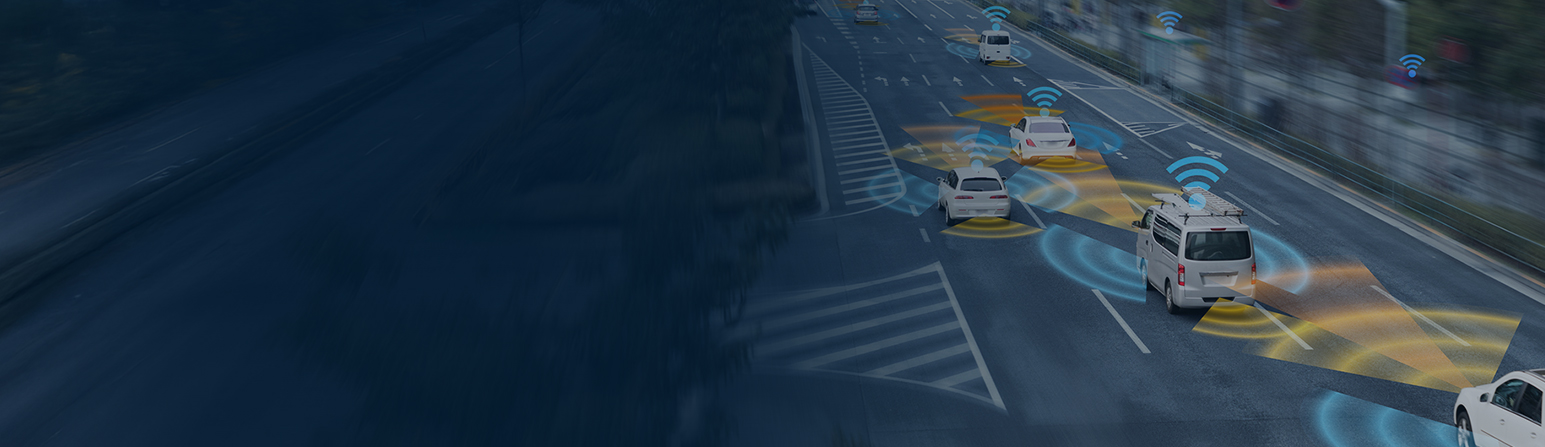
Robotaxis: Are We Finally Close to Fully Autonomous Ride-Hailing?
Robotaxis—fully autonomous vehicles designed for ride-hailing without a human driver—have been a long-promised but slow-arriving part of the mobility future. After years of experimentation and cautious optimism, we’re finally starting to see the first signs of commercial viability. But the road to scale is still full of complex turns.
MarketsandMarkets estimates the robotaxi market could grow from under USD 1 billion today to over USD 45 billion by 2030, driven by rapid advancements in AI, sensor technologies, 5G connectivity, and real-world pilot programs. Companies like Waymo, Cruise, Baidu Apollo, and AutoX are already operating limited robotaxi services in cities like San Francisco, Phoenix, and parts of China.
So why is now different from the early hype cycle?
- Technology Maturity: LiDAR costs have dropped significantly, AI models have improved in recognizing complex edge cases, and real-time HD mapping is becoming more precise and scalable.
- Regulatory Progress: While still fragmented, more city and state authorities are starting to build frameworks for testing and limited commercial operations—particularly in China and the U.S.
- Strategic Partnerships: Automakers are teaming up with tech firms—think Hyundai + Motional, GM + Cruise, and Toyota + Pony.ai—to blend deep manufacturing know-how with cutting-edge autonomous software.
- Fleet-First Deployment: Instead of trying to sell fully autonomous vehicles to individuals, companies are starting with centralized, fleet-managed services where monitoring and maintenance can be controlled.
However, scaling robotaxis remains a challenge. Operating in one city doesn't mean you can copy-paste into another—every region requires new mapping, new regulatory clearance, and a deep understanding of local traffic behavior. Weather, pedestrians, and unpredictable drivers are still major hurdles for AV systems.
What’s clear is that robotaxis aren’t a distant moonshot anymore. They’re becoming part of the urban mobility mix, slowly but surely. In dense cities grappling with pollution, congestion, and the need for efficient transport, autonomous ride-hailing fleets could become the next big leap in transportation—just not overnight.
80% of the Forbes Global 2000 B2B companies rely on MarketsandMarkets to identify growth opportunities in emerging technologies and use cases that will have a positive revenue impact.
- Food Packaging Market Size Set for Strong Growth Through 2030 Amid Rising Demand for Convenience Foods
- Crop Protection Chemical Market Size, Share & Growth Forecast (2025–2030)
- Mulch Films Market: Driving Sustainable Agriculture Through Innovation
- Agricultural Adjuvants Market Analysis, Trends, and Growth Outlook (2026–2031)
- Japan Enterprise Asset Management Market Growth: AI and Smart Infrastructure Drive Demand