
Europe Rodenticides Market Size, Share, Growth Drivers, and Forecast (2025–2030)
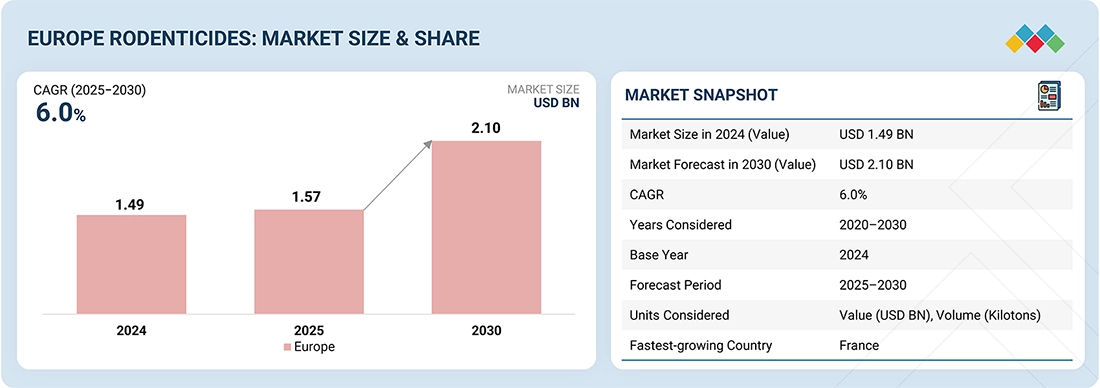
The European rodenticides market is projected to grow from USD 1.57 billion in 2025 to USD 2.10 billion by 2030, registering a CAGR of 6.0% during the forecast period. Market expansion is being driven by increasing rodent infestations across densely populated urban areas, rapid growth of food processing and storage infrastructure, and strict regulatory enforcement of hygiene and public health standards across Europe.
Rising awareness of rodent-borne diseases such as leptospirosis, hantavirus, and salmonellosis is accelerating the adoption of advanced and integrated rodent control solutions. Climate change, urban expansion, and evolving waste management challenges are further intensifying rodent activity, strengthening demand for effective rodenticides across commercial, industrial, and municipal applications.
Market Size and Growth Forecast
- Market Size in 2025 (Value): USD 1.57 Billion
- Market Forecast in 2030 (Value): USD 2.10 Billion
- Growth Rate: CAGR of 6.0% during 2025-2030
- Years Considered: 2020-2030
- Base Year: 2024
- Forecast Period: 2025-2030
- Units Considered: Value (USD Million/Billion), Volume (KT)
- Report Coverage: Revenue forecast, company ranking, competitive landscape, growth factors, and trends
Europe Rodenticides Market Growth Drivers
- Rapid Urbanization and Infrastructure Growth: Europe’s expanding urban centers, aging infrastructure, and rising waste generation are contributing to increased rodent populations. Municipal authorities, commercial establishments, and residential complexes are investing heavily in structured rodent management programs to mitigate public health risks.
- Expansion of Food Processing & Storage Facilities: Growth in food manufacturing, logistics, and cold storage facilities has significantly increased the need for strict pest management systems. Compliance with EU hygiene and food safety standards is compelling businesses to implement robust rodent control measures.
- Rising Public Health Concerns: Rodents are known carriers of multiple infectious diseases. Increasing public awareness and regulatory oversight in sectors such as food processing, pharmaceuticals, hospitality, and healthcare are driving the uptake of professional rodent management solutions.
Europe Rodenticides Market, By Type
The market is segmented into chemical, biological, mechanical solutions, and software & services.
Chemical Rodenticides Dominate the Market
Chemical rodenticides hold the largest market share in Europe due to their proven efficacy and regulatory compliance. These products are extensively used across:
- Agricultural fields
- Food processing plants
- Storage facilities
- Urban environments
Leading multinational companies such as BASF SE, PelGar International, and Syngenta maintain strong positions in this segment by offering a broad portfolio of anticoagulant and non-anticoagulant formulations tailored for European regulatory requirements.
Download PDF Brochure: https://www.marketsandmarkets.com/pdfdownloadNew.asp?id=5630245
Europe Rodenticides Market, By Mode of Application
The mode of application segment includes:
- Pellets
- Sprays
- Powders
Pellets Lead the Segment
Pellet formulations represent the dominant mode of application due to:
- Ease of handling
- Longer shelf life
- Indoor and outdoor usability
- Weather-resistant properties
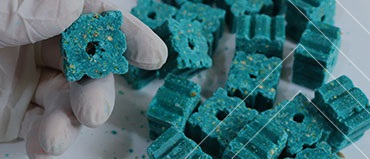
Pellets are widely preferred in farms, warehouses, industrial sites, and urban pest control operations. Their controlled placement, minimal waste, and high rodent acceptance rates ensure consistent population management outcomes.
Europe Rodenticides Market, By End Use
The end-use segment comprises:
- Agricultural fields
- Warehouses
- Urban centers
Urban Centers Hold the Largest Share
Urban centers account for the largest share of the European rodenticides market. High rodent population density, aging sewer systems, and increasing public health risks in densely populated cities are major contributors to demand.
Municipal authorities, commercial properties, transportation systems, and residential complexes rely heavily on rodent control programs to prevent:
- Disease transmission
- Food contamination
- Structural damage
The continued expansion of metropolitan areas across Europe is expected to further increase demand for sustainable and technologically advanced rodent management solutions.
Request Sample Pages: https://www.marketsandmarkets.com/requestsampleNew.asp?id=5630245
Country Analysis: France Emerging as the Fastest-Growing Market
France is projected to be the fastest-growing country in the European rodenticides market during the forecast period.
Major cities such as Paris, Marseille, Lyon, and Lille have reported significant rodent infestation challenges, driving demand for professional pest control services across residential, municipal, and commercial sectors.
France’s expanding food processing, logistics, and cold storage industries—combined with stringent national and EU regulations on hygiene and environmental standards—are expected to sustain long-term demand for effective rodent control solutions.
Leading European Rodenticides Companies:
The European rodenticides market is highly competitive, with leading players focusing on product innovation, regulatory compliance, and strategic partnerships. Key companies operating in the market include:
- BASF SE (Germany)
- Rentokil Initial plc (UK)
- Syngenta (Switzerland)
- Rollins, Inc. (US)
- Ecolab (US)
- PelGar International (UK)
- Impex Europa S.L. (Spain)
- Futura GmbH (Germany)
- Anticimex (Sweden)
- Pelsis Group (UK)
- Environmental Science U.S. LLC (US)
- Liphatech, Inc. (US)
- Colkim srl (Italy)
- Bell Labs (US)
These companies are investing in safer formulations, environmentally responsible solutions, and integrated pest management (IPM) strategies to align with Europe’s evolving regulatory framework.
Future Outlook
The Europe rodenticides market is poised for steady expansion through 2030, supported by:
- Increasing urban population density
- Expansion of food and pharmaceutical infrastructure
- Climate-driven pest proliferation
- Strong regulatory enforcement
As sustainability and environmental compliance become central to pest management strategies, manufacturers and service providers are expected to prioritize innovation, digital monitoring solutions, and integrated rodent control systems across the European region.
80% of the Forbes Global 2000 B2B companies rely on MarketsandMarkets to identify growth opportunities in emerging technologies and use cases that will have a positive revenue impact.
- Food Packaging Market Size Set for Strong Growth Through 2030 Amid Rising Demand for Convenience Foods
- Crop Protection Chemical Market Size, Share & Growth Forecast (2025–2030)
- Mulch Films Market: Driving Sustainable Agriculture Through Innovation
- Agricultural Adjuvants Market Analysis, Trends, and Growth Outlook (2026–2031)
- Japan Enterprise Asset Management Market Growth: AI and Smart Infrastructure Drive Demand

Emerging Trends and Growth Opportunities in the Europe Rodenticides Market
For In-depth Analysis on Europe Rodenticides Market
