
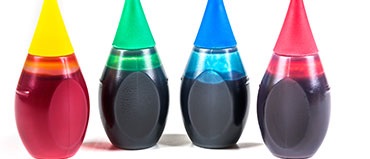
Food Colours Market on a Vibrant Path: 5.4% CAGR Through 2028
The global food colour market is on a vibrant growth path, projected to reach USD 6.0 billion by 2028, up from USD 4.6 billion in 2023, at a CAGR of 5.4% during the forecast period. This growth reflects the rising demand for processed and packaged foods, where colours play a critical role in enhancing appeal, restoring aesthetics, and meeting consumer expectations for freshness and quality.
Why Food Colours Matter
In modern food processing, thermal and non-thermal treatments often alter the natural appearance of foods. Factors such as temperature, pH, and moisture can diminish colour vibrancy. As a result, food colours are increasingly used to ensure products remain visually appealing while also aligning with consumer demand for natural and health-conscious choices.
Request Custom Data to Address your Specific Business Needs
Natural Colours Lead the Way
Among all types, the natural food colours segment is the fastest-growing and is projected to dominate by 2028. This shift is driven by a clear consumer preference for clean-label, eco-friendly, and health-oriented ingredients. Extracted from fresh fruits, vegetables, and other natural sources, these colours not only enhance appearance but may also provide added nutritional benefits.
Popular natural food colours include:
- Carmine
- Anthocyanins
- Caramel
- Annatto
- Carotenoids
- Chlorophyll
- Spirulina
In contrast, synthetic colours face strict regulatory oversight, pushing food manufacturers to transition toward natural alternatives.
Asia Pacific: The Growth Hotspot
The Asia Pacific region is witnessing the highest growth rate in the food colour industry. Countries like China, India, Japan, and South Korea are experiencing surging demand for ready-to-eat and processed food products, fueled by rising disposable incomes and lifestyle shifts.
Local and global players are capitalizing on this trend by introducing innovative bakery goods, snacks, and beverages tailored to evolving consumer preferences. This dynamic environment makes Asia Pacific a key driver of global market expansion.
Key Industry Players
Major companies shaping the food colour market include:
- ADM (US)
- Sensient Technologies Corporation (US)
- DDW (US)
- DSM (Netherlands)
- International Flavors & Fragrances, Inc. (US)
These players are investing heavily in R&D, sustainable sourcing, and product innovation to meet growing demand across food and beverage categories.
Key Questions Addressed by Food Colour Market Report
Q1. What is driving the growth of the food colour market?
The growth is mainly driven by rising demand for processed and packaged foods, consumer preference for visually appealing products, and the shift toward natural and clean-label ingredients.
Q2. Which type of food colour is growing the fastest?
The natural food colour segment is the fastest-growing, as consumers increasingly prefer eco-friendly, plant-based, and healthier alternatives to synthetic colours.
Q3. What are some commonly used natural food colours?
Popular natural food colours include carmine, anthocyanins, caramel, annatto, carotenoids, chlorophyll, and spirulina.
Q4. Why are synthetic food colours facing challenges?
Synthetic colours are subject to strict regulations by food safety authorities worldwide. Growing awareness of health and environmental concerns is also pushing manufacturers to adopt natural options.
Q5. Which region is expected to see the highest growth in the food colour market?
The Asia Pacific region is expected to witness the highest growth due to rising disposable incomes, urbanisation, and increasing demand for ready-to-eat food and beverages.
Q6. Who are the key players in the global food colour market?
Leading companies include ADM (US), Sensient Technologies Corporation (US), DDW (US), DSM (Netherlands), and International Flavors & Fragrances, Inc. (US).
Q7. How do food colours benefit manufacturers and consumers?
For manufacturers, food colours help maintain product consistency, improve appeal, and extend brand identity. For consumers, they enhance sensory experience and often indicate freshness or natural sourcing.
80% of the Forbes Global 2000 B2B companies rely on MarketsandMarkets to identify growth opportunities in emerging technologies and use cases that will have a positive revenue impact.
- Food Packaging Market Size Set for Strong Growth Through 2030 Amid Rising Demand for Convenience Foods
- Crop Protection Chemical Market Size, Share & Growth Forecast (2025–2030)
- Mulch Films Market: Driving Sustainable Agriculture Through Innovation
- Agricultural Adjuvants Market Analysis, Trends, and Growth Outlook (2026–2031)
- Japan Enterprise Asset Management Market Growth: AI and Smart Infrastructure Drive Demand

