
Frozen Foods Market Growth: What’s Driving Demand Worldwide?
In today's fast-paced world, convenience drives consumer choices—and the frozen foods market is responding with unprecedented innovation and growth. Once limited to basic vegetables and TV dinners, frozen foods have evolved into a vibrant, diverse, and health-conscious industry. As global food trends shift, the frozen foods market is emerging as a resilient and dynamic segment of the food and beverage industry.
What are Frozen Foods?
Frozen foods are food products preserved by lowering their temperature to below freezing, effectively halting the growth of bacteria and other pathogens. This process locks in freshness, flavor, and nutrients, allowing foods to be stored for extended periods without spoiling.
The range of frozen foods is vast—everything from fruits and vegetables, seafood, meats, and ready-to-eat meals to desserts and snacks. Advances in freezing technology, such as flash freezing, have improved quality retention, making frozen food nearly as fresh as their fresh counterparts.
Market Overview
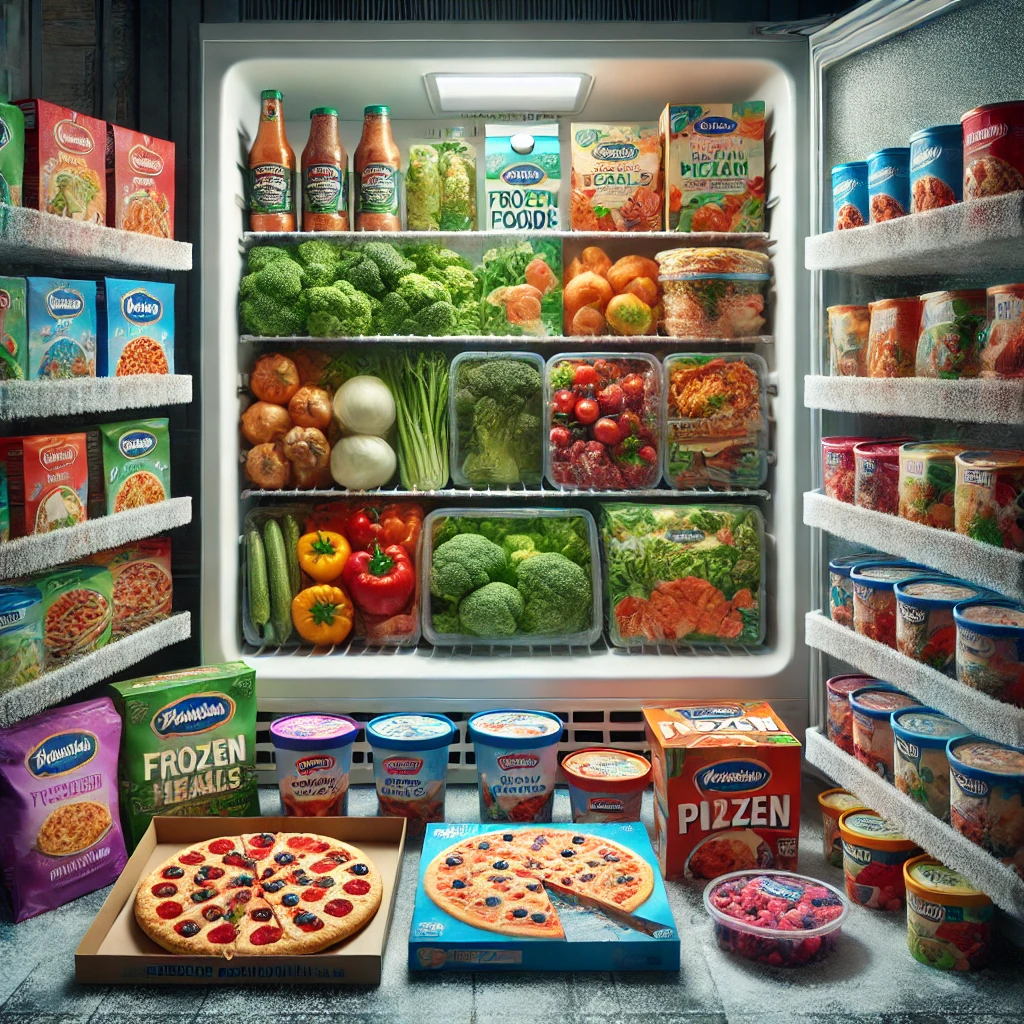
The frozen foods market is estimated at USD 284.2 billion in 2023 and is projected to reach USD 363.7 billion by 2028, at a CAGR of 5.1% from 2023 to 2028, fuelled by rising urbanization, changing dietary habits, and growing demand for ready-to-eat meals. The market spans across categories such as frozen meals, fruits and vegetables, meat and seafood, bakery products, and snacks.
Frozen Foods Market Growth Drivers
- Demand for Convenience: Busy lifestyles and the rise of dual-income households are increasing the need for quick meal solutions. Frozen foods offer extended shelf life and ease of preparation, making them an attractive option for time-starved consumers.
- Rise of Health-Conscious Consumers: Contrary to outdated perceptions, frozen doesn’t mean unhealthy. Newer product lines focus on organic, gluten-free, low-sodium, and plant-based options. Flash-freezing technology also preserves nutrients better than many think.
- Technological Advancements: From high-pressure processing to smart packaging, innovation is enhancing product quality and safety. This technology also allows for greater diversity in the frozen aisle, including ethnic cuisines, gourmet meals, and high-protein snacks.
- Expanding Retail Channels: E-commerce and D2C models are playing a pivotal role. Online grocery platforms and frozen food subscription boxes are making it easier for consumers to access and explore frozen products.
Emerging Trends in the Frozen Foods Market
- Plant-Based Frozen Meals: Surge in vegetarian and vegan options to cater to health-conscious consumers.
- Ethnic and Fusion Cuisine: Global flavors are gaining popularity in frozen meal offerings.
- Clean Label Products: Growing demand for minimally processed foods with transparent labeling.
- Smaller Portion Sizes: Catering to single-person households and portion control preferences.
By Type: Raw Material Segment to Dominate the Frozen Foods Market
The raw material segment is projected to hold the largest market share in the frozen foods market during the forecast period. This dominance is driven by the versatility and broad consumer appeal of raw frozen foods, which include items such as fruits, vegetables, seafood, and meats. These products offer consumers the flexibility to prepare customized, fresh meals while preserving the nutritional value and natural flavors that are often diminished in cooked or processed alternatives.
Raw frozen foods also cater to a variety of dietary preferences, including vegan, paleo, and gluten-free diets, making them highly inclusive and suitable for today’s health-conscious consumers. As the demand for convenient yet nutritious food continues to grow, raw frozen foods meet the need for quick meal preparation without compromising on health or taste. Their wide-ranging applicability across meal types and consumer segments ensures their continued dominance in the frozen foods category.
By Consumption: Food Service Segment Leads the Frozen Foods Market in 2023
In 2023, the food service segment emerged as the largest consumer of frozen foods. This can be attributed to the critical role frozen products play in supporting the operations of restaurants, hotels, cafeterias, and catering services. Frozen ingredients provide consistent quality, easy portion control, and longer shelf life, all of which are essential in a high-paced, efficiency-driven food service environment.
The ability of frozen foods to minimize waste and reduce spoilage helps food service operators manage costs more effectively. Additionally, the vast selection of frozen offerings—including appetizers, main courses, and desserts—enables these establishments to meet varied customer demands and dietary needs with ease. The convenience, cost-efficiency, and product diversity that frozen foods offer make them a cornerstone of the food service industry’s supply chain.
- General Mills Inc. (US)
- Conagra Brands, Inc. (US)
- GRUPO BIMBO (Mexico)
- Nestle (Switzerland)
- Unilever (UK)
- Kellogg Co. (US)
- McCain Foods Limited (Canada)
- The Kraft Heinz Company (US)
- Associated British Foods plc (UK)
- Ajinomoto Co. Inc. (Japan)
- Cargill, Incorporated (US)
- In April 2023, Nestlé and the private equity firm PAI Partners came to an agreement to establish a joint venture focused on Nestlé's frozen pizza business in Europe. This move aimed to create a specialized player in a highly competitive and constantly evolving market segment. In this joint venture, Nestlé would maintain a minority stake, ensuring equal voting rights in partnership with PAI Partners.
- In March 2023, McCain Foods, the global leader in frozen potato products manufacturing, made a significant announcement of a substantial investment totaling USD 438.4 million. This investment is directed towards the expansion and doubling in size of its potato processing plant located in Coaldale, Alberta. This strategic move is expected to foster continued growth for the company, strengthening its ability to cater to key markets.
- In January 2022, Unilever, the largest ice cream company globally, introduced its new portfolio offerings for the year 2022. These offerings spanned across four of its prominent packaged ice cream and frozen novelty brands, namely Breyers, Klondike, Magnum ice cream, and Talenti Gelato & Sorbetto. This strategic move reflected Unilever's commitment to innovation and meeting consumer preferences by continuously refreshing its product lines and expanding its portfolio.
Key Questions Addressed by the Frozen Foods Market Report:
- What is the current size and growth outlook of the global frozen foods market?
- What are the main product categories within the frozen foods market?
- What are the major trends driving the frozen foods market?
- How do freezing technologies impact the frozen foods market?
- What are the benefits of frozen foods compared to fresh foods?
- How is consumer behavior influencing the frozen foods market?
- What distribution channels are prominent in the frozen foods market?
80% of the Forbes Global 2000 B2B companies rely on MarketsandMarkets to identify growth opportunities in emerging technologies and use cases that will have a positive revenue impact.
- Food Packaging Market Size Set for Strong Growth Through 2030 Amid Rising Demand for Convenience Foods
- Crop Protection Chemical Market Size, Share & Growth Forecast (2025–2030)
- Mulch Films Market: Driving Sustainable Agriculture Through Innovation
- Agricultural Adjuvants Market Analysis, Trends, and Growth Outlook (2026–2031)
- Japan Enterprise Asset Management Market Growth: AI and Smart Infrastructure Drive Demand

Emerging Trends and Growth Opportunities in the Frozen Foods Market
For In-depth Analysis on Frozen Foods Market
