
How Automation and Data Are Driving Precision Livestock Farming Market Growth
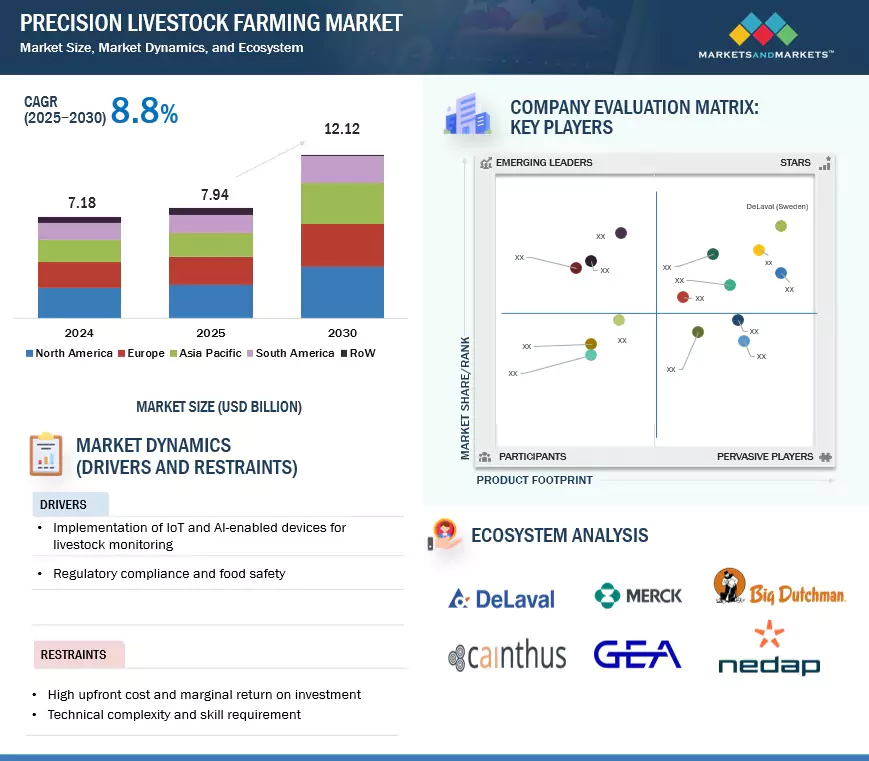
The global livestock industry is undergoing a digital transformation. According to a recent MarketsandMarkets report, the precision livestock farming market size is projected to grow from USD 7.94 billion in 2025 to USD 12.12 billion by 2030, at a healthy CAGR of 8.8%. This growth is being fueled by the rising adoption of IoT- and AI-enabled devices, automation, and data-driven insights that are reshaping how farmers manage their herds.
Why IoT and AI Are Game-Changers in Livestock Farming
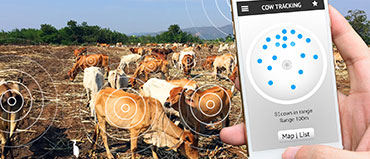
One of the biggest drivers behind PLF adoption is the implementation of IoT sensors, smart collars, ear tags, and surveillance cameras for real-time livestock monitoring. These devices generate continuous streams of health, behavior, and activity data. With the help of AI algorithms, farmers can quickly detect early signs of disease, stress, or abnormal behavior, enabling faster interventions that reduce losses and improve animal welfare.
Automation also plays a central role—robotic milking systems and automated feeding units cut down labor costs, reduce human error, and optimize herd management. Cloud-based platforms supported by 5G connectivity make it easier for farmers to access dashboards, collaborate with veterinarians, and manage multiple sites from anywhere.
Additionally, rising demands for food safety, traceability, and animal welfare regulations are pushing farmers to adopt digital systems that ensure compliance and build consumer trust. Collectively, these advancements are driving strong precision livestock farming market growth, making livestock operations more efficient, sustainable, and profitable.
Milk Harvesting Leads the Way
Among all applications, milk harvesting is expected to account for a significant share of the PLF market in the coming years. Automated milking solutions are transforming dairy farms by:
- Reducing manual labor and ensuring consistent milk quality
- Supporting flexible milking schedules
- Continuously monitoring udder health and milk yield
- Providing actionable data analytics for herd management
The growing demand for dairy products worldwide is accelerating this transition. With improved productivity and animal welfare, automated milking is becoming a cornerstone of modern dairy operations.
Request Custom Data to Address your Specific Business Needs
Dairy Farms Take Center Stage
When it comes to farm type, dairy farms are projected to hold the largest precision livestock farming market share. The reason is clear—dairy farming requires precise management of milking, feeding, and animal health. Robotic systems, automated feeders, and real-time monitoring tools empower farmers to boost yields while reducing labor dependency.
As global dairy consumption rises, the adoption of PLF solutions in dairy farms will continue to grow, positioning this segment as a key driver of market expansion.
North America: A Leading Market
North America is expected to remain the largest regional market for precision livestock farming. With advanced agricultural infrastructure and strong adoption of digital solutions, farmers in the US and Canada are leveraging RFID-based animal identification, IoT devices, automated feeding systems, and advanced analytics to enhance efficiency.
Key precision livestock farming companies such as DeLaval, GEA Group, Afimilk, Allflex Livestock Intelligence, and Lely International are driving innovation in this region. Combined with a growing emphasis on sustainability and traceability, North America is setting global benchmarks for PLF adoption.
Key Players Shaping the Market
The precision livestock farming space is highly competitive, with major players including:
- DeLaval (Sweden)
- GEA Group (Germany)
- Afimilk (Israel)
- Merck & Co., Inc. (US)
- Nedap N.V. (Netherlands)
- Lely International (Netherlands)
- Waikato Milking Systems (New Zealand)
- Livestock Improvement (New Zealand)
- Boumatic (US)
- Fancom B.V. (Netherlands)
The rise of digital technologies, automation, and connected solutions reflects broader precision livestock farming market trends. Farmers are no longer relying on intuition alone; they now have real-time data to guide decision-making, boost efficiency, and ensure animal welfare. As the market heads toward USD 12.12 billion by 2030, PLF solutions will define the next era of sustainable livestock farming.
Frequently Asked Questions
1. What is precision livestock farming?
Precision livestock farming (PLF) refers to the use of IoT devices, AI, robotics, and data analytics to monitor, manage, and optimize livestock health, productivity, and welfare.
2. What is driving the growth of the precision livestock farming market?
The key drivers include IoT- and AI-enabled monitoring systems, automation in milking and feeding, stricter food safety regulations, and increasing demand for efficiency and sustainability.
3. Which farm type is leading the adoption of precision livestock farming?
Dairy farms are at the forefront of adoption due to their high need for automated milking, feeding solutions, and animal health monitoring.
4. What role does milk harvesting play in this market?
Milk harvesting is one of the largest application areas, as automated milking systems improve efficiency, reduce labor, and ensure consistent milk quality.
5. Which regions dominate the precision livestock farming market?
North America is expected to hold the largest market share, thanks to advanced infrastructure, strong digital adoption, and leading companies driving innovation.
80% of the Forbes Global 2000 B2B companies rely on MarketsandMarkets to identify growth opportunities in emerging technologies and use cases that will have a positive revenue impact.
- Food Packaging Market Size Set for Strong Growth Through 2030 Amid Rising Demand for Convenience Foods
- Crop Protection Chemical Market Size, Share & Growth Forecast (2025–2030)
- Mulch Films Market: Driving Sustainable Agriculture Through Innovation
- Agricultural Adjuvants Market Analysis, Trends, and Growth Outlook (2026–2031)
- Japan Enterprise Asset Management Market Growth: AI and Smart Infrastructure Drive Demand

