

Smart Food Packaging Market: Revolutionizing Food Safety, Shelf Life, and Sustainability
The global smart food packaging market is projected to grow from USD 26.42 billion in 2024 to USD 35.69 billion by 2029, registering a robust CAGR of 6.2%. This growth reflects a major transformation in how food is packaged, preserved, and delivered, driven by rising consumer demand for sustainability, convenience, and food safety.
As environmental awareness continues to rise, consumers are increasingly favoring packaging solutions that are biodegradable, recyclable, or even edible. This shift is reshaping the industry as both startups and established players race to develop materials that are not only eco-friendly but also efficient in preserving food quality.
The surge in online food ordering and the expansion of e-commerce platforms have further intensified the need for smart packaging solutions that can maintain product freshness and integrity during transport. In response, companies are integrating advanced technologies such as temperature sensors, RFID tags, and intelligent indicators that extend shelf life and help reduce food waste.
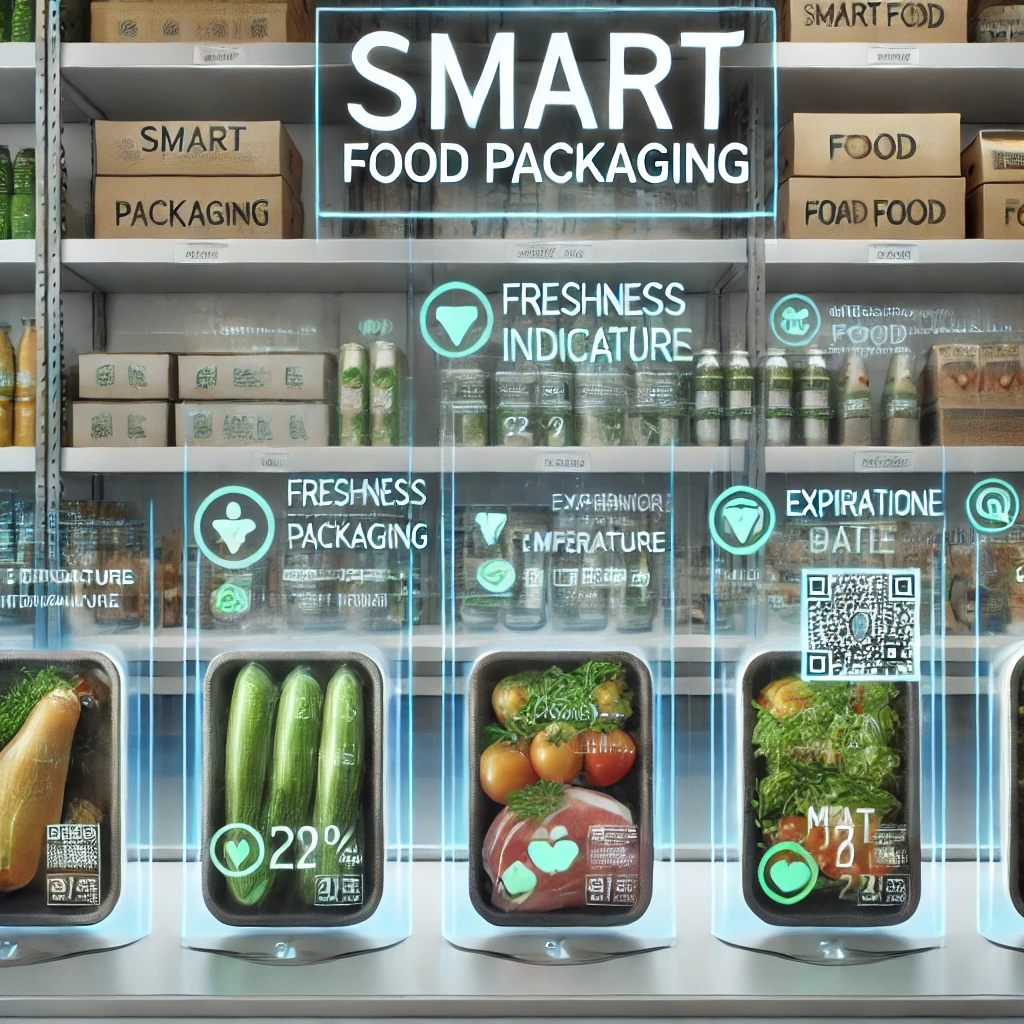
What is Smart Food Packaging?
Smart food packaging goes beyond traditional containment and protection. It leverages advanced technologies to actively monitor and maintain food quality. These include:
- Active Packaging: Features antimicrobial agents, gas scavengers, and humidity regulators to control internal conditions.
- Intelligent Packaging: Uses RFID, NFC, indicators, sensors, and blockchain to track freshness, detect spoilage, and verify product authenticity in real time.
These innovations not only improve consumer safety but also minimize food waste, enhance regulatory compliance, and add value for manufacturers and retailers alike.
Download PDF Brochure: https://www.marketsandmarkets.com/pdfdownloadNew.asp?id=103797679
Modified Atmosphere Packaging (MAP): Leading the Market
Among the various smart packaging technologies, Modified Atmosphere Packaging (MAP) is poised to dominate the market during the forecast period. MAP works by altering the atmosphere inside food packaging—typically adjusting levels of oxygen, carbon dioxide, and nitrogen—to slow down microbial growth and oxidation.
Why MAP is in Demand?
- Extends shelf life for perishable items like meat, dairy, and fresh produce
- Maintains taste, texture, and nutritional value
- Reduces spoilage in retail and export logistics
A recent development includes ProAmpac’s launch of the RAP Sandwich Wedge in June 2023. This fiber-based MAP solution is tailored for sandwiches and wraps, combining the shelf-life extension benefits of MAP with eco-friendly materials to meet growing sustainability demands.
Key Drivers and Trends
- Food Safety & Freshness: Rising concerns about foodborne illnesses and spoilage are fueling demand for packaging that can monitor and maintain product integrity.
- Sustainability: Eco-friendly materials—biodegradable, recyclable, and even edible packaging—are gaining traction as consumers and regulators push for reduced environmental impact.
- Technological Advancements: Integration of AI, big data, nanotechnology, and IoT enables real-time analytics, predictive maintenance, and enhanced traceability.
- E-commerce & Food Delivery: The surge in online food sales and delivery services is boosting demand for packaging that ensures safety and freshness during transit.
Request Sample Pages: https://www.marketsandmarkets.com/requestsampleNew.asp?id=103797679
Opportunities and Challenges
Opportunities
- Emerging Markets: Rapid urbanization and rising incomes in Asia-Pacific and the Middle East are opening new avenues for smart packaging adoption.
- AI & Data Analytics: Leveraging AI and machine learning for predictive spoilage detection and supply chain optimization.
- Customizable Solutions: Growing demand for packaging tailored to specific food types and consumer preferences.
Challenges
- High Implementation Costs: Advanced smart packaging technologies can be expensive to deploy at scale.
- Regulatory Complexity: Inconsistent standards and regulations across regions can hinder market growth.
- Consumer Awareness: Limited understanding among end-users may slow adoption.
Plastic Remains the Material of Choice
Despite environmental concerns, plastic materials are expected to account for the largest share of the smart packaging market. Plastics like polyethylene, polypropylene, and polyester remain popular due to their:
- Versatility and durability
- Lightweight properties
- Compatibility with embedded tech (e.g., sensors and RFID)
Additionally, strides in biodegradable and recyclable plastics are helping address sustainability issues, keeping plastic relevant in a sector that demands both performance and eco-consciousness.
North America Leads the Global Market
North America is the frontrunner in smart food packaging, thanks to its robust food supply chain, advanced logistics infrastructure, and strict food safety regulations enforced by authorities like the FDA.
Key drivers in the region include:
- High demand for perishable food preservation in cross-border trade
- Adoption of active and intelligent packaging for long-distance transportation
- A strong push for product traceability and food security
The U.S. and Canada are leading contributors to market share, innovation, and regulatory compliance, reinforcing North America’s dominance in this evolving market.
Top 10 Companies in the Smart Food Packaging Market:
- Amcor plc (Switzerland)
- Sealed Air (US)
- Berry Global Inc. (US)
- THE TETRA LAVAL GROUP (Switzerland)
- Mondi (UK)
- Toyo Seikan Group Holdings, Ltd. (Japan)
- Crown (US)
- 3M (US)
- Timestrip UK LTD (UK)
- MITSUBISHI GAS CHEMICAL COMPANY, INC. (Japan)
Future Outlook
The smart food packaging market is poised for robust growth as technological innovation continues, and sustainability becomes a central concern. Companies that invest in eco-friendly materials, real-time monitoring, and data-driven solutions will be well-positioned to lead in this evolving landscape. As regulatory pressures mount and consumer expectations rise, smart packaging will play an increasingly vital role in ensuring food safety, reducing waste, and delivering a superior consumer experience
80% of the Forbes Global 2000 B2B companies rely on MarketsandMarkets to identify growth opportunities in emerging technologies and use cases that will have a positive revenue impact.
- Food Packaging Market Size Set for Strong Growth Through 2030 Amid Rising Demand for Convenience Foods
- Mulch Films Market: Driving Sustainable Agriculture Through Innovation
- Agricultural Adjuvants Market Analysis, Trends, and Growth Outlook (2026–2031)
- Crop Protection Chemical Market Size, Share & Growth Forecast (2025–2030)
- Japan Enterprise Asset Management Market Growth: AI and Smart Infrastructure Drive Demand

Emerging Trends and Growth Opportunities in the Smart Food Packaging Market
