
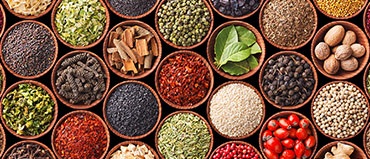
Specialty Food Ingredients Market: Innovations Shaping the Future of Food
The specialty food ingredients market is rapidly transforming the global food and beverage landscape. As consumers demand better nutrition, enhanced taste, improved shelf life, and sustainable food products, manufacturers increasingly rely on specialized ingredients to boost functionality and value. From natural flavors and colors to nutraceuticals, preservatives, and texturizers, specialty food ingredients are becoming essential in modern food innovation.
What Are Specialty Food Ingredients?
Specialty food ingredients are value-added components that enhance the taste, texture, color, shelf life, and nutritional value of food and beverage products. They include a wide spectrum of categories such as:
- Flavors & Fragrances
- Food Colors
- Enzymes
- Emulsifiers
- Preservatives
- Sweeteners
- Nutritional Ingredients (vitamins, minerals, probiotics, etc.)
- Hydrocolloids
- Functional Additives
These ingredients are widely used in bakery, dairy, beverages, confectionery, convenience foods, and dietary supplements.
Market Overview
The specialty food ingredients market includes additives and functional components that enhance the taste, texture, color, nutrition, processing efficiency, and shelf stability of food products. These ingredients are widely used across bakery & confectionery, beverages, dairy, convenience foods, snacks, meat processing, and health & wellness products.
Growing awareness about clean-label products, plant-based diets, and functional foods has significantly boosted demand for high-quality specialty ingredients that support both health and indulgence.
Download PDF Brochure: https://www.marketsandmarkets.com/pdfdownloadNew.asp?id=252775011
Specialty Food Ingredients Growth Drivers:
- Rising Demand for Clean-Label & Natural Ingredients: Consumers increasingly seek food products with recognizable, natural ingredients—driving manufacturers to innovate with plant-based, botanical, and minimally processed inputs.
- Growing Awareness of Health & Wellness: Functional ingredients such as probiotics, fiber, plant proteins, and omega fatty acids are in high demand as consumers prioritize gut health, immunity, and overall nutrition.
- Expansion of Processed & Convenience Foods: Food processing companies rely on specialty ingredients to ensure consistency, shelf stability, and sensory appeal across ready-to-eat, ready-to-cook, and snack products.
- Innovation in Food Technology: Technological advancements in fermentation, enzymatic processing, encapsulation, and precision formulation support the development of value-added ingredients.
- Rise of Plant-Based & Alternative Food Products: Alternative dairy, meat, and protein products rely heavily on specialty ingredients for texture, flavor, binding, and nutrient enrichment.
Key Market Trends to Watch
- Growing Popularity of Natural Colors & Flavors: Consumers prefer plant-derived pigments and flavor extracts over synthetic alternatives.
- Surge in Probiotics & Prebiotics: Demand for gut-health solutions continues to rise across beverages, dairy, and supplements.
- Clean-Label Stabilizers & Emulsifiers: Natural gums, lecithin, and plant-based emulsifiers are replacing synthetic additives.
- Protein Fortification: Pea protein, soy protein, whey isolates, and emerging novel proteins are widely used in snacks, beverages, and meat alternatives.
- Sugar Reduction & Clean Sweeteners: Stevia, monk fruit, and allulose are gaining popularity as low-calorie sweetener solutions.
- Sustainability as a Core Ingredient Strategy: Brands are focusing on upcycled ingredients, fermentation-based production, and eco-friendly sourcing.
Request Sample Pages: https://www.marketsandmarkets.com/requestsampleNew.asp?id=252775011
Specialty Food Ingredients Market Segmentation
By Type
- Enzymes
- Flavors & Fragrances
- Emulsifiers
- Preservatives
- Starches & Sweeteners
- Functional Ingredients (probiotics, proteins, fibers, antioxidants)
- Colors (natural & synthetic)
By Application
- Bakery & confectionery
- Dairy & frozen desserts
- Beverages
- Meat, poultry & seafood
- Snacks & convenience foods
- Dietary supplements
- Sauces, dressings & condiments
- Baby food & infant nutrition
Regional Insights
- North America: A mature market with high adoption of functional foods, sports nutrition, and clean-label ingredients.
- Europe: Strong regulatory standards encourage natural, organic, and sustainable ingredient solutions.
- Asia-Pacific: The fastest-growing region, driven by rising consumer spending, urbanization, and changing dietary patterns.
- Latin America & Middle East: Increasing investments in food manufacturing and growing interest in fortified and convenient foods.
Leading Specialty Food Ingredients Companies:
Leading players are focusing on R&D, new product launches, strategic acquisitions, and sustainability initiatives to strengthen market presence. The competitive environment includes:
ADM (US), DSM (Netherlands), International Flavors & Fragrances Inc. IFF (US), Kerry Group plc. (Ireland), Givaudan (Switzerland), Cargill, Incorporated (US), Sensient Technologies Corporation (US), Ingredion. (US), Chr. Hansen Holding A/S (Denmark), and Tate & Lyle (UK).
Future Outlook
The specialty food ingredients market is expected to continue its upward trajectory fueled by health-focused innovation, evolving dietary trends, and clean-label demands. As food manufacturers prioritize transparency, nutrition, and experience-driven products, specialty ingredients will remain at the heart of the global food industry.
Frequently Asked Questions About Specialty Food Ingredients Market
1. What is the specialty food ingredients market?
The specialty food ingredients market includes a range of functional and value-added ingredients—such as flavors, colors, enzymes, emulsifiers, preservatives, sweeteners, and nutraceuticals—used to enhance the taste, texture, nutrition, and shelf life of food and beverage products.
2. What factors are driving the growth of the specialty food ingredients market?
Key growth drivers include:
- Rising demand for convenience and processed foods
- Increasing consumer focus on health, nutrition, and clean labels
- Growth of functional food and beverage categories
- Expansion of the food processing industry
- Technological advancements in ingredient extraction and formulation
3. Which types of specialty food ingredients dominate the market?
Major ingredient categories include:
- Functional ingredients: probiotics, prebiotics, proteins, vitamins, minerals
- Sensory ingredients: flavors, colors, sweeteners
- Processing aids: enzymes, emulsifiers, stabilizers, preservatives
Functional ingredients, especially plant-based proteins and probiotics, are among the fastest-growing segments.
4. Which applications use specialty food ingredients the most?
Specialty ingredients are widely used in:
- Bakery & confectionery
- Beverages
- Dairy & frozen foods
- Sauces, dressings, and condiments
- Functional and fortified foods
- Ready-to-eat and ready-to-cook meals
5. How is the clean-label trend impacting the market?
The clean-label movement is pushing manufacturers toward natural, minimally processed, and transparent ingredient solutions. This is increasing demand for natural flavors, plant-based colors, non-synthetic preservatives, and nutrient-dense additives.
6. Which regions are leading the specialty food ingredients market?
- North America and Europe dominate due to advanced food processing industries and strong consumer demand for premium and functional products.
- Asia-Pacific is the fastest-growing region, driven by rising urbanization, growing middle-class populations, and demand for packaged and fortified foods.
7. What are the major challenges in the specialty food ingredients market?
Key challenges include:
- High R&D and production costs
- Stringent food safety and labeling regulations
- Volatility in raw material prices
- Increasing competition from local and clean-label alternatives
8. Who are the key players in the specialty food ingredients market?
Prominent companies include:
ADM (US), DSM (Netherlands), International Flavors & Fragrances Inc. IFF (US), Kerry Group plc. (Ireland), Givaudan (Switzerland), Cargill, Incorporated (US), Sensient Technologies Corporation (US), Ingredion. (US), Chr. Hansen Holding A/S (Denmark), and Tate & Lyle (UK).
These players focus on innovation, natural ingredient development, and strategic collaborations.
9. How is technology transforming specialty food ingredients?
Technological advancements such as bio-fermentation, enzyme engineering, microencapsulation, and plant-protein processing are enabling more stable, sustainable, and functionally superior ingredients.
10. What is the future outlook for the specialty food ingredients market?
The market is expected to grow steadily due to rising global demand for healthier, functional, and premium food products. Trends such as plant-based eating, gut health, sugar reduction, and natural ingredients will continue to shape market innovation.
80% of the Forbes Global 2000 B2B companies rely on MarketsandMarkets to identify growth opportunities in emerging technologies and use cases that will have a positive revenue impact.
- Food Packaging Market Size Set for Strong Growth Through 2030 Amid Rising Demand for Convenience Foods
- Crop Protection Chemical Market Size, Share & Growth Forecast (2025–2030)
- Mulch Films Market: Driving Sustainable Agriculture Through Innovation
- Agricultural Adjuvants Market Analysis, Trends, and Growth Outlook (2026–2031)
- Japan Enterprise Asset Management Market Growth: AI and Smart Infrastructure Drive Demand

Emerging Trends and Growth Opportunities in the Specialty Food Ingredients Market
