
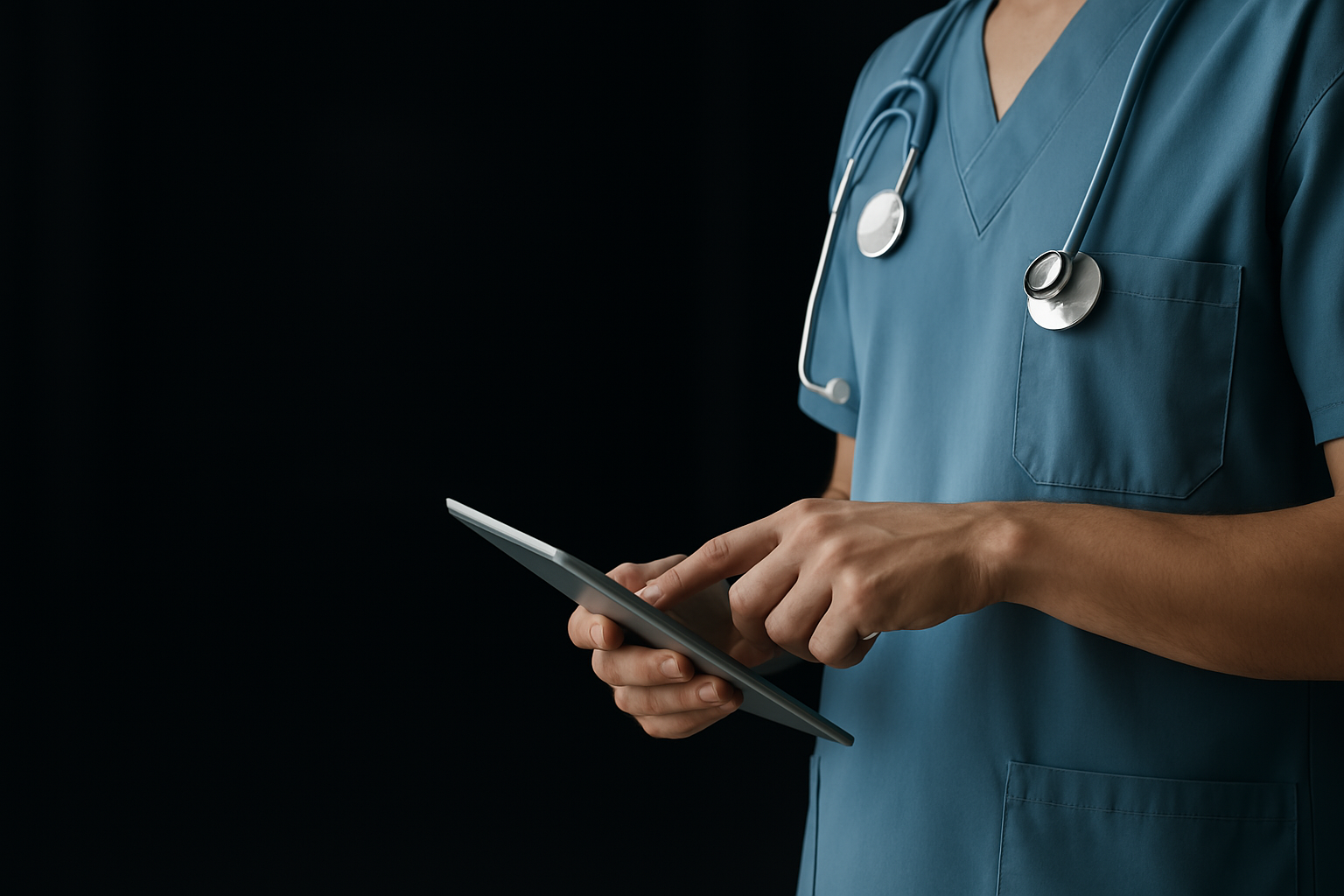
Comprehensive Guide to Patient Monitoring Devices: Trends, Types, and Market Insights
Patient monitoring devices are essential tools in modern healthcare, enabling continuous observation of vital signs and health metrics. These devices play a pivotal role in enhancing patient outcomes, especially in critical care settings and chronic disease management. With the global healthcare landscape evolving, the demand for advanced monitoring solutions is on the rise.
What Are Patient Monitoring Devices?
Patient monitoring devices are instruments used to assess and record a patient's physiological parameters, such as heart rate, blood pressure, respiratory rate, and oxygen saturation. These devices provide real-time data, allowing healthcare providers to make informed decisions and intervene promptly when necessary.
Types of Patient Monitoring Devices
1. Multiparameter Monitors
These devices simultaneously measure multiple vital signs, including ECG, blood pressure, temperature, and SpO2 levels. They are commonly used in intensive care units (ICUs) and emergency departments.
2. Cardiac Monitoring Devices
Specifically designed to monitor heart-related parameters, these devices include electrocardiograms (ECGs) and Holter monitors, which track heart rhythms over extended periods.
3. Pulse Oximeters
Non-invasive devices that measure the oxygen saturation level in the blood, providing critical information for patients with respiratory conditions.
4. Blood Pressure Monitors
Devices that measure the force of blood against the artery walls, essential for diagnosing and managing hypertension.
5. Wearable Monitoring Devices
Advancements in technology have led to the development of wearable devices that continuously monitor various health metrics, offering convenience and mobility for patients.
Market Growth and Trends
The global patient monitoring devices market has experienced significant growth in recent years. Valued at USD 45.7 billion in 2022, the market reached USD 48.5 billion in 2024 and is projected to advance at a resilient CAGR of 8.0% from 2024 to 2029, culminating in a forecasted valuation of USD 71.1 billion by 2029
Key Growth Drivers:
- Aging Population: An increasing elderly population requires continuous monitoring for chronic conditions.
- Chronic Diseases: Rising prevalence of conditions like diabetes and cardiovascular diseases necessitates regular monitoring.
- Technological Advancements: Innovations in sensor technology and wireless connectivity have enhanced device capabilities.
- Home Healthcare: A shift towards home-based care models has increased the demand for remote monitoring solutions.
Benefits of Patient Monitoring Devices
- Early Detection: Continuous monitoring allows for the early identification of potential health issues.
- Improved Patient Outcomes: Timely interventions based on real-time data can lead to better health outcomes.
- Cost Efficiency: Remote monitoring can reduce hospital readmissions and associated costs.
- Patient Empowerment: Wearable devices enable patients to take an active role in managing their health.
Challenges and Considerations
- Data Security: Ensuring the privacy and security of patient data is paramount.
- Integration with Healthcare Systems: Seamless integration with existing electronic health records (EHR) systems is crucial for effective use.
- Regulatory Compliance: Devices must adhere to medical device regulations and standards.
- User Training: Proper training for both healthcare providers and patients is essential for optimal device utilization.
Future Outlook
The future of patient monitoring devices is promising, with continuous advancements in technology. The integration of artificial intelligence (AI) and machine learning (ML) into monitoring systems is expected to enhance predictive capabilities, allowing for proactive healthcare management. Additionally, the expansion of 5G networks will facilitate faster and more reliable data transmission, further improving remote monitoring services.
Conclusion
Patient monitoring devices are transforming healthcare by providing continuous, real-time insights into a patient's health status. As the market continues to grow, driven by technological innovations and an increasing demand for remote healthcare solutions, these devices will play an even more significant role in enhancing patient care and outcomes.
Uncover the Strategic Roadmap Shaping Industry Transformation
Download this C-suite–focused executive guide featuring market intelligence, regional strategies, investment priorities, and policy readiness—powered by expert industry insights.
Download PDF Brochure80% of the Forbes Global 2000 B2B companies rely on MarketsandMarkets to identify growth opportunities in emerging technologies and use cases that will have a positive revenue impact.
- Food Packaging Market Size Set for Strong Growth Through 2030 Amid Rising Demand for Convenience Foods
- Mulch Films Market: Driving Sustainable Agriculture Through Innovation
- Agricultural Adjuvants Market Analysis, Trends, and Growth Outlook (2026–2031)
- Crop Protection Chemical Market Size, Share & Growth Forecast (2025–2030)
- Japan Enterprise Asset Management Market Growth: AI and Smart Infrastructure Drive Demand

