7500+ companies worldwide approach us every year for their revenue growth initiatives
2
80% of Fortune 2000 companies rely on our research to identify new revenue sources
3
Top 2000 strategists around the world rely on us for their growth roadmap/initiatives
High Protein Flour Market by Nature (Organic, Conventional), by Form (Powder, Granular, Liquid), by Type (Bleached, Unbleached), by Source (Wheat, Soy, Pea, Lentil, Chickpea, Others), by End User (Food and Beverages, Animal Feed, Retail, Food Service, Others), and by Region - Global Forecast to 2030
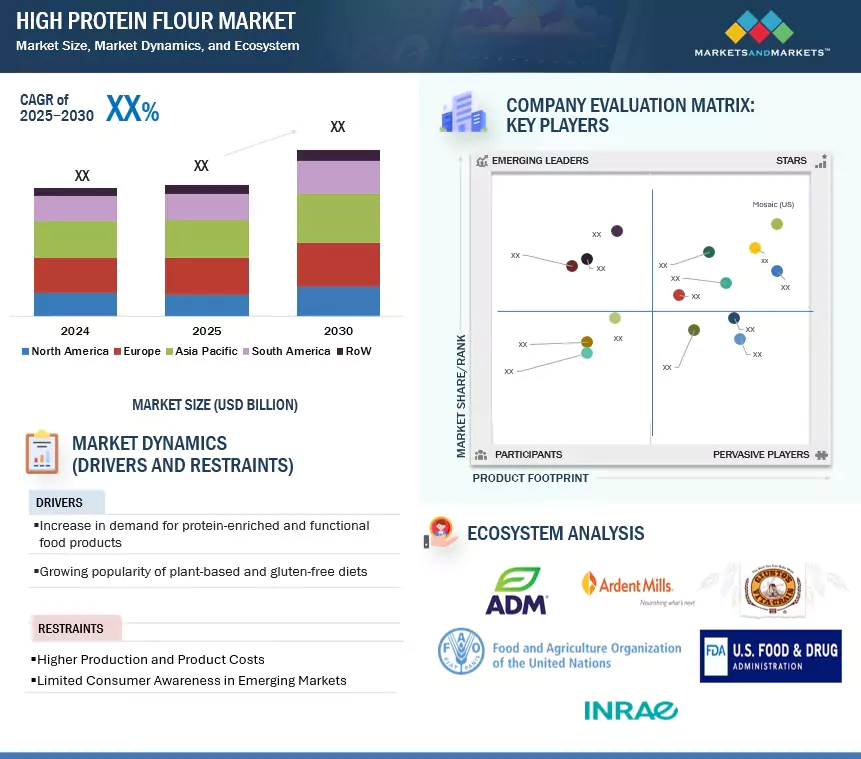
The high protein flour market is projected to expand from USD XX billion in 2025 to USD XX billion by 2030, at a CAGR of XX% during the forecast period. The growth of the high protein flour market has been attributed to several key factors, including the increase in the demand for protein-enriched food products, higher consumer awareness to nutritional and functional foods, popularity of plant-based and gluten-free diets and current advances in food processing technologies, the rise of innovative blends of protein-rich flour, increased usage of protein flour for bakery applications, sports nutrition products, and functional foods. The high protein flour market also benefitting from backing from government intervention for fortification as well as clean-label ingredient support, innovations in product development, and steady expansion of the organic and specialty flours categories. Overall trends towards health and wellness will drive up demand for higher protein flour across more products, and overall global consumption will grow in a steady manner over the coming years.
Attractive Opportunities in the High Protein Flour Market
EUROPE
European consumers are becoming more conscious of protein’s role in supporting muscle health, weight management, and immunity, boosting demand for protein-fortified bakery, snacks, and health food products.
In several developing countries, limited awareness about the health benefits of high-protein flours and the preference for traditional staple flours restrain market penetration and product adoption.
The surge in vegan, vegetarian, and gluten-free lifestyles is boosting the use of pulse-based, nut-based, and ancient grain high-protein flours as nutritious, allergen-free alternatives to traditional wheat flours.
Increasing consumer focus on health, wellness, and high-protein diets is driving demand for protein-fortified flours in bakery, snacks, and plant-based food applications.
Major market players are investing and expanding in new markets.
Global High Protein Flour Market Dynamics
DRIVERS: Increase in demand for protein-enriched and functional food products
The rising demand from consumers for protein-based food products and greater nutrition is a major reason for the growth of the high protein flour market. As health concerns rise and with ongoing concerns with weight management, muscle health and immunity, consumers are now looking for higher nutrition alternatives to the regular carbohydrate-based staples. Protein flours high in protein from wheat, pea, soy, pulses and nuts offer an easy way to boost protein consumption into everyday foods including everyday staples like bread, pasta, cereals and snacks without affecting taste, texture or overall consumer experience. The popularity of diets like keto, paleo, vegan and gluten-free diets that promote higher protein consumption from plant-based and alternative sources can't be understated. The development of the fitness and wellness markets has also spurred consumption of protein laden baked items and supplements. The emergence of e-commerce and modern retail channels have also contributed to the acquisition of higher quality and specialty high protein flours, as well as the ability for aggressive product innovation and digital marketing were also instrumental in increasing consumer awareness and trial, all resulting in information propagation packaged together to reinforce market growth.
RESTRAINTS: Limited consumer awareness in emerging markets
A significant restraint for the high protein flour market is relatively low consumer awareness in developing markets. For instance, many consumers in parts of Asia, Africa, and Latin America are unaware of the nutritional benefits of high protein flour and of the role they can play in muscle health, weight management, and immunity. Cultural dietary habits, which emphasize staple flours like wheat, rice, and maize, can also be contribution to the position of protein enriched or functional flours as a niche, urban fit or premium product. Lack of product visibility traditionally in rural and semi-urban locations, low penetration of organized retail and e-commerce, continues to restrict access. In addition to lack of visibility, pricing sensitivity is a factor; high protein flours are typically sold at a higher price point due to both the cost of raw materials and processing and don't provide significant enough other incentives to justify the price differential across traditional staple flour products in price-sensitive markets. And, the absence of government-led campaigns and nutrition education, as well as food fortification initiatives limit consumers' understanding of protein deficiencies, and where a high protein flour fits into the conversation about high quality dietary consumption. Consequently, despite some burgeoning global health trends, market penetration in these areas remains limited, and consequently restricts market access for high protein flour and overall growth of the high protein flour market.
OPPORTUNITIES: Expansion of e-commerce and health-focused retail channels
The growing availability of e-commerce platforms and health-focus retail channels will be a big opportunity for the high protein flour market. Consumers’ diets have increasingly shifted to health, wellness, and nutritional-focused items and convenient access to them is essential. E-commerce platforms and specialized health food stores have become key channels for consumers to purchase nutrition and health-focused items. In addition, e-commerce platforms include greater access to more specialized nutritionally focused products. Platforms like Amazon, BigBasket, Nature's Basket, and other e-commerce platforms have made high protein flours, and their frequently niche versions like gluten-free, pulse-based, and plant-based more accessible to many consumers; they have proven capable of reducing the constraints of the traditional retail supply chain and distribution process. More manufacturers are selling online either directly through their websites or through e-commerce platforms to health-conscious consumers who live in metro cities and increasingly in Tier 2 and Tier 3 towns in India. The ability to compare products online before purchasing and receiving their orders at home gives consumers convenience to test products with less initial investment required. As health food products are typically priced higher than other products, compared to traditional retail channels like grocery stores, e-commerce platforms are proving to be effective for consumers to feel comfortable with trying the product and then re-purchasing it. In addition, health retail chains and boutique grocery stores in urban markets are allocating more shelf space to clean labels, fortified, and protein-enriched flour formats, as demand increases from consumers. As consumers are becoming more familiar with high protein flour options, the need for convergence across multiple platforms like digital marketing, influencer promotions, and awareness campaigns on online platforms has raised awareness amongst consumers to try and explore these products.
CHALLENGES: Shorter shelf life and storage challenges
Precise storage and shorter shelf life presents significant barriers for the high protein flour category. High protein flours, including those derived from nuts, pulses, seeds and ancient grains, have a unique situation compared to refined flours - they have higher protein and oil levels making them susceptible to spoilage, rancidity and nutrient loss over extended periods. Flour is also affected by environmental conditions - periods of heat, moisture or exposure to oxygen can have a big impact on the flour's freshness, nutrition and flavour and ultimately the product's value in lower marketability to the consumer. These challenges impact manufacturers, distributors, and retailers in the storage and inventory management chain and costs, transportation logistics and storage facilities. To ensure the product is in the required storage conditions, which includes temperature and humidity and also adding to operating costs, the process will not be streamlined when the region does not have a suitable cold chain infrastructure. This also limits the product's lifespan when exporting to long distances or to remote markets - or any regions further away where the supply chain cycle is longer. Under these conditions, for Brands and retailers, this means extra potential stock wastage, higher costs, and limited scale for a protein-rich flour product line as many of these regions or markets may not have sophisticated distribution or storage systems.
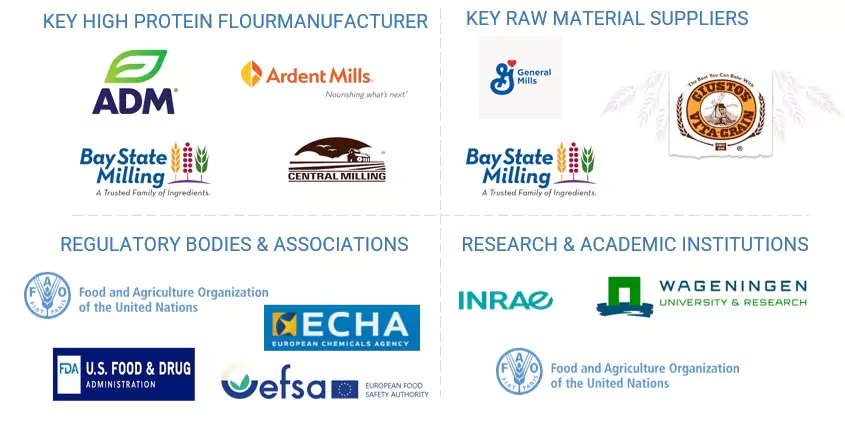
Global High Protein Flour Market Ecosystem Analysis
Some of the prominent companies in this market include well-established and financially sound manufacturers of high protein flour. These companies have been operational in the market for more than a decade and have diversified portfolios, the latest technologies, and excellent global sales and marketing networks. Some of the prominent companies in this market include Archer Daniels Midland (ADM) (US), Ardent Mills (US), Bay State Milling Company (US), Central Milling (US), and The White Lily Foods Company (US).
Note: The above diagram only shows the representation of the High Protein Flour Market ecosystem; it is not limited to the companies represented above.
Source: Secondary Research and MarketsandMarkets Analysis
By nature, conventional segments have significant market share during the forecast period
Based on nature, conventional segments have significant market share. Conventional accounts for the highest sales volume and market share in the high protein flour market, due to factors such as widespread availability, affordability, and established distribution. Conventional high protein flours are produced from wheat, pulses, soy, and other grains, in larger quantities using traditional farming and processing practices, which make them cheaper and more accessible to the majority of consumers, especially in developing and price-conscious markets. Larger scale food and bakery manufacturers, and processed food brands prefer conventional high protein flours, because they are cheaper, have reliability of supply, and work well in mass-market applications like bread, biscuits, noodles, and snack applications. Organic high protein flours that are produced through organic farming practices require more organization and production costs to be in compliance with certification, without considering potentially lower crop yields, resulting in a higher wholesale price point that would prevent mass-market adoption and slows awareness to niche urban health food products/consumers. This economic practicality and the better developed supply chain and retailing of conventional high protein flours will always ensure that they have the majority market once taken as a whole.
By form, the powder segment is projected to witness the highest CAGR during the forecast period
In form, the powder segment is expected to achieve the highest growth rate for the period 2025-2030. The powder segment encompasses the largest share in the high protein flour market due to its versatility, convenience and broad use throughout the food industries. Many powder high protein flours are used in a variety of bakery products, health snacks, nutritional bars, ready mixes, and nutritional supplements. Powder high protein flours are needed for home and commercial cooking, it also have a longer shelf life, easier to store, and easier to transport, useful in regions with limited cold chain capacity, and only one packaging component. Powders allow dry blending with other ingredients and enable a producer to have better control over product consistency, structure, texture, and nutrient content. The powder segment is aided by increasing consumer demand for protein fortified bakery, nutritional, and snack products in the health and wellness markets, coupled with a limited growth opportunity in home baking and chef-service operations. The liquid segment has primarily remained restricted to niche health beverages that are less widespread owing to limited shelf life, higher storage costs, and better usage.
Europe is estimated is estimated to account for the significant market share during the forecast period
The market for high protein flour in Europe is driven by increased demand for plant-based, functional, and protein enriched foods, as well as greater consumer interest and awareness of nutrition, fitness, and gluten intolerance. Countries such as Germany, the UK, France, and the Netherlands are leading this growth. Germany is the leader here, as it has large health and wellness culture, coupled with high demand for protein-rich bakery and snack products. The UK greenhouse has benefited from expanding vegan and fitness trends. France's bakers have reported increasing preferences toward clean label, organic, and fortified flours. The Netherlands provides a strong contribution with its plant-based and functional food culture supported by increased food technologies.
The underlying regulatory oversight for all these activities, specifically for countries with EU regulations, is the European Food Safety Authority (EFSA). EFSA is tasked with providing health and safety assessments of all food products, controlling and assessing nutrition regulations, and developing fortification guidelines. But while the EFSA is the overall European regulatory body, the European Commission's DG SANTE manages the overarching food labeling and nutrients regulations that apply to EU businesses, while its national regulators are responsible for their individual EU market, such as the UK's FSA, Germany's BVL, and France's ANSES which govern all high-protein and functional foods within their domestic market.
LARGEST MARKET SHARE IN 2024
FRANCE: FASTEST GROWING MARKET IN THE REGION
Recent Developments of High Protein Flour Market
In April 2022, ADM recently confirmed an investment of around USD 300 million to upgrade capacity for alternative protein production at its Decatur, Illinois, facility. This investment includes plans to increase soy protein concentrate to two times capacity and expand extrusion capacity to meet the growing demand for plant-based proteiningredients worldwide.
In May 2024, Bay State Milling launched SowNaked Mindfully Farmed Oats, which is a high-protein, gluten-free oat variety that has been milled as groats, flakes, and flours. SowNaked Mindfully Farmed Oats have 40% more protein than traditional oats and a 50% lower carbon footprint, and they follow strict purity protocols to allow production that is safe for celiac.
Key Market Players
List of Top High Protein Flour Market Companies
The High Protein Flour Market is dominated by a few major players that have a wide regional presence. The major players in the High Protein Flour Market are
Nature, Form, Source, Source, End User, and Region
Regions covered
North America, Europe, Asia Pacific, South America, and Rest of the World (RoW)
Key Questions Addressed by the Report
What is the current size of the high protein flour market?
The high protein flour market is estimated to be USD XX billion in 2025 and is projected to reach USD XX billion by 2030, registering a CAGR of XX% during the forecast period.
Which are the key players in the market, and how intense is the competition?
Archer Daniels Midland (ADM) (US), Ardent Mills (US), Bay State Milling Company (US), Central Milling (US), and The White Lily Foods Company (US), are some of the key market players. The market for high protein flour is expanding rapidly, with more mergers, acquisitions, and product launches. Companies in this sector are also heavily investing.
Which region is projected to account for the largest share of the high protein flour market?
European consumers are becoming more conscious of protein’s role in supporting muscle health, weight management, and immunity, boosting demand for protein-fortified bakery, snacks, and health food products.
What kind of information is provided in the company profiles section?
The provided company profiles deliver crucial details, including a thorough business summary that covers different segments, financial results, geographic presence, revenue distribution, and business revenue breakdown. They also offer insights into product lines, key achievements, and expert analyst opinions to better illustrate the company's potential.
What are the factors driving the high protein flour market?
The Increase in demand for protein-enriched and functional food products and Growing popularity of plant-based and gluten-free diets.
Personalize This Research
Triangulate with your Own Data
Get Data as per your Format and Definition
Gain a Deeper Dive on a Specific Application, Geography, Customer or Competitor
I highly appreciate the team's efficiency for a well conducted study that helped us clarify some blind spots in food and agricultural niche markets. Although compiling information for B2B markets is very difficult, the MnM team pulled out the task successfully. The quality of research, level of insights, and responsiveness of team were commendable.




 LARGEST MARKET SHARE IN 2024
 FRANCE: FASTEST GROWING MARKET IN THE REGION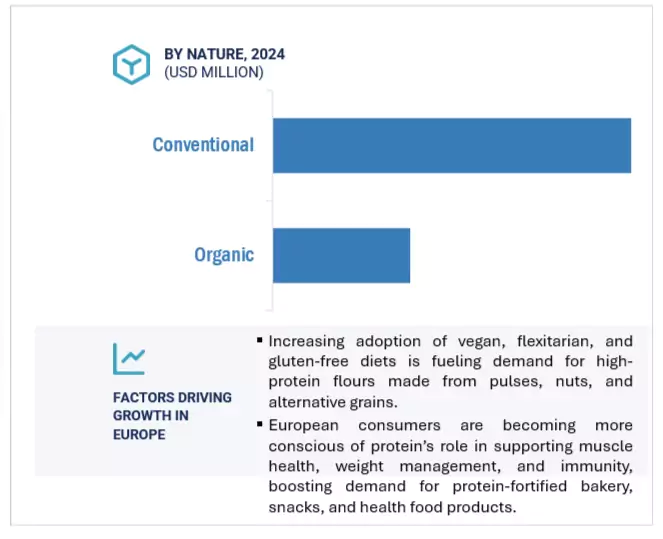










Growth opportunities and latent adjacency in High Protein Flour Market