
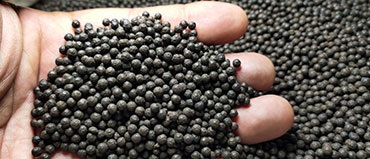
Controlled-Release Fertilizers Market: Driving the Future of Sustainable Crop Nutrition
The global controlled-release fertilizers market is poised for steady growth, projected to expand from USD 2.54 billion in 2025 to USD 3.41 billion by 2030, at a CAGR of 6.1%. This growth reflects a significant shift toward precision agriculture, nutrient efficiency, and environmentally responsible farming practices.
A Growing Focus on Sustainable Agriculture
Farmers worldwide are turning to controlled-release fertilizers to improve nutrient use efficiency, reduce fertilizer losses, and minimize environmental impact. These fertilizers provide nutrients gradually over time, ensuring that crops receive essential nourishment when they need it most.
The rising adoption of precision farming technologies, along with the demand for labor-efficient single-application fertilizers, continues to drive CRF adoption. Moreover, government initiatives promoting eco-friendly fertilizer use and advancements in coating technologies are creating new growth opportunities across regions.
What Are Controlled-Release Fertilizers?
Controlled-release fertilizers are specially engineered fertilizers that release nutrients gradually into the soil, aligning with the nutrient uptake pattern of plants. Unlike conventional fertilizers that dissolve quickly and risk nutrient losses through leaching or volatilization, CRFs ensure steady nutrient availability, improved fertilizer use efficiency, and reduced environmental pollution.
These fertilizers are typically coated with materials such as polymer, sulfur, or resin, which control how and when the nutrients are released. This advanced nutrient management system supports consistent crop growth while minimizing labor and input costs.
Download PDF Brochure: https://www.marketsandmarkets.com/pdfdownloadNew.asp?id=136099624
Market Outlook and Growth Drivers
The Controlled-Release Fertilizers Market is experiencing robust growth, driven by the twin goals of sustainability and productivity. As global food demand continues to rise and arable land becomes limited, farmers are increasingly turning to CRFs to get more output from less land.
Key growth drivers include:
- Rising awareness of sustainable farming practices and the need to curb nutrient runoff.
- Government support and subsidies for eco-friendly fertilizers.
- Technological advancements in coating materials and nutrient formulations.
- Growing horticulture and turf management sectors, especially in developed regions.
According to industry reports, the market is projected to witness strong growth through 2030, as countries in Asia-Pacific, North America, and Europe adopt precision agriculture techniques at scale.
Market Insights by Type: Coated and Encapsulated Fertilizers Lead the Way
Among various product types, the coated and encapsulated fertilizers segment holds the largest share of the global market. These include polymer-coated, sulfur-coated, and polymer-sulfur-coated formulations, which provide controlled nutrient release aligned with crop growth cycles.
Their benefits are substantial — from reducing leaching and volatilization losses to enabling single-application convenience in labor-intensive sectors like turf management, landscaping, and greenhouse cultivation.
Ongoing R&D efforts and advances in coating materials are extending nutrient release periods and improving adaptability to diverse soils and climates. Backed by supportive government policies and a strong presence of global players, coated and encapsulated fertilizers remain the preferred choice for both agricultural and non-agricultural applications.
Request Sample Pages: https://www.marketsandmarkets.com/requestsampleNew.asp?id=136099624
Market Insights by Function: Time-Released Systems Dominate
The time-released systems segment continues to lead the CRF market due to its ability to deliver nutrients gradually over an extended period. This approach not only enhances crop nutrient uptake but also significantly reduces nutrient losses through leaching and volatilization.
Widely used in high-value crops, turf, landscaping, and ornamental horticulture, time-released systems offer consistency, reduce the frequency of applications, and lower labor costs — a compelling value proposition for commercial growers.
With environmental sustainability gaining traction, these systems are increasingly favored under new regulatory frameworks promoting eco-friendly fertilizers. Industry leaders are also investing heavily in R&D to refine nutrient release profiles and improve coating efficiency, solidifying the dominance of time-released technologies globally.
Market Insights by Mode of Application: Fertigation at the Forefront
When it comes to application methods, fertigation — the process of delivering fertilizers through irrigation systems — commands the largest market share. Fertigation ensures precise nutrient delivery directly to plant root zones, thereby reducing nutrient losses from runoff or volatilization.
Its integration with precision irrigation systems such as drip and sprinkler irrigation has revolutionized nutrient management for high-value crops. Farmers benefit from better yields, lower labor costs, and improved sustainability outcomes.
The growing investments in modern irrigation infrastructure and automated nutrient delivery systems are further strengthening fertigation’s position as the most efficient application mode for controlled-release fertilizers.
Regional Outlook: Asia Pacific Takes the Lead in Growth
The Asia Pacific region is projected to be the fastest-growing market for controlled-release fertilizers through 2030. Rapid population growth, increasing food demand, and the shift toward sustainable farming are driving adoption across countries such as China, India, and Japan.
Governments in the region are implementing subsidy programs and policy initiatives to promote eco-friendly fertilizers, while local and global manufacturers are expanding production facilities and distribution networks.
Additionally, the rising cultivation of high-value crops—including fruits, vegetables, and ornamentals—and growing non-agricultural applications such as landscaping and turf management are fueling demand. Technological innovations in coating materials and nutrient-release systems are also enabling the development of products tailored for diverse climates and soil types across Asia Pacific.
Leading Controlled-release Fertilizers Companies:
Leading companies shaping the global controlled-release fertilizers market include:
Yara (Norway), Nutrien Ltd. (Canada), Mosaic (US), ICL (Israel), Nufarm (Australia), Kingenta (China), ScottsMiracle-Gro (US), Koch Industries (US), Helena Chemicals (US), SQM (Chile), Haifa Negev Technologies Ltd. (Israel), JCAM AGRI Co., Ltd. (Japan), COMPO EXPERT (Germany), The Andersons Inc. (US), and Van Iperen International (Netherlands).
Controlled-Release Fertilizers Market – FAQs
1. What are controlled-release fertilizers (CRFs)?
Controlled-release fertilizers (CRFs) are fertilizers designed to release nutrients gradually over an extended period. This controlled nutrient delivery matches plant uptake needs, reducing nutrient losses and enhancing efficiency compared to conventional fertilizers.
2. What are the key factors driving the growth of the controlled-release fertilizers market?
The market growth is driven by increasing demand for high-efficiency fertilizers, environmental concerns over nutrient runoff, government support for sustainable agriculture, and rising adoption of precision farming techniques.
3. What are the main types of controlled-release fertilizers?
The primary types include:
- Polymer-coated fertilizers
- Sulfur-coated fertilizers
- Polymer-sulfur-coated fertilizers
- Urea-formaldehyde and other slow-release compounds
4. Which crops are major users of controlled-release fertilizers?
CRFs are widely used in cereals & grains, fruits & vegetables, oilseeds, and turf & ornamentals, where consistent nutrient supply and reduced leaching are important for quality and yield.
5. How does controlled-release fertilizer benefit farmers and the environment?
CRFs improve nutrient-use efficiency, reduce fertilizer application frequency, minimize environmental pollution (like nitrate leaching), and promote sustainable farming practices.
6. What challenges are limiting market growth?
Key challenges include the higher cost of CRFs compared to conventional fertilizers, limited awareness among small-scale farmers, and lack of supportive infrastructure for precision agriculture in developing regions.
7. Which regions are leading the controlled-release fertilizers market?
North America and Europe lead due to advanced agricultural practices and environmental regulations, while Asia-Pacific is the fastest-growing region driven by expanding crop production and adoption of modern fertilizer technologies.
8. Who are the major players in the controlled-release fertilizers market?
Leading companies include Yara (Norway), Nutrien Ltd. (Canada), Mosaic (US), ICL (Israel), Nufarm (Australia), Kingenta (China), ScottsMiracle-Gro (US), Koch Industries (US), Helena Chemicals (US), SQM (Chile), Haifa Negev Technologies Ltd. (Israel), JCAM AGRI Co., Ltd. (Japan), COMPO EXPERT (Germany), The Andersons Inc. (US), and Van Iperen International (Netherlands).
9. What are the current trends shaping the market?
Key trends include:
- Use of biodegradable coatings for eco-friendly CRFs
- Integration of IoT and precision farming tools
- Growing adoption in horticulture and landscaping
- Focus on sustainable nutrient management to meet regulatory standards
10. What is the future outlook for the controlled-release fertilizers market?
The market is expected to witness strong growth over the coming years, supported by increasing global food demand, environmental sustainability initiatives, and innovations in coating technologies that enhance nutrient efficiency and cost-effectiveness.
80% of the Forbes Global 2000 B2B companies rely on MarketsandMarkets to identify growth opportunities in emerging technologies and use cases that will have a positive revenue impact.
- Food Packaging Market Size Set for Strong Growth Through 2030 Amid Rising Demand for Convenience Foods
- Crop Protection Chemical Market Size, Share & Growth Forecast (2025–2030)
- Mulch Films Market: Driving Sustainable Agriculture Through Innovation
- Agricultural Adjuvants Market Analysis, Trends, and Growth Outlook (2026–2031)
- Japan Enterprise Asset Management Market Growth: AI and Smart Infrastructure Drive Demand

Emerging Trends and Growth Opportunities in the Controlled-release Fertilizers Market
For In-depth Analysis on Controlled-release Fertilizers Market
