
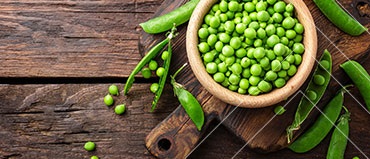
Pea Starch Market Forecast 2024–2029: Sustainability, Innovation & Demand Drivers
MarketsandMarkets™, 01 Oct 2025
The global pea starch market is on a strong growth trajectory, estimated at USD 426.9 million in 2024 and projected to reach USD 671.8 million by 2029, registering a CAGR of 9.5% during the forecast period. This surge is largely driven by the rising popularity of plant-based diets and the growing vegan population worldwide. Consumers are increasingly seeking healthier, ethically sourced, and environmentally friendly food options, which has fueled the demand for natural, allergen-free, and sustainable ingredients—qualities that make pea starch an ideal choice. Pea starch is not only plant-based but also gluten-free and non-GMO, meeting the needs of today’s conscious consumers.
Key Growth Drivers:
- Rise of Plant-Based Diets: Consumers are increasingly shifting toward plant-based nutrition, fueled by health awareness, ethical concerns, and environmental consciousness. Pea starch is naturally gluten-free, high in protein, and derived from sustainable crops — making it a preferred choice for food manufacturers.
- Functional Benefits: Pea starch provides functional advantages, including thickening, stabilizing, and enhancing texture in various food and beverage products. Its clean label and allergen-free properties make it an attractive option for manufacturers aiming to meet clean-label trends.
- Sustainability & Environment: Compared to traditional starch sources like corn or wheat, peas require less water and fertilizer to cultivate. This sustainability factor adds a compelling dimension to its market growth, particularly in regions that prioritize eco-friendly agricultural solutions.
Key Applications
Pea starch finds uses across multiple industries, including:
- Food & Beverage: Bakery goods, dairy alternatives, sauces, snacks, and confectionery products.
- Pharmaceuticals: Excipient for tablets and capsules.
- Packaging & Adhesives: Biodegradable packaging materials and eco-friendly adhesives.
- Other Industries: Textiles and paper manufacturing.
Download PDF Brochure: https://www.marketsandmarkets.com/pdfdownloadNew.asp?id=78961382
Yellow Peas Dominate the Market
Among different sources of pea starch, yellow peas are emerging as the dominant segment. Rich in protein and essential nutrients, yellow peas offer a sustainable alternative to traditional starch crops. They require less water and fewer chemical inputs, aligning perfectly with the growing consumer demand for eco-friendly and sustainable products.
Yellow pea starch finds versatile applications across the food and beverage industry and beyond, including non-food products like bioplastics. Companies are actively collaborating to improve yellow pea varieties. For instance, in September 2022, AGT Foods and Ingredients partnered with Equinox, an Israeli-based company specializing in breeding and genetics, to develop a new yellow pea variety suitable for growers in regions such as Manitoba, Saskatchewan, Alberta, North Dakota, and Montana.
Organic Segment Gaining Momentum
Health-conscious consumers are increasingly gravitating toward organic pea starch, driving the dominance of the organic segment in the market. Pesticide-free and sustainably grown, organic pea starch appeals to those who prioritize both health and environmental sustainability. Organic farming practices enhance soil health, biodiversity, and sustainability, while certification provides transparency and assurance regarding the quality and safety of the product.
North America Set for Rapid Growth in the Pea Starch Market (2024–2029)
The North American pea starch market is poised for remarkable growth between 2024 and 2029. This surge is driven largely by shifting consumer preferences toward healthier diets and an increasing awareness of the benefits of plant-based and gluten-free foods. As demand for alternative starches rises, pea starch is emerging as a key ingredient in diverse food applications.
The region’s robust food and beverage industry, known for innovating plant-based products, further fuels this trend. Pea starch is increasingly incorporated into plant-based meat alternatives, dairy substitutes, and gluten-free baked goods, where it enhances texture, stability, and overall quality.
Research and development in North America are also vital drivers, with companies focusing on the functional advantages of pea starch—such as emulsification, texture improvement, and shelf-life extension—in various food formulations. Strong domestic production, especially in Canada, ensures steady raw material supply, strengthening North America’s position as a leader in the global pea starch market. These combined factors position the region as the fastest-growing market for pea starch worldwide.
Leading Pea Starch Manufacturers:
The pea starch market is highly competitive, with several key players maintaining a global presence and diverse product portfolios. Notable companies include:
- Ingredion (US)
- Roquette Frères (France)
- Yantai Shuangta Food Co., Ltd (China)
- Ebro Foods, S.A. (Spain)
- Puris (US)
- DSM-Firmenich (Netherlands)
- AGT Food and Ingredients (Canada)
- Emsland-Stärke Gesellschaft (Germany)
- Cosucra (Belgium)
- Agrocorp International Pte Ltd (Singapore)
These industry leaders focus on research and development, product innovations, and strategic partnerships to enhance their market share. Through mergers, acquisitions, product launches, and collaborations, they continually expand their business reach while introducing new technologies and solutions to the market.
Future Outlook:
The future of the pea starch market looks promising as consumer preferences continue shifting toward healthier, plant-based foods. Ongoing innovations in product development and sustainable farming practices will further strengthen market growth. Companies investing in research for enhanced functional properties of pea starch are likely to gain a competitive edge.
Request Sample Pages: https://www.marketsandmarkets.com/requestsampleNew.asp?id=78961382
Pea Starch Market FAQs
1. What is pea starch, and why is it important in the food industry?
Pea starch is a carbohydrate extracted from yellow or green peas. It is widely used as a thickening, gelling, and stabilizing agent in food products. Its importance has grown due to the increasing demand for plant-based, gluten-free, and clean-label products.
2. What are the key applications of pea starch?
Pea starch is used in various industries, including:
- Food & Beverages: Bakery products, sauces, soups, snacks, dairy alternatives.
- Pharmaceuticals: As an excipient in tablets and capsules.
- Industrial Uses: Biodegradable packaging, adhesives, and paper coatings.
3. What are the major drivers of growth in the pea starch market?
- Rising demand for plant-based and gluten-free foods.
- Growing awareness about health benefits of pulses.
- Increased use of natural and sustainable ingredients in processed foods.
- Expansion of the food & beverage industry globally.
4. Which regions dominate the pea starch market?
North America and Europe are currently key markets due to higher adoption of plant-based diets and health-conscious consumers. Asia-Pacific is emerging as a high-growth region owing to expanding food processing industries.
5. Who are the major players in the pea starch market?
Some leading companies include Ingredion (US), Roquette Frères (France), Yantai Shuangta Food Co., Ltd (China), Ebro Foods, S.A. (Spain), Puris (US), Dsm-firmenich (Netherlands), AGT Food and Ingredients (Canada), Emsland-Stärke Gesellschaft (Germany), Cosucra (Belgium), Agrocorp International Pte Ltd (Singapore). These companies focus on product innovation and expanding production capacities to meet global demand.
6. How is the market expected to grow in the coming years?
The pea starch market is projected to witness steady growth, with a significant CAGR driven by the increasing popularity of plant-based foods and functional ingredients. Analysts estimate continued expansion in both developed and emerging economies.
7. What types of pea starch are available?
- Native pea starch: Extracted directly from peas without chemical modification.
- Modified pea starch: Chemically or physically altered for specific functional properties like enhanced gel strength or freeze-thaw stability.
8. What trends are shaping the pea starch market?
- Development of non-GMO and organic pea starch.
- Growing incorporation in vegan dairy and meat alternatives.
- Innovation in clean-label formulations that replace synthetic thickeners.
- Expansion into industrial applications like biodegradable plastics.
9. What challenges does the pea starch market face?
- Fluctuating pea crop yields due to climate variability.
- Higher cost compared to traditional starches like corn or wheat.
- Limited consumer awareness in certain regions about the benefits of pea starch.
10. How is sustainability influencing the market?
Pea starch is considered more environmentally friendly than starches derived from corn or potatoes due to lower water usage and nitrogen-fixing properties of peas. Companies are emphasizing eco-friendly production methods to meet sustainability goals.
About
80% of the Forbes Global 2000 B2B companies rely on MarketsandMarkets to identify growth opportunities in emerging technologies and use cases that will have a positive revenue impact.
RECENT POST
- Food Packaging Market Size Set for Strong Growth Through 2030 Amid Rising Demand for Convenience Foods
- Mulch Films Market: Driving Sustainable Agriculture Through Innovation
- Agricultural Adjuvants Market Analysis, Trends, and Growth Outlook (2026–2031)
- Crop Protection Chemical Market Size, Share & Growth Forecast (2025–2030)
- Japan Enterprise Asset Management Market Growth: AI and Smart Infrastructure Drive Demand

Emerging Trends and Growth Opportunities in the Pea Starch Market
For In-depth Analysis on Pea Starch Market
