

Plant-Based Supplements Market Outlook 2025–2030: Key Growth Drivers & Forecasts
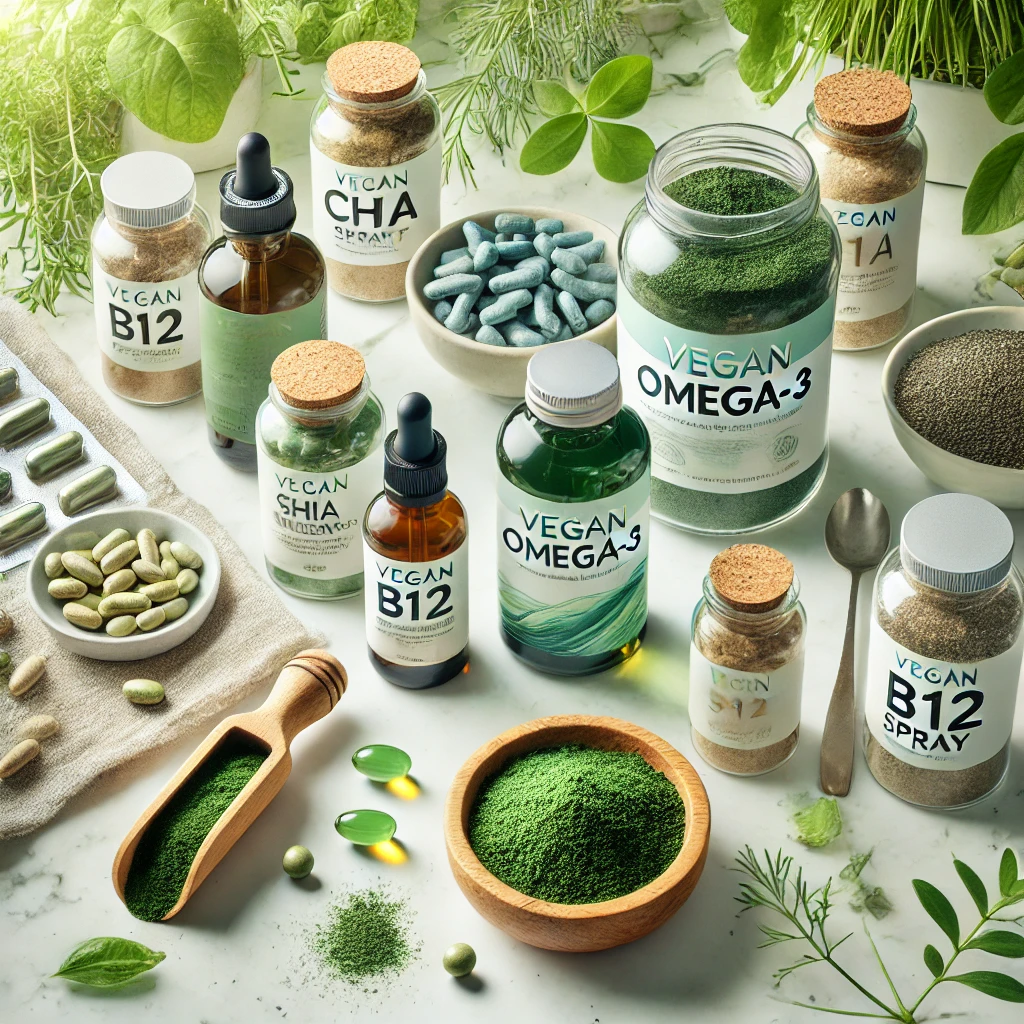
The plant-based supplements market is experiencing rapid growth, fueled by a global shift toward wellness, sustainability, and ethical consumption. Consumers are increasingly seeking alternatives to traditional animal-based supplements, driving demand for products derived from fruits, vegetables, herbs, and other plant sources. This blog explores the current state of the plant-based supplements market, emerging trends, growth drivers, and what the future holds.
Market Overview
The plant-based supplements market is poised for substantial growth, with its value projected to rise from USD 27.52 billion in 2025 to USD 42.27 billion by 2030, reflecting a healthy CAGR of 9.0%. This surge is driven by a broader consumer shift toward holistic wellness, sustainability, and clean-label products.
As more people embrace plant-centric lifestyles, there's a growing preference for natural and ethically produced supplements that support key aspects of health such as immunity, digestion, energy, and mental well-being. Consumers are moving away from synthetic alternatives in favor of botanical and organic options that align with their values.
This transformation is being accelerated by technological advancements in formulation, as well as increased accessibility of plant-based products both online and in retail environments. As the demand for transparency and wellness-oriented living continues to rise, the plant-based supplements market is set to thrive in the years ahead.
Download PDF Brochure: https://www.marketsandmarkets.com/pdfdownloadNew.asp?id=239782374
What’s Driving the Growth?
Several powerful factors are fueling the rise of this market:
- Shift Toward Holistic Wellness: Consumers are no longer just treating symptoms—they’re investing in prevention. Plant-based supplements are seen as safe, effective, and supportive of long-term well-being.
- Clean Label Movement: Today’s shoppers demand products that are free from artificial additives, GMOs, and synthetic chemicals. Plant-based supplements often boast clean, recognizable ingredients, aligning with these expectations.
- Rise of Vegan and Flexitarian Diets: The global shift toward veganism, vegetarianism, and flexitarian lifestyles has created a strong demand for plant-based alternatives across all health categories—from protein powders to immunity boosters.
- Environmental and Ethical Considerations: Consumers are more concerned than ever about the environmental impact of what they consume. Plant-based supplements generally require fewer resources and produce a smaller carbon footprint than animal-derived products.
Emerging Trends in the Plant-Based Supplements Market
- Clean Labels & Transparency: Consumers prefer products with transparent labeling, science-backed claims, and minimal artificial additives. Brands are responding by highlighting ingredient origins, certifications, and clinical evidence.
- Technological Innovation: Advances in extraction methods (e.g., supercritical CO2, cold-pressing) preserve nutrient potency and improve bioavailability. AI-driven personalization and blockchain for ingredient traceability are on the rise.
- Global Expansion: North America and Europe currently lead the market, but Asia-Pacific is rapidly catching up due to rising health consciousness, urbanization, and disposable incomes. Countries like India, Australia, and China are seeing significant growth in plant-based nutrition products.
Request Sample Pages: https://www.marketsandmarkets.com/requestsampleNew.asp?id=239782374
Pea Protein: A Leading Product in the Plant-Based Supplements Market
Among the various product types, pea protein holds a significant share in the plant-based supplements market. Its popularity stems from a balanced nutrient profile and increasing consumer demand for allergen-free options. Rich in essential amino acids—especially branched-chain amino acids (BCAAs) that aid muscle growth and recovery—pea protein is a preferred choice for fitness enthusiasts and health-conscious individuals alike.
Its hypoallergenic nature makes it ideal for those with soy, gluten, or lactose sensitivities. In addition, pea protein boasts good digestibility and a neutral taste, making it a versatile ingredient in shakes, protein bars, and dietary capsules. As clean-label trends and non-GMO preferences continue to shape consumer behavior, pea protein’s minimally processed nature resonates with environmentally and health-conscious buyers.
Online Retail: The Fastest-Growing Distribution Channel
E-commerce is rapidly transforming how consumers purchase plant-based supplements. With unmatched convenience and accessibility, online platforms offer a wide array of products that users can browse, compare, and evaluate from the comfort of their homes. Transparent ingredient lists, user reviews, and detailed product information further support informed purchasing decisions.
The ongoing expansion of internet access and growing digital literacy have accelerated the shift toward online retail. Moreover, features like subscription services and auto-replenishment options make it easier for customers to maintain consistent supplement routines. These advantages not only enhance user experience but also boost customer retention and brand loyalty, making online retail the fastest-growing distribution channel in the industry.
Top 10 Companies in the Plant-based Supplements Market
- Nestlé (Switzerland)
- Abbott (US)
- Glanbia PLC (Germany)
- Otsuka Holdings Co., Ltd. (Japan)
- Herbalife Ltd. (US)
- H&H Group (Hong Kong)
- Jamieson Wellness Inc. (Canada)
- Rootine (US)
- Ritual (US)
- NOW Foods (US)
Future Outlook
- Continued Growth: The plant-based supplements market is set for sustained expansion, driven by innovation, consumer education, and evolving dietary preferences.
- Focus on Sustainability: Zero-waste production, marine-safe packaging, and cradle-to-cradle certified products will become increasingly important.
- Personalization & Technology: AI-powered nutrition planning and personalized supplement regimens will define the next wave of market growth, offering consumers tailored solutions for holistic health.
Key Questions Addressed by the Plant-based Supplements Market Report:
- What is the projected growth of the plant-based supplements market?
- What factors are driving the growth of this market?
- Which regions are leading in market growth?
- What are the most popular types and formats of plant-based supplements?
- Who are the main consumers of plant-based supplements?
- What trends are shaping the future of the market?
- What challenges does the market face?
- What is the outlook for plant-based protein supplements specifically?
- How are companies responding to changing consumer preferences?
- What is the long-term forecast for the market?
80% of the Forbes Global 2000 B2B companies rely on MarketsandMarkets to identify growth opportunities in emerging technologies and use cases that will have a positive revenue impact.
- Food Packaging Market Size Set for Strong Growth Through 2030 Amid Rising Demand for Convenience Foods
- Crop Protection Chemical Market Size, Share & Growth Forecast (2025–2030)
- Mulch Films Market: Driving Sustainable Agriculture Through Innovation
- Agricultural Adjuvants Market Analysis, Trends, and Growth Outlook (2026–2031)
- Japan Enterprise Asset Management Market Growth: AI and Smart Infrastructure Drive Demand

Emerging Trends and Growth Opportunities in the Plant-based Supplements Market
