
Global Food Texture Market Trends: Growth, Opportunities, and Key Players
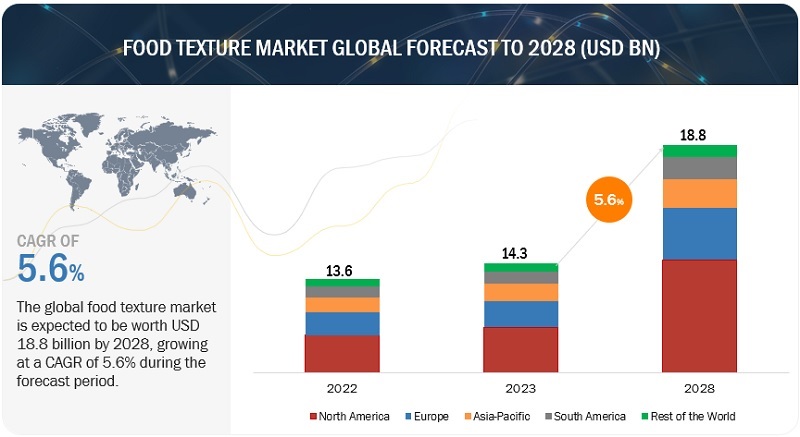
The global food texture market is undergoing steady growth, valued at USD 13.6 billion in 2022 and projected to reach USD 18.8 billion by 2028, expanding at a CAGR of 5.6% (2023–2028). This momentum is fueled by evolving consumer expectations, with food choices increasingly driven by diverse textures, unique mouthfeel, and novel sensory experiences.
Food texture modifiers—ranging from stabilizers to emulsifiers—play a vital role in enhancing taste, visual appeal, and consistency, making them indispensable across the food and beverage industry.
Key Market Drivers
1. Rise of Convenience & Ready-to-Eat Foods
Busy lifestyles and urbanization have boosted demand for ready meals and packaged food. Texturizers help ensure these products retain freshness, quality, and sensory appeal, making them more attractive to consumers.
2. Growing Demand for Premium and Artisanal Cuisines
Beyond functionality, texturizers are shaping aesthetic and culinary innovation. From molecular gastronomy to high-end dining, additives like agar-agar or sodium alginate are being used to deliver memorable dining experiences that surprise consumers.
3. Expanding Food Processing in Asia Pacific
With rising disposable incomes and a rich culinary heritage, Asia Pacific is set to register the highest food texture market growth. Regional preferences for experimental and healthier food textures are further boosting adoption.
Challenges Restraining Growth
- Regulatory Complexity: Strict and varying global food safety standards make compliance challenging.
- Taste & Perception Issues: Overuse of texturizers can affect flavor or create a sense of artificiality, forcing manufacturers to strike a delicate balance between texture and taste.
Request Specialized Data to Suit Your Business Requirements
Market Opportunities
- Functional & Plant-Based Beverages: As demand grows for protein shakes, smoothies, and dairy alternatives, texturizers are essential for creating creamy, stable formulations.
- Artisanal Food Experiences: From gourmet bakeries to premium confectionery, texturizers are enhancing visual appeal and sensory enjoyment.
Competitive Landscape
The industry remains competitive, with ADM, IFF, Kerry Group, Ingredion, Tate & Lyle, and Ajinomoto among the top food texture companies. Strategic moves, such as Ajinomoto’s launch of NIKUPLUS for meat texture enhancement and Nexira’s acquisition of UNIPEKTIN Ingredients, highlight the industry’s push toward innovation and portfolio expansion.
Collectively, these players control around 40–45% of the food texture market share, underscoring both consolidation and dynamism.
As consumers embrace new culinary experiences, the food texture industry is no longer just about stability—it’s about storytelling through taste and texture. From creamy beverages to artisanal dining, texture is emerging as the bridge between consumer curiosity and food innovation.
The food texture market size is shaped by a mix of global leaders and regional innovators.
With regulatory challenges and consumer scrutiny around artificial ingredients, companies that balance natural appeal with functional excellence will be best positioned to lead the next phase of growth.
Frequently Asked Questions
Q1. What is driving the growth of the global food texture market?
The growth is driven by rising demand for convenience foods, premium and artisanal cuisines, and functional beverages that require enhanced texture and sensory appeal.
Q2. Which region is expected to witness the highest food texture market growth?
Asia Pacific is expected to register the highest growth due to increased disposable income, expanding food processing industries, and diverse consumer preferences for innovative textures.
Q3. Who are the key food texture companies in the market?
Leading players include ADM, IFF, Kerry Group, Ingredion, Tate & Lyle, and Ajinomoto. These companies dominate the food texture market share and continue to innovate through acquisitions and product launches.
Q4. What challenges affect the food texture market size?
Regulatory complexities, compliance with international standards, and potential negative impacts on taste and sensory perception can affect overall food texture market size and product acceptance.
Q5. Which application segment contributes most to the food texture market?
The beverage segment holds significant share, including protein shakes, smoothies, and plant-based alternatives, where texture-modifying ingredients enhance mouthfeel and product appeal.
80% of the Forbes Global 2000 B2B companies rely on MarketsandMarkets to identify growth opportunities in emerging technologies and use cases that will have a positive revenue impact.
- Food Packaging Market Size Set for Strong Growth Through 2030 Amid Rising Demand for Convenience Foods
- Crop Protection Chemical Market Size, Share & Growth Forecast (2025–2030)
- Mulch Films Market: Driving Sustainable Agriculture Through Innovation
- Agricultural Adjuvants Market Analysis, Trends, and Growth Outlook (2026–2031)
- Japan Enterprise Asset Management Market Growth: AI and Smart Infrastructure Drive Demand

