
Global Vegan Protein Market Outlook: Growth Drivers & Future Opportunities
As consumer preferences continue to evolve, the vegan protein market is experiencing unprecedented growth. With a global shift toward sustainable, ethical, and health-conscious consumption, plant-based protein sources are gaining significant traction across the food and beverage, supplement, and functional food industries.
What is Vegan Protein?
Vegan protein refers to protein that comes entirely from plant-based sources and contains no animal-derived ingredients. It's used as an alternative to animal proteins like meat, dairy, and eggs and is popular among people who follow vegan or vegetarian diets, or those seeking more sustainable and ethical food choices.
Common Sources of Vegan Protein:
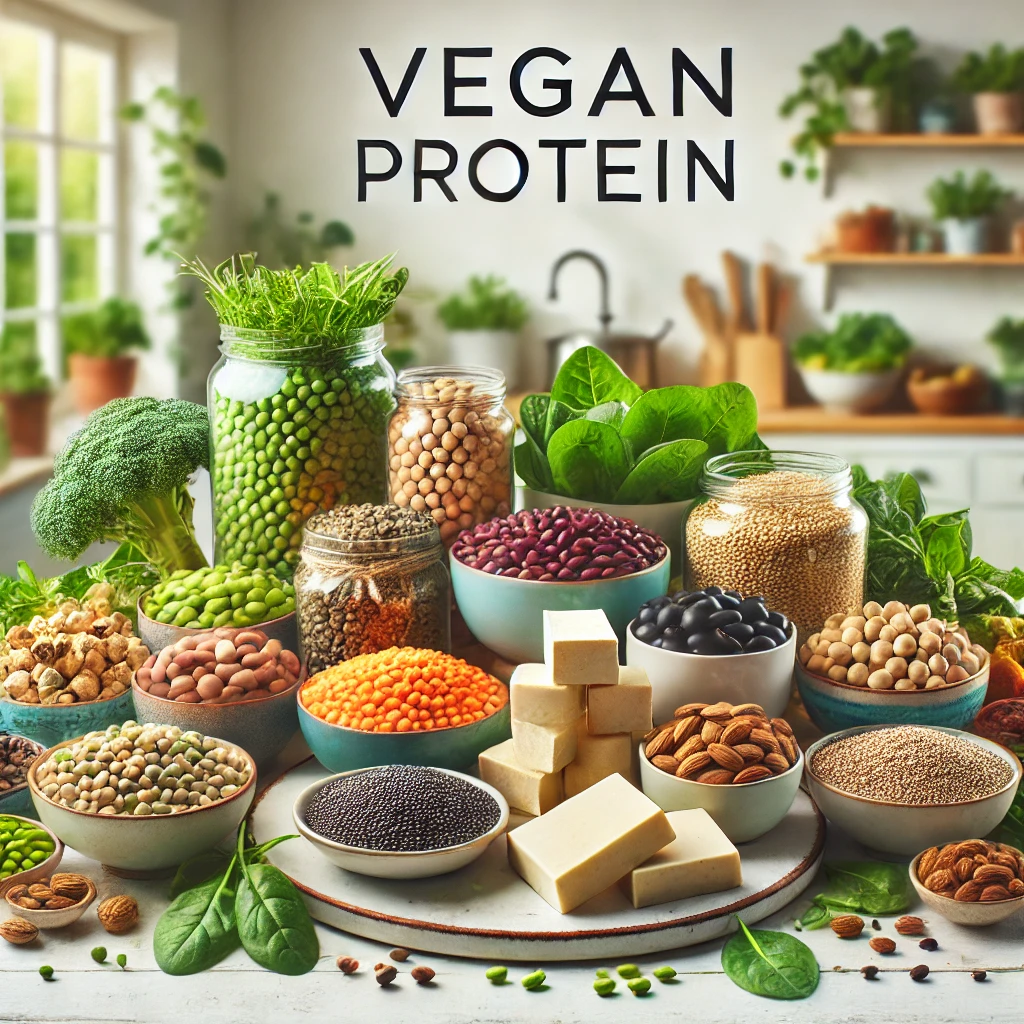
- Legumes (e.g., lentils, chickpeas, black beans)
- Soy products (e.g., tofu, tempeh, edamame)
- Grains (e.g., quinoa, brown rice, oats)
- Nuts and seeds (e.g., almonds, chia seeds, hemp seeds)
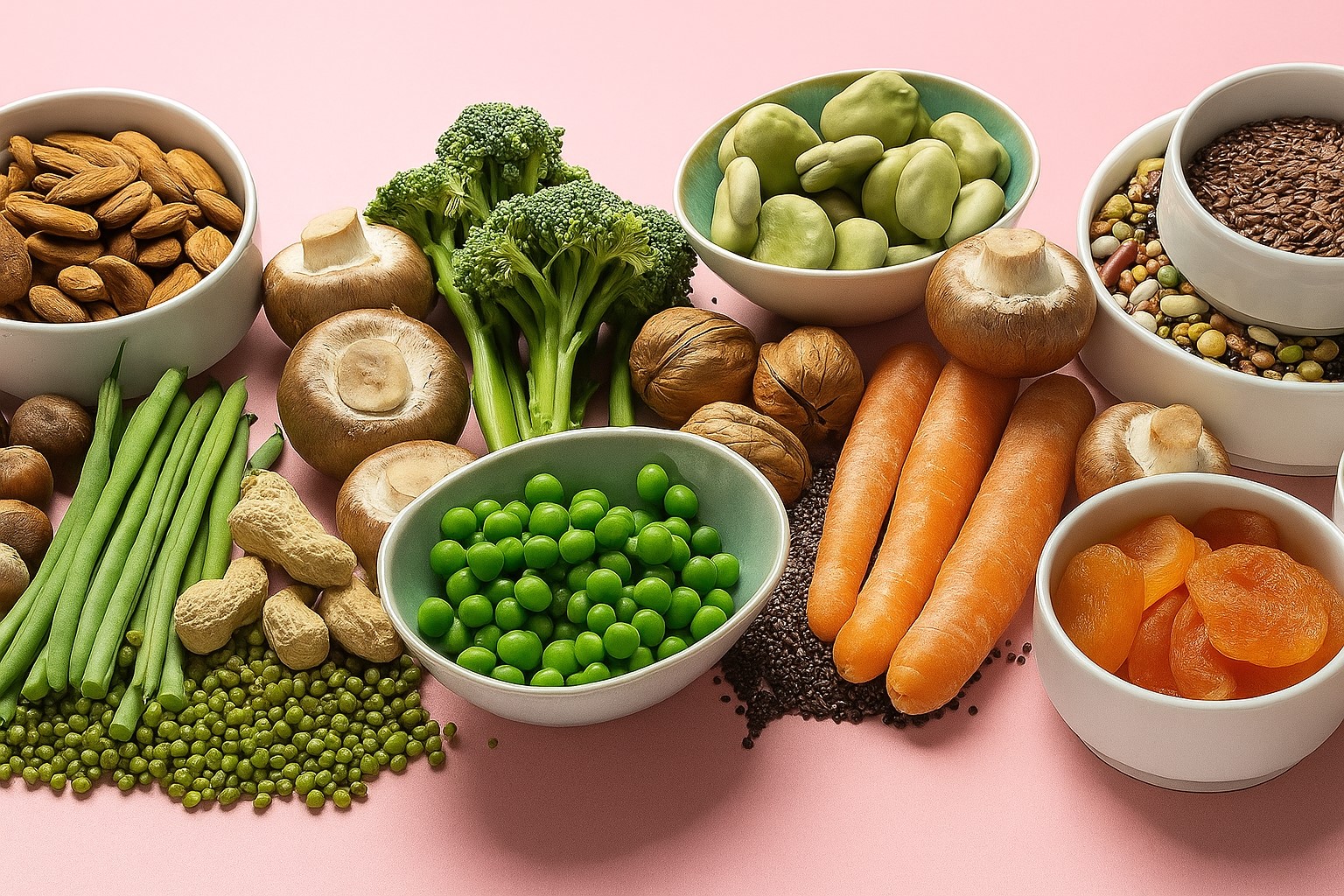
- Vegetables (e.g., spinach, broccoli, peas)
- Plant-based protein powders (e.g., pea protein, rice protein, hemp protein)
Benefits of Vegan Protein:
- Lower in saturated fat and cholesterol
- Higher in fiber and phytonutrients
- Environmentally sustainable (requires less water, land, and emits fewer greenhouse gases)
- Suitable for people with lactose intolerance or dairy allergies
Vegan Protein Market Growth Drivers
- Rising Health Awareness: Consumers are increasingly aware of the health benefits associated with plant-based diets, including reduced risks of heart disease, diabetes, and obesity. Vegan protein products are often cholesterol-free, low in saturated fats, and rich in fiber.
- Environmental and Ethical Concerns: The environmental impact of animal agriculture has become a major concern. Vegan proteins require fewer resources—such as water and land—and produce significantly lower greenhouse gas emissions, making them a more sustainable choice.
- Growth in Vegan and Flexitarian Populations: The rise of flexitarianism—where consumers reduce meat intake without fully eliminating it—has widened the appeal of plant-based proteins beyond the vegan community.
- Innovation in Food Technology: Companies are investing in R&D to improve the taste, texture, and functionality of vegan proteins. Enhanced formulations and new delivery formats (e.g., bars, shakes, snacks) are attracting a broader consumer base.
Market Segmentation
- By Source: Soy protein dominates the market, but pea protein is growing rapidly due to its non-allergenic properties. Other emerging sources include rice, hemp, chickpea, and quinoa.
- By Application:
-
o Food & Beverages: Vegan protein is commonly used in bakery, dairy alternatives, snacks, and meat substitutes.
o Dietary Supplements: Widely used by athletes and health-conscious individuals.
o Personal Care: Plant proteins are increasingly incorporated into cosmetic and skincare products for their natural and nourishing properties.
-
- By Region: North America leads the market due to a mature consumer base and high demand for clean-label products. Europe follows closely, with rapid expansion in the Asia-Pacific region driven by urbanization, increasing income levels, and changing dietary habits.
Emerging Trends in the Vegan Protein Market
The vegan protein market is undergoing a transformative phase, driven by shifting consumer preferences, innovations in food technology, and increasing awareness around sustainability. As plant-based diets gain mainstream popularity, several key trends are shaping the future of vegan protein products:
- Diversification of Protein Sources: While soy and pea proteins have long dominated the space, there is growing interest in alternative plant-based protein sources such as chickpeas, mung beans, fava beans, lentils, oats, quinoa, hemp, and even watermelon seeds. This diversification not only meets nutritional needs but also reduces allergen-related concerns and promotes biodiversity in agriculture.
- Fermentation and Cellular Agriculture: Precision fermentation and microbial proteins are gaining momentum as they offer high nutritional quality, scalability, and lower environmental impact. Startups are using fermentation techniques to produce animal-free proteins that mimic the taste and texture of dairy or meat-based proteins without animal involvement.
- Clean Label and Minimal Processing: Today’s consumers are more label-conscious than ever. There is rising demand for vegan protein products with short ingredient lists, no artificial additives, and minimal processing. Brands are focusing on transparency, clean-label certifications, and organic sourcing to cater to health-conscious consumers.
- Hybrid Products: A new category of hybrid protein products—combining plant proteins with other functional ingredients like mushrooms, seaweed, or fermented components—is emerging. These products offer enhanced flavor, improved nutritional profiles, and better texture while appealing to flexitarians and health enthusiasts.
- High-Protein Snacking and Ready-to-Eat Meals: The snacking segment is witnessing a boom in high-protein vegan options such as bars, chips, cookies, and shakes. Consumers are also gravitating toward convenient, protein-rich vegan ready meals, which provide functional benefits without compromising on taste or convenience.
- Functional and Fortified Formulations: The market is seeing a rise in protein products fortified with vitamins, minerals, and adaptogens to target specific health benefits—ranging from muscle recovery and immunity to gut health and cognitive function.
- Sustainability as a Core Value: Sustainability is no longer a bonus—it’s a requirement. Consumers are seeking vegan proteins with low carbon footprints, ethical sourcing, water efficiency, and sustainable packaging. Lifecycle assessments and carbon labeling are gaining traction among eco-aware shoppers.
- Tech-Driven Innovation and Personalization: AI, biotechnology, and machine learning are being used to formulate customized protein blends based on dietary preferences, lifestyle, and even genetic makeup. Personalization is emerging as a premium value offering in the vegan protein space.
Leading Vegan Protein Companies:
Key Market Players in this include Tate & Lyle PLC (London), Kerry Group PLC (Ireland), DSM Firmenich (Switzerland, ADM (US), Cargill Incorporated (US), International Flavors & Fragrances Inc. (US), Ingredion (US), Roquette Frères (France), Wilmar International Ltd. (Singapore), Glanbia plc (Ireland), Kerry Group PLC (Ireland), DSM-Firmenich (Switzerland), AGT Food and Ingredients (Canada), Burcon NutraScience Corporation (Canada), Emsland Group (Germany), PURIS (US), COSUCRA (Belgium), Tate & Lyle (UK).
Key Questions Addressed by the Vegan Protein Market Report:
- What is the vegan protein market?
- What are the main drivers of market growth?
- Who are the main consumers of vegan protein products?
- What are the most popular sources of vegan protein?
- What are the main applications of vegan protein?
- What challenges does the vegan protein market face?
- How do vegan proteins compare nutritionally to animal proteins?
- What trends are shaping the future of the vegan protein market?
- Which regions are leading the vegan protein market?
80% of the Forbes Global 2000 B2B companies rely on MarketsandMarkets to identify growth opportunities in emerging technologies and use cases that will have a positive revenue impact.
- Food Packaging Market Size Set for Strong Growth Through 2030 Amid Rising Demand for Convenience Foods
- Mulch Films Market: Driving Sustainable Agriculture Through Innovation
- Agricultural Adjuvants Market Analysis, Trends, and Growth Outlook (2026–2031)
- Crop Protection Chemical Market Size, Share & Growth Forecast (2025–2030)
- Japan Enterprise Asset Management Market Growth: AI and Smart Infrastructure Drive Demand

Emerging Trends and Growth Opportunities in the Vegan Protein Market
For In-depth Analysis on Vegan Protein Market
