

Gluten-Free Products Market Trends to Watch in 2025 and Beyond
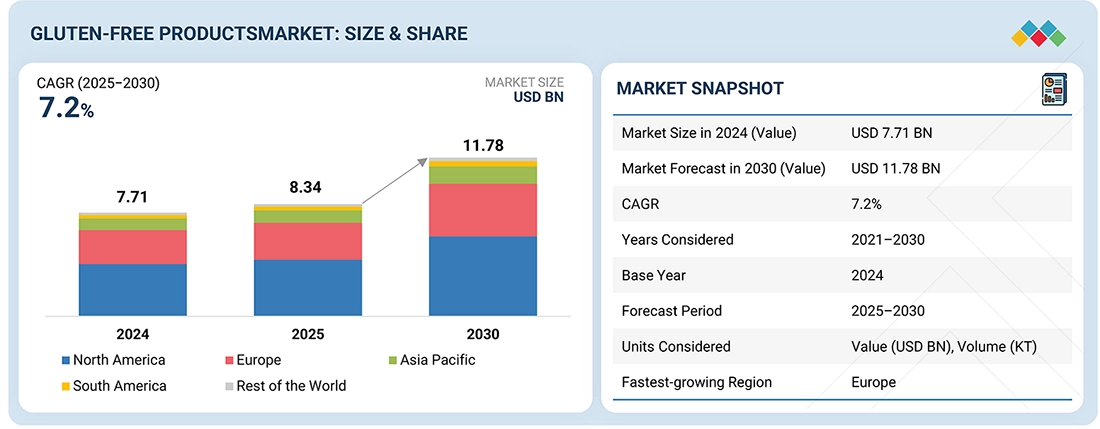
The global gluten-free products market is experiencing remarkable momentum. According to a recent report by MarketsandMarkets, the market—valued at USD 7.70 billion in 2024—is projected to climb to USD 11.48 billion by 2029, growing at a strong CAGR of 8.3%. What was once a niche dietary preference has now become a mainstream lifestyle choice, fueled by evolving consumer habits and innovations from food brands worldwide. This surge highlights not only the gluten-free products market size but also its expanding gluten-free products market share across key regions.
Why Gluten-Free is Gaining Ground
Gluten-free products are no longer purchased solely by individuals with celiac disease. Today, many consumers associate gluten-free diets with better digestion, higher energy, and overall wellness. The rise of health-conscious, fitness-oriented lifestyles is amplifying this demand, while increasing awareness of gluten sensitivity continues to shape purchasing decisions.
Leading food brands are responding with creative launches. For example:
- The Kraft Heinz Company (US) introduced Fudge n' Vanilla French Fry Pop, blending vanilla oat milk with a chocolate fudge shell.
- The Hain Celestial Group (US) rolled out Garden Veggie Flavor Burst Tortilla Chips, made with vegetable-based flavors.
These products highlight how innovation and allergen-friendly indulgence are expanding the gluten-free products market growth.
Specialty Stores Drive Market Growth
Among distribution channels, specialty stores are maintaining a strong foothold. Bakeries, gourmet shops, and confectionery outlets cater directly to gluten-free preferences with curated offerings and personalized service.
- Bakery stores appeal with fresh, locally tailored gluten-free baked goods.
- Gourmet stores attract health-focused shoppers with premium selections.
- Confectionery outlets provide indulgent gluten-free sweets for those with dietary restrictions.
Retailers like Whole Foods Market have expanded their gluten-free assortments, reinforcing their position as trusted destinations for consumers seeking reliable alternatives.
For complete details, access your PDF copy here
Pizzas & Pastas Hold a Key Segment Share
One of the standout categories in this market is gluten-free pizzas and pastas. Their versatility and popularity keep them in high demand, offering consumers the comfort of traditional Italian cuisine without the gluten.
- In March 2024, Kraft Heinz introduced KD Gluten Free Mac 'n' Cheese, a direct response to the growing appetite for gluten-free yet flavorful meals.
- Other players, such as Conagra Brands (US) and Silly Yaks (Australia), continue to diversify their gluten-free pasta and pizza offerings.
This segment remains critical to growth, driven by convenience and strong consumer loyalty, reflecting broader gluten-free products market trends.
Italy Leads the European Gluten-Free Market
In Europe, Italy is emerging as a leader in gluten-free products, thanks to its long-standing culinary traditions and rapid adaptation to gluten-free alternatives.
Italian companies such as Farmo S.p.A., Dr. Schär AG/SPA, and Barilla G. e R. F.lli S.p.A. dominate the regional landscape with extensive product portfolios and strong distribution networks. From gluten-free bakery staples to premium pasta lines, these brands are setting benchmarks for quality and innovation in the European market.
Key Players Shaping the Market
Global leaders, or gluten-free products companies, are also making their mark, including:
- The Kraft Heinz Company (US)
- The Hain Celestial Group (US)
- General Mills Inc. (US)
- Conagra Brands, Inc. (US)
- Kellanova (US)
- Barilla G. e R. F.lli S.p.A. (Italy)
- Dr. Schär AG/SPA (Italy)
- Raisio Oyj (Finland)
- Ecotone (France)
- Enjoy Life (US)
- Genius Food (UK)
- Silly Yaks (Australia)
These companies are competing through product innovation, wider availability, and consumer-focused marketing strategies to capture the rising gluten-free demand. The gluten-free products market is no longer just about dietary necessity—it’s about lifestyle, innovation, and accessibility. With specialty retailers expanding options, pizzas and pastas driving convenience, and European leaders like Italy setting trends, the market is on a solid growth path. For food manufacturers and retailers, now is the time to invest in gluten-free innovation and seize the momentum of this expanding global market.
Frequently Asked Questions (FAQs)
- What is driving the growth of the gluten-free products market?
- Which types of gluten-free products are most popular among consumers?
- How are specialty stores contributing to gluten-free product sales?
- What role do pizzas and pastas play in the gluten-free market?
- Which countries are leading the gluten-free products market in Europe?
- Who are the key players in the global gluten-free products market?
- How are new product innovations influencing consumer demand?
- What are the latest gluten-free products market trends?
- How is consumer awareness of gluten sensitivity affecting the market?
- What strategies are gluten-free products companies using to expand their market share?
- How is the global gluten-free products market size expected to evolve by 2029?
- What distribution channels are most effective for gluten-free products?
- How do bakery stores and gourmet outlets impact consumer choices?
- What role does convenience play in the growth of gluten-free pizzas and pastas?
- How are health-conscious and fitness-oriented consumers shaping the gluten-free products market?
80% of the Forbes Global 2000 B2B companies rely on MarketsandMarkets to identify growth opportunities in emerging technologies and use cases that will have a positive revenue impact.
- Food Packaging Market Size Set for Strong Growth Through 2030 Amid Rising Demand for Convenience Foods
- Mulch Films Market: Driving Sustainable Agriculture Through Innovation
- Agricultural Adjuvants Market Analysis, Trends, and Growth Outlook (2026–2031)
- Crop Protection Chemical Market Size, Share & Growth Forecast (2025–2030)
- Japan Enterprise Asset Management Market Growth: AI and Smart Infrastructure Drive Demand

