Bulk Filtration Market

Bulk Filtration Market by Fluid Type (Fuel, Lubricant, Hydraulic Fluid), End-use Industry (Machinery & Equipment, Commercial Marine, Oil & Gas), Application (Mobile, Bulk Storage, Process), Filtration System, Mounting Type, Type, Region - Global Forecast to 2031




OVERVIEW
Source: Secondary Research, Interviews with Experts, MarketsandMarkets Analysis
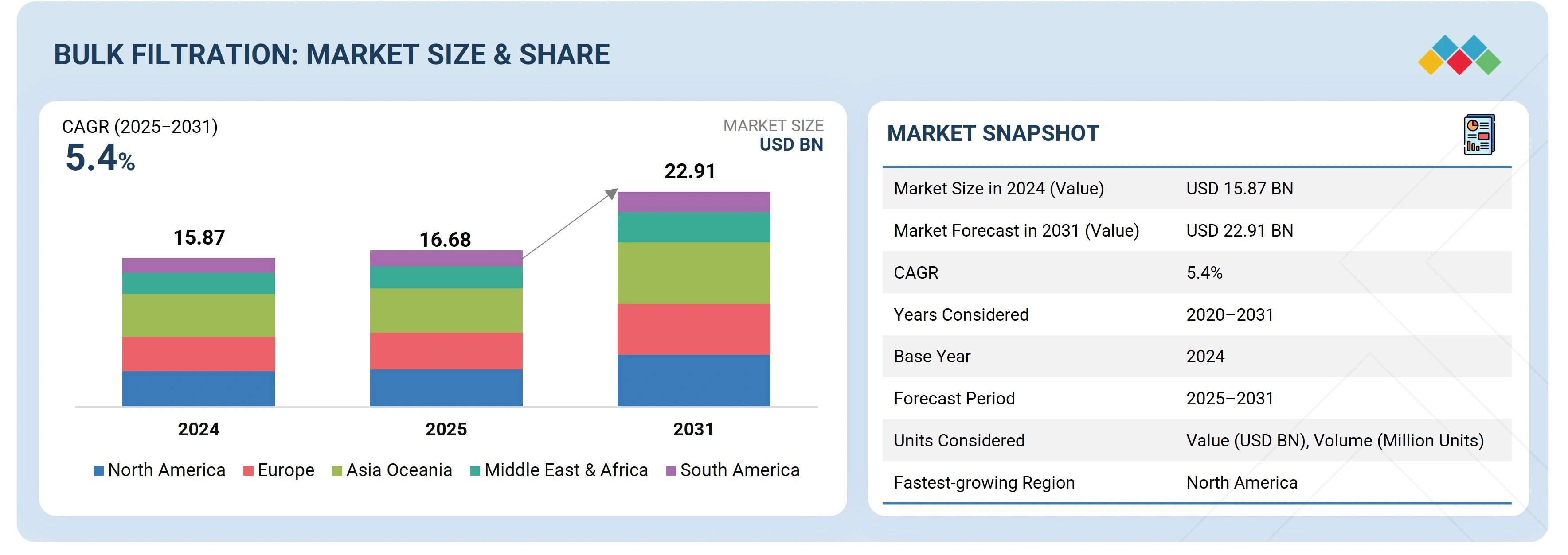
The bulk filtration market is projected to reach USD 22.91 billion by 2031 from USD 15.87 billion in 2024, at a CAGR of 5.4% from 2024 to 2031. Bulk filtration involves the removal of impurities, particulates, and contaminants from large volumes of fluids such as lubricants, fuels, hydraulic oils, water, and process liquids, ensuring system reliability and product quality across industrial and marine applications.
Market Size and Forecast:
- 2025 Market Size: USD 16.68 Billion
- 2031 Projected Market Size: USD 22.91 Billion
- Growth Rate (2025-2031): CAGR of 5.4%
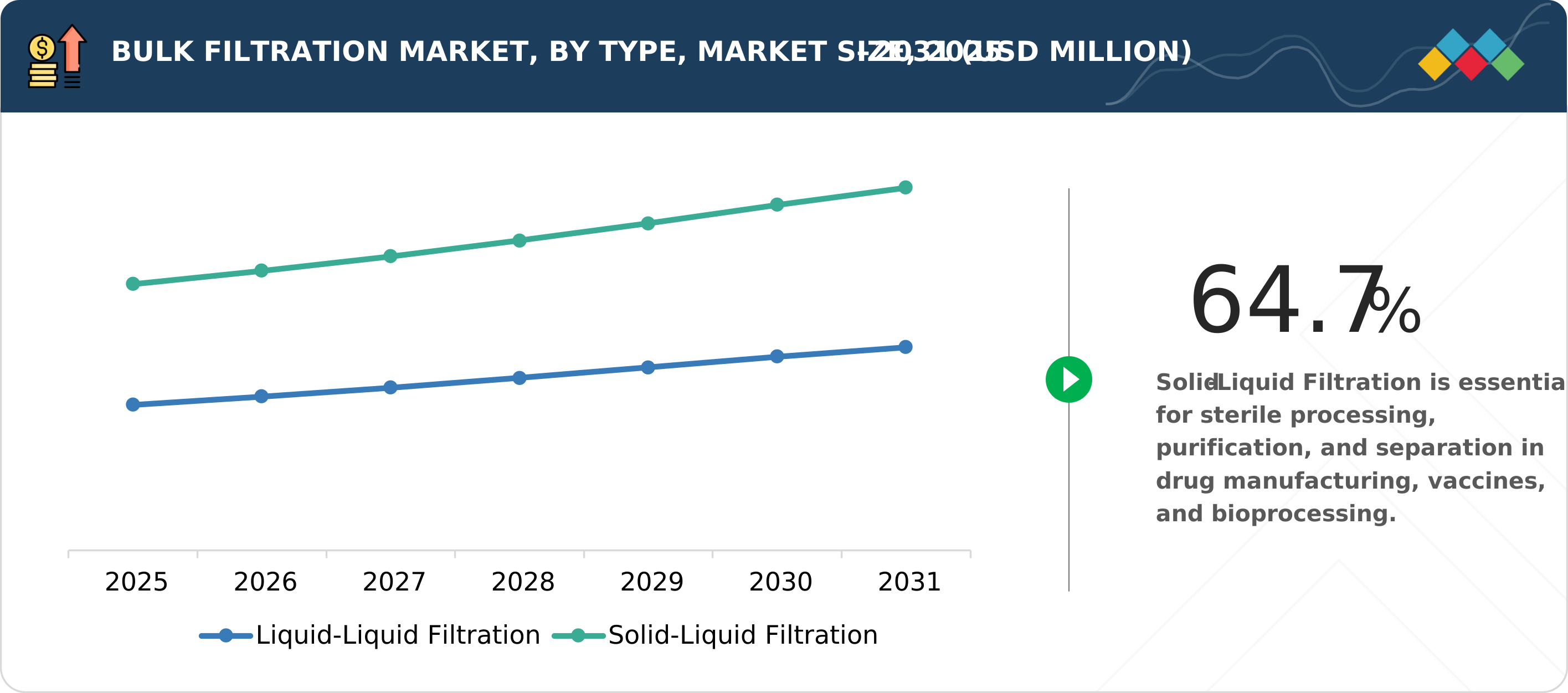
- Solid-liquid filtration segment is expected to account for the largest market share during the forecast period
- Commercial marine segment is projected to be both the largest and fastest-growing end-use industry
- Forecast period: 2025–2031
- Asia Oceania is estimated to account for the largest market share by 2031
- Fuels segment held the largest share of 42.5% in 2024 due to increasing demand for cleaner fuel handling systems
- Cartridge filters dominated the filtration system segment with a market share of 35.6% in 2024
Key Market Trends and Insights:
- Market Growth: Increasing focus on equipment reliability and reduced downtime is driving the adoption of advanced bulk filtration systems across industries
- Growing Trends: Commercial marine remains the fastest-growing end-use sector, fueled by the need for cleaner fuels, lubricants, and uninterrupted vessel operations
- Growth Opportunities: Growing emphasis on environmental compliance and sustainability is accelerating investments in efficient filtration technologies
- Market Share Analysis: Advanced filtration media, including high-performance cartridge filters and membrane technologies, are improving contaminant removal efficiency
- Integration of IoT-enabled monitoring, automation, and predictive maintenance capabilities is transforming filtration system management
- Demand for customized filtration solutions designed for harsh industrial environments is creating new growth opportunities
- Asia Oceania continues to lead market growth, supported by rapid industrialization, expanding marine activities, and increasing infrastructure investments
KEY TAKEAWAYS
-
BY TYPESolid-Liquid filtration dominated the market with a share of 64.8% in 2024.
-
BY FILTRATION SYSTEMCartridge filters held the largest share of the bulk filtration market with a 35.6% share in 2024.
-
BY APPLICATIONThe mobile application segment held the largest share in the bulk filtration market with a market share of 47.2% in 2024.
-
BY END-USE INDUSTRYThe commercial marine sector is the largest and fastest-growing end-use industry in the bulk filtration market.
-
BY FLUID TYPEThe fuels segment held the largest market share of 42.5% in 2024.
-
BY MOUNTING TYPEThe non-onboard segment dominated the market with a share of 52.8% in 2024.
-
BY REGIONBased on region, Asia Oceania is estimated to account for the largest market share in 2031.
The market growth is driven by increasing demand in industries such as manufacturing, power generation, oil & gas, chemicals, and commercial marine, where equipment longevity and efficiency are critical. Additionally, stringent environmental regulations, technological advancements in filter media, and the growing adoption of sustainable practices are accelerating the use of bulk filtration systems worldwide.
TRENDS & DISRUPTIONS IMPACTING CUSTOMERS' CUSTOMERS
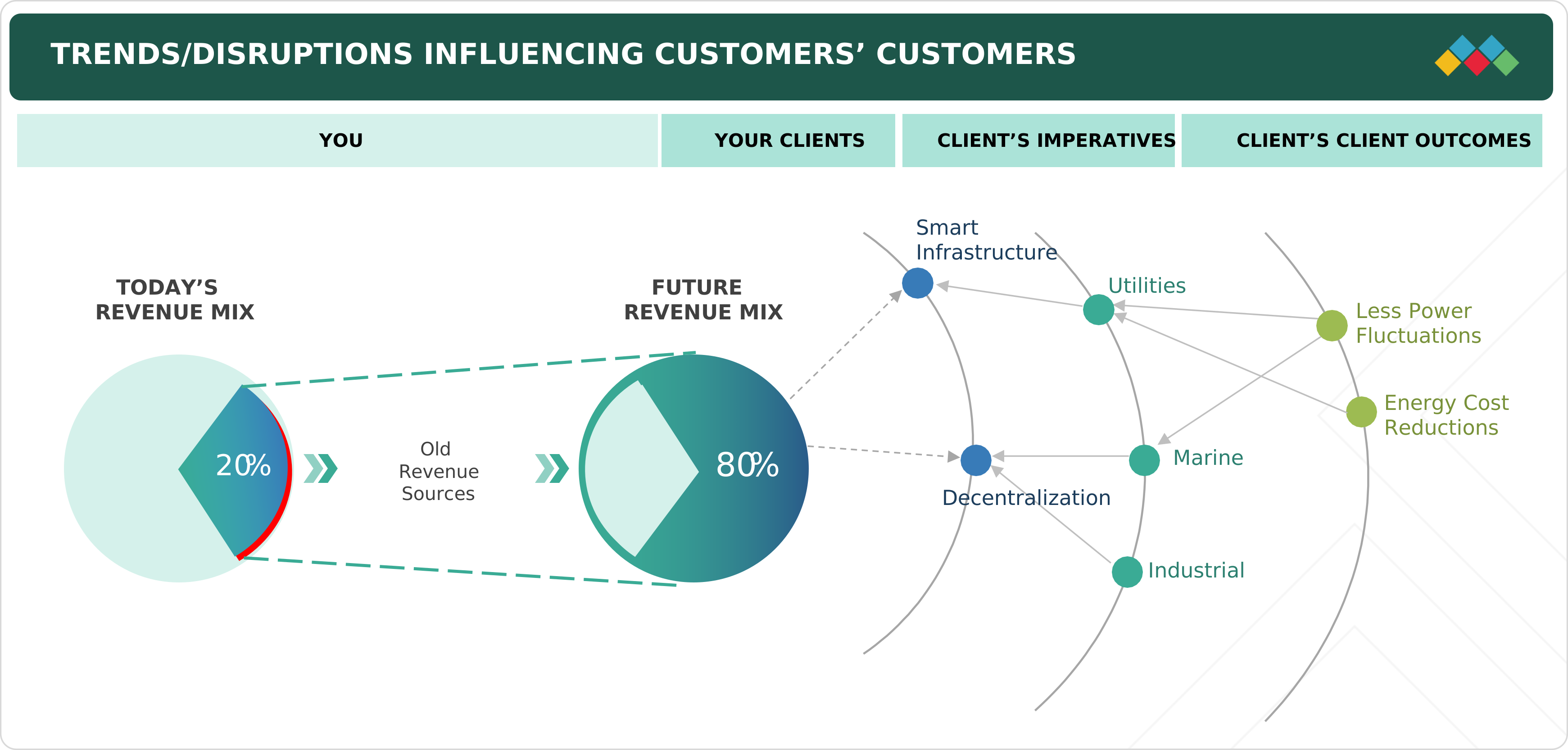
The bulk filtration market is expected to expand at a CAGR of 5.4% during the forecast period. Leading industry players such as Parker Hannifin Corp, Donaldson Company, Inc., HYDAC International GmbH, and Pall Corporation are actively diversifying their product and service offerings across the value chain to unlock new revenue streams. In addition, these companies are transitioning from conventional operations to digital platforms and are increasingly integrating advanced bulk filtration technologies into their portfolios.
Source: Secondary Research, Interviews with Experts, MarketsandMarkets Analysis
MARKET DYNAMICS

Level
-
Expansion of commercial marine, power generation, and other key sectors

-
Stringent regulations and increasing focus on environmental sustainability


Level
-
High operational and maintenance cost

-
Variability in raw material prices


Level
-
Advancement in filtration technologies

-
Customization solutions for harsh environments


Level
-
Complexity of filtration requirements

Source: Secondary Research, Interviews with Experts, MarketsandMarkets Analysis
Driver: Expansion of commercial marine, power generation, and other key sectors
The bulk filtration market is gaining significant traction worldwide, propelled by rapid industrialization, urban expansion, and a stronger emphasis on environmental sustainability. Both developed and emerging economies are adopting advanced bulk filtration systems to efficiently handle large volumes of fuels, lubricants, and industrial fluids. In Asia Pacific, surging industrial activity in China, India, and Southeast Asia is boosting demand across power generation, steel, automotive, and oil & gas industries. In the Americas, rising investments in infrastructure modernization and upgrades to industrial and energy facilities are creating major growth opportunities for filtration solutions. By protecting equipment, enhancing product quality, and reducing downtime, bulk filtration has become a critical enabler of productivity in high-output sectors. At the same time, stricter environmental policies, such as the U.S. EPA’s Clean Water Act and the EU’s Industrial Emissions Directive (IED), are compelling industries to adopt reliable, advanced filtration systems to curb emissions and limit industrial discharge. Beyond compliance, companies are increasingly leveraging bulk filtration to advance sustainability goals by reducing waste, improving fluid efficiency, and extending machinery lifespan.
Restraint: High operational and maintenance cost
Operational and maintenance expenses pose a major challenge in the bulk filtration market. Implementing advanced systems, such as membrane-based, nanofiber, or automated solutions, requires substantial upfront investment. In addition to installation costs, these systems demand ongoing monitoring, specialized technical expertise, and routine servicing, all of which increase operational spending. Issues like membrane fouling, cartridge clogging, and frequent media replacement add to recurring costs, while unexpected equipment failures can lead to expensive downtime. In sectors such as power generation, oil & gas, and heavy manufacturing, harsh operating conditions accelerate equipment wear, driving up repair and replacement needs. Furthermore, the energy-intensive nature of large-scale bulk filtration adds another layer of cost pressure. For companies in cost-sensitive industries, balancing significant capital outlay with recurring operational expenses often complicates the adoption of advanced bulk filtration technologies, limiting broader market penetration.
Opportunity: Advancement in filtration technologies
Advancements in bulk filtration technologies are unlocking significant growth opportunities by improving efficiency, durability, and customization for diverse applications. Breakthroughs in filtration media, such as high-performance nanofibers, next-generation membranes, and composite materials, enable precise contaminant removal, reducing equipment wear and extending the lifespan of industrial and marine systems. The integration of IoT-enabled sensors and smart monitoring platforms supports real-time filter diagnostics, predictive maintenance, and optimized scheduling, helping minimize downtime and cut maintenance expenses. Modern bulk filtration systems are also being designed to be modular and scalable, allowing seamless adaptation to different flow rates, fluid types, and operating conditions. Innovations like self-cleaning features, reusable filter elements, and energy-efficient configurations further enhance sustainability by lowering waste and reducing energy consumption. In sectors with high operational demands, such as oil & gas, marine transport, power generation, and heavy manufacturing, these technologies not only support compliance with stricter environmental regulations but also drive operational excellence. By embracing advanced bulk filtration solutions, companies can streamline processes, lower costs, and ensure long-term resilience, positioning themselves to leverage the expanding opportunities in the global filtration market.
Challenge: Complexity of filtration requirements
The bulk filtration market faces rising challenges due to the increasing complexity of filtration requirements across industrial and marine sectors. Fluids such as fuels, lubricants, hydraulic oils, process water, and chemicals each exhibit unique contamination characteristics, viscosities, and performance demands, necessitating highly tailored filtration solutions. Designing systems that can effectively capture diverse particulates while sustaining optimal flow rates, minimizing pressure drops, and integrating seamlessly with existing equipment is technically intensive. In addition, many industries require multi-stage or customizable filtration configurations to meet stringent regulatory standards and maximize efficiency, further increasing system design and operational complexity. This heightened sophistication not only drives up capital and maintenance costs but also calls for advanced technical expertise, creating obstacles for organizations with limited in-house capabilities.
Bulk Filtration Market: COMMERCIAL USE CASES ACROSS INDUSTRIES
| COMPANY | USE CASE DESCRIPTION | BENEFITS |
|---|---|---|
 |
An automotive parts washing OEM in Asia was facing persistent challenges with fluid contamination that affected the cleanliness of parts and disrupted operational efficiency. The bag filters used in the system proved inadequate for capturing contaminants during the recirculation of washing fluids. As a result, the OEM experienced compromised product quality, increased rejection rates, and rising maintenance expenses. The company needed a more reliable filtration solution that could deliver consistent cleanliness while reducing overall operational costs. | To overcome these issues, the OEM collaborated with Pall to implement an advanced filtration system. The introduction of Pall Marksman's filters delivered a tenfold improvement in filtration efficiency and a sixfold increase in dirt-holding capacity compared to the previous bag filters. This upgrade ensured effective contaminant removal, enabling consistently cleaner parts, improved product quality, and a significant reduction in operating costs. By adopting Pall Marksman's filters, the OEM not only streamlined its washing process but also strengthened its competitive position by achieving higher reliability, greater efficiency, and enhanced customer satisfaction. |
 |
After completing a charter in West Africa, a 3,000-tonne vessel experienced severe fuel contamination. Prolonged exposure to high heat and humidity had resulted in sludge, water, and microbial growth across all seven fuel tanks. This contamination caused unplanned maintenance, repeated breakdowns, and extended downtime, leaving the vessel out of service. The complexity of the challenge was heightened by the varying sizes and locations of the tanks, along with the need to manage large volumes of fuel safely during cleaning. | SDM Fuel Solutions resolved the issue by implementing a specialized fuel transfer strategy that utilized the vessel’s own fuel system to move fuel between tanks, creating safe conditions for manned entry and cleaning. Drawing on their marine expertise, the team successfully cleaned each tank despite the operational challenges. During the process, more than 90,000 liters of contaminated marine gas oil (MGO) were recovered, generating cost savings of over £50,000 for the client. The operation was completed in under 10 days, enabling the vessel to return to service and depart for its next charter four days ahead of schedule. |
Logos and trademarks shown above are the property of their respective owners. Their use here is for informational and illustrative purposes only.
MARKET ECOSYSTEM
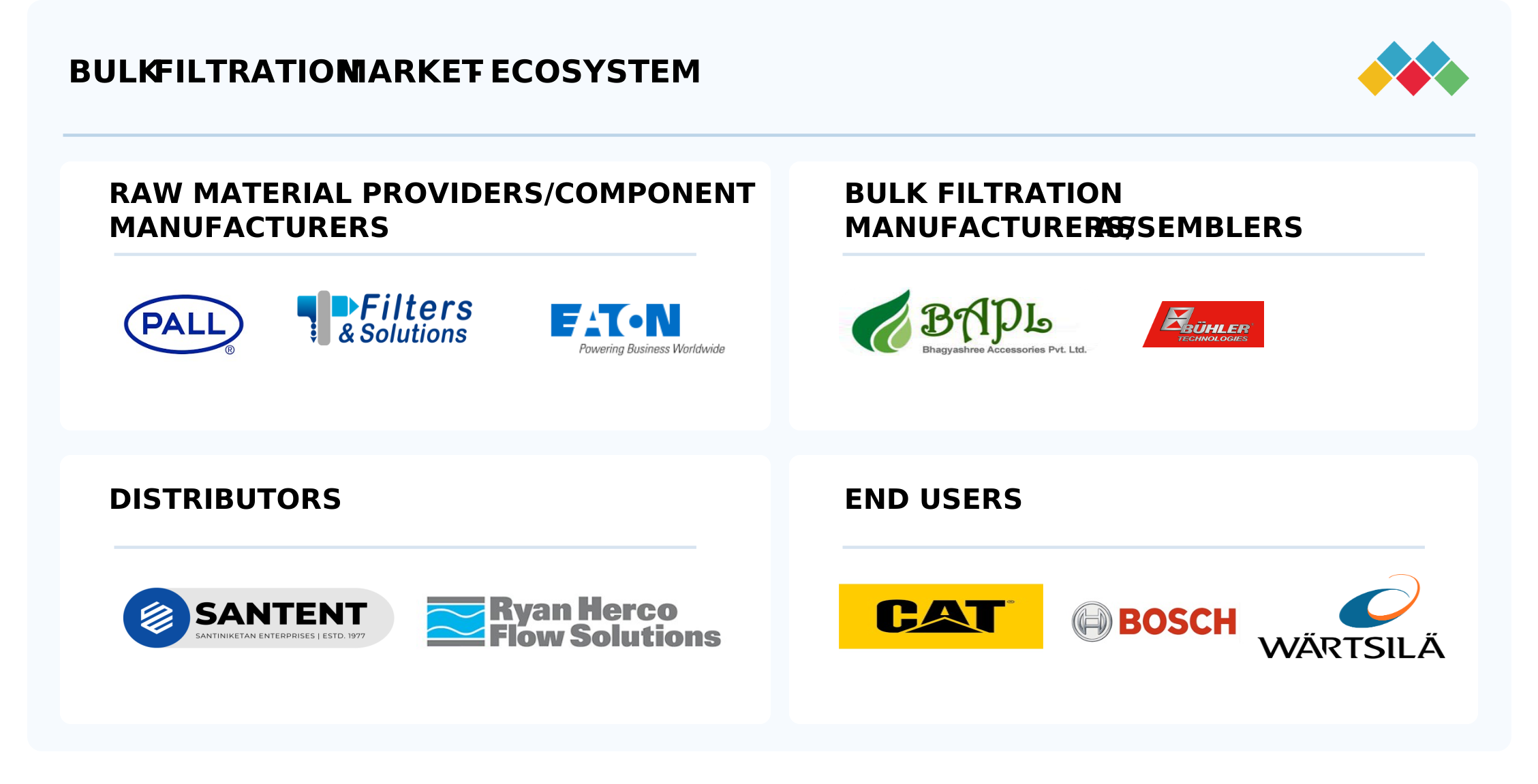
The market map illustrates the interconnections and adjacencies influencing the bulk filtration market by reflecting MnM’s coverage of the segment under study. This section highlights the key industries and applications shaping the market, emphasizing how each segment is interlinked and impacts the overall landscape.
Logos and trademarks shown above are the property of their respective owners. Their use here is for informational and illustrative purposes only.
MARKET SEGMENTS
Source: Secondary Research, Interviews with Experts, MarketsandMarkets Analysis
Solid–Liquid Filtration, By Type
Rapid industrialization and urban expansion are fueling the need for advanced solid–liquid filtration solutions. As manufacturing hubs continue to scale up and sectors such as chemicals, pharmaceuticals, and food & beverage experience accelerated growth, the volume of process fluids requiring treatment is increasing significantly. This surge in industrial activity amplifies the demand for reliable, high-capacity filtration systems that can effectively manage large-scale liquid–solid separation. In addition to ensuring smooth operations, these systems play a vital role in maintaining product quality, meeting stringent regulatory requirements, and supporting sustainable industrial practices.
Mobile, By Application
The mobile filtration segment is projected to register the highest growth rate as it offers flexible, cost-effective solutions for industries needing quick or temporary filtration. Portable units can be moved to different sites for maintenance, emergencies, or remote operations, avoiding the expense of permanent installations. They help companies meet stricter environmental rules, handle unexpected contamination, and support operations in locations where fixed systems are impractical, driving strong demand across sectors such as oil & gas and construction.
REGION
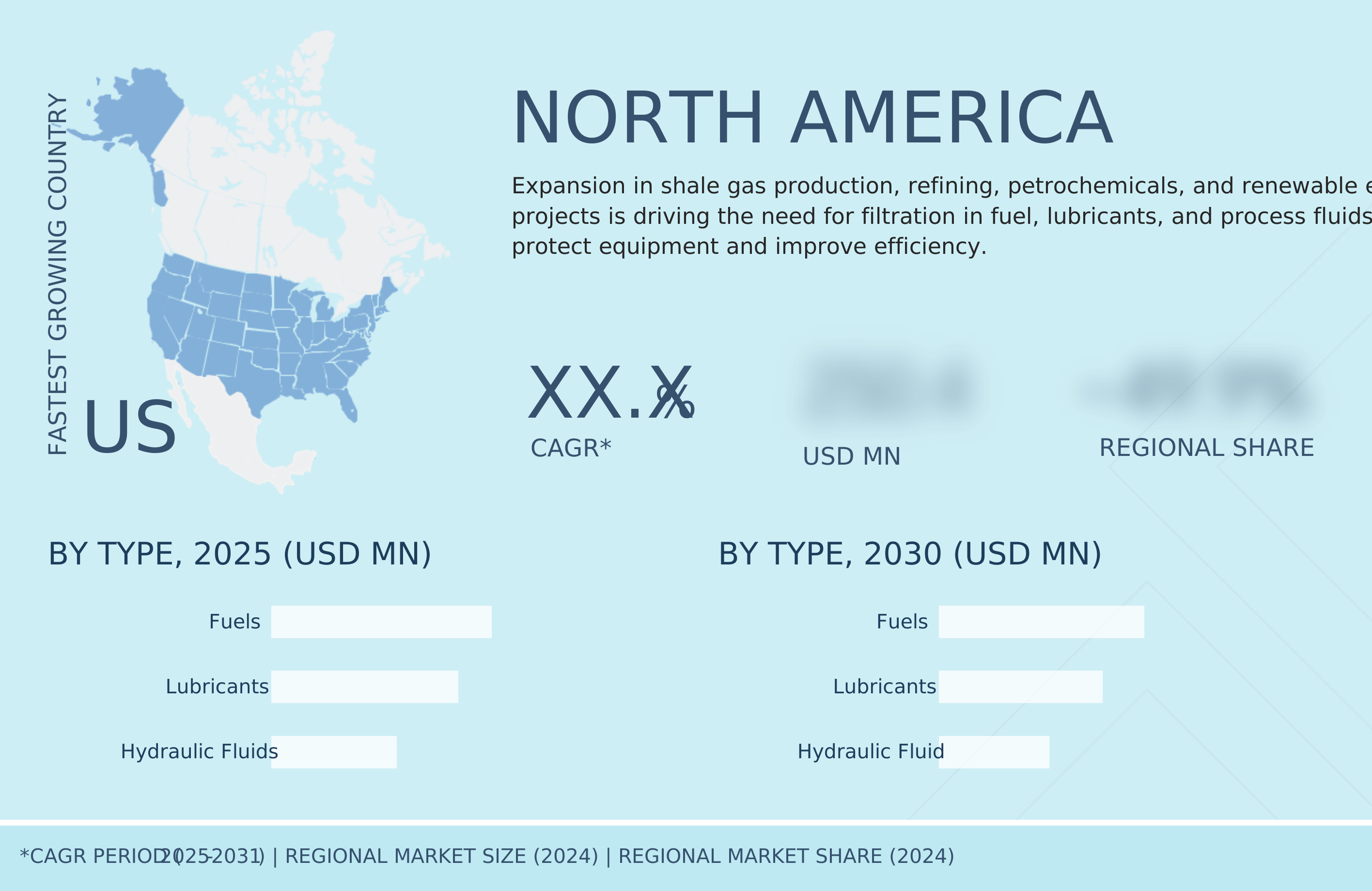
North America to be fastest-growing bulk filtration market during forecast period
North America’s extensive maritime trade and the presence of major ports in the US and Canada are driving demand for advanced bulk filtration solutions. As vessels rely heavily on clean fuels and lubricants for reliable operations, filtration becomes essential both onboard and at port facilities. Bulk filtration systems help remove water, sludge, and particulate contamination, ensuring compliance with the International Maritime Organization (IMO) regulations and stringent emission standards. By enhancing fuel efficiency, reducing equipment wear, and minimizing maintenance downtime, these solutions play a critical role in supporting the region’s growing shipping and marine logistics activities.
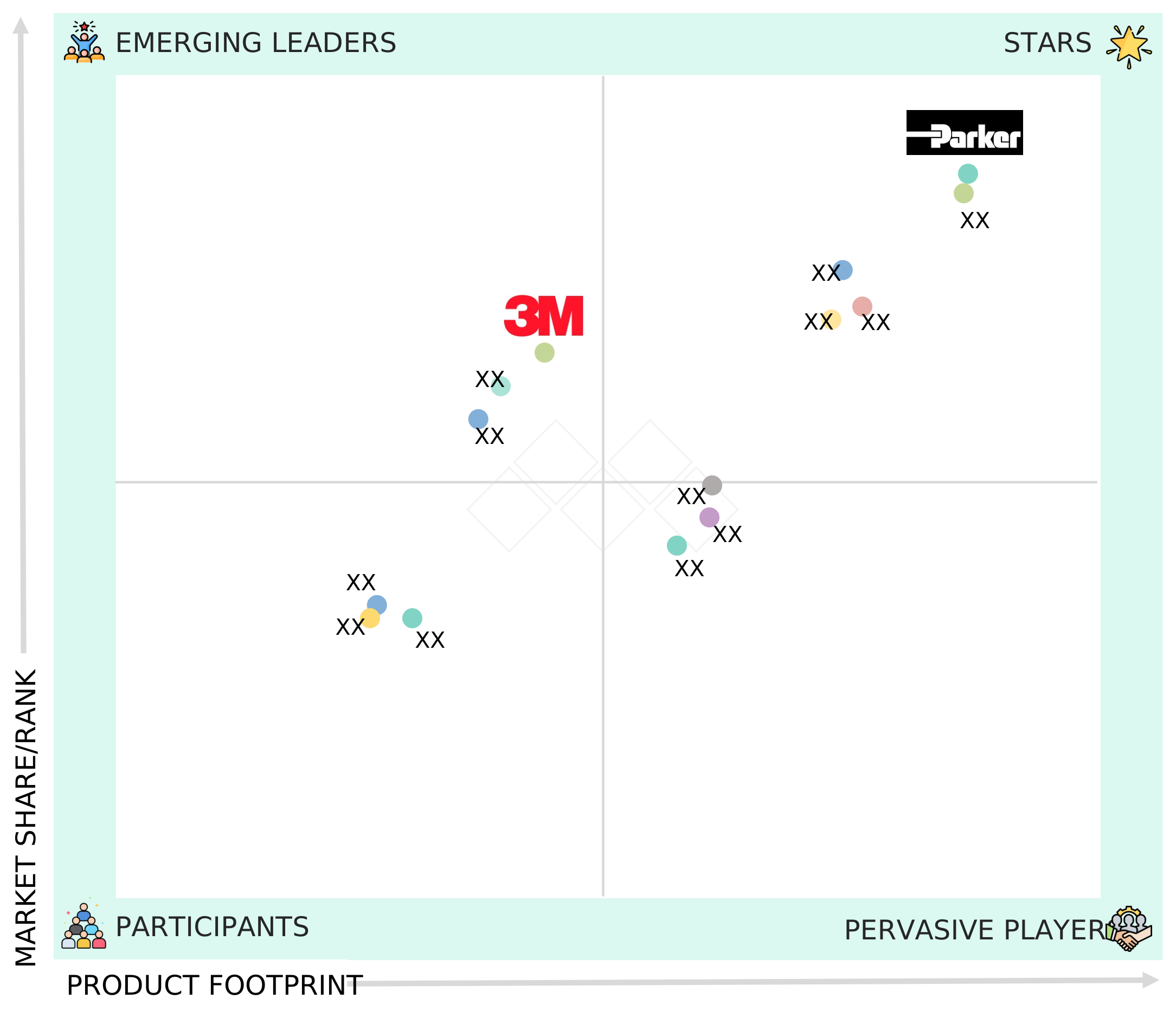
Bulk Filtration Market: COMPANY EVALUATION MATRIX
In the bulk filtration market matrix, Parker Hannifin Corp. leads with a strong market presence and extensive product portfolio, enabling widespread adoption across industries such as marine, energy, and industrial manufacturing. On the other hand, companies like 3M also demonstrates strong performance, supported by advanced filtration technologies and global distribution networks.
Source: Secondary Research, Interviews with Experts, MarketsandMarkets Analysis
KEY MARKET PLAYERS
MARKET SCOPE
| REPORT METRIC | DETAILS |
|---|---|
| Market Size Value in 2024 | USD 15.87 Billion |
| Revenue Forecast in 2031 | USD 22.91Billion |
| Growth Rate | CAGR of 5.4% from 2025 to 2031 |
| Actual data | 2020-2031 |
| Base year | 2024 |
| Forecast period | 2025-2031 |
| Units considered | Million Units |
| Report Coverage | Revenue forecast, company ranking, competitive landscape, growth factors, and trends |
| Segments Covered | By Fluid Type By Type By Mounting Type By End-use Industry By Filtration System By Application |
| Regional Scope | Asia Oceania, North America, Europe, Middle East & Africa, South America |
| Drivers | Expansion of commercial marine, power generation, and other key sectors |
| Restraint | High operational and maintenance cost |
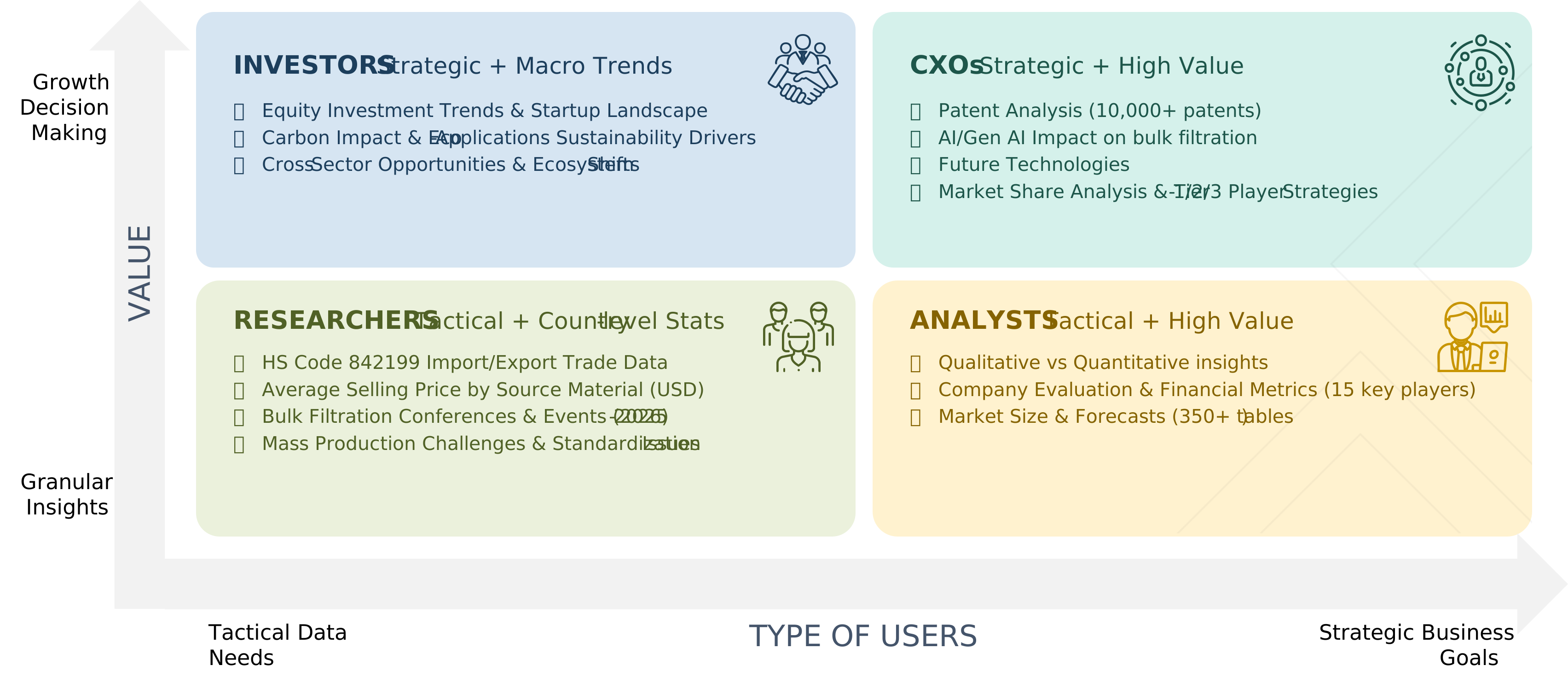
WHAT IS IN IT FOR YOU: Bulk Filtration Market REPORT CONTENT GUIDE
DELIVERED CUSTOMIZATIONS
We have successfully delivered the following deep-dive customizations:
| CLIENT REQUEST | CUSTOMIZATION DELIVERED | VALUE ADDS |
|---|---|---|
| Bulk Filtration Market by Application & End-use Industry | Market estimation for application segment and end-use industry for bulk filtration market | Three new end-use segments added, namely, automotive, semiconductor, and oil & gas. One new segmentation, by application, was added (Mobile, Process, and Bulk Storage). |
| Bulk Filtration Market by Non-onboard mounting type | Market estimation for non-onboard mounting type for bulk filtration market | Detailed competitor and market analysis was provided by non-onboard mounting type for bulk filtration market. |
RECENT DEVELOPMENTS
- March 2025 : MANN+HUMMEL opened its first South African production facility in Kempton Park, Johannesburg to manufacture a wide range of filtration products for passenger cars, commercial vehicles, off-highway equipment, and industrial aftermarket applications, strengthening its footprint in the African market.
- January 2025 : Atmus Filtration Technologies Inc. (US) launched its NanoNet N3 filtration technology, a new filter media with improved particle retention, higher contaminant holding capacity, and longer product life. The technology combines microfibers and nanofibers in a single polymeric web, allowing more compact filters, longer service intervals, and customizable solutions for various fuel and lubrication applications.
- November 2024 : MANN+HUMMEL partnered with B-Quik.id (PT. Bquik Otomotif Indonesia) to expand access to its automotive filtration solutions in Indonesia. Through its WIX Filters and MANN-FILTER brands, the company will supply air, oil, fuel, and cabin filters, aiming to protect engines, improve fuel efficiency, reduce emissions, and enhance in-cabin air quality for drivers in the country.
- March 2024 : Atmus Filtration Technologies Inc. invested in upgrading its Quimper, France facility with a new automated production line, doubling its capacity to make green cartridge fuel filters. The investment also added robots and automated guided vehicles to improve safety, workflow, and delivery speed.
- February 2024 : Eaton launched its WPL spin-on filters from Altlussheim, Germany, which are designed to protect pumps, valves, compressors, and hydraulic systems from contamination. These filters meet ISO standards, offer easy cartridge replacement without tools, and are suited for industries such as power generation, oil & gas, construction, mining, and material handling.
Table of Contents
 Exclusive indicates content/data unique to MarketsandMarkets and not available with any competitors.
Methodology
The study involved major activities in estimating the current size of the bulk filtration market. Exhaustive secondary research was done to collect information on the peer and parent markets. The next step was to validate these findings, assumptions, and sizing with industry experts across the value chain through primary research. Both top-down and bottom-up approaches were employed to estimate the total market size. Thereafter, market breakdown and data triangulation were used to estimate the market size of the segments and subsegments.
Secondary Research
Secondary sources referred to for this research study include annual reports, press releases, and investor presentations of companies; white papers; certified publications; articles by recognized authors; and databases of various companies and associations. Secondary research was mainly used to obtain key information about the industry's supply chain, the total pool of key players, market classification, and segmentation according to industry trends to the bottom-most level, regional markets, and key developments from both market- and technology-oriented perspectives.
Primary Research
During the primary research phase, a wide range of respondents from both the supply and demand sides were interviewed to gather qualitative and quantitative insights for this report. On the supply side, participants included industry leaders such as chief executive officers (CEOs), vice presidents (VPs), marketing directors, and other senior executives from companies and organizations active in the bulk filtration market. The overall market engineering process employed a combination of top-down and bottom-up approaches, supplemented by multiple data triangulation techniques, to estimate and forecast the market across all defined segments and subsegments. Comprehensive qualitative and quantitative analyses were carried out to validate the findings and highlight key insights throughout the study. The following section provides a detailed breakdown of the primary respondents:
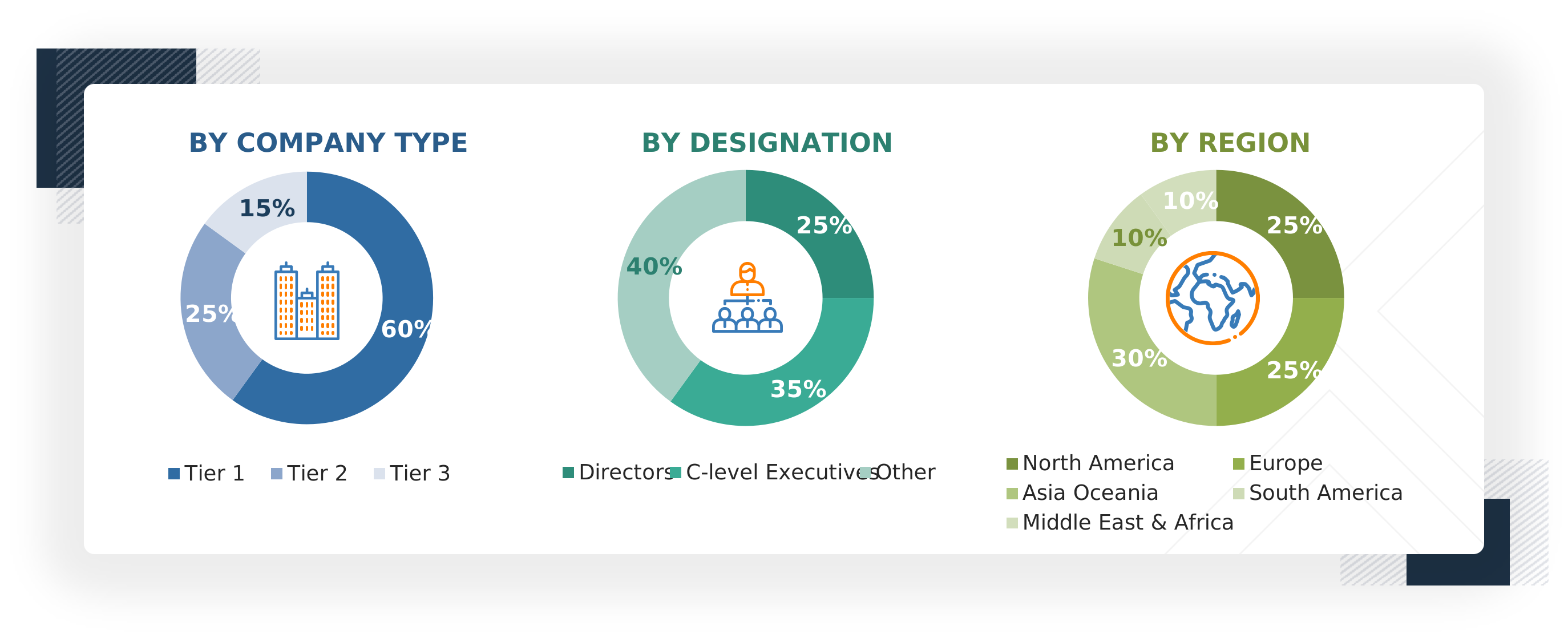
Notes: "Others" include sales managers, engineers, and regional managers
The tiers of the companies are defined based on their total revenue as of 2024; Tier 1: >USD 1
billion, Tier 2: USD 500 million–1 billion, and Tier 3:
To know about the assumptions considered for the study, download the pdf brochure
Market Size Estimation
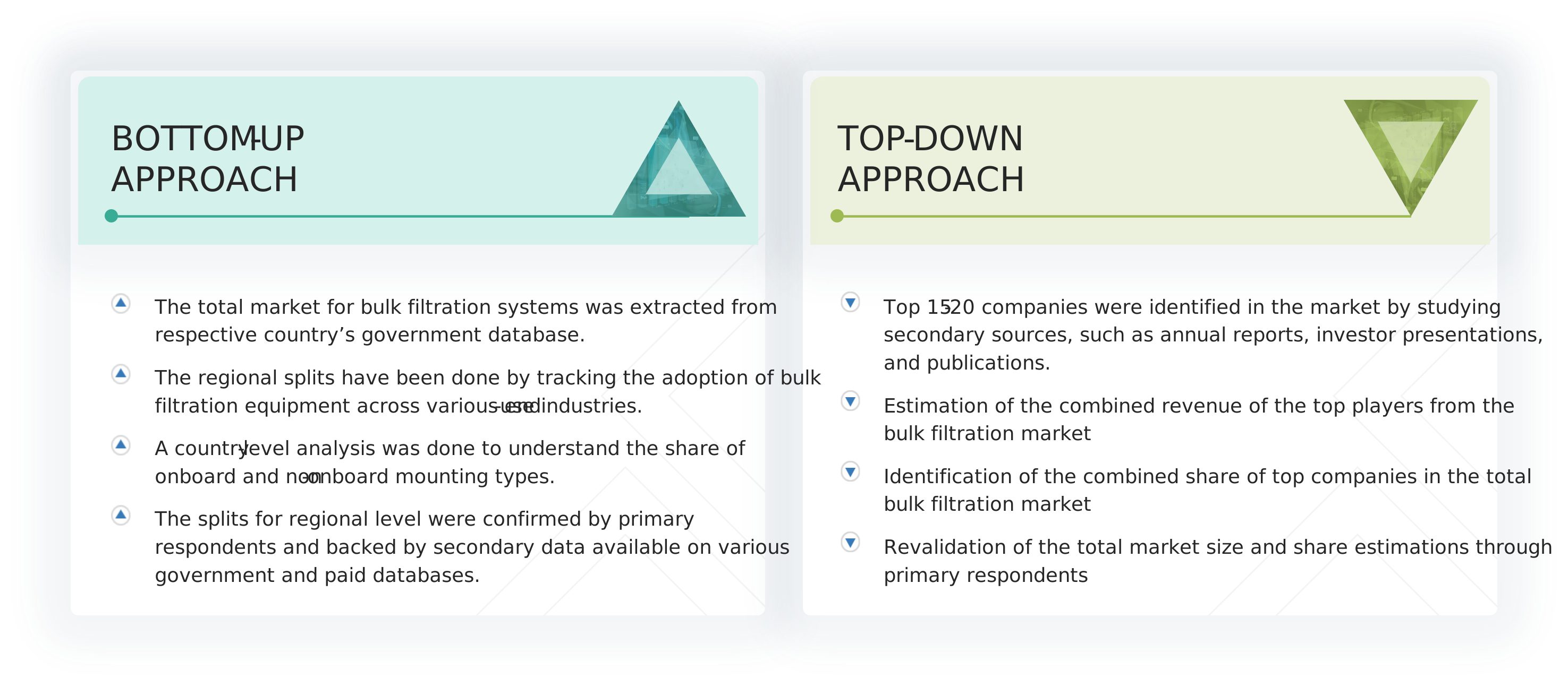
Both top-down and bottom-up approaches were used to estimate and validate the size of the bulk filtration market. These methods were also used extensively to estimate the size of various subsegments in the market. The research methodology used to estimate the market size includes the following:
Bulk Filtration Market : Top-Down and Bottom-Up Approach
Data Triangulation
Once the overall market size was determined through the estimation process outlined above, it was further divided into multiple segments and subsegments. To ensure accuracy, data triangulation and market breakdown techniques were applied wherever relevant, enabling precise calculations for each category. The triangulation process incorporated an analysis of key factors and trends from both the demand and supply sides. Additionally, the market size was validated through the use of both top-down and bottom-up methodologies.
Market Definition
Bulk filtration involves the large-scale separation of solids from liquids or gases and is a vital process across multiple industries, including biopharmaceuticals, water treatment, food & beverages, and chemicals. It ensures product purity, safeguards equipment, and supports smooth operations by removing contaminants. Rising industrialization and urbanization are intensifying the demand for advanced, high-capacity filtration solutions capable of managing complex processes. Key sectors such as chemicals, heavy machinery, and power generation depend on bulk filtration not only to maintain quality but also to comply with stringent regulatory requirements.
As organizations strive to enhance efficiency while meeting environmental standards, the bulk filtration market is poised for sustained growth. This momentum is further reinforced by innovations in filtration materials and system designs that deliver greater durability, efficiency, and cost-effectiveness.
Stakeholders
- Bulk filtration manufacturers
- Utilities (generation, transmission, & distribution)
- Companies in the railway & metro industry
- Government and research organizations
- Investment banks
- Third-party testing companies
- Bulk filtration manufacturers, dealers, and suppliers
- Organizations, forums, alliances, and associations
- State and national regulatory authorities
- Venture capital firms
Report Objectives
- To define, describe, analyze, and forecast the bulk filtration market based on mounting type, application, filtration system, fluid type, end-use industry, and region, in terms of value
- To forecast the market sizes for five major regions, namely North America, Europe, Asia Oceania, South America, and the Middle East & Africa, along with their key countries, in terms of value
- To define, describe, analyze, and forecast the bulk filtration market based on end-use industry and region, in terms of volume
- To give comprehensive details regarding the main factors, obstacles, chances, and sector-specific difficulties impacting the expansion of the bulk filtration market
- To systematically examine the market for bulk filtration in terms of each segment's contributions to the market, growth trends, and prospects
- To provide the supply chain analysis, trends/disruptions impacting customer business, ecosystem analysis, regulatory landscape, patent analysis, case study analysis, technology analysis, key conferences & events, the impact of AI/Gen AI, macroeconomic outlook, pricing analysis, Porter's five forces analysis, and regulatory analysis, the impact of 2025 US tariff on the market
- To sketch a competitive environment for market participants and assess the potential for stakeholders in the bulk filtration business
- To benchmark players within the market using the company evaluation matrix, which analyzes market players on various parameters within the broad categories of business and product strategies
- To compare key market players for the market share, product specifications, and applications
- To strategically profile key players and comprehensively analyze their market ranking and core competencies
- To track and analyze competitive developments in the bulk filtration market, such as sales contracts, agreements, investments, expansions, product launches, alliances, mergers, partnerships, joint ventures, collaborations, and acquisitions
Available Customizations
MarketsandMarkets offers customizations according to the specific needs of the companies with the given market data.
The following customization options are available for the report:
Product Analysis
- Product matrix, which gives a detailed comparison of the product portfolio of each company
Geographic Analysis as per Feasibility
- Further breakdown of the bulk filtration by country
Company Information
- Detailed analysis and profiling of additional market players (up to five)
Key Questions Addressed by the Report
What is the current market size of the Bulk Filtration Market, and how is it expected to grow?
The Bulk Filtration market is projected to grow from USD 16.68 billion in 2025 to USD 22.91 billion by 2031, at a CAGR of 5.4%.
What are the key factors driving the Bulk Filtration Market?
Growth is driven by increasing demand for equipment reliability, reduced downtime, environmental compliance, and advanced filtration technologies.
Which segment holds the largest share of the Bulk Filtration Market?
The solid-liquid filtration segment leads the market, while cartridge filters hold the largest share by filtration system.
Which region dominates the Bulk Filtration Market?
Asia Oceania is expected to account for the largest market share, driven by industrialization and expanding commercial marine activities.
Who are the key players in the Bulk Filtration Market?
Leading companies include Parker Hannifin Corp., Donaldson Company, Inc., Filtration Group, MANN+HUMMEL, and Eaton.


Personalize This Research
- Triangulate with your Own Data
- Get Data as per your Format and Definition
- Gain a Deeper Dive on a Specific Application, Geography, Customer or Competitor
- Any level of Personalization
Let Us Help You
- What are the Known and Unknown Adjacencies Impacting the Bulk Filtration Market
- What will your New Revenue Sources be?
- Who will be your Top Customer; what will make them switch?
- Defend your Market Share or Win Competitors
- Get a Scorecard for Target Partners

Custom Market Research Services
We Will Customise The Research For You, In Case The Report Listed Above Does Not Meet With Your Requirements
Get 10% Free CustomisationTESTIMONIALS

Kimberly Murphy
GLOBAL MARKETING DIRECTOR
Bently Nevada,
Leading Condition Monitoring & Asset Protectionwww.bakerhughesds.com/bently-nevada

MarketsandMarkets™ showed consistent rigor for success and relentlessly worked with Bently Nevada stakeholders to positively impact go-to-market strategy. Their proactiveness and flexibility has been instrumental in achieving the objectives to grow our sales pipeline in key industrial markets.

DARRICK HUEBER
Business Development Leader
Nexus Controls LLC,
Leading Manufacturer of Automation System & Electrical Panelswww.bakerhughesds.com/nexus-controls

We partnered with MarketsandMarkets to expand our business further by tapping into new industrial segments. It was critical for us to gather crucial business insights about specific markets to achieve this goal. MarketsandMarkets engagement model and client services helped us provide those insights, it was really impressive and valuable for my business. The team was extremely flexible and helpful.

Mike Schoff
Global Industrial Commercial Strategy Leader
Nexus Controls LLC
Leading Manufacturer of Automation System & Electrical Panelswww.bakerhughesds.com/nexus-controls
We consulted MarketsandMarkets for potential Partner Identification. Overall, it was a good experience. The insights provided through interviews conducted by the team helped us put together the questionnaire required for discussion with the selected partners. Their ability to provide insights through interviews with customers in a timely manner was quite impressive.
- US Bulk Filtration Market
- Canada Bulk Filtration Market
- Mexico Bulk Filtration Market
- Brazil Bulk Filtration Market
- Argentina Bulk Filtration Market
- UK Bulk Filtration Market
- Germany Bulk Filtration Market
- France Bulk Filtration Market
- Italy Bulk Filtration Market
- Norway Bulk Filtration Market
- China Bulk Filtration Market
- India Bulk Filtration Market
- Japan Bulk Filtration Market
- South Korea Bulk Filtration Market
- Australia Bulk Filtration Market
- Saudi Arabia Bulk Filtration Market
- UAE Bulk Filtration Market
- South Africa Bulk Filtration Market
- Egypt Bulk Filtration Market






Growth opportunities and latent adjacency in Bulk Filtration Market