Data Center BESS Market

Data Center BESS Market By Battery Type (Lithium Iron Phosphate (LFP), Lithium Nickel Manganese Cobalt (NMC), Sodium-Ion, Flow Batteries, Others),By Data Center Type (Hyperscale, Colocation, Enterprise, Edge), By Energy Capacity (Up To 10 MWH, >10–50 MWH, >50–100 MWH, Above 100 MWH), By Bess Power Rating (Up To 5 MW, 5–20 MW, 20–50 MW, Above 50 MW), By Region (North America, Europe, Asia Pacific, Middle East & Africa, Latin America - Global Trends And Forecasts To 2031




OVERVIEW
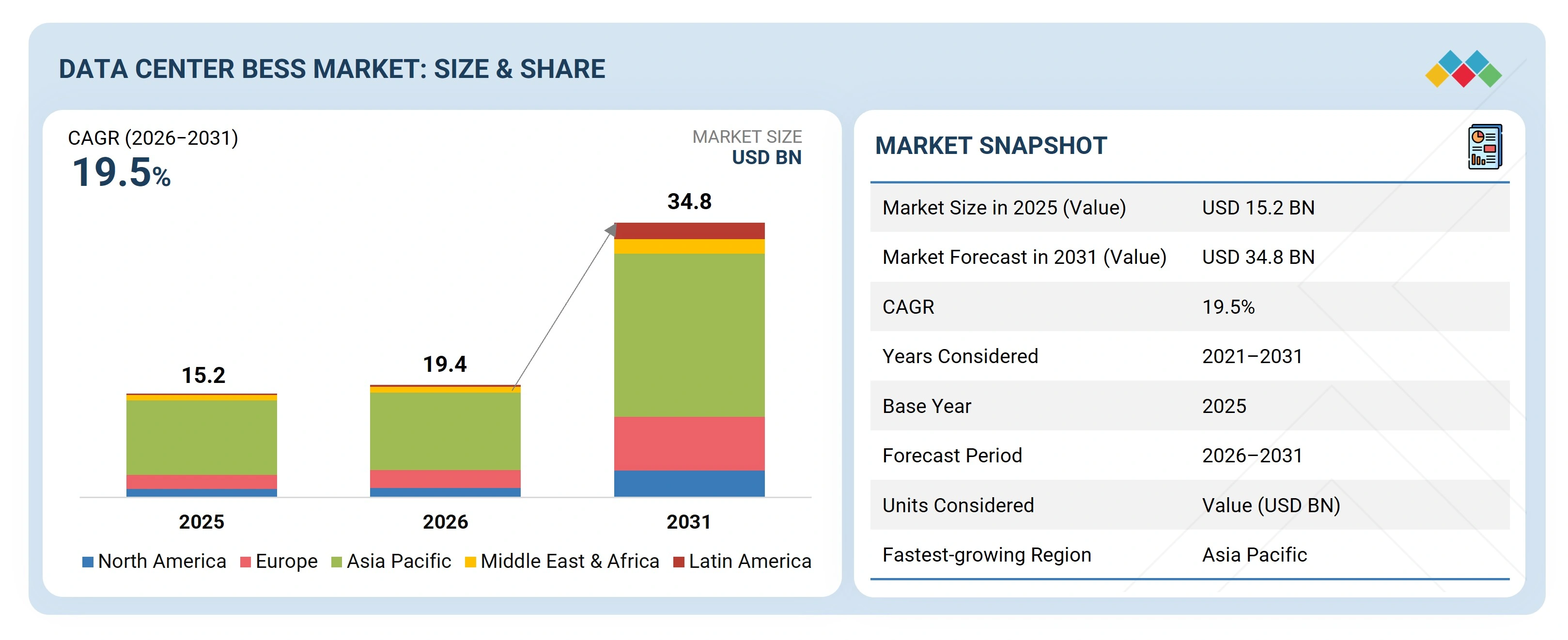
Source: Secondary Research, Interviews with Experts, MarketsandMarkets Analysis
The data center BESS market is projected to reach USD 34.8 billion by 2031, from an estimated USD 19.4 billion in 2026, growing at a CAGR of 19.5% during the forecast period of 2026-2031, driven by rapid expansion of AI-driven and hyperscale data centers, which require reliable, efficient, and resilient power infrastructure. Growing investments in renewable energy integration, advanced battery technologies, and grid resilience are expected to further drive market adoption over the forecast period.
KEY TAKEAWAYS
-
BY REGIONThe Asia Pacific is the fastest growing region in the Data Center BESS market registering a CAGR of 19.5% during the forecast period of 2026-2031.
-
BY DATA CENTER TYPEHyperscale segment, holds the largest market share in 2026.
-
BY BATTERY TYPELithium Iron Phosphate (LFP) segmet is the fastest growing segment during the forecasted period of 2026-2031.
-
BY BESS POWER RATINGThe 20–50 MW segment is estimated to capture the largest market share of 42.6% in 2026
-
BY ENERGY CAPACITYThe >10–50 MWh segment is estimated to hold the largest market share of 44.3% during the forecasted period of 2026-2031.
-
COMPETITIVE LANDSCAPEKey players in the global data center BESS market are CATL (China), BYD (China), Tesla Energy (US), Fluence (US), Schneider Electric (France), ABB (Switzerland), have employed various strategies to increase their market ranking in the data center BESS market
-
COMPETITIVE LANDSCAPEThe strong technology portfolio, integrated energy storage solutions, and global market presence of CATL (China), Tesla Energy (US), Schneider Electric (France), and Fluence (US) have positioned them among the leading players in the global Data Center Battery Energy Storage System (BESS) Market.
Rising investments in AI-enabled and hyperscale data centers, increasing demand for uninterrupted power supply, and the transition toward sustainable energy infrastructure are driving the adoption of Battery Energy Storage Systems (BESS). Continuous advancements in battery technologies, renewable energy integration, and grid modernization initiatives are enabling data center operators to improve energy resilience, optimize power consumption, and reduce reliance on conventional backup power systems.
TRENDS & DISRUPTIONS IMPACTING CUSTOMERS' CUSTOMERS
Data Center Battery Energy Storage System (BESS) Market is experiencing a rapid evolution of the sector due to the increasing usage of AI and cloud computing, power consumption demand from hyperscale DCs, sustainability commitments and the continuous development of battery energy storage technologies. The trend is reshaping data center operators, cloud service providers, utilities and tech firms' power reliability and energy efficiency approaches. The world's data center capacity keeps growing, and Battery Energy Storage Systems are being deployed by data center organizations to enhance power resilience, enable integration of renewable energy, eliminate reliance on diesel generators, and enable long-term decarbonization and sustainability objectives.
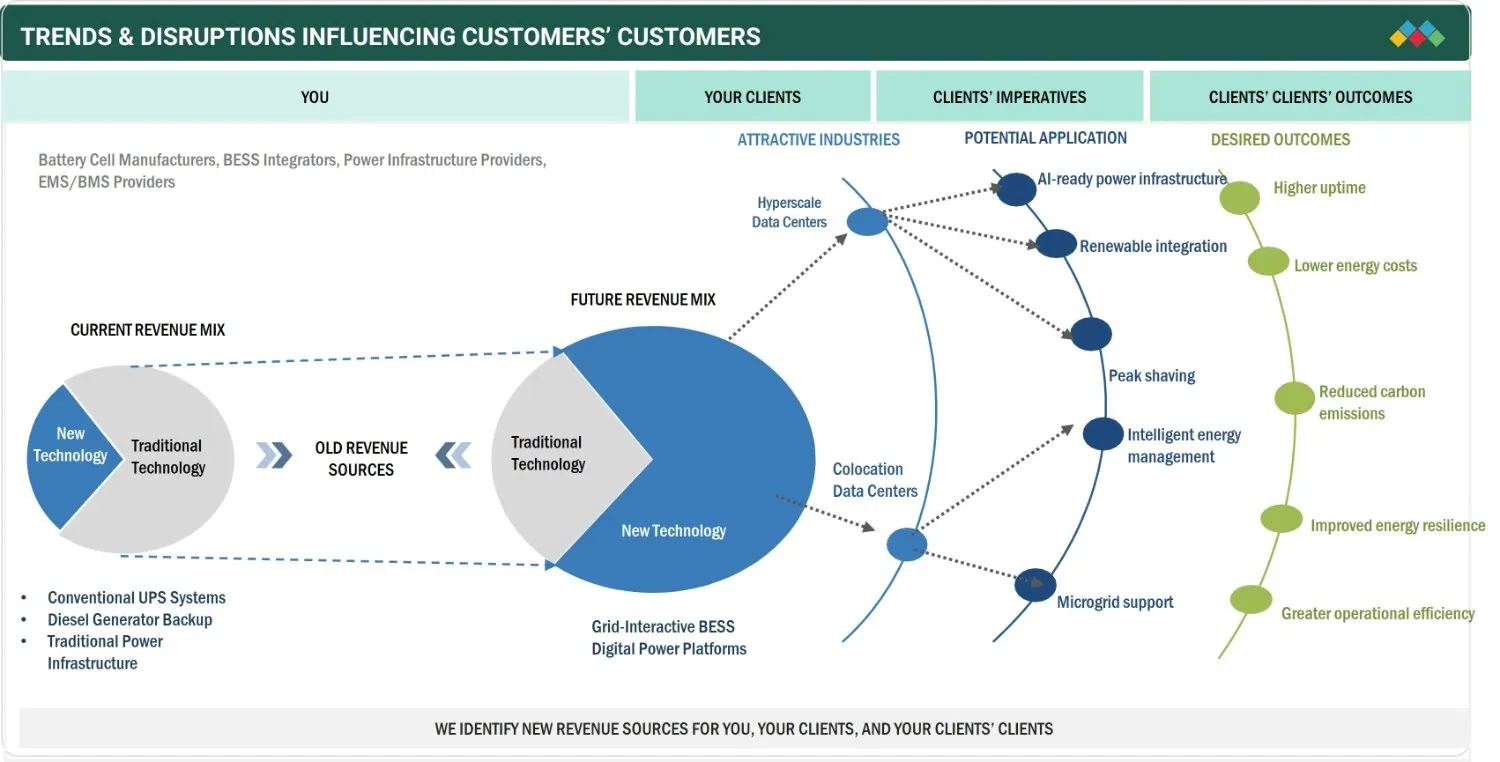
Source: Secondary Research, Interviews with Experts, MarketsandMarkets Analysis
MARKET DYNAMICS

Level
-
Rapid Expansion of AI & Hyperscale Data Centers

-
Increasing Demand for Reliable and Sustainable Backup Power


Level
-
High Initial Capital and Installation Costs

-
Supply Chain Constraints for Critical Battery Materials


Level
-
Growing Integration of Renewable Energy with Data Centers

-
Rising Adoption of Grid-Interactive and Microgrid Solutions


Level
-
Battery Safety and Thermal Management

-
Battery Lifecycle Management and Recycling

Source: Secondary Research, Interviews with Experts, MarketsandMarkets Analysis
Rapid Expansion of AI & Hyperscale Data Centers
The accelerating growth of artificial intelligence (AI), cloud computing, and hyperscale data centers is placing a high demand on the need for reliable and resilient power infrastructure, especially when it comes to electricity consumption. Data center operators are increasingly investing in Battery Energy Storage Systems (BESS) to deliver more resilient backup power, by improving energy efficiency and by connecting renewable energy sources to their data centers. The increasing hyperscale facility construction around the globe is expected to drive the BESS market throughout the forecast period.
High Initial Capital and Installation Costs
The significant capital investment needed is one of the major challenges for the deployment of Battery Energy Storage Systems in data centers. Adopting large-scale BESS investments requires a significant investment in battery systems, power conversion equipment, thermal management systems, installation and energy management software. While the reduction in battery cost will help to make projects more economical, the large initial cost remains a barrier to uptake, especially for SMDCs.
Growing Integration of Renewable Energy with Data Centers
The rising demand for renewable energy is a huge opportunity for the Data Center Battery Energy Storage System (BESS) Market. BESS is increasingly vital for storing surplus renewable energy, managing the intermittency of renewable sources and guaranteeing continuous electricity supply as operators seek to achieve carbon reduction goals and power generation from renewables. The deployment of integrated battery energy storage solutions worldwide is likely to ramp up, as investment in sustainable data centre infrastructure continues to grow.
Battery Safety and Thermal Management
The safety and thermal management of batteries in large-scale data center BESS deployments are issues that are still a challenge. When working with high energy battery systems, sophisticated cooling, monitoring, and fire protection solutions are needed to provide safe and reliable operation under sustained loads. Data center technology and operators will continue to focus on thermal stability, avoiding thermal runaway, and getting the technology to meet changing safety requirements as battery capacities continue to grow.
DATA CENTER BESS MARKET: COMMERCIAL USE CASES ACROSS INDUSTRIES
| COMPANY | USE CASE DESCRIPTION | BENEFITS |
|---|---|---|
 |
Hyperscale and colocation data centers can benefit from integrated Battery Energy Storage System (BESS) solutions from Schneider Electric's EcoStruxure platform. The solutions it offers feature UPS systems, lithium-ion battery storage, energy management software, and integration with renewable energy resources, ensuring stable and efficient energy supply. The company is also collaborating with top-tier AI infrastructure providers to create cutting-edge power architectures to meet the ever-increasing power requirements of high-density AI and cloud data centers. | Improves power resilience and operational continuity, lowers energy costs and carbon emissions. Supports renewable energy integration, smart energy management and minimizes reliance on diesel generators, meeting sustainability and uptime goals. |
 |
Tesla Energy offers Megapack Battery Energy Storage Systems (BESS) to enable large-scale data centers to provide reliable backup power and grid support. The Megapack platform enables data centre operators to store energy, decrease peak demand, minimize demand charges and connect renewable energy sources. Its scalable architecture is ideal for growing demands and power requirements in AI driven and cloud data centres. | Provides high capacity energy storage in a swift time of response; enhances grid reliability; reduces operating costs by managing peak demand; enables continuous data centre operations with reduced environmental impact. |
 |
Fluence offers grid-scale Battery Energy Storage Systems (BESS) and intelligent energy management software to hyperscale data centers. Its solutions can guarantee a reliable power supply, boost energy flexibility and meet the increasing power requirements for AI and cloud computing facilities. Fluence is also working with technology partners to incorporate BESS into future data center power infrastructure, as a solution to address the limitations of grid capacity and provide quicker deployment of high-density data centers. | Enhances energy flexibility, increases grid interaction and enables operation during disturbances in the grid. Supports rapid deployment of AI Data Centers, improves energy efficiency, renewable energy utilization and long-term power resilience. |
Logos and trademarks shown above are the property of their respective owners. Their use here is for informational and illustrative purposes only.
MARKET ECOSYSTEM
The key stakeholders involved in the global Data Center Battery Energy Storage System (BESS) Market include battery cell manufacturers, battery pack and BESS integrators, power conversion system (PCS) providers, battery management system (BMS) and energy management system (EMS) providers, data center operators, hyperscale cloud service providers, utilities, EPC companies, renewable energy developers, and end users.
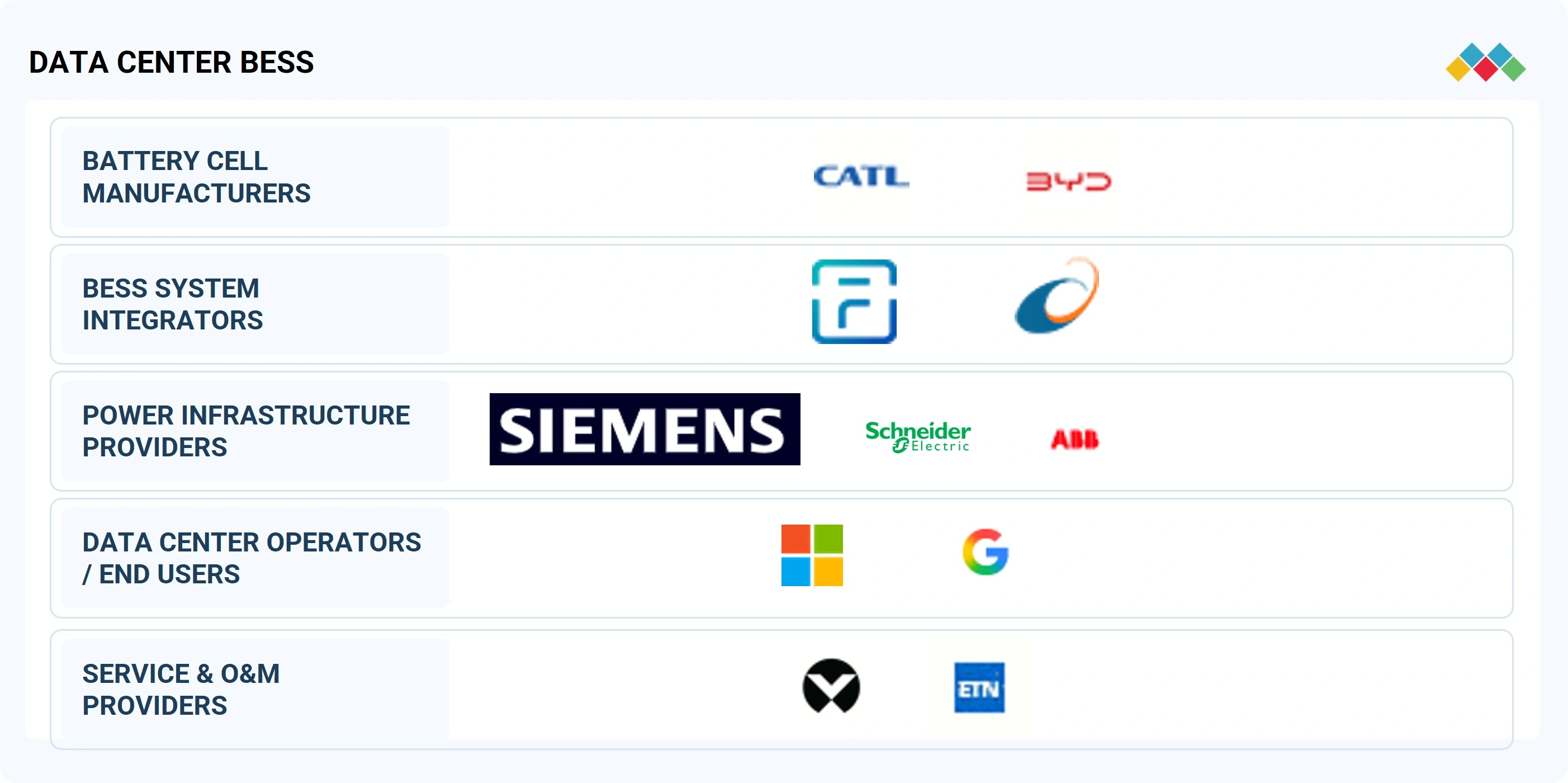
Logos and trademarks shown above are the property of their respective owners. Their use here is for informational and illustrative purposes only.
MARKET SEGMENTS
Source: Secondary Research, Interviews with Experts, MarketsandMarkets Analysis
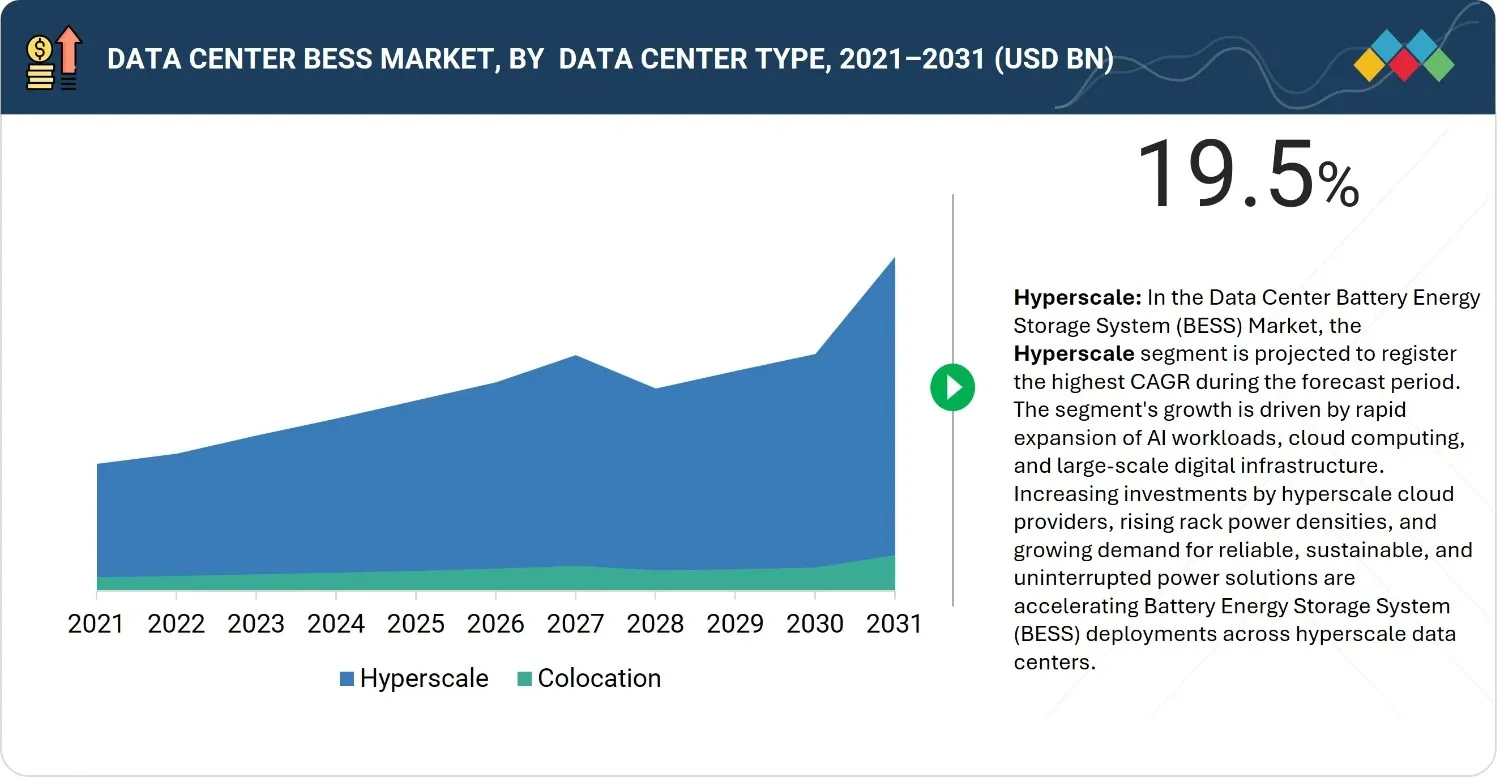
Data Center Battery Energy Storage System (BESS) Market, By Data Center Type
Hyperscale was expected to dominate the Data Center Battery Energy Storage System (BESS) Market in 2026, as the increasing growth of AI workloads, cloud computing and huge digital infrastructure has been one of the prime factors. For hyperscale companies, power systems have to be always on and without downtime. This is of critical importance to their business. So they are increasingly utilizing Data Center Battery Energy Storage Systems. To this end, they want to use energy more effectively, to use renewable energy, and to reduce the use of diesel generators. The dominance of this segment is expected to persist in the forecast period with further investments from major cloud service providers in hyperscale campuses as well as increasing rack power densities.
Data Center Battery Energy Storage System (BESS) Market, By Battery Type
Lithium Iron Phosphate (LFP) will be the market leader in Data Center Battery Energy Storage System (BESS) Market due to its exceptional thermal stability, safety, long service life, and low maintenance as compared to the other battery technologies. The reliability, improved level of safety and low TCO of LFP batteries have led to their acceptance for mission-critical data center applications. The future of LFP is promising as manufacturing capacity is expanding and battery prices continue to drop, and there are plans to move to large scale energy storage systems.
Data Center Battery Energy Storage System (BESS) Market, By BESS Power Rating
The Data Center Battery Energy Storage System (BESS) Market was valued at the highest percentage in the 20-50 MW segment in 2026, as it has a very similar power requirement to most hyperscale and colocation data centers. In this power range there is a reliable energy backup, peak load management and energy optimization in addition to support for renewable energy integration. The growth of this segment is expected to continue as more investments are made in data centers powered by AI and demand for resilient power infrastructure is growing.
Data Center Battery Energy Storage System (BESS) Market, By Energy Capacity
The medium to large-scale data center facilities made the >10–50MWh segment the largest market because it was suitable. This capacity range offers enough stored energy to sustain operations, optimize energy usage and enable the integration of renewable energy without high investments in infrastructure. The hyperscale and colocation facilities are expected to boost the demand for this segment during the forecast period.
Data Center Battery Energy Storage System (BESS) Market, By Region
In 2026, the North America Data Center Battery Energy Storage System (BESS) Market was expected to have the highest market value, bolstered by the presence of hyperscale cloud providers, heavy investments in AI infrastructure systems, and quick adoption of cutting-edge energy storage solutions. In addition, more renewable energy integration, grid modernization projects, and investments in sustainable data center development are driving positive progress in the region. Such factors are expected to keep North America on the leadership for this forecast period.
REGION
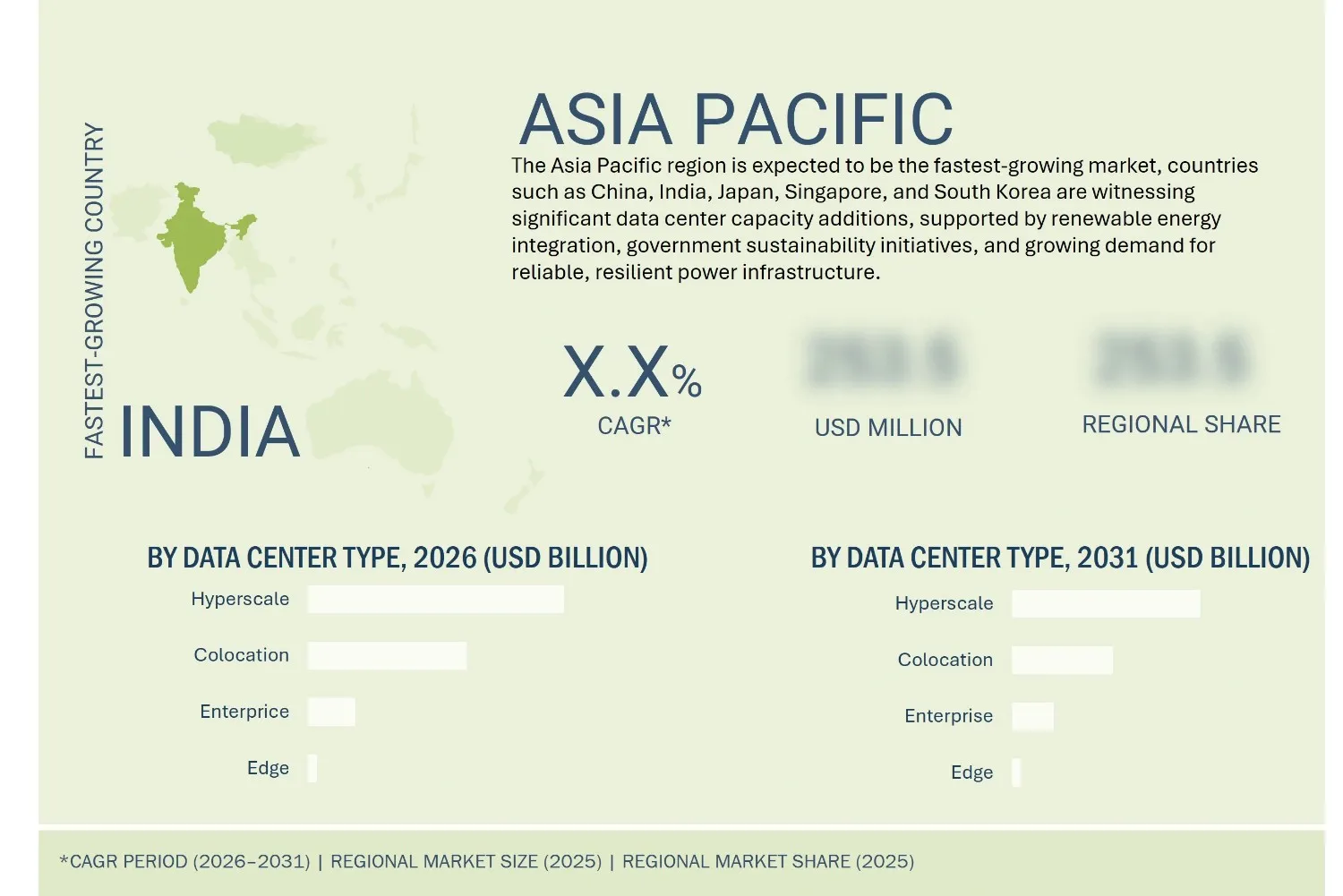
Asia Pacific is expected to dominate relay market during forecast period with highest CAGR
Asia Pacific is expected to be the fastest-growing region in the Data Center Battery Energy Storage System (BESS) Market during the forecast period of 2026–2031. The region is growing fast because of the big expansion of Artificial Intelligence and huge data centers. More people are using the cloud and a lot of money is being spent on infrastructure. The region is also seeing an increase, in the use of renewable energy and the government is helping out. Data centers need power that's reliable and does not use too much energy. So they are using Battery Energy Storage Systems or BESS. Big technology companies and cloud service providers are spending a lot of money. This will help the region keep growing for a time especially with the use of Artificial Intelligence and huge data centers.
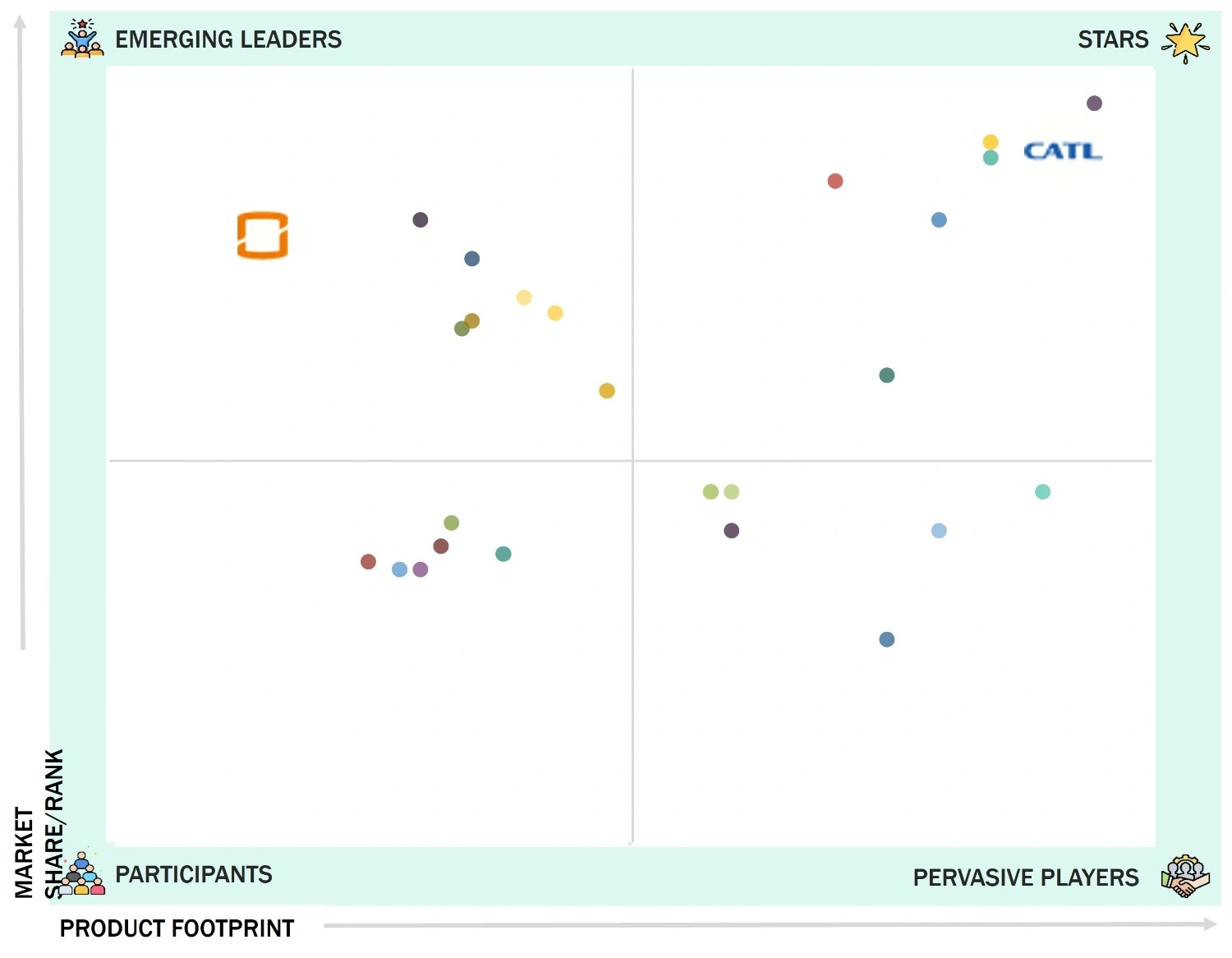
DATA CENTER BESS MARKET: COMPANY EVALUATION MATRIX
CATL (China) is a leading player in the Data Center Battery Energy Storage System (BESS) Market and is positioned in the "Star" category due to its comprehensive battery technology portfolio, strong manufacturing capabilities, and extensive global presence. Vendors in the “stars” category generally receive high scores for most evaluation criteria. These players have established product portfolios and a broad market presence. They also devise effective business strategies.
Source: Secondary Research, Interviews with Experts, MarketsandMarkets Analysis
KEY MARKET PLAYERS
- CATL (China)
- BYD (China)
- LG Energy Solution (South Korea)
- Samsung SDI (South Korea)
- Tesla Energy (US)
- Fluence (US)
- Wärtsilä (Finland)
- Powin (US)
- Sungrow (China)
- Hitachi Energy (Switzerland)
- GE Vernova (US)
- Schneider Electric (France)
- ABB (Switzerland)
- Siemens (Germany)
- Eaton (Ireland)
- Vertiv (US)
- Delta Electronics (Taiwan)
- Huawei Digital Power (China)
- Saft (TotalEnergies) (France)
- EnerSys (US)
- Novatron Fusion Group AB (Sweden)
- Renaissance Fusion (France)
- HB11 Energy Holding Pty Ltd (Australia)
- Pulsar Fusion (UK)
- nT-Tao (Israel)
MARKET SCOPE
| REPORT METRIC | DETAILS |
|---|---|
| Market Size in 2026 (Value) | USD 19.41 Billion |
| Market Forecast in 2031 (Value) | USD 34.8 Billion |
| Growth Rate | 19.5% |
| Years Considered | 2022–2031 |
| Base Year | 2025 |
| Forecast Period | 2026–2031 |
| Units Considered | Value (USD Million/Billion), Volume (MW) |
| Report Coverage | Revenue forecast, company ranking, competitive landscape, growth factors, and trends |
| Segments Covered |
|
| Regions Covered | Europe, Asia Pacific, North America, Latin America, Middle East & Africa |
WHAT IS IN IT FOR YOU: DATA CENTER BESS MARKET REPORT CONTENT GUIDE
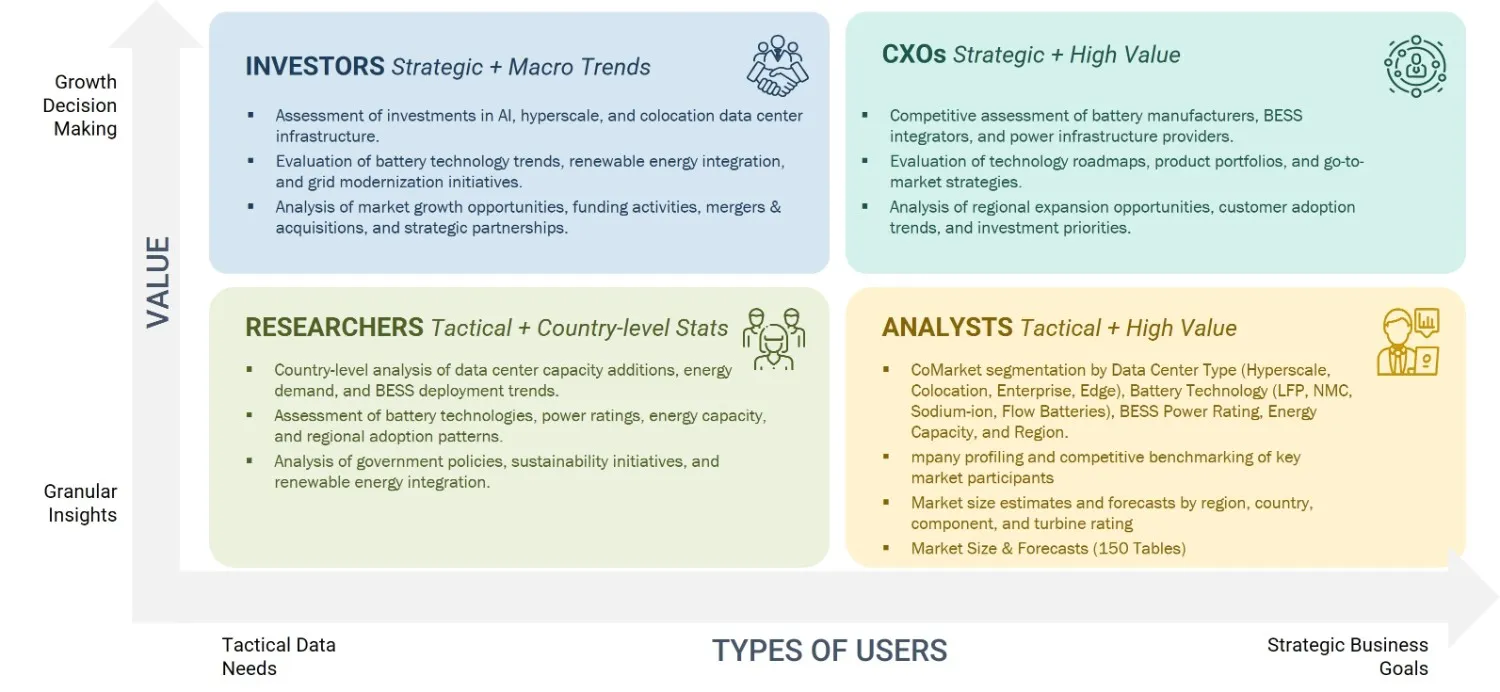
DELIVERED CUSTOMIZATIONS
We have successfully delivered the following deep-dive customizations:
| CLIENT REQUEST | CUSTOMIZATION DELIVERED | VALUE ADDS |
|---|---|---|
| Competitive benchmarking of top players | Competitive landscape analysis with focus on strategic moves by key players |
|
RECENT DEVELOPMENTS
- March 2026 : Schneider Electric partnered with NVIDIA to develop validated reference designs for gigawatt-scale AI data centers, integrating advanced power infrastructure and energy management capabilities to support next-generation AI workloads and improve energy resilience.
- July 2025 : Fluence, in collaboration with Siemens and NVIDIA, introduced a reference power architecture for AI data centers featuring Battery Energy Storage Systems (BESS) to improve power reliability, address grid constraints, and accelerate hyperscale AI infrastructure deployment.
- May 2026 : BYD became the world's largest Battery Energy Storage System (BESS) integrator in 2025, surpassing Tesla with more than 60 GWh of global BESS deployments, strengthening its leadership in large-scale energy storage solutions for rapidly growing applications, including data center infrastructure.
Table of Contents
 Exclusive indicates content/data unique to MarketsandMarkets and not available with any competitors.
Methodology
This study encompassed significant efforts in determining the present size of the data center battery energy storage (BESS) market. It commenced with a thorough secondary research process to gather data related to the market, related energy storage markets, data center infrastructure, and the broader energy and power industry. Subsequently, these findings, assumptions, and market size calculations were rigorously validated by consulting industry experts across the data center BESS value chain. The total market size was assessed by conducting an analysis specific to each country. Following that, the market was segmented, and the data was triangulated to estimate the size of various segments on battery technology, data center type, energy capacity, application, and region.
Secondary Research
In this research study, a wide range of secondary sources were utilized, including company annual reports, SEC filings, investor presentations, product brochures, Hoover's, Bloomberg, Factiva, S&P Capital IQ, Uptime Institute, Data Center Dynamics (DCD), International Energy Agency (IEA), U.S. Department of Energy (DOE), U.S. Energy Information Administration (EIA), National Renewable Energy Laboratory (NREL), and International Renewable Energy Agency (IRENA). These sources provided comprehensive information on the Data Center Battery Energy Storage System (BESS) Market, covering technical, commercial, regulatory, and market aspects. Additional secondary sources included whitepapers, industry publications, trade associations, technical articles, press releases, and authoritative databases.
Primary Research
The Data Center Battery Energy Storage System (BESS) Market comprises a diverse range of stakeholders, including battery manufacturers, BESS system integrators, power management solution providers, UPS manufacturers, data center operators, engineering, procurement and construction (EPC) companies, utilities, technology providers, and industry experts across the value chain. To gather qualitative and quantitative insights, primary interviews were conducted with stakeholders from both the supply and demand sides of the market. The following breakdown presents the primary respondents involved in the research study.
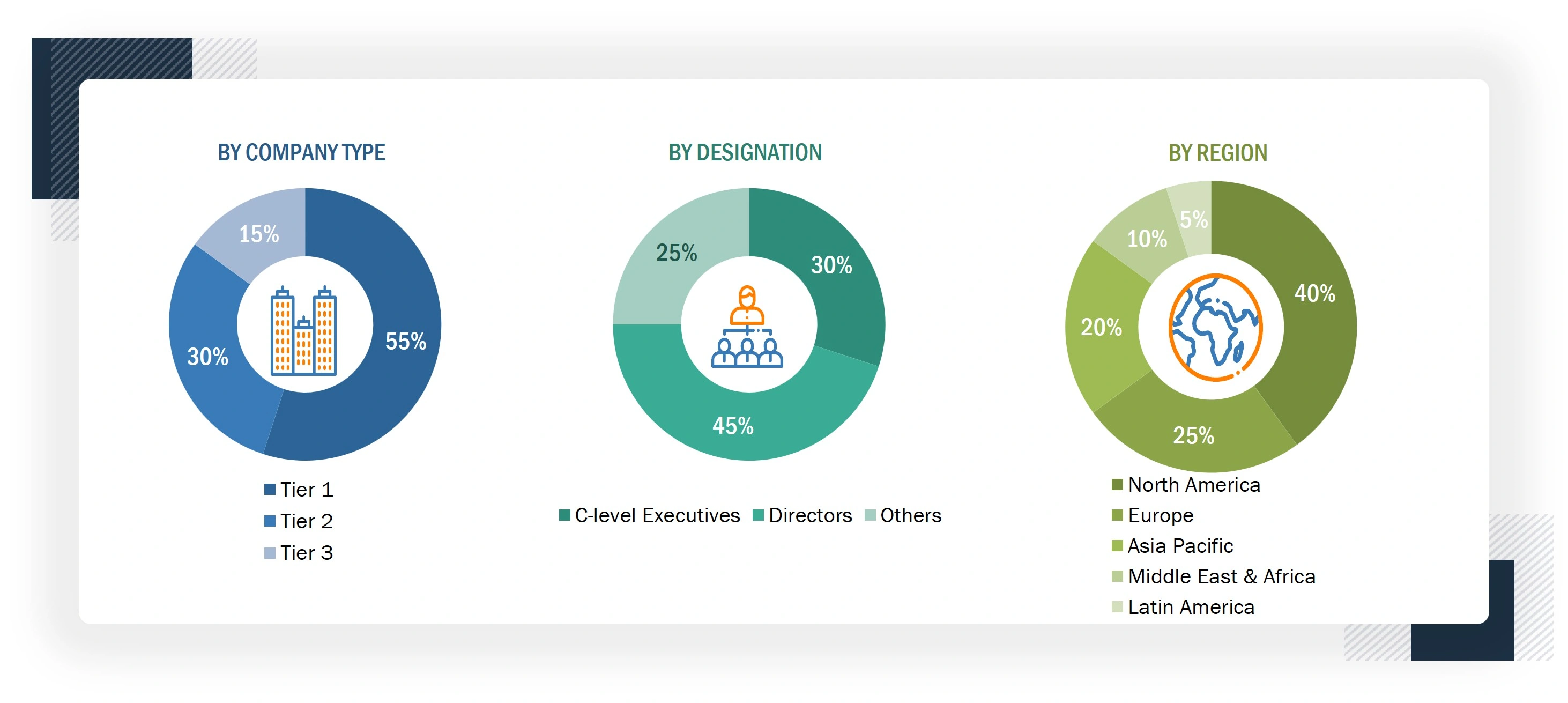
The tiers of the companies are defined based on their total revenue as of 2025: Tier 1: >USD 1 billion, Tier 2: USD 500 million–1 billion, and Tier 3: USD 500 million.
To know about the assumptions considered for the study, download the pdf brochure
Market Size Estimation
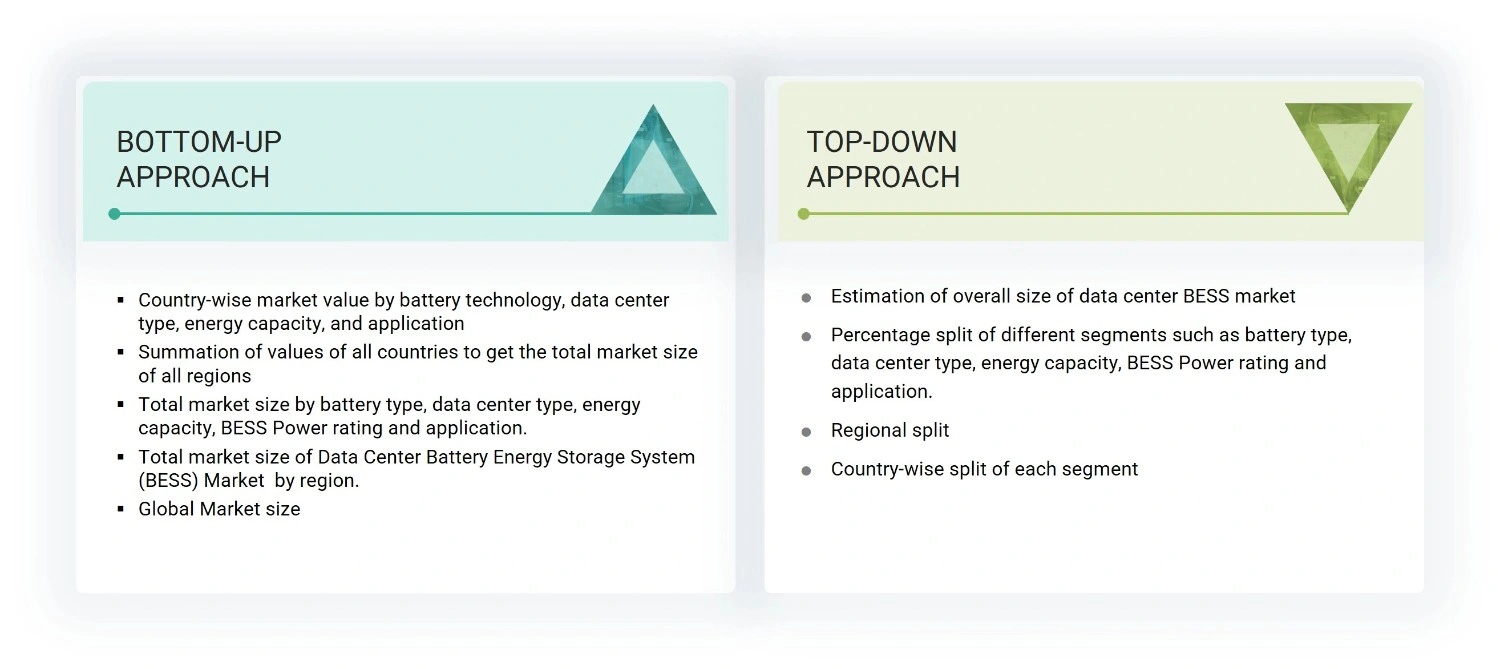
The estimation and validation of the data center BESS market size have been conducted using a bottom-up approach and top down approach. This approach was rigorously employed to ascertain the dimensions of multiple subsegments within the market. The research process comprises the following key stages.
- In this method, the statistics for each type of data center BESS have been examined at both the country and regional levels.
- Thorough secondary and primary research has been conducted to gain a comprehensive understanding of the global market landscape for various segments of the data center BESS market.
- When calculating and forecasting the market size, qualitative factors such as market drivers, limitations, opportunities, and challenges have been considered.
Data Center Bess Market : Top-Down and Bottom-Up Approach
Data Triangulation
The process of determining the overall Data Center Battery Energy Storage System (BESS) Market size involved the research methodologies described earlier, followed by segmenting the market into multiple segments and subsegments. To finalize the comprehensive market analysis and obtain accurate statistics for each market segment and subsegment, data triangulation and market breakdown procedures were applied wherever appropriate. Data triangulation was performed by analyzing demand- and supply-side insights across the Data Center BESS Market.
Market Definition
A Data Center Battery Energy Storage System (BESS) refers to a storage facility storing electricity in batteries that can be recharged and can supply uninterrupted power and energy to satisfy the demands of data center processes. Such facilities comprise different components, such as battery units, battery management system (BMS), power conversion units (PCS), energy management system (EMS), thermal control systems, and monitoring software. The mentioned inventiveness helps corporations to increase power reliability, improve efficiency, and optimize energy use.
The Data Center Battery Energy Storage System (BESS) Market involves the improved manufacture and introduction of batteries created especially for data centers and consists of battery technology, electronics for energy generation, engineering solutions, and related services. The market embrace types of batteries for various processes in data centers. The global Data Center Battery Energy Storage System (BESS) Market is a place where Data Center BESS has been implemented. The progress of this industry relies on the upsurge in cloud computing and artificial intelligence processes, rapid development of hyperscale data centers, increasing demand for electricity, and necessity of effectively working systems due to environmentally friendly policy.
Key Stakeholders
- Battery manufacturers
- BESS system integrators
- PCS, BMS, and EMS providers
- UPS and critical power solution providers
- Data center developers and operators
- Hyperscale cloud and colocation providers
- EPC companies
- Electrical equipment manufacturers
- Utilities and grid operators
- Renewable energy developers
- Government and regulatory authorities
- Industry associations
Report Objectives
- To describe, analyze and forecast the data center battery energy storage system market, by data center type, battery type, energy capacity, BESS power rating, and region, in terms of value.
- To describe and forecast the market across North America, Europe, Asia Pacific, Middle East & Africa, and Latin America, along with country-level market estimates in terms of value.
- To provide detailed information regarding the drivers, restraints, opportunities, and challenges influencing the growth of the Data Center BESS Market.
- To analyze the market with respect to individual growth trends, prospects, and the contribution of each market segment.
- To provide a comprehensive analysis of the market ecosystem, value chain, supply chain, pricing trends, and interconnected markets associated with the Data Center BESS Market.
- To analyze the impact of technology advancements, regulatory landscape, sustainability initiatives, and AI-driven data center expansion on market growth.
- To strategically analyze micro markets with respect to their individual growth trends, future prospects, and contribution to the overall market.
- To analyze the competitive landscape and identify the growth strategies adopted by key market participants.
- To benchmark key market players using the company evaluation matrix and analyze their business and product strategies.
- To compare key market players based on their market presence, product portfolio, technology offerings, regional footprint, and application focus.
- To strategically profile the key players and comprehensively analyze their market position, core competencies, and competitive strengths.
- To analyze competitive developments, including product launches, partnerships, collaborations, mergers & acquisitions, investments, and expansions undertaken by key market participants.
Available Customization
With the given market data, MarketsandMarkets offers customizations based on the company’s specific needs. The following customization options are available for the report:
Product Analysis
- Product Matrix, which provides a detailed comparison of the product portfolio of each company
Company Information
- Detailed analyses and profiling of additional market players (up to 5)


Personalize This Research
- Triangulate with your Own Data
- Get Data as per your Format and Definition
- Gain a Deeper Dive on a Specific Application, Geography, Customer or Competitor
- Any level of Personalization
Let Us Help You
- What are the Known and Unknown Adjacencies Impacting the Data Center BESS Market
- What will your New Revenue Sources be?
- Who will be your Top Customer; what will make them switch?
- Defend your Market Share or Win Competitors
- Get a Scorecard for Target Partners

Custom Market Research Services
We Will Customise The Research For You, In Case The Report Listed Above Does Not Meet With Your Requirements
Get 10% Free CustomisationTESTIMONIALS

Kimberly Murphy
GLOBAL MARKETING DIRECTOR
Bently Nevada,
Leading Condition Monitoring & Asset Protectionwww.bakerhughesds.com/bently-nevada
MarketsandMarkets™ showed consistent rigor for success and relentlessly worked with Bently Nevada stakeholders to positively impact go-to-market strategy. Their proactiveness and flexibility has been instrumental in achieving the objectives to grow our sales pipeline in key industrial markets.

DARRICK HUEBER
Business Development Leader
Nexus Controls LLC,
Leading Manufacturer of Automation System & Electrical Panelswww.bakerhughesds.com/nexus-controls
We partnered with MarketsandMarkets to expand our business further by tapping into new industrial segments. It was critical for us to gather crucial business insights about specific markets to achieve this goal. MarketsandMarkets engagement model and client services helped us provide those insights, it was really impressive and valuable for my business. The team was extremely flexible and helpful.

Mike Schoff
Global Industrial Commercial Strategy Leader
Nexus Controls LLC
Leading Manufacturer of Automation System & Electrical Panelswww.bakerhughesds.com/nexus-controls
We consulted MarketsandMarkets for potential Partner Identification. Overall, it was a good experience. The insights provided through interviews conducted by the team helped us put together the questionnaire required for discussion with the selected partners. Their ability to provide insights through interviews with customers in a timely manner was quite impressive.






Growth opportunities and latent adjacency in Data Center BESS Market