Fluid Management Market for Off-highway

Fluid Management Market for Off-highway by Equipment Type (Construction and Mining, Agricultural Equipment and Forklifts), System Type (Engine Cooling System, Fuel Delivery System, Hydraulic System), Component Type, and Region-Global Forecast 2032




OVERVIEW
Source: Secondary Research, Interviews with Experts, MarketsandMarkets Analysis
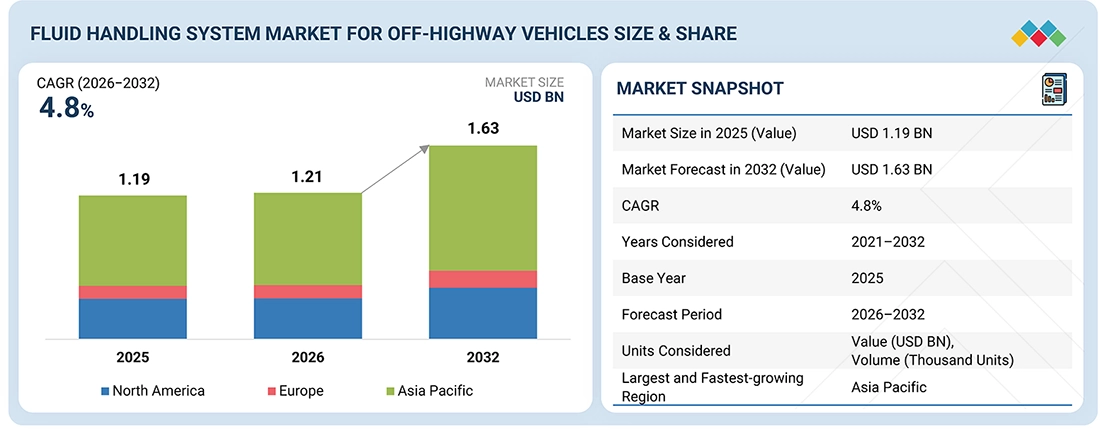
The fluid management market for off-highway is projected to grow from USD 1.21 billion in 2026 to USD 1.63 billion by 2032, at a CAGR of 4.8%. The market is driven by the critical role of hoses, tubes, and connectors in enabling the reliable operation of hydraulic, fuel, and thermal systems across construction, mining, agriculture, and material handling equipment. Demand is closely linked to equipment production and utilization, with durability, leak prevention, and performance under harsh operating conditions being key requirements. The market is also evolving with increasing system complexity and a gradual shift toward electrified platforms, expanding the role of thermal management solutions. At the same time, strong aftermarket demand driven by wear and replacement cycles continues to be a major contributor, making FTS a steady and resilient segment within the broader off-highway ecosystem.
Fluid Management Market Size and Forecast:
- Market Size Value in 2025: USD 1.19 Billion
- Market Size Value in 2026: USD 1.21 Billion
- Revenue Forecast in 2032: USD 1.63 Billion
- Growth Rate: CAGR of 4.8% from 2026 to 2032
- Data available from 2021 to 2032
- Base year: 2025
- Forecast period: 2026–2032
Key Market Trends and Insights
- Market Growth: Growth is driven by increasing demand for reliable fluid transfer systems, rising off-highway equipment production, and strong aftermarket replacement demand.
-
IoT Impact: Advancements in hydraulic, fuel, and thermal management systems are improving the reliability and performance of off-highway equipment.
- Growing Trends: The market is shifting toward advanced and application-specific fluid handling solutions.
- Growth Opportunities: Opportunities are emerging from thermal management solutions for electrified and hybrid off-highway equipment.
KEY TAKEAWAYS
-
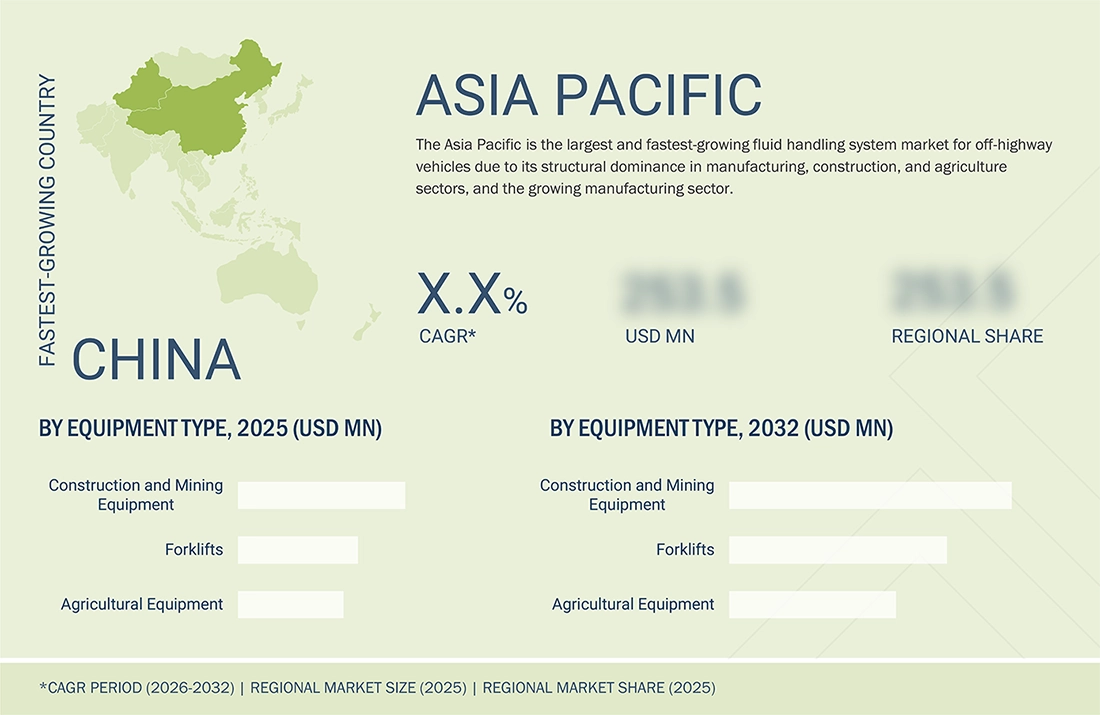
By RegionThe Asia Pacific is projected to be the largest regional market during the forecast period, holding 62.8% market share in 2026.
-
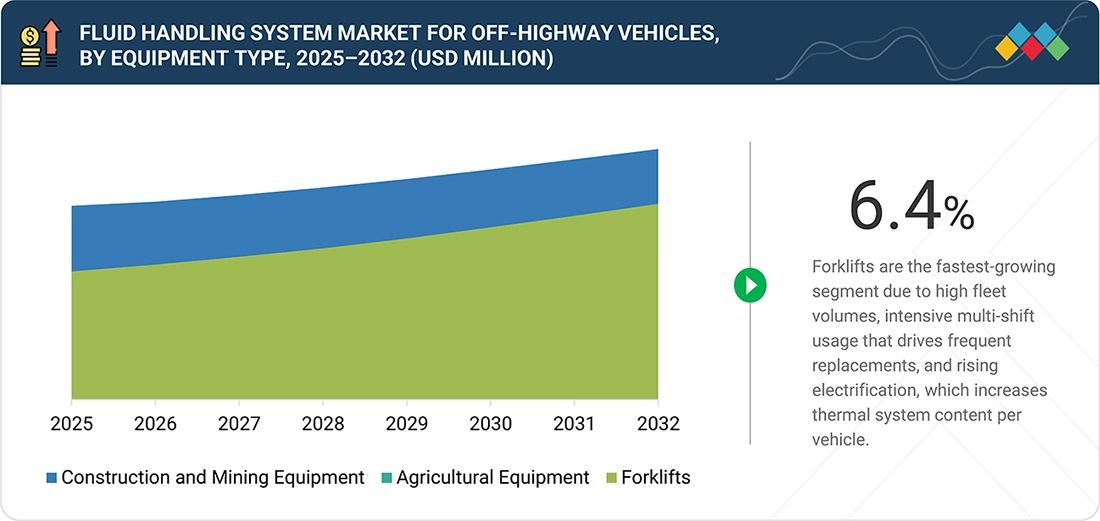
By Equipment TypeThe forklifts segment is expected to lead the fluid management market for off-highway during the forecast period. It is projected to grow from USD 350.9 million in 2026 to USD 535.7 million by 2032.
-
By ComponentThe lift cylinder supply/return (3-point linkage) segment is expected to lead the market during the forecast period. This segment is projected to grow at a CAGR of 3.4% from 2026 to 2032.
-
Competitive Landscape: Key PlayersThe fluid management market for off-highway is dominated by global players such as Parker Hannifin (US), Sebro (Germany), Gates Corporation (USA), Cooper Standard (USA), and Sumitomo Riko (Japan), among others.
-
Competitive Landscape: Startups/SMEsManuli Hydraulics (Italy), Alfagomma Group (Italy), TI Fluid Systems (UK), NORMA Group (Germany), and Stäubli Group (Switzerland) are the leading progressive companies in the fluid management market for off-highway.
The fluid management market for off-highway is driven by rising equipment demand across construction, mining, agriculture, and material handling, along with increasing machine utilization that accelerates wear and replacement of hoses and connectors. Growing hydraulic system complexity and higher performance requirements are increasing fluid transfer system content per machine, as equipment integrates higher-pressure operations and more precise control mechanisms. In addition, stronger emphasis on durability, leak prevention, and compliance with environmental and safety standards is shaping product development, driving the adoption of high-integrity and durable fluid handling components across modern off-highway equipment.
TRENDS & DISRUPTIONS IMPACTING CUSTOMERS' CUSTOMERS
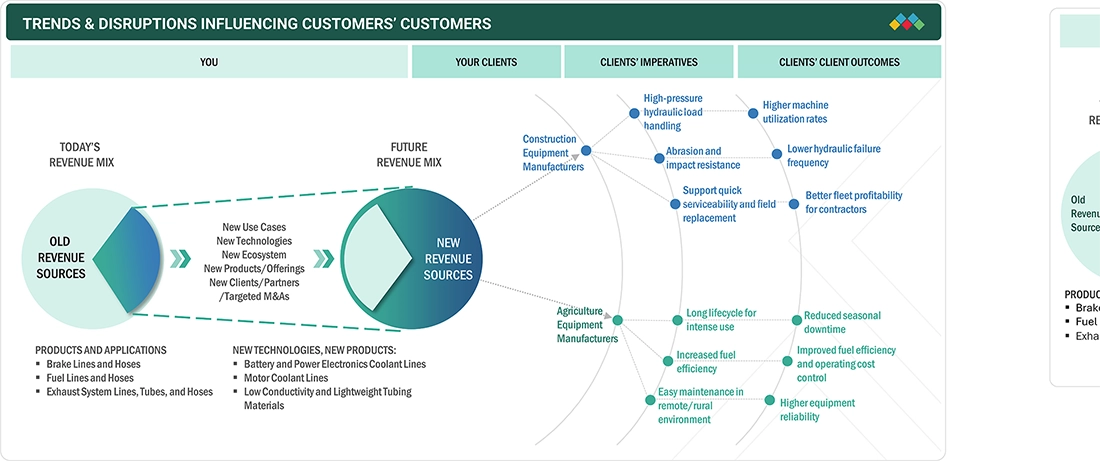
The fluid handling system market for off-highway vehicles is shifting from a traditional focus on standard hydraulic and fuel line applications toward higher value, application-specific solutions aligned with evolving equipment requirements. In construction equipment, the emphasis is moving toward high-pressure hydraulic lines capable of withstanding abrasion, impact, and continuous heavy-duty operations, while ensuring reliable performance and minimizing failure rates. In the agriculture segment, the focus is on durability over extended usage cycles, resistance to chemicals and environmental exposure, and ease of maintenance in remote locations, enabling reduced seasonal downtime, better cost control for operators, and more reliable performance during critical operating periods. Across both segments, new value opportunities are emerging through advanced coolant lines, lightweight materials, and thermal management systems, supporting a transition toward more specialized and higher-performance fluid handling solutions.
Source: Secondary Research, Interviews with Experts, MarketsandMarkets Analysis
MARKET DYNAMICS

Level
-
Rising equipment utilization in construction, mining, and agriculture sectors

-
Growth in hydraulic system complexity with improved features


Level
-
High price sensitivity in cost-driven equipment segments

-
Harsh operating environments leading to frequent failures


Level
-
Electrification-driven thermal management systems


Level
-
Supply chain volatility in raw materials like rubber and metals

Source: Secondary Research, Interviews with Experts, MarketsandMarkets Analysis
Driver: Rising equipment utilization in construction, mining, and agriculture sectors
Increasing equipment utilization in the construction, mining, and agriculture sectors is driving strong demand for durable, reliable fluid transfer systems. Machines are operating for longer hours under harsh conditions, requiring hoses, tubes, and connectors that can withstand high pressure, abrasion, and temperature variations. OEMs are focusing on improving system reliability and minimizing downtime, leading to greater adoption of high-performance materials and robust designs. At the same time, higher usage intensity is accelerating wear and replacement cycles, strengthening aftermarket demand for FTS components.
Restraint: High price sensitivity in cost-driven equipment segments
Off-highway equipment markets, especially in emerging markets, remain highly price-sensitive, limiting the adoption of premium FTS solutions. OEMs often prioritize cost optimization, leading to the use of standardized or lower-cost components, which restricts differentiation for suppliers. In the aftermarket, the presence of low-cost local manufacturers further intensifies pricing pressure. This creates challenges for global suppliers in maintaining margins while meeting performance expectations, particularly in segments where total cost considerations outweigh long-term durability benefits.
Opportunity: Electrification-driven thermal management systems
The shift toward electrified and hybrid off-highway equipment is creating new opportunities for advanced fluid transfer systems, particularly in thermal management applications. Battery systems, power electronics, and electric drivetrains require efficient cooling solutions, increasing demand for specialized coolant lines and compatible materials. Integration with broader vehicle systems is becoming critical, enabling better thermal control, improved efficiency, and enhanced component life. This transition is also driving innovation in lightweight materials and system design, allowing suppliers to expand into higher-value applications beyond traditional hydraulic and fuel systems.
Challenge: Supply chain volatility in raw materials like rubber and metals
Volatility in key raw materials such as rubber, steel, and engineered polymers creates high cost and supply uncertainties for FTS manufacturers. Fluctuating input prices directly impact margins, while disruptions in sourcing can affect production timelines and OEM commitments. Suppliers are required to balance cost competitiveness with performance requirements, often without the ability to fully pass on price increases. This challenge is further amplified by global supply chain dependencies and varying regional availability, pushing companies to adopt multi-sourcing strategies, localize supply chains, and improve inventory planning to maintain stability and meet customer expectations.
FLUID MANAGEMENT MARKET FOR OFF-HIGHWAY: COMMERCIAL USE CASES ACROSS INDUSTRIES
| COMPANY | USE CASE DESCRIPTION | BENEFITS |
|---|---|---|
 |
Providing high-performance hydraulic hoses, fittings, and connectors for construction and mining equipment under extreme pressure and operating conditions | Enabling reliable fluid transfer, reducing leakage, and improving machine uptime in heavy-duty applications |
 |
Supplying engine cooling hoses, fuel lines, and thermal management solutions for commercial and off-highway vehicles | Enhancing temperature control, extending component life, and reducing failure risks in high-utilization environments |
 |
Delivering advanced thermal management and fluid transfer systems for electrified and conventional off-highway platforms | Supporting electrification with efficient cooling, improved system integration, and higher vehicle efficiency |
 |
Manufacturing robust hydraulic hose assemblies for agriculture, construction, and industrial equipment | Improving durability under abrasion and pressure and reducing maintenance frequency and downtime |
 |
Providing connectors, clamps, and fluid handling solutions for diverse off-highway applications, including fuel and coolant systems | Ensuring secure connections, easy installation, and enhanced system reliability across applications |
Logos and trademarks shown above are the property of their respective owners. Their use here is for informational and illustrative purposes only.
MARKET ECOSYSTEM
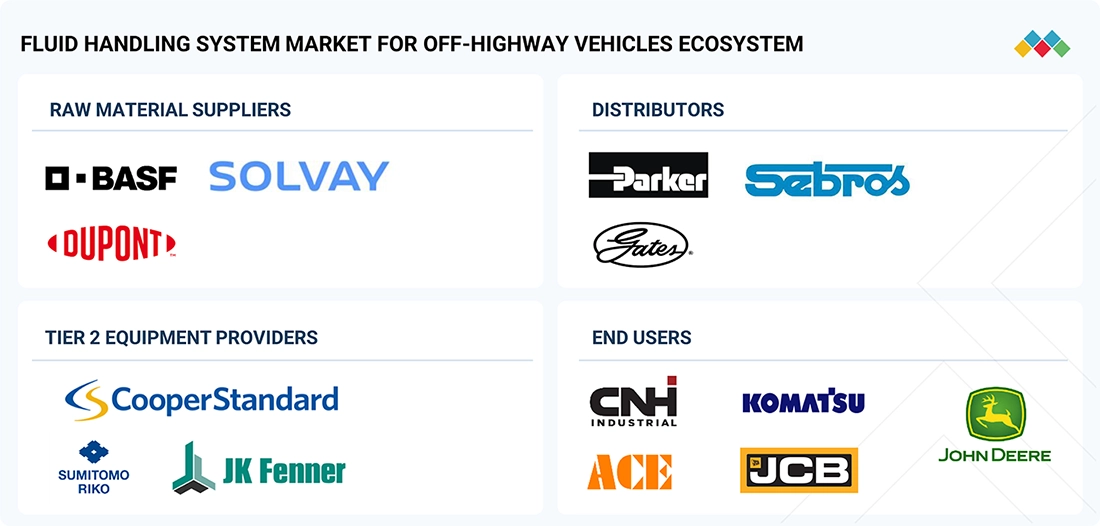
The fluid management market for off-highway operates through a structured value chain, starting with raw material suppliers such as BASF, DuPont, and Solvay, which provide high-performance polymers, elastomers, and specialty materials. These materials are utilized by Tier 2 component manufacturers, including Cooper Standard, Sumitomo Riko, and JK Fenner, to produce hoses, tubes, and fluid transfer components. Distributors and system suppliers such as Parker Hannifin, Gates Corporation, and Sebro play a key role in integrating and supplying these systems to OEMs. Finally, end users, including JCB, CNH Industrial, Komatsu, ACE, and John Deere, deploy these systems in off-highway vehicles. This reflects a well-defined ecosystem from material innovation to component manufacturing, system integration, and final equipment deployment, supported by strong aftermarket demand.
Logos and trademarks shown above are the property of their respective owners. Their use here is for informational and illustrative purposes only.
MARKET SEGMENTS
Source: Secondary Research, Interviews with Experts, MarketsandMarkets Analysis
Fluid Handling System Market for Off-highway Vehicles, Equipment Type
Construction and mining equipment account for the largest share of the market, driven by increasing electrification, telematics integration, and operator safety systems. Advanced control units for hydraulic systems, engine management, and autonomous or semi-autonomous functions require robust, high-reliability PCBs. Harsh operating environments, including high vibration, dust, and temperature variations, drive the use of durable laminate materials.
Fluid Handling System Market for Off-highway Vehicles, Component
The demand for lift cylinder supply and return components in 3-point linkage systems is driven by agricultural equipment usage and the increasing sophistication of hydraulic systems. While traditional systems remain dominant, the gradual adoption of integrated, higher-efficiency hydraulic solutions is expected to support steady growth, with reliability and performance remaining key purchasing criteria.
Fluid Handling System Market for Off-highway Vehicles, Fuel Type
Diesel-powered equipment continues to dominate the off-highway segment due to its widespread use in construction, mining, and agricultural machinery. Electronics content is primarily concentrated in engine control units, hydraulic control systems, and basic telematics, resulting in moderate PCB usage. FR4 laminates remain the standard choice, given cost sensitivity and relatively lower complexity of electronic systems, although emission regulations are gradually increasing electronic integration.
REGION
Asia Pacific to be largest and fastest-growing region in global fluid management market for off-highway during forecast period
The Asia Pacific represents the largest and fastest-growing market for fluid management in off-highway vehicles, supported by high equipment production and strong demand across construction, mining, and agriculture. Countries such as China and India lead in volume, driven by large-scale infrastructure development, urbanization, and ongoing mechanization of agriculture. The region also benefits from a broad base of domestic OEMs and component suppliers, enabling cost-competitive manufacturing and widespread adoption across equipment categories. Market growth is further supported by increasing penetration of advanced hydraulic systems in modern equipment, particularly in higher-capacity tractors, excavators, and material handling equipment. Rising adoption of electric and hybrid off-highway vehicles, especially in forklifts and compact construction equipment, is also contributing to higher system complexity and component demand. In addition, government initiatives focused on infrastructure expansion, rural development, and industrial growth continue to sustain long-term demand.
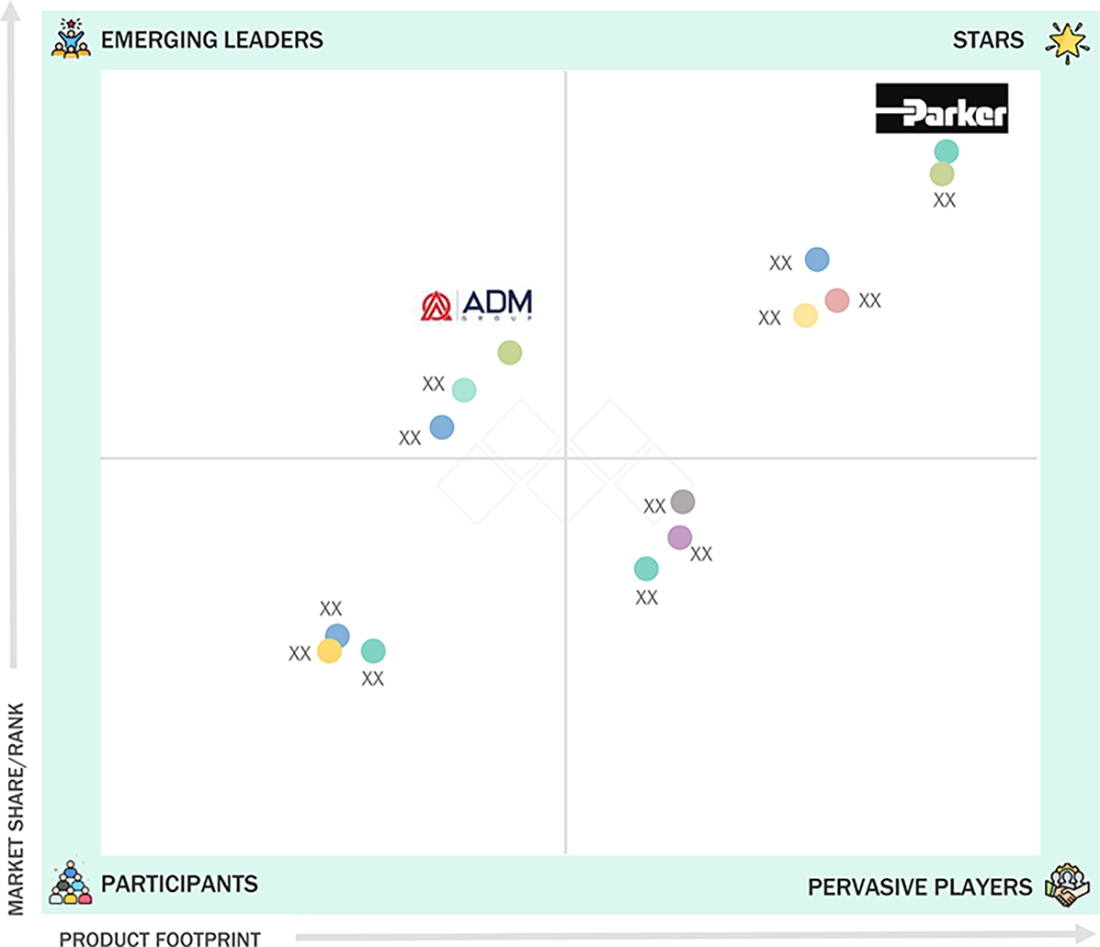
FLUID MANAGEMENT MARKET FOR OFF-HIGHWAY: COMPANY EVALUATION MATRIX
Parker Hannifin is categorized as a star player, supported by its strong global presence, extensive product portfolio in hydraulic and fluid management systems, and deep integration across off-highway equipment applications. The company benefits from high market share, strong OEM relationships, and advanced engineering capabilities, enabling it to deliver reliable, high-performance solutions across construction, agriculture, and material handling segments. ADM Group is categorized as an emerging leader, driven by its growing presence in fluid handling components and expanding product footprint in off-highway applications. The company is strengthening its capabilities through targeted product development and regional expansion, positioning itself to capture increasing demand from cost-competitive and mid-tier equipment manufacturers.
Source: Secondary Research, Interviews with Experts, MarketsandMarkets Analysis
KEY MARKET PLAYERS
- Parker Hannifin
- Gates Corporation
- Cooper Standard
- Sumitomo Riko
- Sebro
- JK Fenner
- ADM Group
- Bony Polymers
- Polyhose
- TVH
- Manuli Hydraulics
- Dayco
MARKET SCOPE
| REPORT METRIC | DETAILS |
|---|---|
| Market Size in 2026 (Value) | USD 1.21 Billion |
| Market Forecast in 2032 (Value) | USD 1.63 Billion |
| Growth Rate | CAGR of 4.8% from 2026–2032 |
| Years Considered | 2021–2032 |
| Base Year | 2025 |
| Forecast Period | 2026–2032 |
| Units Considered | Volume (Thousand Units), Value (USD Billion) |
| Report Coverage | Revenue Forecast, Competitive Landscape, Company Share, Growth Factors, and Trends |
| Segments Covered | Equipment Type (Construction and Mining Equipment, Agricultural Equipment, Forklifts), Fuel Type (Diesel, Gasoline, CNG, Electric), Component |
| Regional Scope | Asia Pacific, North America, Europe |
WHAT IS IN IT FOR YOU: FLUID MANAGEMENT MARKET FOR OFF-HIGHWAY REPORT CONTENT GUIDE
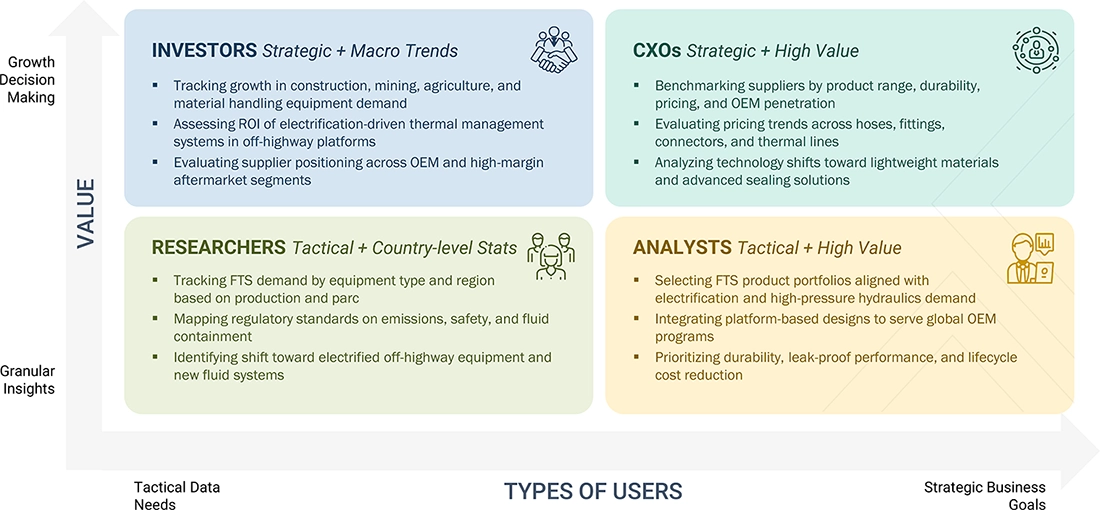
DELIVERED CUSTOMIZATIONS
We have successfully delivered the following deep-dive customizations:
| CLIENT REQUEST | CUSTOMIZATION DELIVERED | VALUE ADDS |
|---|---|---|
| Identify growth opportunities across off-highway segments | Segmented market sizing by equipment type, region, and component | Clear prioritization of high-growth segments and revenue pools |
| Understand competitive landscape and positioning | Benchmarking of key suppliers across product portfolio, pricing, and OEM presence | Improved strategic positioning and differentiation roadmap |
| Evaluate entry into electrification-driven FTS applications | Deep dive on thermal management systems, value chain, and key players | Identification of new high-value business opportunities |
| Optimize product portfolio for OEM and aftermarket | Mapping of demand by component type and lifecycle stage | Better portfolio alignment and revenue maximization |
| Assess pricing and margin dynamics | ASP analysis across components and regions with cost structure insights | Enhanced pricing strategy and margin improvement |
RECENT DEVELOPMENTS
- 12/1/2025 12:00:00 AM : Alfa Laval introduced the FCM LNG Fuel Supply System, designed to support the maritime industry’s transition toward LNG in line with IMO 2030 emission targets. The system enables safe handling of fluids at extremely low temperatures, addressing critical requirements in LNG fuel infrastructure.
- 12/1/2025 12:00:00 AM : Beckman Colter launched the Biomek i3 benchtop liquid handler, offering a compact alternative to traditionally large-scale fluid automation systems. This solution is enabling smaller laboratories and SMEs to access high-precision liquid handling capabilities, particularly in genomics applications.
- 1/1/2025 12:00:00 AM : Tecan Group introduced Veya, an AI-enabled liquid handling platform that enhances laboratory workflows by shifting from fixed programming to adaptive operations. This advancement is improving precision and reducing human error in complex multiomics research environments.
- 11/1/2023 12:00:00 AM : Nexteer Automotive expanded the global footprint by further capitalizing on Asia Pacific growth by increasing manufacturing and testing capacity through a strategic footprint expansion into Changshu within China’s Jiangsu Province nearby the company’s existing facilities in Suzhou.
Table of Contents
 Exclusive indicates content/data unique to MarketsandMarkets and not available with any competitors.
Methodology
The study involved four major activities in estimating the current size of the fluid management market for off-highway. Exhaustive secondary research was done to collect information on the market, the peer market, and the parent market. The next step was to validate these findings, assumptions, and sizing with the industry experts across value chains through primary research. The top-down approach was employed to estimate the complete market size. Thereafter, market breakdown and data triangulation processes were used to estimate the market size of segments and subsegments.
Secondary Research
In the secondary research process, various secondary sources, such as company annual reports/presentations, press releases, industry association publications [for instance, publications related to fluid management systems for off-highway vehicles], fluid management systems for off-highway vehicles related magazine articles, directories, technical handbooks, World Economic Outlook, trade websites, government organizations websites, and technical articles, company websites, whitepapers, databases, and articles from recognized associations and government publishing sources, were referred to. The secondary data was collected and analyzed to arrive at the overall market size, which was further validated by primary research for an extensive commercial study of the fluid management market for off-highway.
Primary Research
Extensive primary research was conducted after acquiring an understanding of this market scenario through secondary research. Several primary interviews were conducted with market experts from the demand- and supply-side OEMs (in terms of component supply, country-level government associations, and trade associations) and component manufacturers across four major regions: Asia Pacific, Europe, and North America. Approximately 40% and 60% of primary interviews were conducted from the demand and supply sides, respectively. Primary data was collected through questionnaires, emails, LinkedIn, and telephonic interviews. In the canvassing of primaries, various departments within organizations, such as sales, operations, and administration, were covered to provide a holistic viewpoint in the report.
Brief sessions with highly experienced independent consultants were conducted to reinforce findings from primaries after interacting with industry experts. This, along with the opinions of the in-house subject matter experts, led to the findings described in the remainder of this report.
In the primary research process, various primary sources from the supply and demand sides were interviewed to obtain qualitative and quantitative information for the report. The primary sources from the supply side included industry experts, such as Vice Presidents (VPs), marketing directors, technology and innovation directors, and related key executives from various key companies and organizations. The primary sources from the demand side included end users, such as Chief Information Officers (CIOs), consultants, service professionals, technicians, technologists, and managers at public and investor-owned utilities.
Breakdown of Primary Interviews
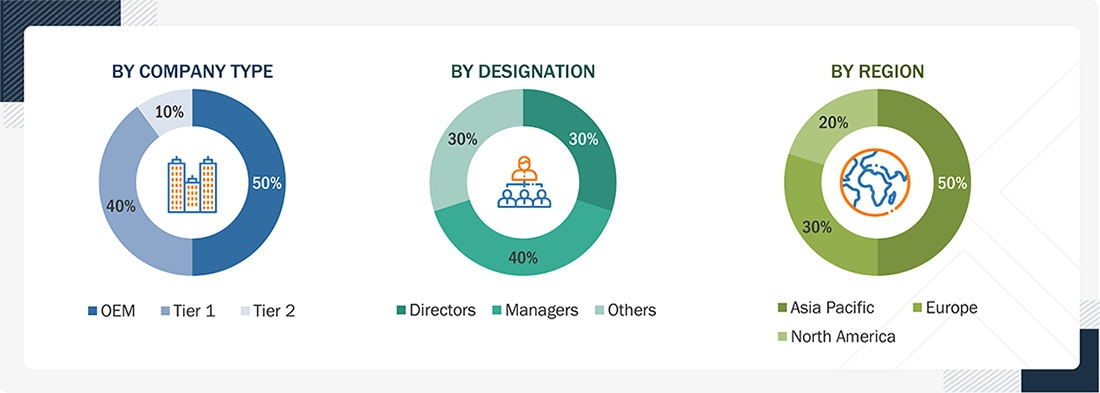
Note: Others include purchase and sales managers, marketing managers, and product managers.
To know about the assumptions considered for the study, download the pdf brochure
Market Size Estimation
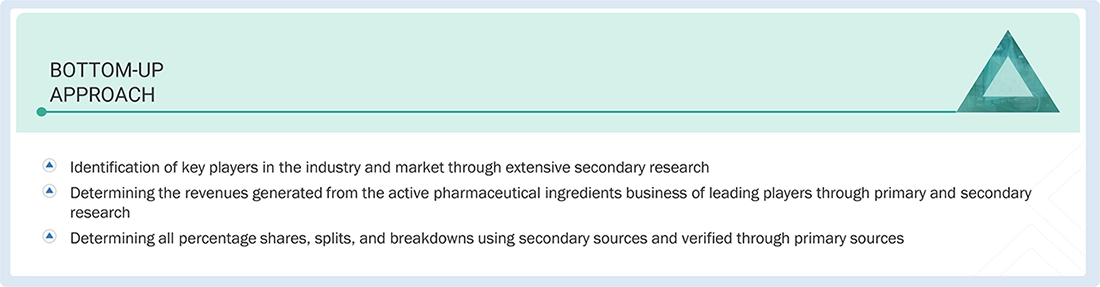
The total market size by vehicle type, in both thousand units and USD million, was derived through a bottom-up approach at the country level. Country-level production volumes for each off-highway vehicle type were mapped from company publications, industry publications, and research studies, forming the base input. This was combined with country-level penetration of fluid transfer system components across construction and mining equipment, agricultural equipment, and forklifts, derived through product mapping, paid databases, and validated through primary interviews. Multiplying production volumes by penetration rates provided the country-level market size in terms of volume. In parallel, the average price of fluid transfer system components for each vehicle was estimated at the country-level using supplier data, industry sources, and expert validation. Multiplying volume by average price generated the country-level market size in terms of value, and aggregation across all countries results in the regional market size by vehicle type.
Fluid Management Market for Off-highway : Top-Down and Bottom-Up Approach
Data Triangulation
After arriving at the overall market size using the market size estimation processes as explained above, the market was split into several segments and subsegments. To complete the overall market engineering process and arrive at the exact statistics of each market segment and subsegment, data triangulation and market breakdown procedures were employed, wherever applicable. The data was triangulated by studying various factors and trends from both the demand and supply sides.
Market Definition
The fluid management market for off-highway comprises the design, manufacturing, and supply of components and systems intended to manage, transfer, and regulate fluids such as hydraulic oil, fuel, coolants, and emissions fluids within heavy-duty machinery.
Report Objectives
- To segment and forecast the fluid management market for off-highway in terms of volume (thousand units) and value (USD million)
- To define, describe, and forecast the market based on equipment type, fuel type, and component
- To analyze regional markets for growth trends, prospects, and their contribution to the overall market
- To define, describe, and forecast the size of the market with respect to growth trends and prospects, and determine the contribution of the segments to the total market
- To provide detailed information regarding the major factors (drivers, challenges, restraints, and opportunities) influencing market growth
- To strategically analyze markets with respect to individual growth trends, prospects, and contribution to the total market
- To analyze opportunities for stakeholders and the competitive landscape for market leaders
- To strategically profile key players and comprehensively analyze their market share and core competencies
- To analyze the impact of AI on the market
- To track and analyze competitive developments such as deals (mergers & acquisitions, partnerships, collaborations), product developments, and other activities carried out by key industry participants
Available customizations:
With the given market data, MarketsandMarkets offers customizations in line with company-specific needs.
- Fluid management market for off-highway, at the country level (for regions covered in the report)
- Fluid management market for off-highway vehicles, such as dump trucks, compactors, and skid-steer loaders, at the regional level
- Fluid management market for material handling equipment (terminal tractors, reach stackers, container handlers, cranes, tow tractors, and others) at the regional level
Company Information
- Profiling of additional market players (up to five)


Personalize This Research
- Triangulate with your Own Data
- Get Data as per your Format and Definition
- Gain a Deeper Dive on a Specific Application, Geography, Customer or Competitor
- Any level of Personalization
Let Us Help You
- What are the Known and Unknown Adjacencies Impacting the Fluid Management Market
- What will your New Revenue Sources be?
- Who will be your Top Customer; what will make them switch?
- Defend your Market Share or Win Competitors
- Get a Scorecard for Target Partners

Custom Market Research Services
We Will Customise The Research For You, In Case The Report Listed Above Does Not Meet With Your Requirements
Get 10% Free CustomisationTESTIMONIALS

JIM NAAS
PRODUCT DIRECTOR, WEASLER
Weasler Engineering, a CentroMotion organization
Global Provider of Industrial Actuation & Control Solutionswww.weasler.com
Our organization was interested in learning more about the attractiveness of a particular market space. We contacted MarketsandMarkets to help us based on previous positive experiences we had with them. The results did not disappoint! We discussed our objectives with them, and the team at MarketsandMarkets developed and executed a proposal that met our needs precisely. We were very impressed by their level of expertise, the quality of the analysis and their insightful recommendations. We would not hesitate in working with them again in the future.

Matt Kardel,
Vice President
Aptiv,
A global technology company that develops safer, greener and more connected solutions.www.aptiv.com
We contracted with
MarketsandMarkets to evaluate the value chain and potential go-to-market partners related to our
interest in the Fleet Management space. The team successfully completed the work on time and at the
pricing agreed. MarketsandMarkets listened and understood our objectives and collaborated well with
us to help us get the visibility we needed to make an investment.
We have subsequently used
MarketsandMarkets again related to Smart Cities to good results.






Growth opportunities and latent adjacency in Fluid Management Market